Die cast

Scrap Wiki

A zinc alloy is a mixture formed by zinc and other metallic elements, with varying proportions of metals depending on the required applications and performance. The typical proportions of elements in common zinc alloys are approximately as follows:
Zinc (Zn): Serving as the base of zinc alloys, zinc generally comprises over 90% of the content. Zinc is characterized by strong corrosion resistance and a low melting point.
Aluminum (Al): Normally present in about 4%, aluminum significantly enhances the strength and hardness of zinc alloys, as well as the casting performance when used in casting.
Copper (Cu): Usually contained at 1%-3%, copper can increase the strength and hardness of the alloy, and improve its wear resistance and tensile strength. However, excessive copper content can make the alloy brittle.
Magnesium (Mg): Typically found in 0.03% - 0.06%. Magnesium can improve the corrosion resistance and fluidity of the alloy, and reduce grain size, making the alloy structure more uniform.
Iron (Fe), Tin (Sn), Lead (Pb): These are trace elements commonly found in zinc alloys in extremely low quantities.
Common types of zinc alloys include ZAMAK alloys, named after the abbreviation of their primary components: Zinc (Zinc), Aluminum (Aluminum), Magnesium (MAGnesium), and KOPPER (Copper in German). ZAMAK alloys are widely used in die casting production due to their excellent mechanical properties, good fluidity, and low melting point, making them suitable for manufacturing complex-shaped components. Among these, ZAMAK 3 is the most common and widely used, with the best overall performance. Its typical composition is 96% zinc, 4% aluminum, and approximately 0.03% copper.
Zinc alloy scrap includes waste materials, trimmings, or rejects generated during the manufacture and use of zinc alloys, such as in the automotive, construction, electronics, and household goods industries. Additionally, there is a significant amount of zinc alloy scrap collected from civil recycling sources.
The following is an image of common zinc alloy scrap.

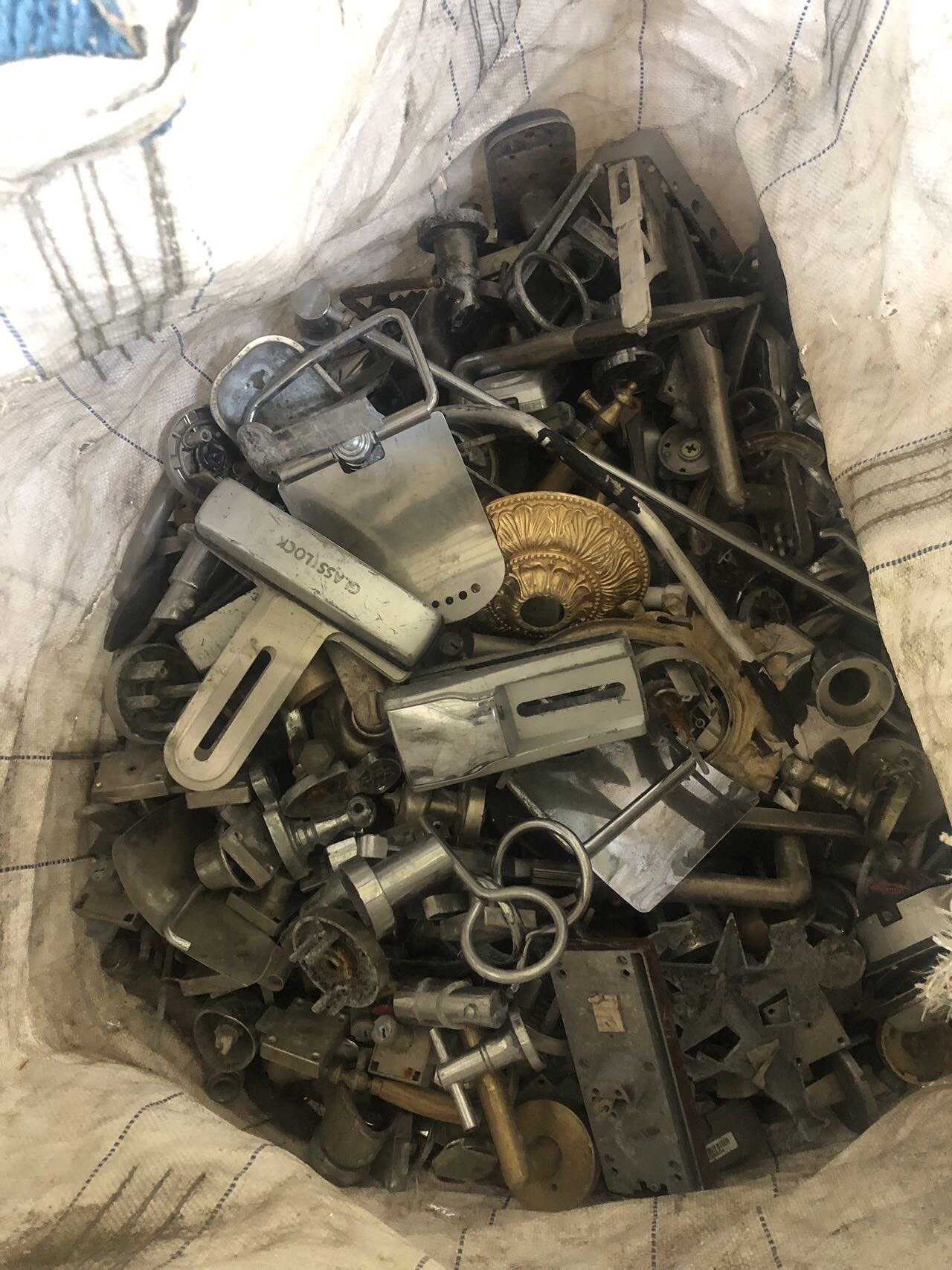
Common Zinc Alloy Scrap

Common Classification

Common classification methods for zinc alloy scrap primarily distinguish based on the degree of impurities. The impurities are mainly iron, plastics, etc., such as 20% impure zinc alloy, 30% impure zinc alloy, etc.
There is also classification based on the shape of the zinc alloy, such as door handle zinc alloy, faucet zinc alloy, mold zinc alloy, etc.

Common Sources

Besides zinc alloy scrap obtained from the factory end, common zinc alloy scrap can be acquired from the following channels:
Automotive components: Zinc alloys are used to manufacture various auto parts, such as door handles, lock cylinders, decorative pieces, clips, oil pump assemblies, etc. Due to the good wear resistance and corrosion resistance of zinc alloys, and their ability to produce complex shapes through die casting, they are very popular in the automotive industry. Auto parts are an essential source for recycling zinc alloys.
Electronic devices: Zinc alloys can offer robust structural protection and good electromagnetic shielding, making them suitable for use in smartphones, tablets, laptops, and other devices. Zinc alloys can be recovered from electronic waste.
Hardware for construction: Zinc alloys are used in the construction industry to manufacture door and window hardware, hinges, locks, handles, window stays, etc. Zinc alloy products are corrosion-resistant and have higher strength, making them suitable for outdoor environments. The amount of zinc alloy material obtained from hardware is enormous.
Furniture items: Common zinc alloy waste includes faucets, hooks, bathroom accessories, furniture handles, etc. The aesthetics and ease of processing of zinc alloys make them an ideal material for home decorations and functional components.
Additionally, there are ornaments, knives, lighter cases, keychains, etc., which are often made of zinc alloys, especially for finely crafted and complexly designed metal products.
The following is an image of common zinc alloy scrap primarily consisting of kitchen, bathroom, and decorative pieces.

Value Points

Common zinc alloy scrap typically contains impurities, which are mainly iron, plastic, aluminum, etc. The value of zinc alloys primarily lies in having low impurity content, and the difficulty of removing the impurities should not be too great. Common zinc alloy faucets and door locks contain a large amount of iron impurities, requiring manual disassembly or crushing and sorting for processing, which is a more challenging task. Zinc alloy molds also have some iron impurities, such as screws and nuts, which can be removed by simply unscrewing the screws and nuts, so the value of mold zinc alloys is higher than that of ordinary zinc alloys. The value of zinc alloy scrap that is completely free of impurities is approximately around 82% LME.

Processing Methods

The processing methods for zinc alloys primarily include manual disassembly and mechanical crushing and sorting. Some processing plants will perform manual disassembly followed by mechanical crushing and sorting.
Manual disassembly: The iron impurities and plastics are separated from the zinc alloy by hand. This type of processing is generally carried out in regions with lower labor costs, such as Southeast Asia.
Mechanical crushing and sorting: Through mechanical crushing and a series of methods such as flotation and jigging, zinc alloy scrap is sorted. The processed crushed zinc can be sold separately.

Detection Methods

The main detection for zinc alloy scrap is the level of impurities. The detection method typically involves sampling of the goods, with sample quantities ranging from dozens of kilograms to several hundred kilograms. After sampling, manual sorting and disassembly are performed, and the actual weight of the zinc alloy extracted is measured, which can determine the accurate impurity level.

Matching Direction

Suitable for matching with factories that produce low-end zinc ingots or zinc alloy products, and the factories should preferably have sorting and processing capabilities.

Special Attention

Special attention should be given to the meaning of "impurities" in zinc alloy scrap. For example, if both parties agree on "10% impurities," does this refer to the content of iron impurities? Or the content of all substances other than zinc as impurities? This should be clearly defined and communicated.

Gallery

Die cast
Die cast
Die cast
Die cast
Die cast
Die cast
Die cast
Back to Parent Category