Scrap Wiki

Stainless steel is a type of iron-based alloy that is known for its corrosion-resistant properties. It contains a minimum of 10.5% chromium content and a maximum of 1.2% carbon content. The corrosion resistance of stainless steel decreases as the carbon content increases, so most stainless steels have a relatively low carbon content. In addition to chromium, stainless steel also contains other elements such as nickel, titanium, manganese, nitrogen, niobium, molybdenum, silicon, and copper.
The addition of chromium gives stainless steel a unique property: when the surface is damaged, the chromium reacts with oxygen to form a thin, solid layer of chromium oxide, which prevents further oxidation and can even self-heal minor scratches. This is the main reason why stainless steel has corrosion-resistant properties.
Stainless steel has several metal properties, including:
1. Corrosion resistance: Stainless steel has good corrosion resistance to many chemicals and corrosive environments, including atmospheric, water, and many acidic solutions and chlorides.
2. High-temperature resistance: Some types of stainless steel can maintain good mechanical properties and high oxidation resistance at high temperatures.
3. Strength and toughness: Through cold processing, stainless steel can increase its strength while maintaining sufficient toughness and plasticity.
4. Cleanability: Stainless steel surfaces are easy to clean, making them suitable for use in food processing and medical equipment.
5. Aesthetics: Stainless steel has a modern, glossy appearance and a smooth surface, making it suitable for decorative and architectural applications.
6. Weldability: Most stainless steels can be welded using various welding techniques.
Common Classification

Stainless steel can be classified into several series based on its metal composition, including:
* 400 series (Cr-based)
* 300 series (Cr-Ni-based)
* 200 series (Cr-Mn-Ni-based)
* 500 series (heat-resistant chromium alloy steel)
* 600 series (precipitation hardening series)
The most common series are the 300 series and 200 series.
* 200 series: This series is a low-cost alternative to the 300 series, with a lower nickel content and lower corrosion resistance.
* 300 series: This series is a type of austenitic stainless steel that contains chromium and nickel. It is widely used in various applications, including food processing, construction, and medical equipment.

Common Sources

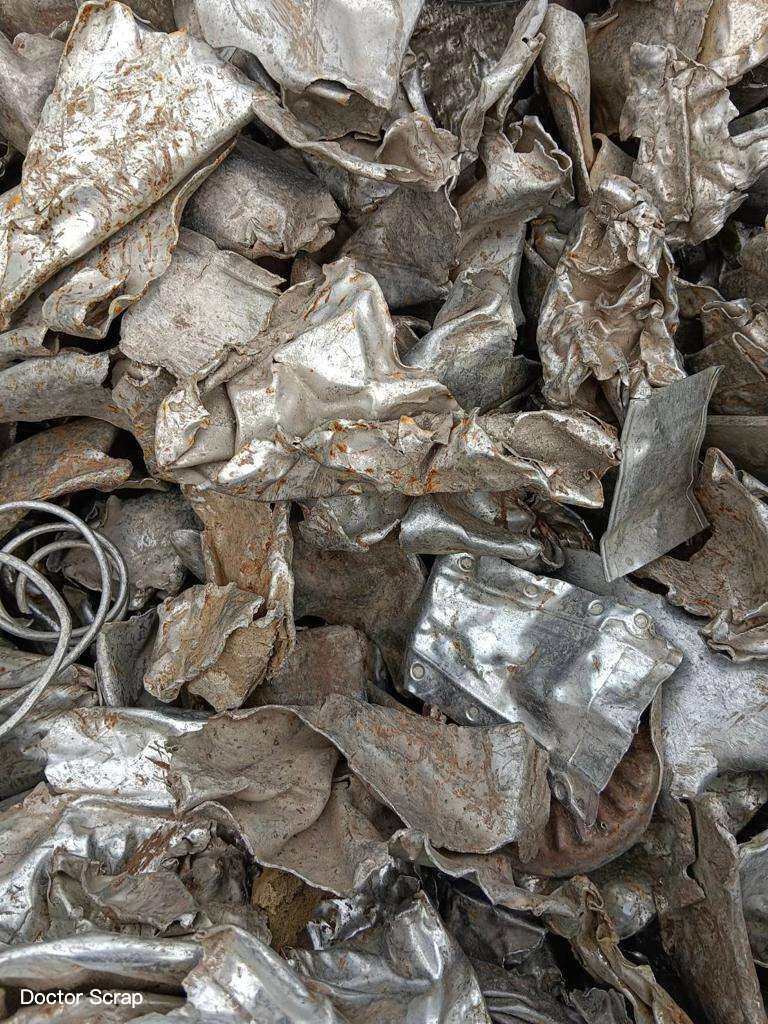
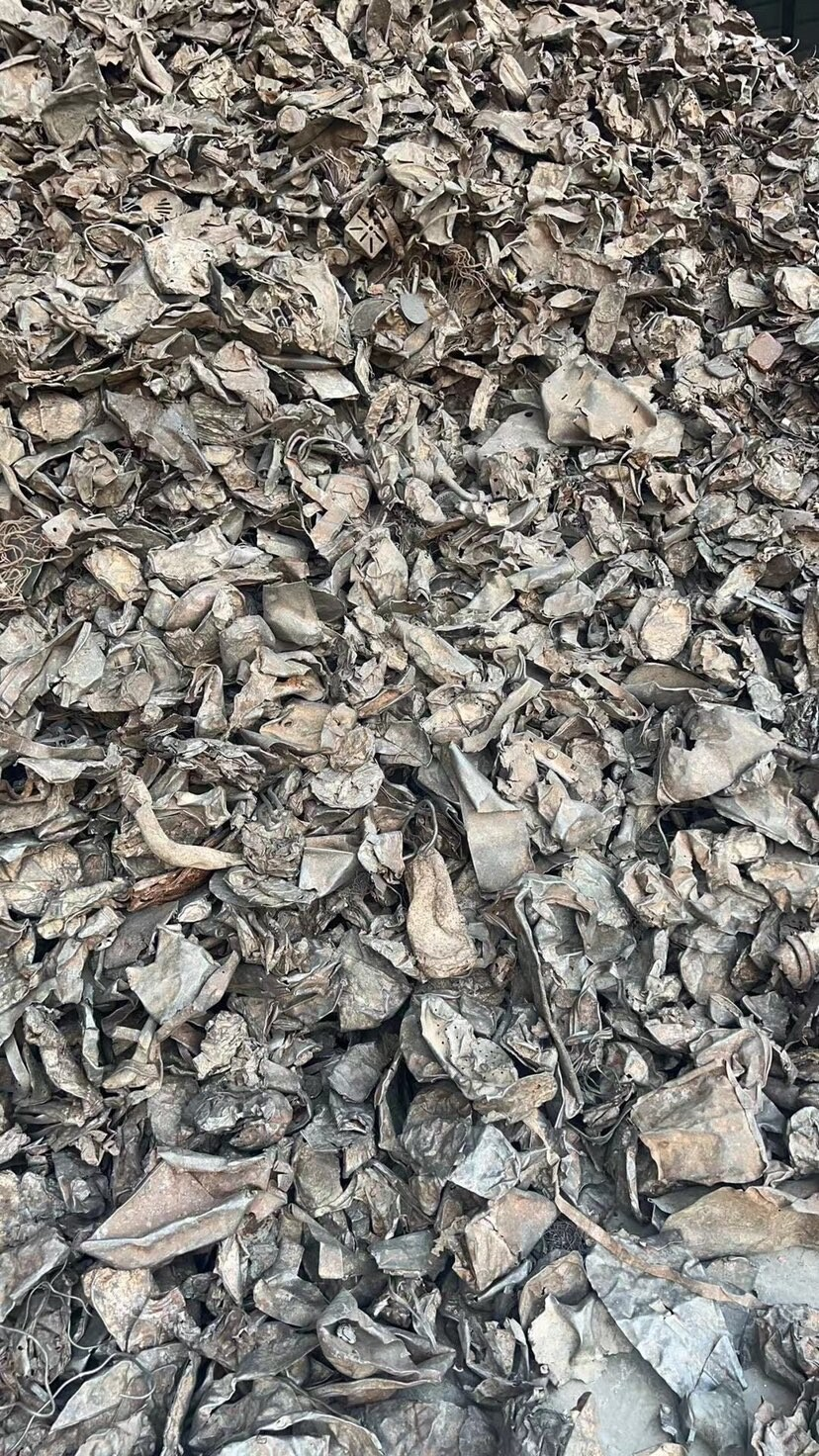
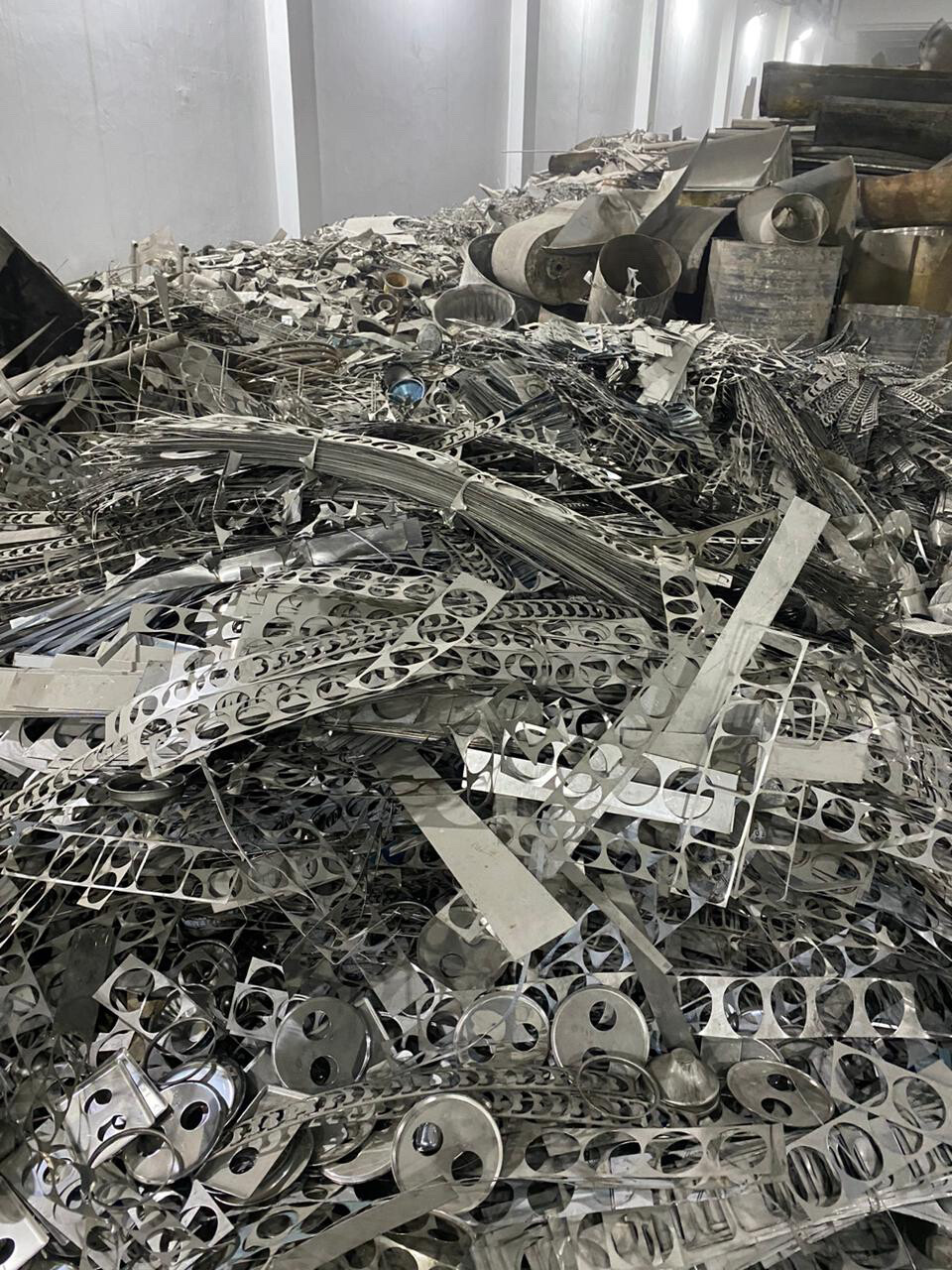
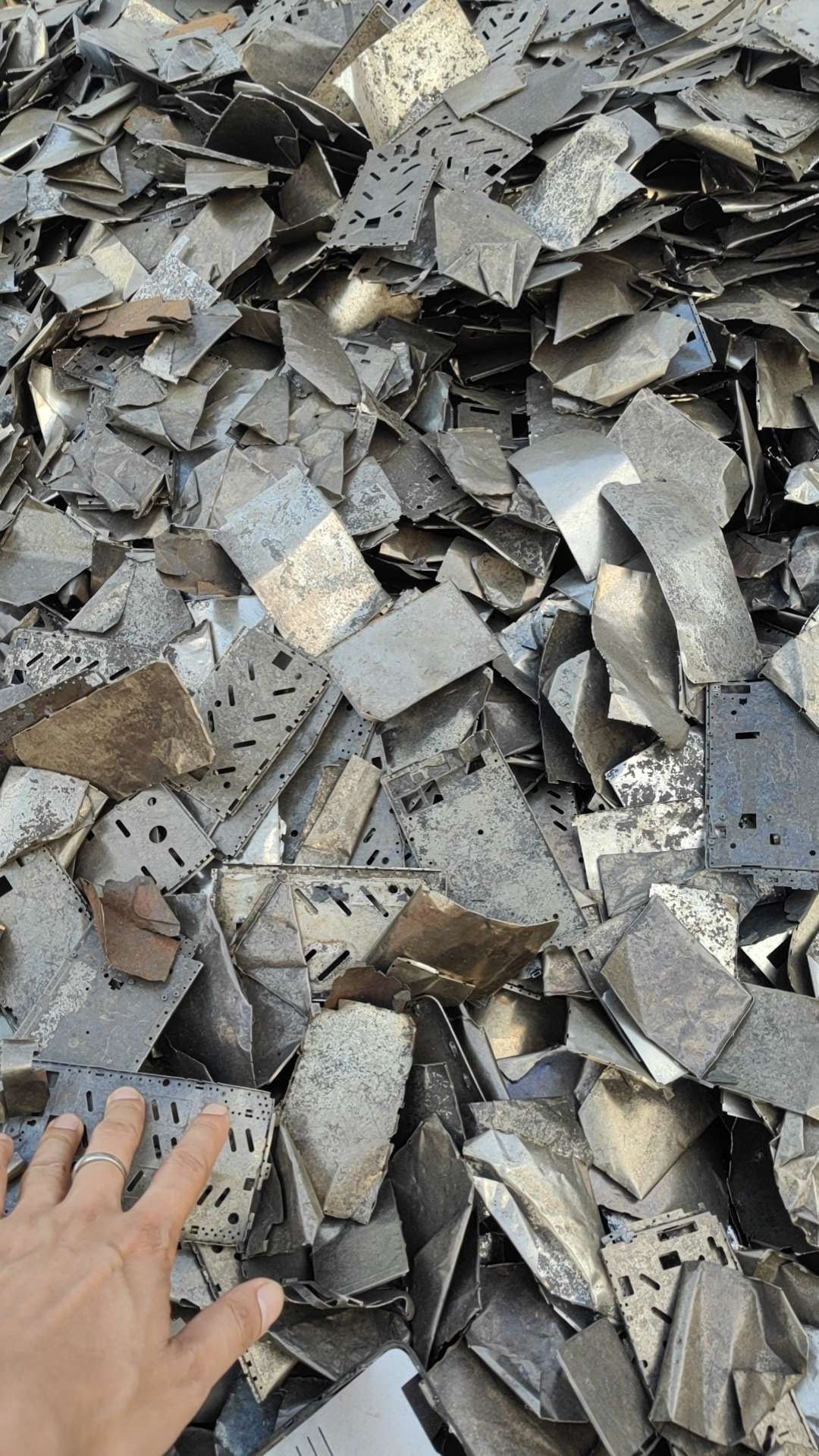
Stainless steel scrap comes from a wide range of sources, including industrial waste from manufacturing, construction, and consumer waste. The two images below show examples of stainless steel scrap from factory production and discarded mobile phone components.
316 stainless steel is a type of stainless steel that contains molybdenum, which gives it excellent corrosion resistance and high-temperature properties. It is widely used in various applications, including:
Common Applications:
- Marine and Shipbuilding: Hull components such as hulls, decks, and other parts in contact with seawater. Marine structures like offshore platforms, buoys, and other offshore facilities.
- Chemical, Petrochemical, and Pharmaceutical Equipment: Reaction vessels like reactors and chemical processing tanks. Piping for transporting corrosive chemicals. Heat exchangers operating in high-temperature and corrosive environments.
- Food Processing and Pharmaceutical Equipment: Processing equipment like mixers, blenders, and food processing containers. Storage tanks for food, beverages, and pharmaceuticals. Cleanroom equipment like stainless steel workbenches and sinks.
- Construction and Decoration: Building exteriors such as curtain walls and roofing materials. Interior finishes like handrails, railings, and door handles.
- Medical Devices: Surgical instruments like scalpels, forceps, and scissors. Implants such as bone screws, joints, and dental implants.
- Automotive Industry: Exhaust systems such as exhaust pipes and mufflers. Engine components like turbochargers and parts of fuel injection systems.
- Water Treatment Equipment: Tanks and reservoirs for water treatment and storage. Filtration systems like reverse osmosis and ultrafiltration.
Summary:
Due to its excellent corrosion resistance, good high-temperature strength, and excellent formability, 316 stainless steel is widely used in various industries. It is particularly suitable for applications in corrosive environments, high-temperature environments, and where high strength is required.

Stainless steel waste

Value Points

The value of stainless steel scrap varies greatly depending on several factors, including:
1. High-value metal content: The presence of high-value metals such as nickel, which is the most valuable metal component in stainless steel, can increase the value of the scrap.
2. Purity: High-purity stainless steel scrap with minimal iron content and no contamination from other metals or non-metallic materials is more valuable than lower-purity scrap.

Processing Methods

Stainless steel scrap undergoes various processing steps before being melted and reused as raw material. The typical processing steps include:
1. Collection and sorting: Collecting stainless steel scrap from various sources and sorting it by type and grade.
2. Hand disassembly and cleaning: Using manual labor to disassemble and clean stainless steel scrap to remove contaminants such as iron, plastic, and other non-metallic materials.
3. Cutting and crushing: Using machinery to cut and crush large pieces of stainless steel scrap into smaller pieces that can be easily melted and reused.

Broken stainless steel
  1. Magnetic separation and sorting: Using magnetic separation and sorting techniques to separate stainless steel scrap from other metals and non-metallic materials.
  2. Packaging: Packaging stainless steel scrap into bundles or blocks to facilitate transportation and processing.

Detection Methods

The primary detection method for stainless steel scrap is visual inspection by experienced professionals, who can estimate the metal content and contaminants within a ±3% range. Other detection methods include laboratory testing and portable spectroscopy analysis.

Matching Direction

The best matching direction for stainless steel scrap is to find a factory that can use it as raw material for producing new stainless steel products. The largest stainless steel market in China is located in Dongguan, Guangdong Province, while the global market has the highest demand in India.

Special Attention

When trading stainless steel scrap, it is essential to pay attention to the uniformity of the goods and the actual delivery location. The value of stainless steel scrap depends on the type and grade of the material, so it is crucial to ensure that the goods match the description and are free from contamination.

Gallery

SS 316
Back to Parent Category