Scrap Wiki

Stainless steel is a type of iron-based alloy that is known for its corrosion-resistant and rust-free properties, with a chromium content of at least 10.5% and a carbon content of no more than 1.2%. The corrosion resistance of stainless steel decreases with increasing carbon content, so most stainless steels have a relatively low carbon content, with some as low as 0.03% (such as 00Cr12). In addition to chromium, stainless steel also contains elements such as nickel, titanium, manganese, nitrogen, niobium, molybdenum, silicon, and copper. The addition of chromium gives stainless steel a unique property: when its surface is damaged, chromium reacts with oxygen to form a very thin and strong oxide layer that prevents further oxidation, even in the case of micro-scratches, and can self-heal. This is the main reason why stainless steel has anti-corrosion properties.
The metal properties of stainless steel include:
1. Corrosion resistance: Stainless steel has good corrosion resistance to many chemicals and corrosive environments (including air, water, and many acidic solutions and chlorides).
2. High temperature resistance: Some types of stainless steel can maintain good mechanical properties and high oxidation resistance at high temperatures.
3. Strength and toughness: Through cold processing, stainless steel can increase its strength while maintaining sufficient toughness and plasticity.
4. Easy to clean: Stainless steel surfaces are easy to clean, often used in food processing and medical equipment, and other places with strict hygiene requirements.
5. Aesthetics: Stainless steel has a modern and shiny appearance, often used in decorative and architectural designs.
6. Weldability: Most stainless steels can be welded using various welding techniques.
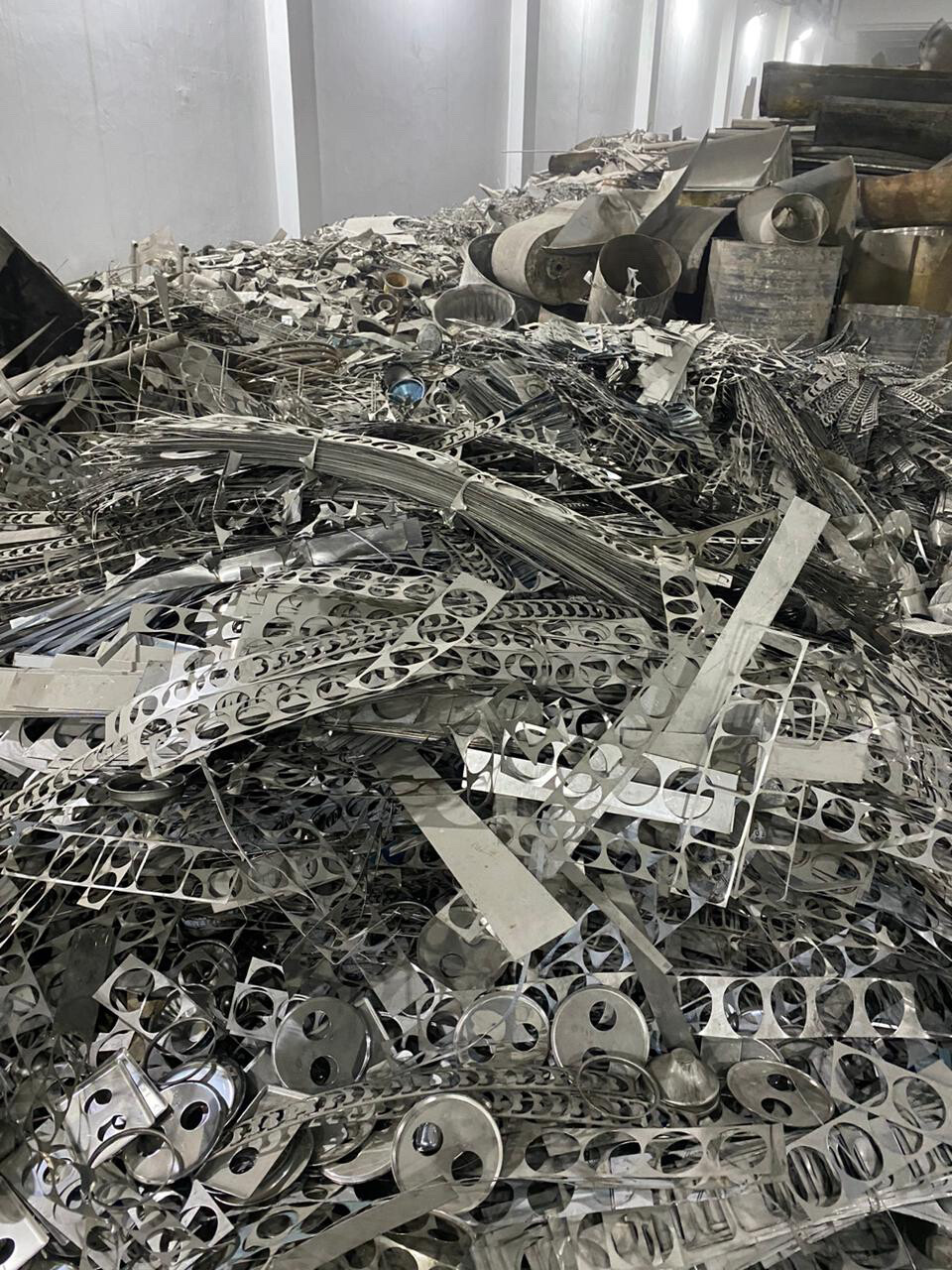
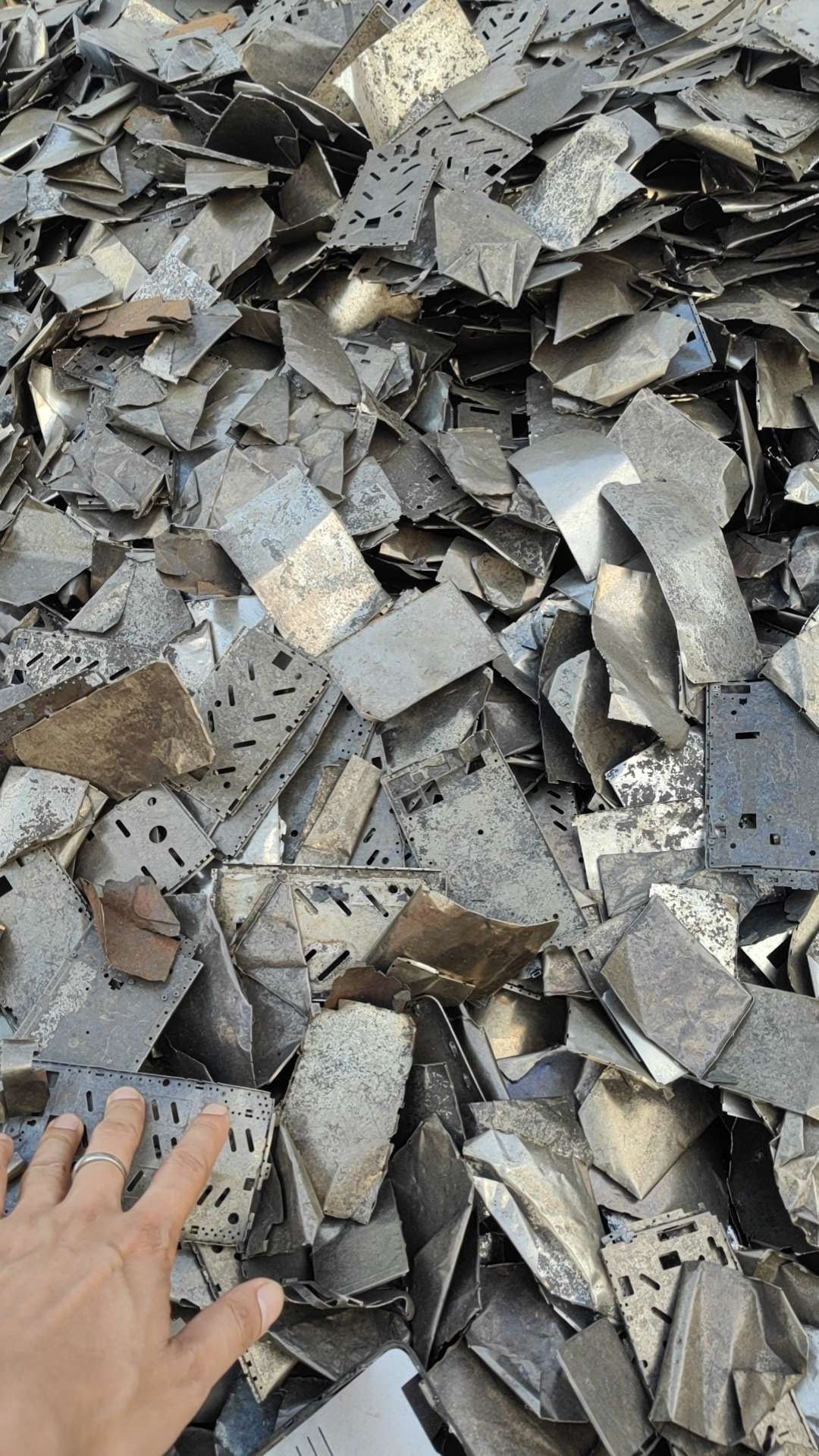
Broken stainless steel refers to the broken materials that are mainly composed of stainless steel. It is generally obtained through the processing of unsorted broken materials or line steel materials. After processing through flotation, sorting, and other processes, stainless steel waste is produced. Broken stainless steel waste, if not specified, is generally a mixture of different series of stainless steel, mostly 200 and 300 series materials. The more 300 series materials, the higher the value. Some broken stainless steel can be completely composed of 300 series materials, or even a single type of stainless steel, such as 304 or 316, as the broken material.
Due to the properties of stainless steel, it is an indispensable material in modern industry and daily life. Different types of stainless steel (such as austenitic, martensitic, and ferritic) have different properties and are suitable for different application conditions and environments.
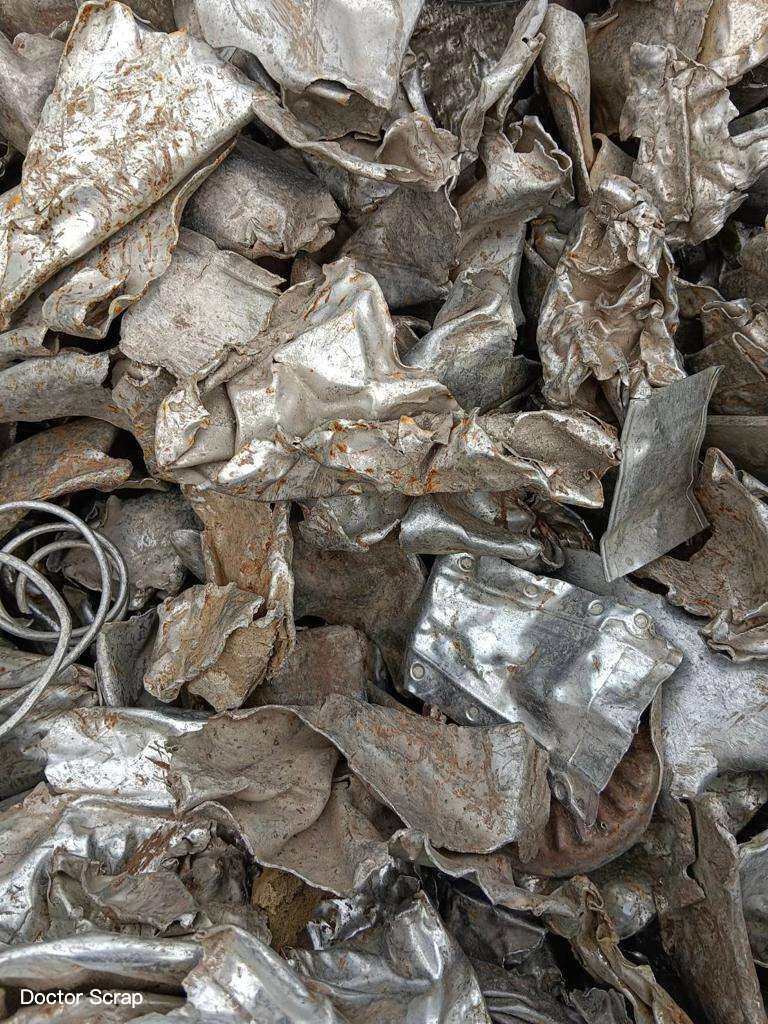
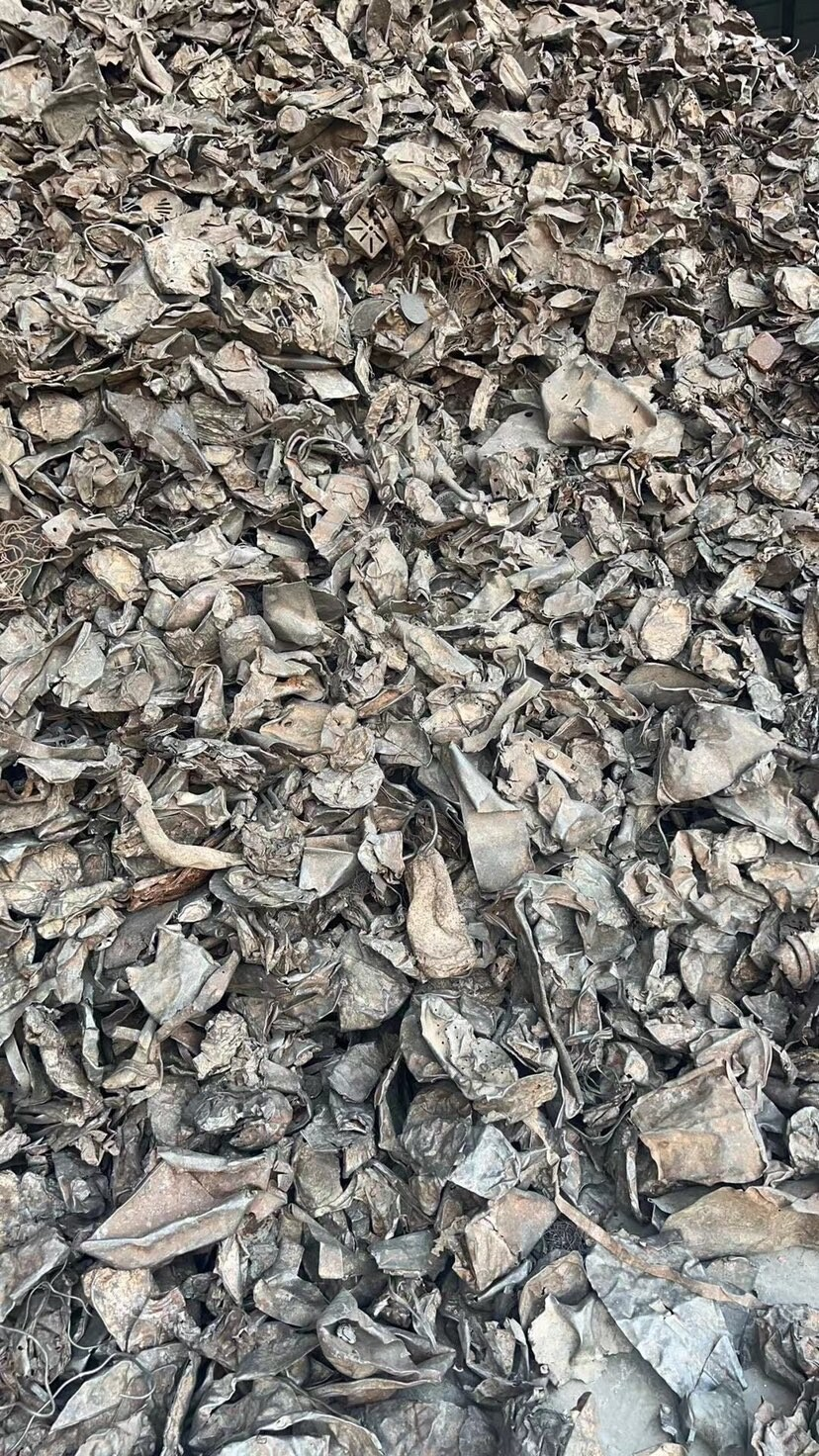
Common stainless steel scrap

Common Classification

Stainless steel can be classified into several series based on its metal composition:
* 400 series (Cr series)
* 300 series (Cr-Ni series)
* 200 series (Cr-Mn-Ni series)
* 500 series (heat-resistant chromium alloy steel)
* 600 series (precipitation hardening series)
The most common series in daily life are the 300 and 200 series.
The 200 series is a type of stainless steel that uses manganese to replace nickel, which is more expensive, resulting in relatively poor corrosion resistance. However, it is a cost-effective alternative to the 300 series.
Common types of 200 series stainless steel include:
* 201 (UNS S20100): Nickel content 4% to 5%, manganese content 5.5% to 7.5%.
* 202 (UNS S20200): Nickel content 5% to 6%, manganese content 7.5% to 10%.
The 300 series is a type of austenitic stainless steel that is primarily composed of chromium and nickel.
* 304 (UNS S30400): A very common type of stainless steel, also known as 18/8 stainless steel, which means it contains 18% chromium and 8% nickel. It is non-magnetic and cannot be changed by heat treatment. The main elements include nickel 8% to 10.5%, chromium 18% to 20%, and small amounts of manganese, silicon, phosphorus, and sulfur. It is widely used in kitchen equipment, general pipelines, architectural decoration, chemical equipment, and the food and beverage industry.
* 304L (UNS S30403): The main elements are similar to 304, but the carbon content is reduced to 0.03% or less. It is generally used in applications that require good weldability, such as chemical containers, pipelines, and heat exchangers.
* 316 (UNS S31600): A very common type of stainless steel, second only to 304 in terms of popularity. It is also known as 18/10 stainless steel, which means it contains 18% chromium and 10% nickel. The main elements include nickel 10% to 14%, chromium 16% to 18%, and 2% to 3% molybdenum, which provides a special corrosion-resistant structure. It also contains small amounts of manganese, silicon, phosphorus, and sulfur. The increased nickel content further enhances its corrosion resistance. Due to its excellent corrosion resistance, especially against chlorides, it is widely used in marine environments, chemical and pharmaceutical industries, and is also known as "marine steel".
* 316L (UNS S31603): The main elements are similar to 316, but the carbon content is reduced to 0.03% or less. It is mainly used in applications that require good weldability and higher corrosion resistance, such as biotechnology and medical devices.

Common Sources

The sources of broken stainless steel are mainly from various breaking factories, such as automobile breaking factories and household appliance breaking factories.
The raw materials that can be used to process broken stainless steel are mainly various types of stainless steel, especially those with mixed impurities that are difficult to separate, which can be processed using breaking and sorting methods. The sources of stainless steel are very broad, from industrial waste in the production and manufacturing fields, such as furnace slag and edge materials, to household waste, and stainless steel is present in every corner of the human world.

Common stainless steel scrap

Value Points

The value difference between stainless steel waste is very large, mainly due to:
1. High-value metal content: The metal content of stainless steel waste, especially nickel, is the most valuable component, with a price several times or even dozens of times higher than other metal components. Therefore, the nickel content determines the value of stainless steel waste. For example, 300 series stainless steel waste with higher nickel content (such as 304, 316) is more valuable than 200 series stainless steel waste and ferritic or martensitic 400 series stainless steel waste.
2. High purity: The basic requirement for purity is that it does not contain iron, as iron waste is much less valuable than stainless steel waste. The second requirement is that it can be strictly classified according to the series, such as 200, 300, or 400, without mixing other series. The highest quality stainless steel waste is packaged and classified according to specific types, such as 304 or 316, which can be directly used in furnaces and create the highest value through recycling.

Processing Methods

Broken stainless steel waste can generally be directly or simply processed and used in furnaces, making it a high-quality recycled metal raw material.

Detection Methods

The main detection method for stainless steel waste is visual inspection by experienced professionals, which can accurately identify impurities within a ±3% range. In addition to visual inspection, other detection methods include crucible testing and portable spectroscopy analysis for certain series of stainless steel that are difficult to identify.

Matching Direction

The best matching direction for stainless steel waste is to use it in recycling and direct utilization factories. The largest stainless steel distribution market in China is in Dongguan, Guangdong, Wuxi, Jiangsu, and Zibo, Shandong. Globally, the Indian market currently has the best price for stainless steel waste, while the Chinese market has been experiencing a decline in prices since 2022.

Special Attention

When trading stainless steel waste, it is essential to pay attention to the consistency between the photos and actual goods, as well as the consistency between the reported location and actual delivery location. Due to the large differences in stainless steel waste, prices are highly dependent on these factors. Some Indian and Pakistani buyers require stainless steel waste to maintain its nickel and chromium content, meaning that 200 series stainless steel waste is not allowed to be mixed in.

Gallery

Shredded SS
Back to Parent Category