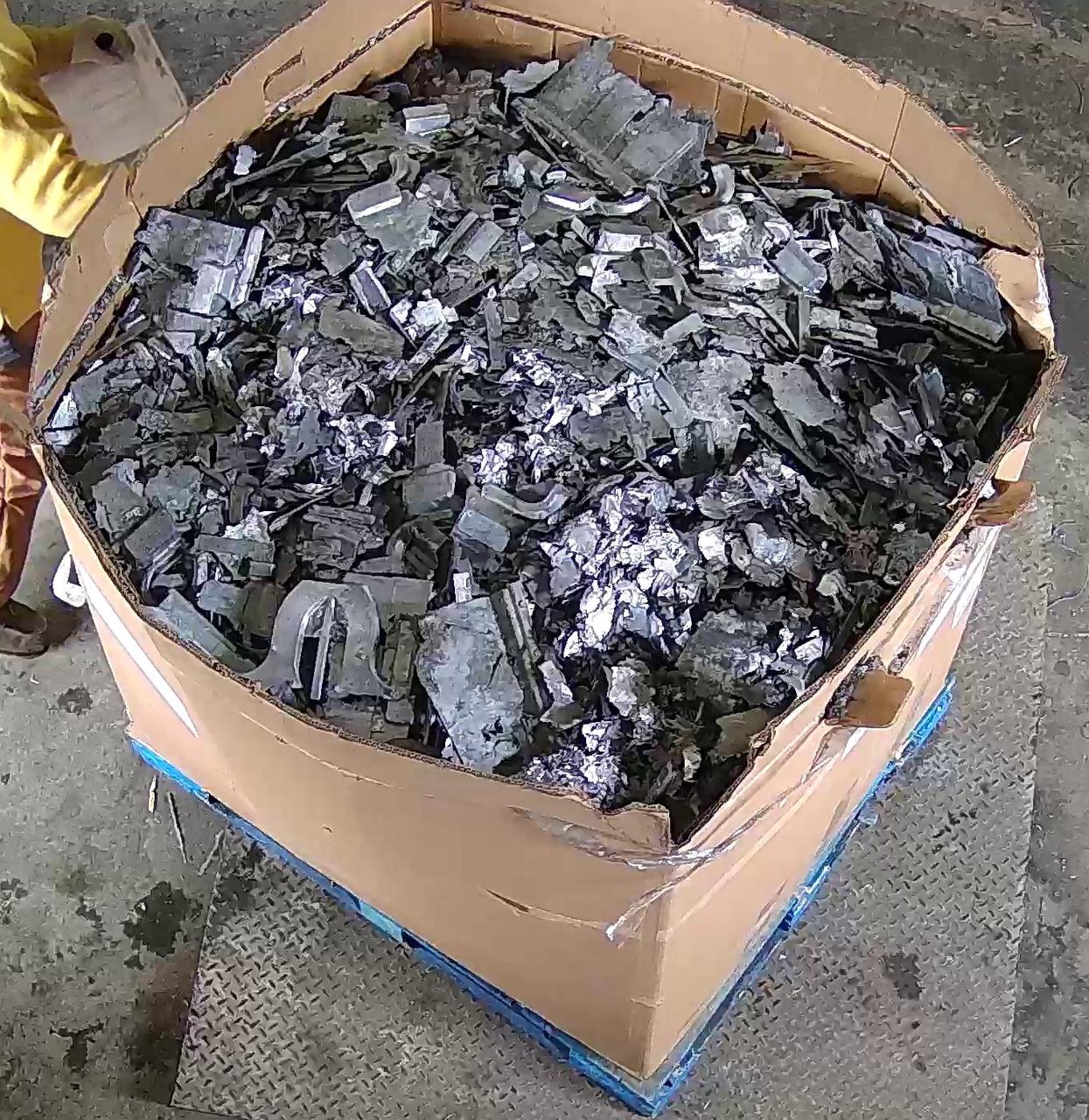
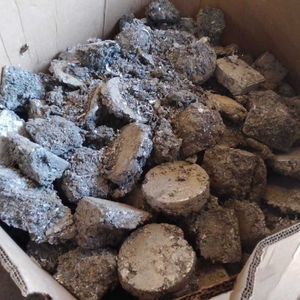
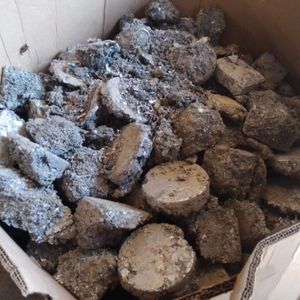
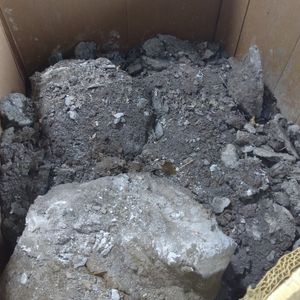
Lead slag

Scrap Wiki

Slag is a solid byproduct or waste generated during the smelting, refining, and recycling of lead. It contains a certain percentage of lead and other impurities, such as iron, zinc, copper, antimony, arsenic, tin, and some non-metallic impurities. These impurities may come from impurities in the raw materials or may be added as fluxes or formed as compounds during the smelting process.
The recycling value of slag lies in the fact that it still contains a certain amount of lead and possibly other valuable metals. Therefore, through proper treatment and refining processes, these metals can be recovered from the slag, realizing the reuse of resources. For example:
Lead recovery: Lead can be recovered from slag through chemical or electrochemical methods and reused to manufacture lead-acid batteries or other lead products.
Other metal recovery: Slag may also contain valuable metals such as copper, zinc, and silver, which can be separated through specialized refining processes and used in related industrial production.
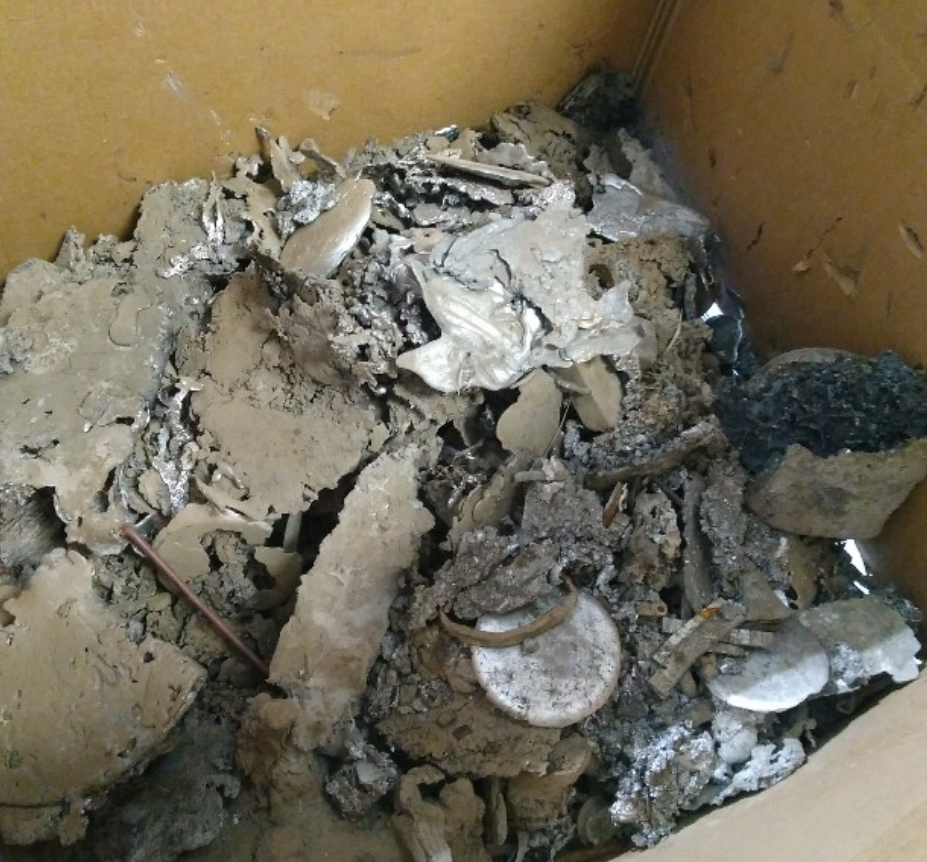
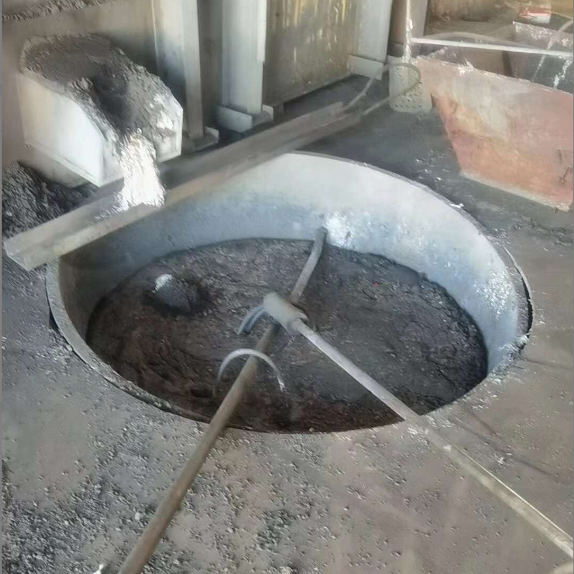
Common Lead Slag

Common Classification

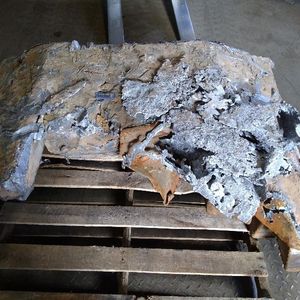
Lead slag can be classified based on its source, composition, and position in the smelting process. Two common classifications are top slag and bottom slag, which differ in their formation position and properties during the smelting process:
1. Top Slag:
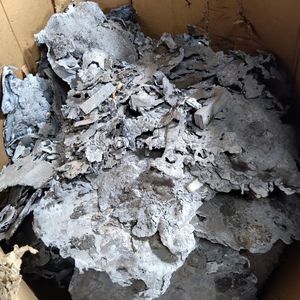
- Top slag is a lightweight slag that forms on the surface of the smelting furnace and floats on top of the molten metal.
- This type of slag mainly consists of oxides, including lead oxides and other metal oxides such as iron and zinc.
- The lead content of top slag is relatively low, as it primarily contains difficult-to-reduce oxides.
- During the smelting process, top slag serves as a protective layer to prevent the molten metal from oxidizing and absorbing impurities.
2. Bottom Slag:
- Bottom slag is a dense slag that settles at the bottom of the smelting furnace due to its high density.
- This type of slag may contain a higher proportion of metals, including a higher lead content, as it comes from the direct cooling and solidification of metals.
- The composition of bottom slag can be more complex, potentially containing unreacted minerals, metal sulfides, metal silicates, etc.
- Bottom slag is generally harder and more difficult to process than top slag.
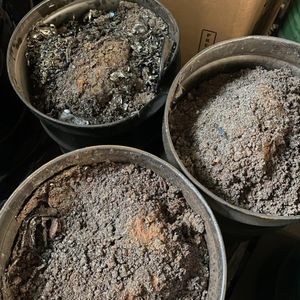
During the recycling process, top and bottom slag require different treatment methods. Since bottom slag has a higher lead content, it is usually the primary source for lead recovery. Processing may involve physical methods such as crushing, screening, and magnetic separation to separate the recoverable metals, followed by smelting or chemical methods to extract lead and other valuable metals. Top slag may require additional processing steps to extract its lower lead content.

Float Slag from Lead Reverberatory Furnace

Common Sources

Lead slag is a common industrial waste generated during the processing and production of lead, typically occurring in the following stages:
1. Smelting stage: The lead-containing raw materials (such as lead ore, waste lead-acid batteries, and iron-containing lead waste) are heated to a certain temperature, causing the lead and other metals to transform from solid to liquid state. In this process, some impurities that are insoluble in lead form slag.
2. Refining stage: The extracted liquid lead is further purified through chemical or electrochemical methods to remove impurities and improve the purity of the lead. The impurities removed during the refining process also form slag.

Value Points

Bottom slag has a higher lead content, and the lead content data can be provided by handheld spectrometers, spectral detection, smelting detection, and other methods.

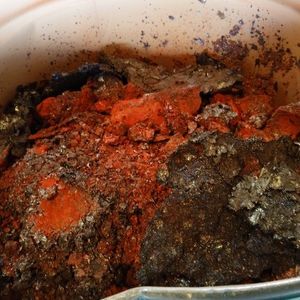
Iron Impurities Recovered from Bottom Slag

Processing Methods

Before using lead slag to produce recycled lead, it is necessary to process the slag through complex, multi-step treatments to extract lead and remove unwanted impurities. The following is a general overview of the steps involved:
- Manual sorting: Remove large impurities (such as plastics and rubber) from the slag manually or mechanically, then crush and screen the slag to obtain a uniform particle size.
- Magnetic separation: Use a magnetic separator to separate iron and other magnetic impurities from the slag.
- Gravity separation: Separate the denser metal particles from the slag by suspending them in water and utilizing density differences.
- Flotation separation: Use specific chemical reagents to attach lead particles to air bubbles and separate them from other impurities through flotation.
- Heat treatment: Heat the slag to a high temperature to melt the lead, allowing it to be separated without melting most of the impurities.

Detection Methods

Matching Direction

Factories with lead slag processing capabilities

Special Attention

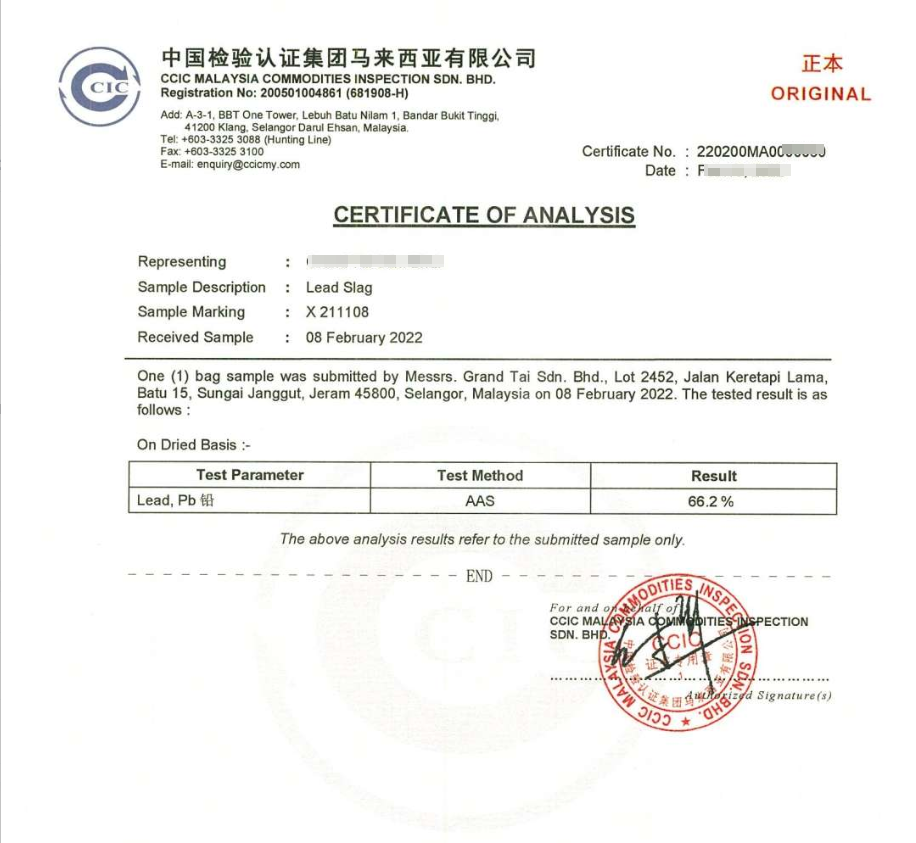
When buying and selling lead slag, it is essential to have a chemical analysis report to facilitate pricing and quality control.

Chemical Analysis Report of Lead Slag Recovered from Bottom Slag

Gallery

Lead slag
Lead slag
Lead slag
Lead slag
Lead slag
Lead slag
Lead slag
Back to Parent Category