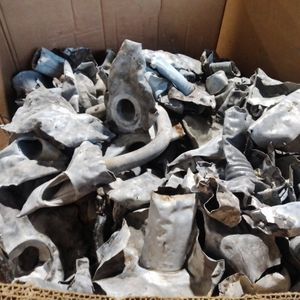
Soft lead

Scrap Wiki

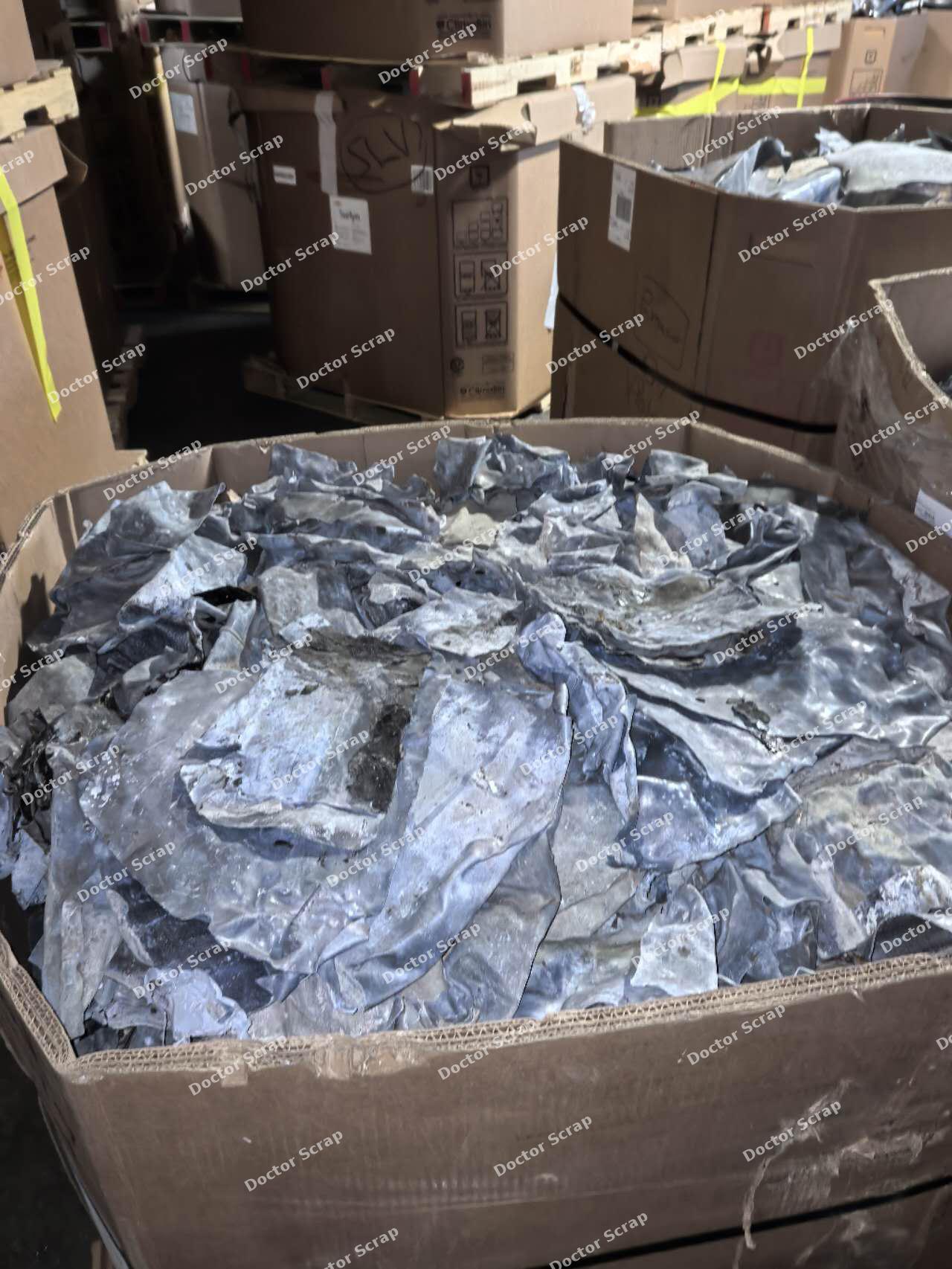
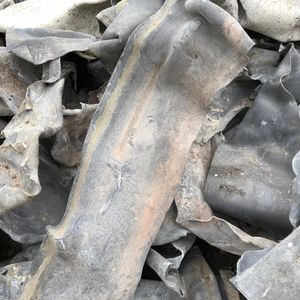
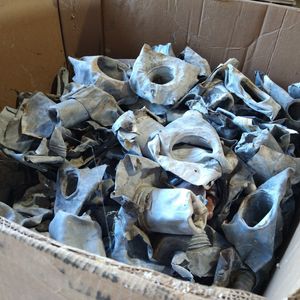
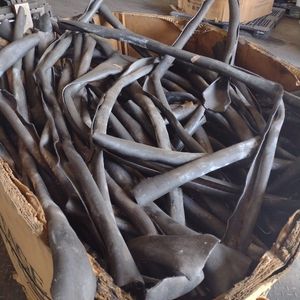
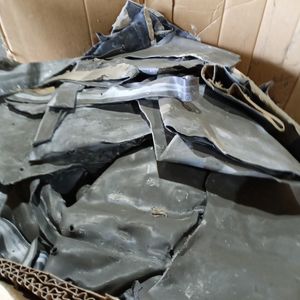
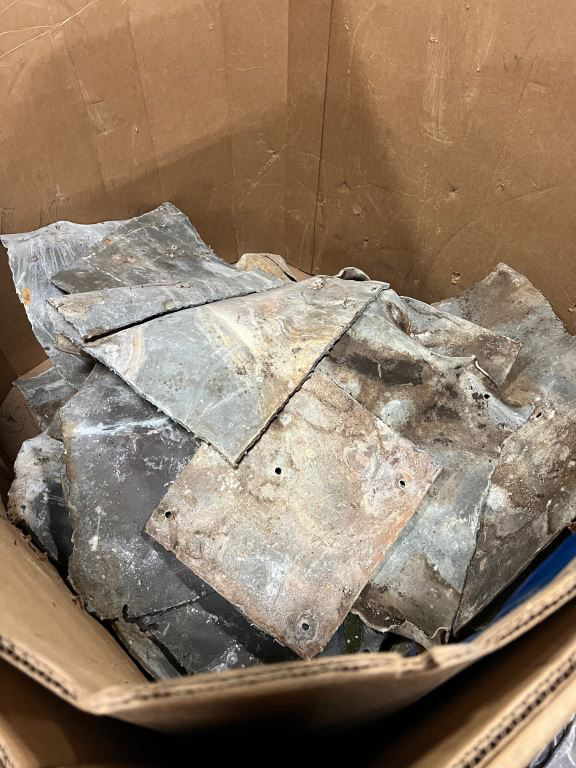
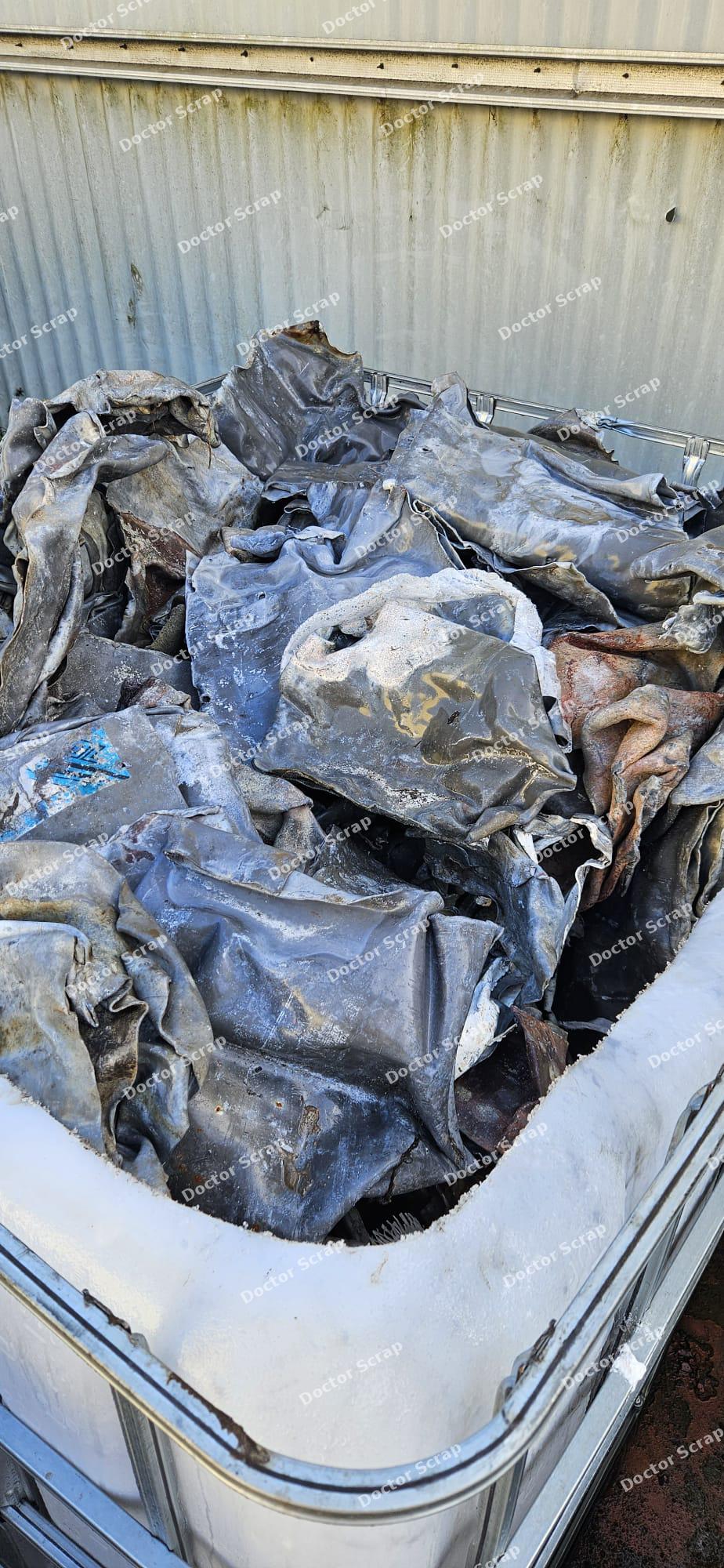
Soft lead refers to the outer lead sheath between the lead and copper in lead-copper wires or cables, which is collected separately after being stripped away. This lead sheath is soft and malleable with good ductility. Its function is to enhance the durability and protective properties of the cable, making it resistant to corrosion, moisture, and temperature changes. The lead content in this sheath is extremely high, typically between 99% and 99.9%. Some are made using forward manufacturing, with lead content above 90%.

Soft lead accounts for approximately 20%-40% of the weight in lead-copper wires, depending on the specific cross-sectional features of the cable. Generally, cables with higher protection requirements, higher transmission voltages, and stronger durability requirements will have a higher lead content.
Common Classification

Soft lead does not have secondary classifications.

Common Sources

Soft lead is derived from stripping lead-copper wires, so the sources of soft lead scrap often stem from scrap processing plants that specialize in the recycling and stripping of lead-copper wires. These scrap processing plants are predominantly found in Southeast Asia, the Middle East, and other regions, which are also major production areas for soft lead.

Value Points

The value of soft lead lies in its high purity of lead and its overall lack of impurities, requiring no further processing. It can be directly remelted and used as a high-quality industrial raw material, akin to prime material. Its price is approximately 92%-93% of the LME price.

Processing Methods

The processing method for soft lead is direct remelting in a furnace to produce recycled lead ingots and other lead products.

Detection Methods

The detection of soft lead primarily involves handheld XRF spectroscopy to analyze the purity of the lead. Common soft lead has a lead content of over 99%, but occasionally there may be lead alloys with around 90% lead content, which requires vigilance.

Matching Direction

Matching it to a production plant for recycled lead is the most suitable option. Geographically speaking, lead prices in India are more advantageous worldwide. China does not allow the import of overseas lead scrap.

Special Attention

Soft lead should be particularly concerned about the presence of impurities. Generally, soft lead should not contain any non-metallic impurities. However, in some cases, residual layers of adhesive or insulation from the stripping process may remain on the surface of the soft lead, reducing the metal recovery rate or causing heavy smoke during production.
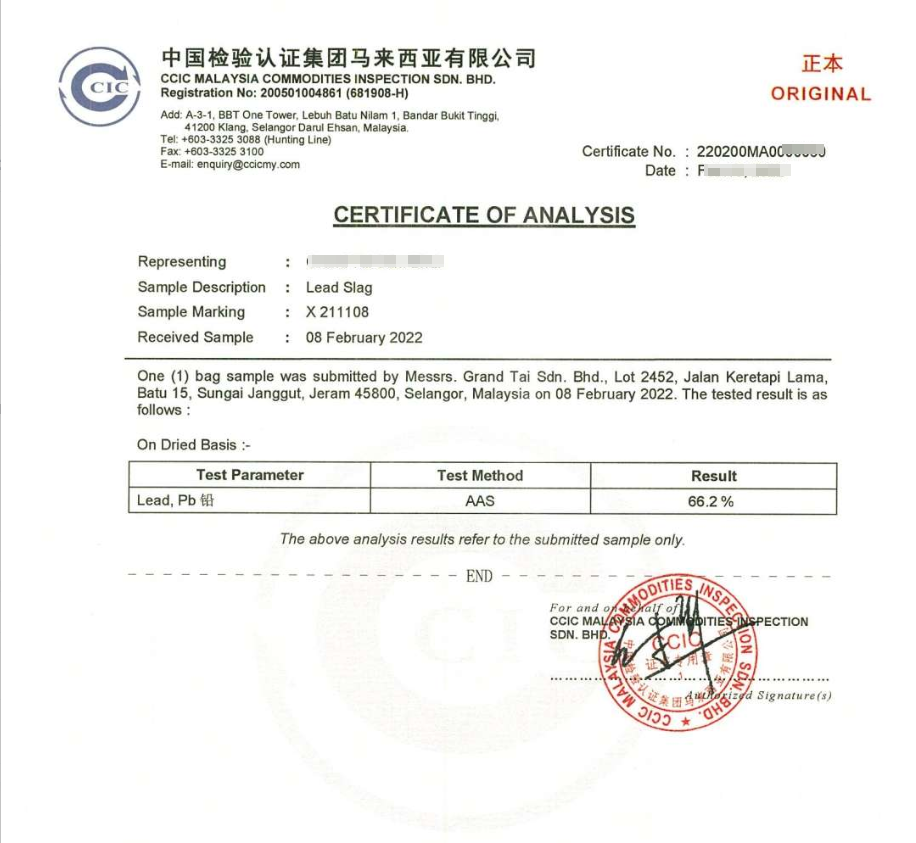
The following image is a lead dross inspection report retrieved from the bottom lead dross.

Lead Dross Inspection Report

Gallery

Soft lead
Soft lead
Soft lead
Soft lead
Soft lead
Soft lead
Soft lead
Back to Parent Category