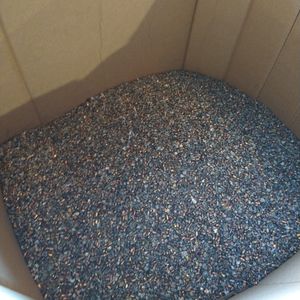
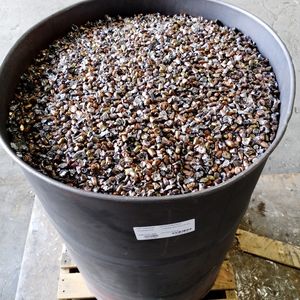
Range lead

Scrap Wiki

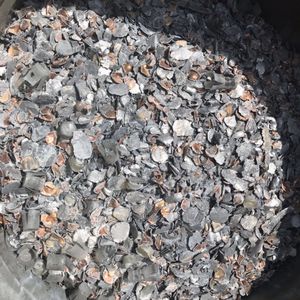
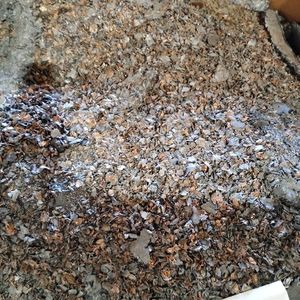
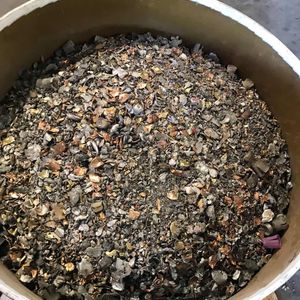
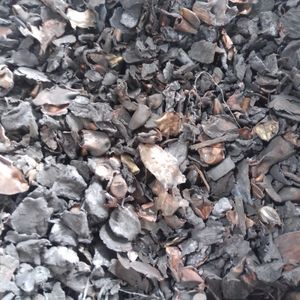
In bullet waste, the bullet head part often contains lead. Traditional bullet heads are mostly made of lead due to its high density, which provides good kinetic energy and penetration. The bullet head may be wrapped in copper or other metals, but the core is still lead or lead alloy. This waste is called "bullet lead".
In addition, in the waste shells collected after shooting training or shooting competitions, although the shells are usually made of brass, the waste shells may still carry small amounts of lead residue, which comes from the lead vapor deposited during the shooting process.
The lead content of bullet lead waste may vary depending on the manufacturer and purpose, but traditional lead bullets are almost entirely made of lead, possibly containing more than 95% lead. In some bullets, lead may be alloyed with other metals (such as antimony) to increase hardness and strength, but lead is still the main component.
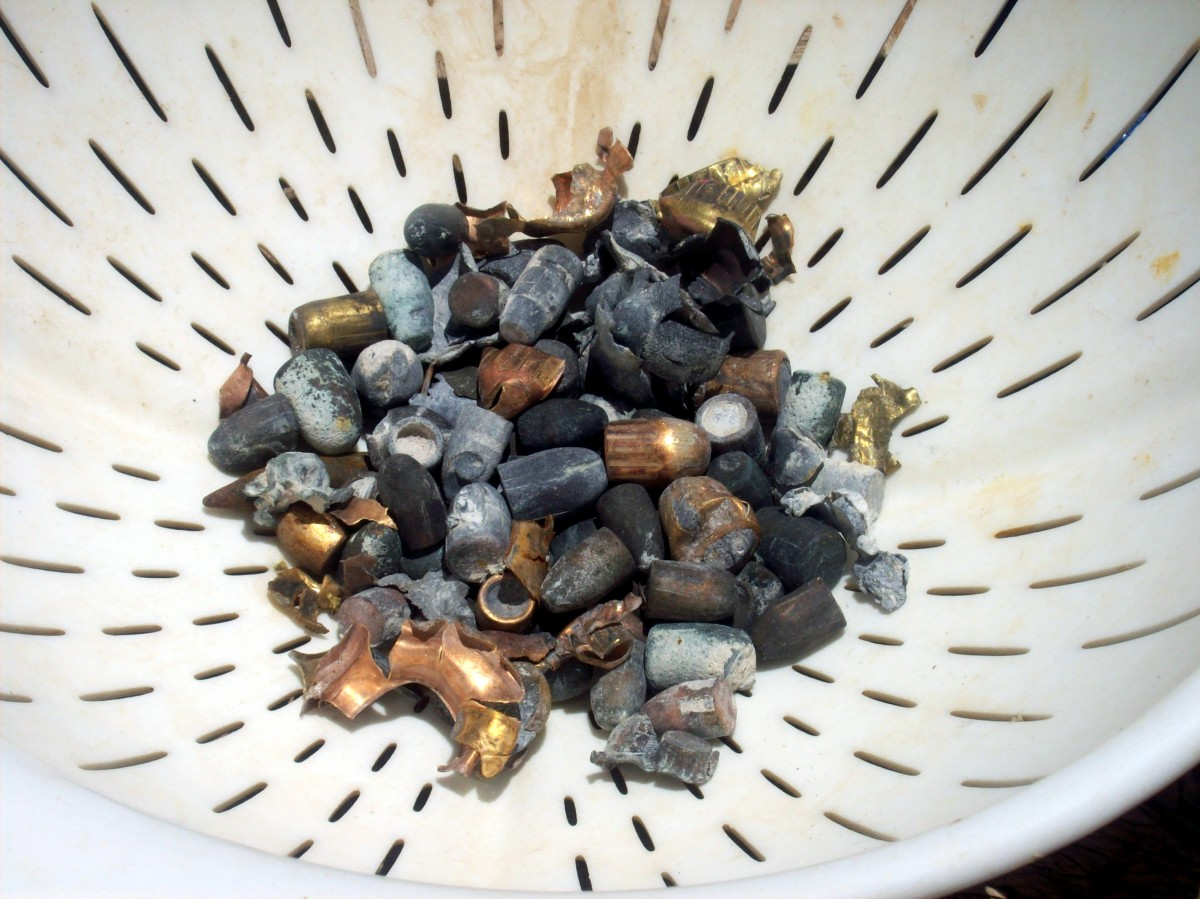
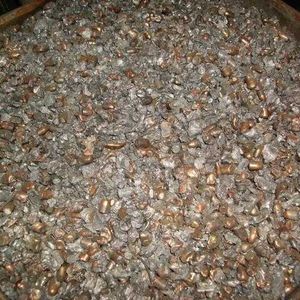
Bullet lead has pure lead heads and copper-clad heads

Common Classification

Bullet lead is often divided into indoor bullet lead waste and ordinary (outdoor) bullet lead waste.
The main difference between indoor and ordinary bullet lead waste lies in their design and purpose.
1. Indoor Bullet Waste (Indoor Shooting Ammunition):
Indoor shooting ranges often use specially designed ammunition due to ventilation and lead exposure issues. These ammunitions may be of the following types:
* Copper-plated or full metal jacket (FMJ) bullets: These bullets have a lead core completely wrapped in a thinner metal shell, reducing lead dispersion during shooting.
* Lead-free or lead-alternative bullets: Some indoor shooting ranges may require the use of bullets that are completely lead-free, such as those made of tin or other metal alloys.
* Friction-reducing bullets: These bullets are designed to reduce lead deposits in the gun barrel, possibly with special coatings like Teflon.
2. Ordinary Bullet Waste (Outdoor Shooting or Other Purposes Ammunition):
Ordinary lead bullets are usually designed for outdoor shooting and may include various types of lead bullets, such as:
* Bare lead bullets (Lead Round Nose, LRN): These bullets are completely made of lead, without any coating or shell.
* Semi-jacketed bullets: These bullets have a lead core partially wrapped in a metal shell, with the lead exposed at the tip or base.
Since indoor shooting requires stricter environmental control measures, indoor ammunition is often designed to minimize lead exposure risks. In contrast, outdoor shooting conditions are more relaxed, allowing for the use of various types of lead bullets.

Common Sources

Bullet lead is a common non-ferrous metal waste in Europe and America, especially in the United States, due to the high number of civilian-held guns. Places that can stably produce bullet lead waste include military bases, police departments, shooting training grounds and ranges, hunting clubs, gun shops, and ammunition stores, as well as individual bullet lead directly handled at waste recycling centers, and then processed by these places.

Value Points

Bullet lead, as a high-purity lead waste, is quite popular. It also often contains brass components, which can increase its value.

Processing Methods

Regular bullet lead does not require special pre-treatment and can be directly processed through smelting.

Detection Methods

Matching Direction

Special Attention

Bullet lead, being a sensitive military waste, is strictly prohibited from importation in some countries, such as China, Thailand, and Malaysia.

Gallery

Range lead
Range lead
Range lead
Range lead
Range lead
Range lead
Range lead
Back to Parent Category