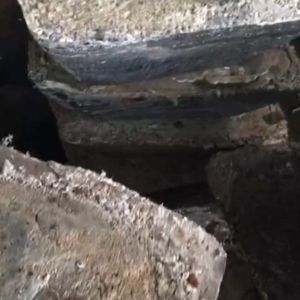
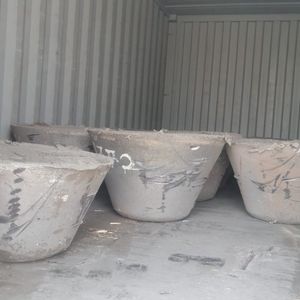
Remelted lead ingots

Scrap Wiki

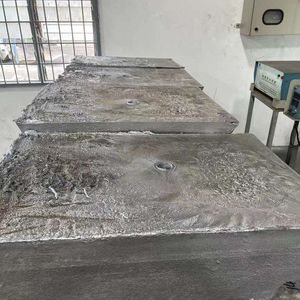
Remelted lead ingots, also known as secondary lead ingots, refer to the process of melting and casting recycled lead or secondary lead materials into lead ingots for further processing and manufacturing various lead products. Remelted lead ingots are an important raw material in the lead industry, widely used in the production of lead alloy castings and other products.
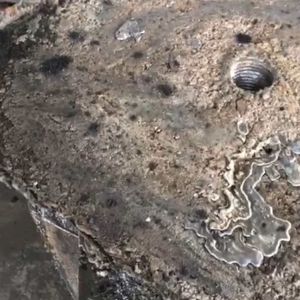
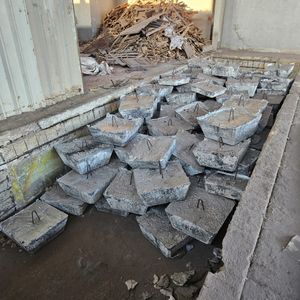
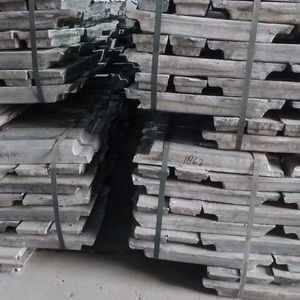
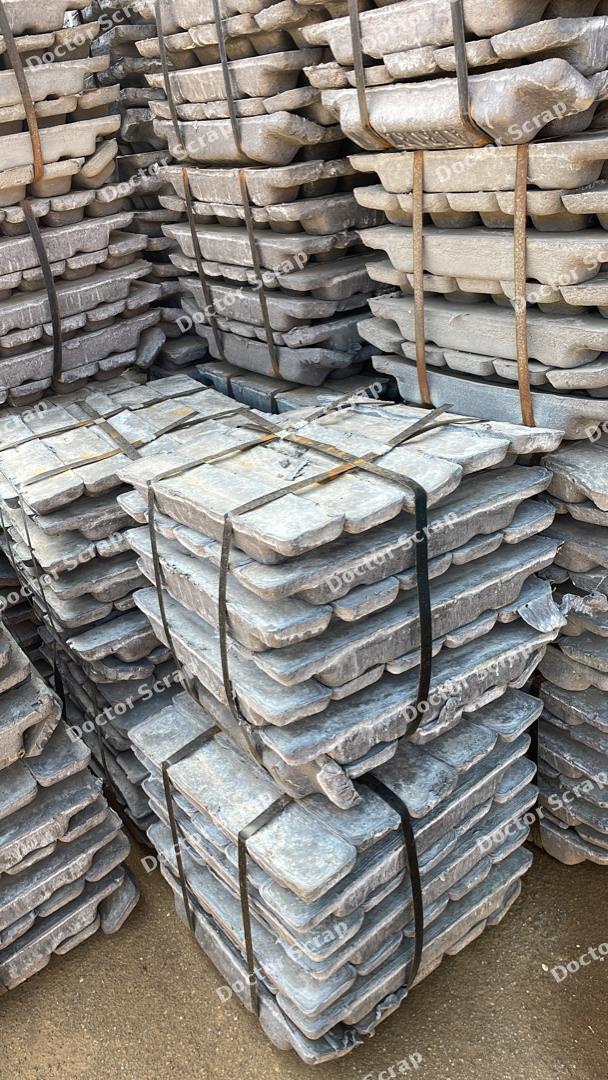
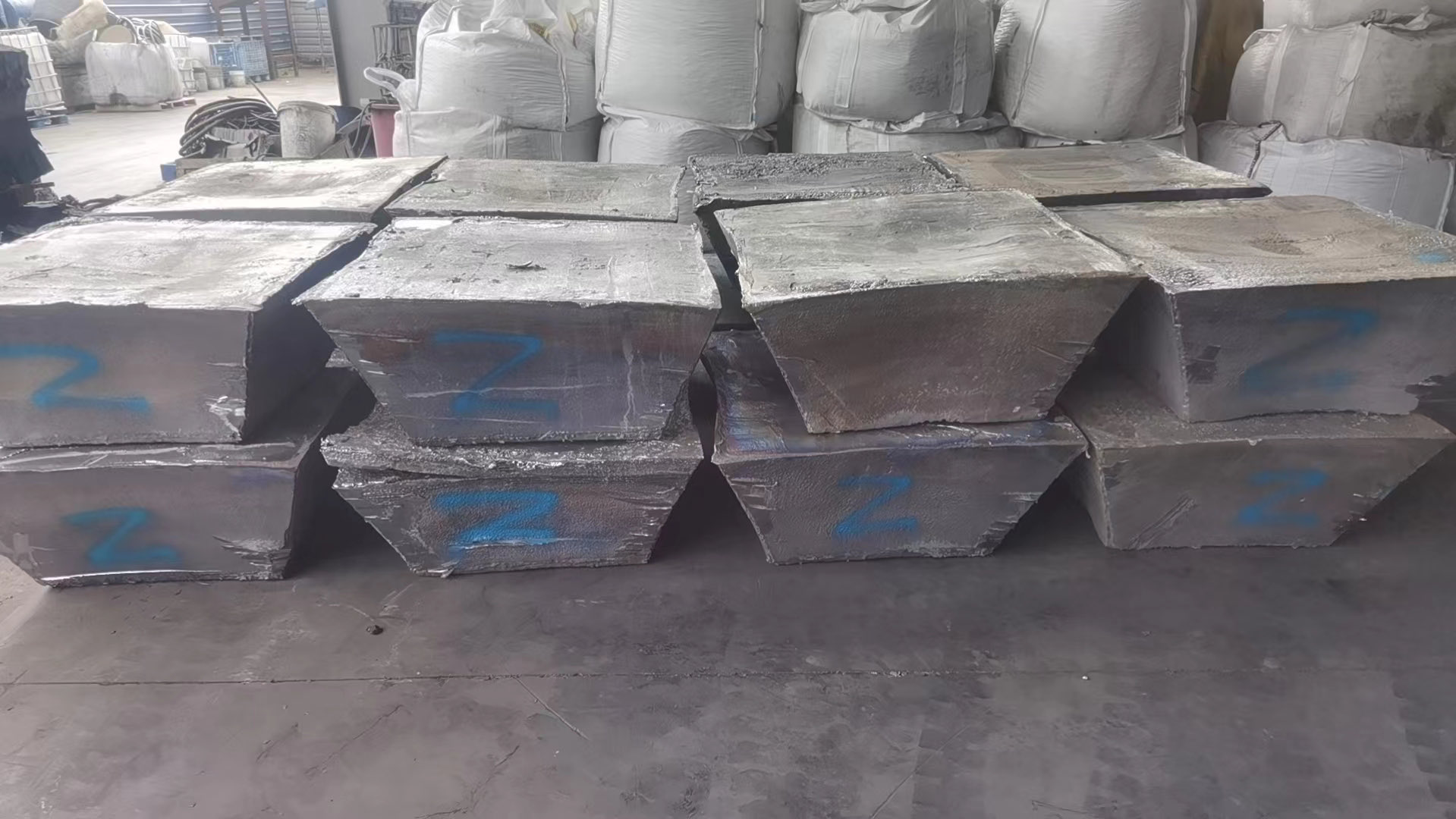
Below are images of various specifications of remelted lead ingots:
Common Classification

Common Sources

Remelted lead ingots typically come from recycling facilities or processing plants with smelting capabilities, primarily focusing on lead-acid batteries.

Value Points

The value of remelted lead ingots lies in:
1. More cost-effective compared to primary lead
2. Energy-efficient and environmentally friendly
3. Flexibility in layout, not relying on ports or energy infrastructure

Processing Methods

Detection Methods

Spectroscopic detection

Matching Direction

Various lead processing enterprises

Special Attention

Some remelted lead ingot manufacturers have smaller production scales, using furnaces with capacities of only a few tons or even less than one ton. As a result, the lead ingots produced may not meet elemental standards, leading to significant differences in elemental composition between ingots, affecting their usage value. Larger furnaces tend to produce lead ingots with more stable elemental composition, resulting in higher value.
Additionally, the production process of remelted lead ingots inevitably generates slag, which is an unmelted impurity. Therefore, it is common to specify the upper limit of slag content in lead ingot transactions, referred to as the "slag rate".

Gallery

Remelted lead ingots
Back to Parent Category