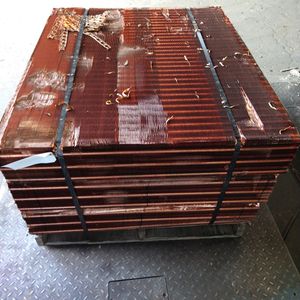
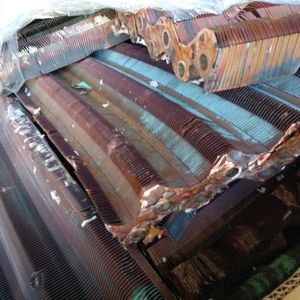
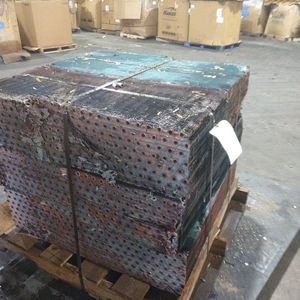
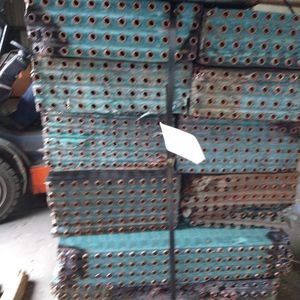
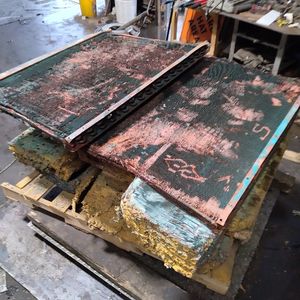
Copper radiator

Scrap Wiki

The car radiator is a critical component in the vehicle's cooling system, primarily used for heat dissipation. It absorbs heat generated by the engine through a circulating coolant (a mixture of water and antifreeze) and transfers this heat to the air, thereby lowering the coolant's temperature. The car engine necessitates operation within a certain temperature range to maintain optimal performance and efficiency. The radiator assists in maintaining this temperature range, preventing engine damage due to overheating.
The basic working principle of a car radiator: 1. The coolant circulates through the engine, absorbing its heat. 2. The heated coolant then flows into the radiator, where the heat is transferred to the air passing over the radiator fins. 3. The radiator is typically positioned at the front of the vehicle to allow air to flow through the radiator grille over the fins, assisting in cooling. 4. When the vehicle is stationary or driving at low speeds, a fan will activate to force air over the radiator, ensuring cooling efficiency.
Radiator components are frequently encountered in the scrap industry. The main materials include pure copper, brass, and copper-aluminum radiators. Notably, pure copper radiators were more common in older cars, whereas with the advancement of modern industry and automotive technology, an increasing number of radiators are manufactured using plastic tanks combined with aluminum heat exchangers. This design is cost-effective, lighter, and suitable for mass production. Additionally, plastic tanks are easily molded, accommodating complex design requirements. Today, pure copper radiators are less common, typically seen in mechanical and high-performance race cars to enhance heat dissipation and durability.
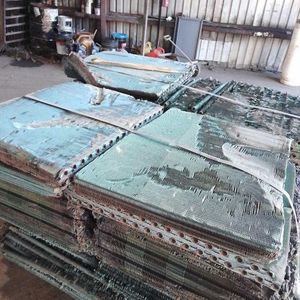
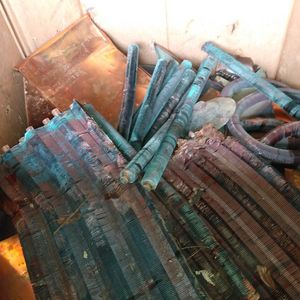
Common Classification

None

Common Sources

Scrapped car radiators primarily originate from auto salvage yards, auto repair shops, and automobile recycling centers. Auto salvage yards will certainly remove high-value car radiators for separate packaging and sale; auto repair shops have numerous damaged, unreparable radiators; and auto recycling centers will dismantle cars that cannot be sold second-hand for parts. Speaking categorically, pure copper radiators mainly come from older cars and ultra-luxury vehicles or heavy-duty trucks.
Geographically, regions with high population density and high average car ownership yield a larger output of scrap car radiators, such as the United States, Europe, and Japan.

Value Points

The main material of the purple copper radiator is purple copper, which has the highest unit price. Therefore, its value points are as follows: first, the content of non-metallic impurities must be as low as possible, with fewer attachments. Such as dirt, sand, water, etc., significantly impacting its value; second, carefully inspect impurities such as brass, aluminum, and iron. The connections and installation parts of the radiator often have iron components or screws, requiring careful inspection.

Processing Methods

Processing of scrap car radiators involves the following steps:
1. Sorting
Different materials of car radiators should be sorted into brass, copper-aluminum, and pure aluminum radiators to maximize their value. Sorting primarily relies on visual recognition: Brass radiators typically have a golden yellow appearance because brass is an alloy of copper and zinc. Their appearance is brighter than aluminum. Copper-aluminum radiators feature a reddish-brown color in the parts made of purple copper (usually the tubes) and a silver-white color in the parts made of aluminum (typically the fins). The contrast in color helps identify these two different metals. The entire aluminum radiator, including the tubes and fins, is silver-white. Because radiators often have a heavy surface dirt, gently scraping the metal surface can reveal the underlying metal, making it more apparent to distinguish the material. Brass appears yellow, while aluminum remains silver.
In short, purple copper radiators are distinguishable by appearance and overall weight, making them relatively easy to identify.
2. Disassembly
Prior to processing, the radiator must undergo thorough and detailed disassembly to separate the metal and non-metal parts (such as plastic, rubber hoses, and sealing strips) of the tank structure. Simultaneously, non-ferrous metals and iron should be separated, as they significantly impact the price of the primary material. The head of the radiator often contains more iron impurities, requiring strict separation. The head of a purple copper radiator is also purple copper, while aluminum radiators, especially those in newer cars, often use plastic tank heads.
3. Crushing + Machine Sorting or Manual Disassembly
The next step depends on equipment conditions and labor costs. Some factories with crushing and complete sorting production lines will thoroughly crush the radiators from which the exterior attachments have been removed. Following this, they use flotation, throwing selection, and other equipment to completely separate the purple copper from other impurities. Without corresponding crushing and sorting equipment, manual disassembly is the only option. The general disassembly method involves removing the heat exchanger tubes and stripping the fins one by one.
4. Melting or Sale
At this point, the scrap radiator processing yields primarily crushed purple copper. It is now in a condition suitable for sale as non-ferrous scrap metal. They can be sold directly. Alternatively, if the conditions permit, they can be melted for direct use in production.

Detection Methods

Note: The detection methods for scrap car radiators typically involve visual inspections, weight measurements, and possibly X-ray fluorescence (XRF) analysis to determine the exact material composition. This information should be clarified and agreed upon before any transaction to ensure quality and prevent disputes.

Matching Direction

Scrap car radiators are suitable for sale to the following types of customers:
1. Manual Scrap Disassembly Plants. These facilities use manual labor for scrap disassembly. They are more willing to purchase dismantled brass radiators and copper-aluminum radiators, with lower interest in aluminum radiators. Given the same labor costs, brass radiators and copper-aluminum radiators produce higher values.
2. Crushing and Sorting Plants. These facilities utilize machinery for crushing and sorting. They are willing to purchase all types of scrap car radiators. Even though aluminum radiators have lower values, they can still create added value through the production of aluminum shavings with low costs after crushing and sorting.

Special Attention

When purchasing scrap car radiators, the following points should be noted:
1. With Impurities / Without Impurities
Generally, scrap car radiators come with impurities, including metal impurities such as iron tank heads and installation brackets, and non-metal impurities like sealing strips. Agreeing on whether the radiators contain impurities, and whether they include iron impurities, is crucial information for transaction communication.
2. Clean / Dirty
A significant amount of dirt in car radiators is normal and widespread, with dirty radiators typically containing 2-3% dirt. However, some car radiators are sold in a clean state after cleaning. This should be specifically noted and agreed upon in transactions.
3. Material Clarity
When trading in scrap car radiators, it is crucial to ensure that low-value brass, copper-aluminum, and pure aluminum radiators are not mixed with high-value purple copper radiators. There are significant visual differences between different radiator materials. Mixing pure aluminum radiators into purple copper radiators is often a malicious act.

Gallery

Copper radiator
Copper radiator
Copper radiator
Copper radiator
Copper radiator
Copper radiator
Copper radiator
Back to Parent Category