Scrap Wiki

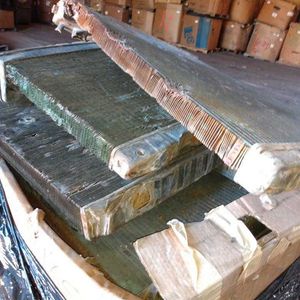
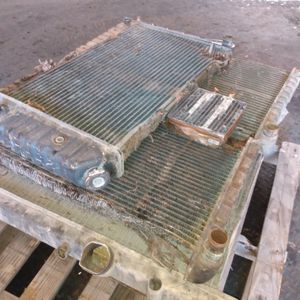
The brass radiator, also known as the brass cooler, consists of a copper pipe and a brass heat sink. This heat sink was very common in the past due to its excellent corrosion resistance and thermal conductivity. They are mainly installed on old vehicles or some specific commercial vehicles, heavy vehicles. In modern vehicles, the use of brass radiators has become quite rare, mainly due to their high cost and weight.
C26000 (also known as "copper number 260" or "70-30" brass) is a common brass number used to manufacture brass radiators. It is a type of copper alloy that provides both good thermal conductivity and corrosion resistance. Brass radiators may also contain small amounts of other elements, such as lead (Pb), typically no more than 3%, to improve casting and machining properties. However, due to the toxicity of lead, modern radiator design and manufacturing tend to reduce or avoid the use of lead-containing alloys.
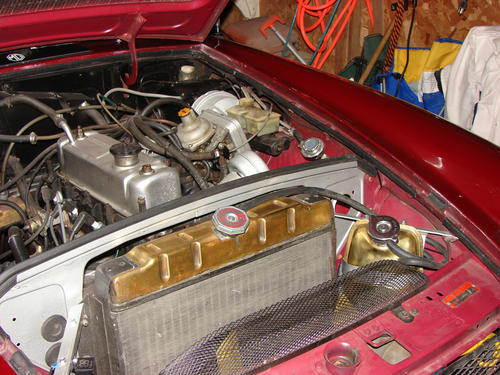
High-end vehicle brass radiator
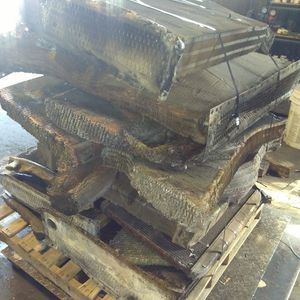
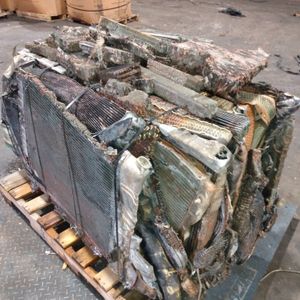
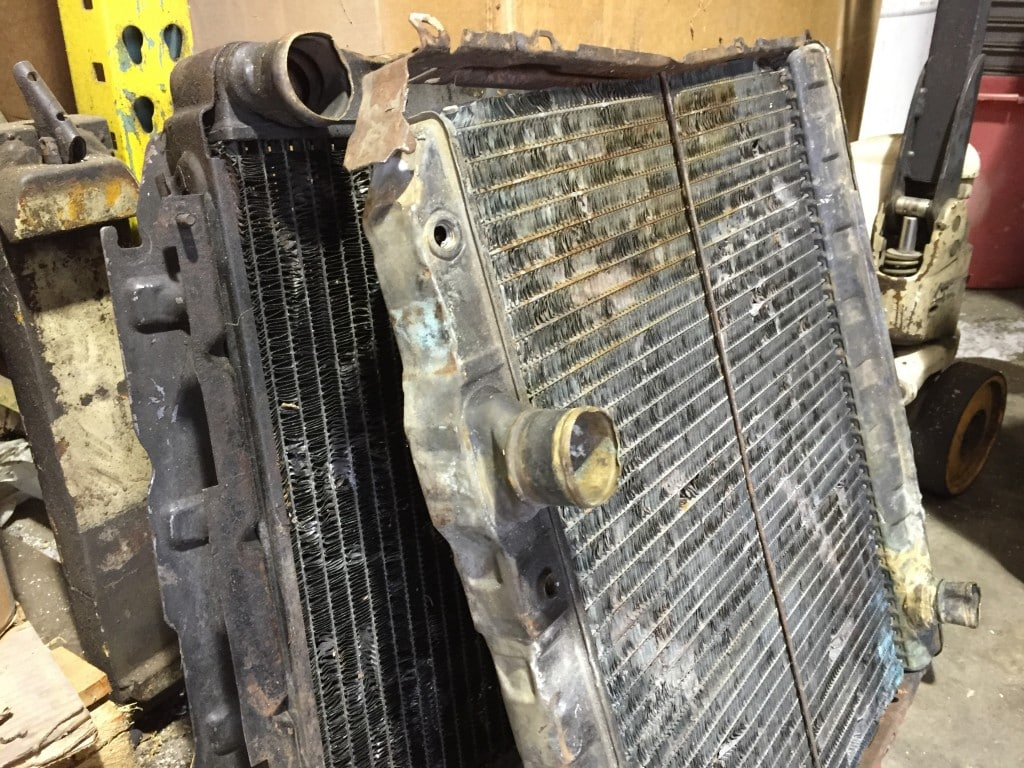
Scrapped brass radiator

Common Classification

Common Sources

Mainly sourced from old vehicles, high-end luxury vehicles, or heavy vehicles.

Value Points

The main materials used in brass radiators are brass and copper, both of which have high prices. Therefore, the value points of brass radiators are:
1. Non-metallic impurities should be minimized, with few attachments. Mud, sand, water, and other impurities can greatly affect the value.
2. Carefully inspect for iron impurities, as the connections and installation parts of the radiator often have iron components or screws.

Processing Methods

  1. Sorting: Separate the brass radiators from other types of radiators, such as copper-aluminum and pure aluminum radiators, to maximize their value. Brass radiators typically have a golden color due to the copper-zinc alloy.
  2. Dismantling: Separate the metal and non-metal parts (such as plastic, rubber hoses, and sealant strips) from the radiator structure. These parts can greatly affect the price of the main material. The header of the radiator often has more iron impurities, which need to be strictly separated. The header of the brass radiator is also often made of brass.
  3. Crushing + machine sorting or manual disassembly: Depending on the equipment conditions and labor costs, some factories with crushing and complete sorting production lines will crush the radiators after removing the external attachments, and then use flotation or shaking tables to separate the crushed brass and copper pipes. If there is no crushing and sorting equipment, manual disassembly can be performed. The disassembly method is to remove the heat sink pipes and then peel off the heat sink sheets from the pipe body.
  4. Melting or selling: At this point, the crushed brass and copper pipes can be sold as scrap metal products or melted and reused.

Detection Methods

Matching Direction

Common matching directions include:
1. Manual scrap disassembly plants
2. Crushing and sorting plants

Special Attention

  1. With or without impurities
    Generally, scrapped brass radiators will have impurities, including metal impurities (such as iron headers and iron installation brackets) and non-metal impurities (such as sealant strips). Whether or not to include impurities, especially iron impurities, is an important information to communicate during transactions.
  2. Clean or dirty
    Brass radiators often have a large amount of mud, which is a normal and common situation. Dirty radiators usually have 2-3% mud. However, some automotive radiators may be sold in a clean state after cleaning. This should be specifically noted and agreed upon during transactions.
  3. Material must be clear
    Different materials have different prices, and transactions should ensure that low-value pure aluminum radiators are not mixed with high-value brass radiators. Different materials have distinct differences in appearance, and mixing in pure aluminum radiators is often a malicious act.

Gallery

Ocean
Ocean
Ocean
Ocean
Ocean
Ocean
Ocean
Back to Parent Category