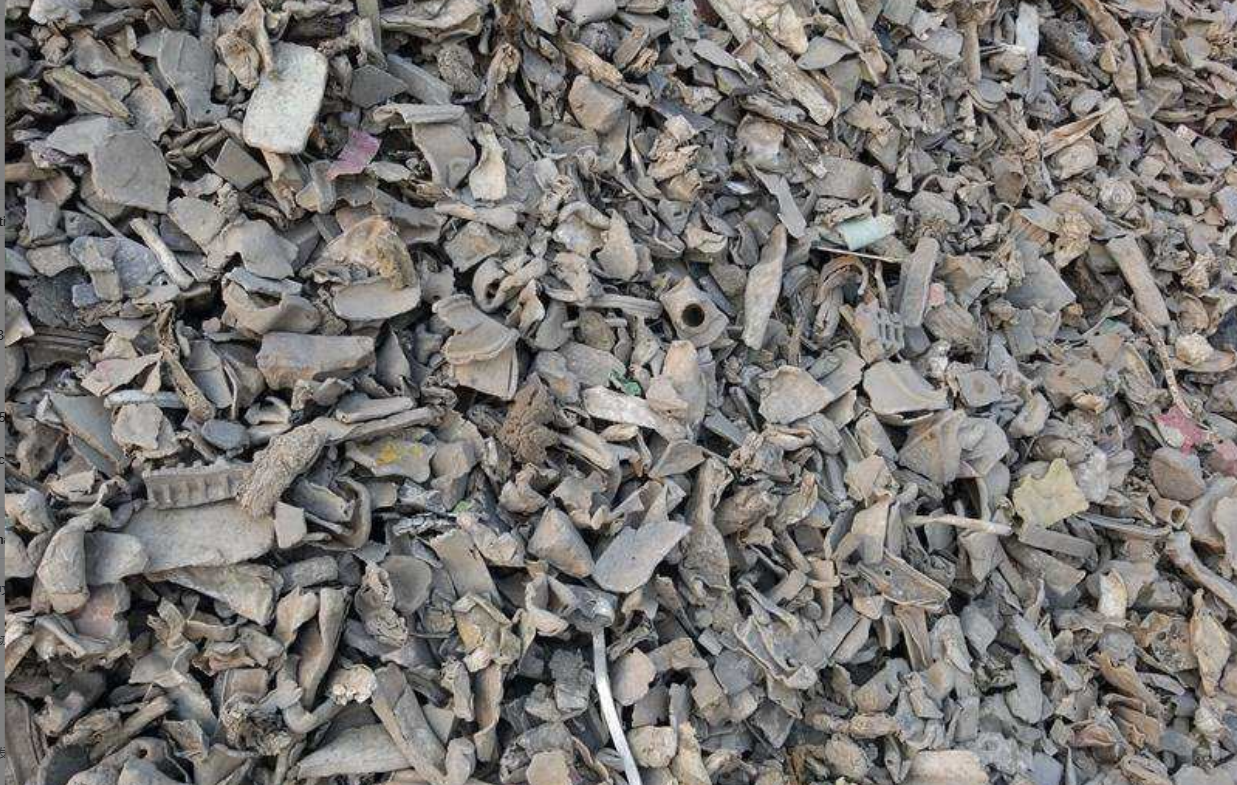
Zorba fines

Scrap Wiki

Shredded metal is a type of mixed-colored metal scrap, mainly composed of aluminum, but also containing other metals such as zinc, brass, copper, and stainless steel.
Small shredded metal (small) generally has a size range of 0mm-5mm, with a lower water rate, typically around 90%, but with a relatively high copper content due to the large amount of broken copper metal. The copper content in small shredded metal can be as high as 5-10%.

Small shredded metal5%-10%

ISRI defines Zorba as: "Shredded, mixed non-ferrous metal scrap (mainly aluminum), consisting of a combination of non-ferrous metals: aluminum, copper, lead, magnesium, stainless steel, nickel, tin, and zinc, in elemental or alloy (solid) form. The percentage of each metal in the non-ferrous scrap must be agreed upon by the buyer and seller. Obtained through eddy currents, air separation, flotation, screening, or other separation techniques or their combination. Passed through one or more magnets to reduce or eliminate free iron and/or large iron contaminants. Does not contain radioactive materials, dross, or ash."
Shredded scrap has an important descriptive method, used to clarify its specifications, which is metal content and copper content, represented as "xx/xx". For example, "95/5" means that the shredded scrap has 95% metal content, and within that, 5% is copper-based metal (also known as red metal or Reds, including brass, bronze, and shredded copper wire).

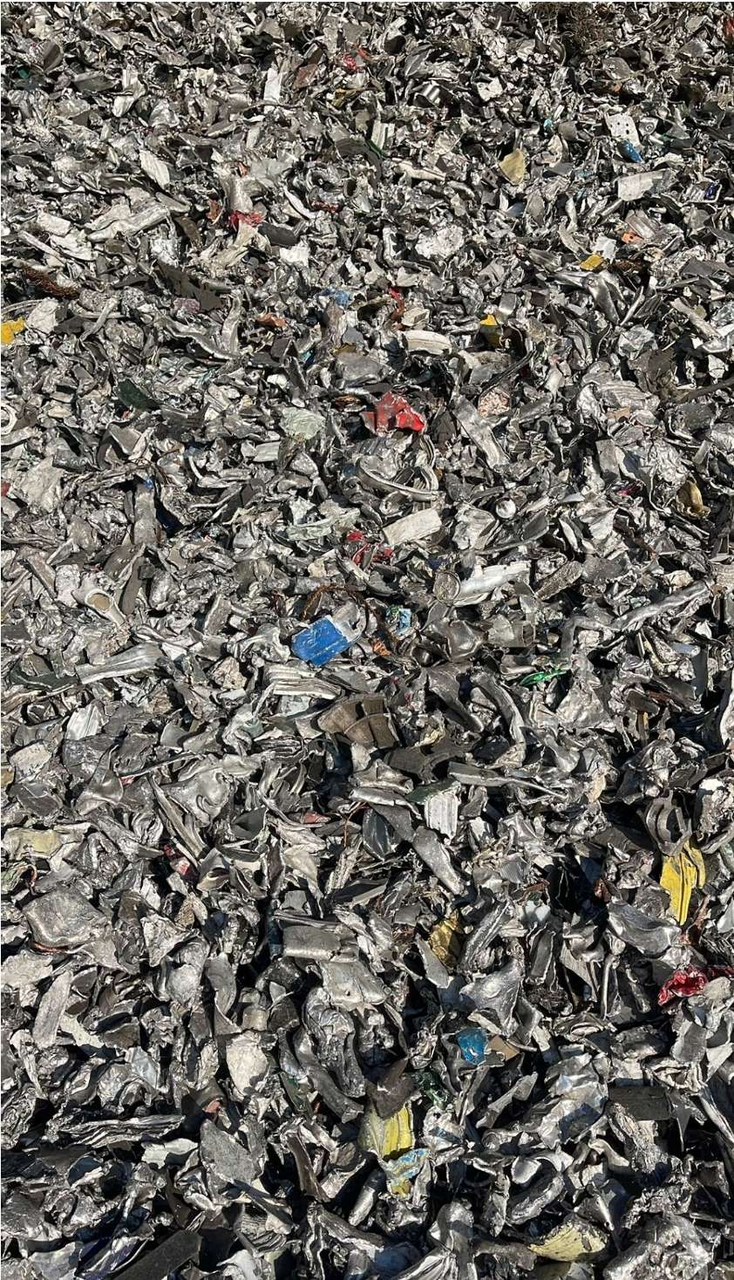
Detailed specifications of shredded scrap

Common Classification

Shredded metal can be classified into two categories based on copper content:
1. High-copper material: Copper content ≥ 5%
2. Low-copper material: Copper content between 1% and 5%
Shredded metal can also be classified into two categories based on metal content:
1. High-spec material: Metal content ≥ 90%
2. Low-spec material: Metal content < 90%

Common Sources

Shredded metal is mainly sourced from car dismantling and crushing factories or other civilian waste crushing factories. The metal content and proportion of shredded metal vary depending on the source. For example, the shredded metal produced by car dismantling and crushing factories has a higher proportion of primary aluminum (cast aluminum) than civilian waste crushing factories.

European scrap has a higher proportion of wrought aluminum
US scrap has a higher proportion of cast aluminum

Value Points

The value of shredded metal lies in its colored metal content, particularly the copper content. Although the copper content is relatively low, its value is higher than that of aluminum. Therefore, it is essential to accurately determine the colored metal content and copper content in shredded metal.

Processing Methods

Shredded metal processing involves several steps:
1. Magnetic separation: Remove iron and other ferromagnetic materials.
2. Flotation: Separate metals based on density using a flotation process.
3. Air separation: Separate metals based on density using an air separator.
4. Hand sorting: Manually sort and separate metals based on their properties.

Detection Methods

The detection of shredded metal involves sampling and analysis. When sampling, it is essential to consider the following factors:
1. Sampling quantity: The quantity of the sample should be sufficient to ensure accuracy but not so large that it becomes impractical.
2. Sampling method: The sampling method should ensure that the sample is representative of the entire batch.
3. Sampling time: Sampling should be done as soon as possible to minimize the impact of oxidation and corrosion on the material.

Matching Direction

Shredded metal can be matched to various processing directions:
1. Sorting and processing enterprises: These enterprises have the necessary equipment and technology to sort and process shredded metal into different products.
2. Smelting and refining enterprises: These enterprises have the necessary equipment and technology to melt and refine shredded metal into different products.

Special Attention

When processing shredded metal, it is essential to pay attention to its metal content and copper content. The copper content is particularly important, as small variations can significantly impact the value of the material.

Gallery

Zorba fines
Zorba fines
Zorba fines
Zorba fines
Zorba fines
Zorba fines
Zorba fines
Back to Parent Category