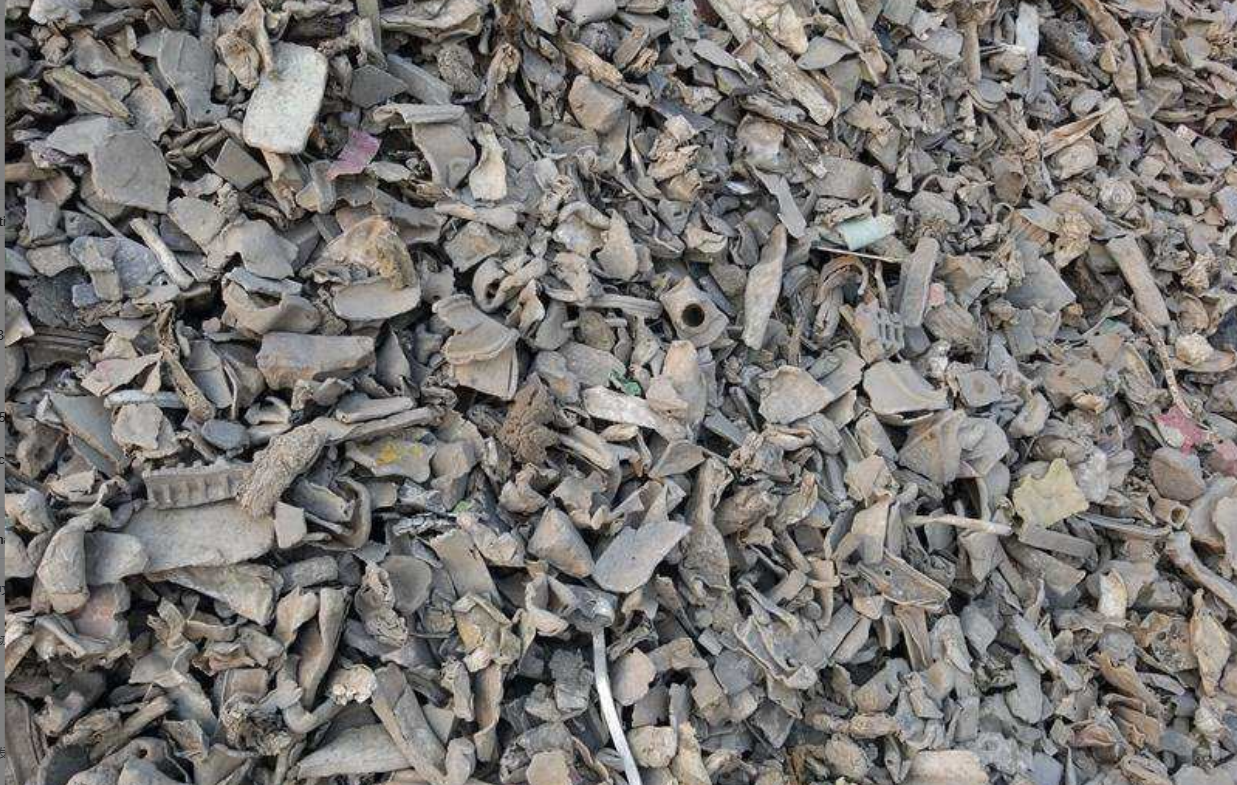
Zorba large

Scrap Wiki

Shredded scrap, also known as shredded metal or Zorba, is a type of mixed, colored metal scrap that is primarily composed of aluminum, but also contains other metals such as zinc, brass, copper, and stainless steel.
Large shredded scrap (also known as large material) typically ranges in size from 10mm to 20mm. This type of scrap generally has a higher metal content and a higher water rate due to its larger size, approximately 92-93%. However, during the processing stage, copper-based metals are easily removed by the sieve, so large material often has a lower copper content, typically not exceeding 3%.

Large shredded scrap has a copper content of no more than 3%

ISRI defines Zorba as: "Shredded, mixed non-ferrous metal scrap (mainly aluminum), consisting of a combination of non-ferrous metals: aluminum, copper, lead, magnesium, stainless steel, nickel, tin, and zinc, in elemental or alloy (solid) form. The percentage of each metal in the non-ferrous scrap must be agreed upon by the buyer and seller. Obtained through eddy currents, air separation, flotation, screening, or other separation techniques or their combination. Passed through one or more magnets to reduce or eliminate free iron and/or large iron contaminants. Does not contain radioactive materials, dross, or ash."
Shredded scrap has an important descriptive method, used to clarify its specifications, which is metal content and copper content, represented as "xx/xx". For example, "95/5" means that the shredded scrap has 95% metal content, and within that, 5% is copper-based metal (also known as red metal or Reds, including brass, bronze, and shredded copper wire).

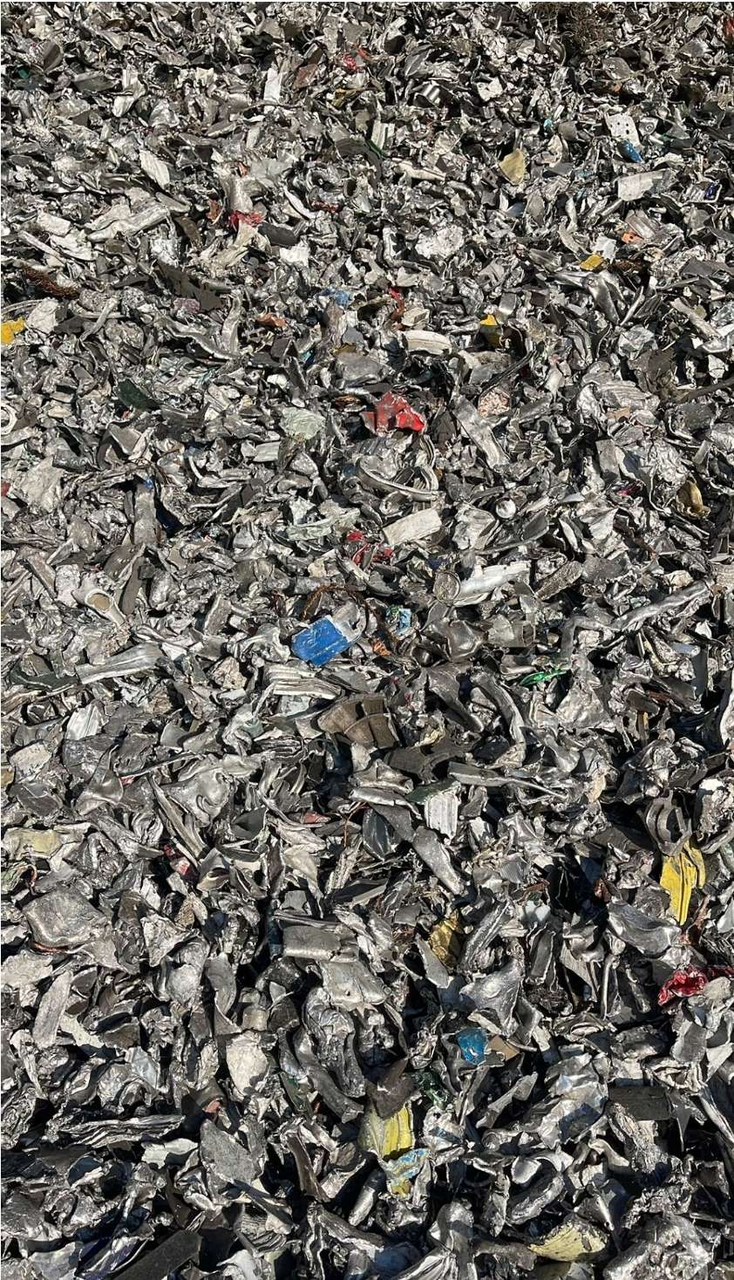
Detailed specifications of shredded scrap

Common Classification

  1. Based on copper content, shredded scrap can be categorized into high-copper and low-copper materials. High-copper materials typically refer to shredded scrap with copper content ≥ 5%. This type of scrap is often medium or small in size. Low-copper materials generally have a copper content between 1% and 5%. This type of scrap is often medium or large in size.
  2. Based on metal content, shredded scrap can be divided into high-grade and low-grade materials. High-grade materials typically have a metal content ≥ 90%. This type of scrap is often cleaner and has fewer contaminants. Low-grade materials typically have a metal content < 90%. This type of scrap may contain more contaminants such as iron, plastics, and wood.

Common Sources

Shredded scrap primarily comes from automobile dismantling and shredding facilities or other municipal waste shredding facilities. Depending on the source, the metal content and ratio may vary. Automobile dismantling and shredding facilities produce shredded scrap with a higher proportion of cast aluminum (cast aluminum) compared to municipal waste shredding facilities. Regional and source differences also lead to variations in metal composition. For instance, in the United States, the ratio of cast aluminum to wrought aluminum is approximately 1:1, while in European scrap, this ratio is around 3:7.

European scrap has a higher proportion of wrought aluminum
US scrap has a higher proportion of cast aluminum

Value Points

The value of shredded scrap lies in its non-ferrous metal content, particularly copper-based metals. Although copper content is relatively low, its value is higher than that of aluminum. Therefore, it is essential to accurately determine the metal content and copper content of shredded scrap. Experienced professionals can estimate copper content within 1% accuracy.

Processing Methods

Shredded scrap processing involves multiple steps, including:
1. Magnetic separation to remove iron and other ferrous metals.
2. Flotation to separate heavier metals like copper, zinc, and stainless steel from lighter metals like aluminum.
3. Air separation to remove non-metallic materials like plastics and wood.
4. Screening to separate materials by size.
5. Manual sorting to separate materials by type.

Detection Methods

Shredded scrap detection primarily involves sampling and analysis. When collecting samples, consider the following factors:
1. Sample size: A larger sample size generally provides more accurate results but may be less efficient.
2. Sampling method: Ensure that the sampling process is representative of the entire material, taking into account the non-uniform distribution of metals.
3. Sampling time: Minimize the time between sampling and analysis to prevent metal oxidation and corrosion, which can affect the accuracy of the results.

Matching Direction

Shredded scrap can be matched with various industries, including:
1. Sorting and processing enterprises that specialize in separating and processing shredded scrap into different metal products.
2. Smelting and refining enterprises that produce aluminum alloys and other metal products from shredded scrap.

Special Attention

When dealing with shredded scrap, it is essential to pay attention to its metal content and copper content. Small variations in copper content can significantly impact the value of the material. To ensure accuracy, it is recommended to:
1. Analyze images of the material to estimate copper content.
2. Review historical data from the supplier or factory to identify trends.
3. Obtain detailed processing data from downstream customers to validate the accuracy of the supplier's data.

Gallery

Zorba large
Zorba large
Zorba large
Zorba large
Zorba large
Zorba large
Zorba large
Back to Parent Category