Aircraft aluminum sheet

Scrap Wiki

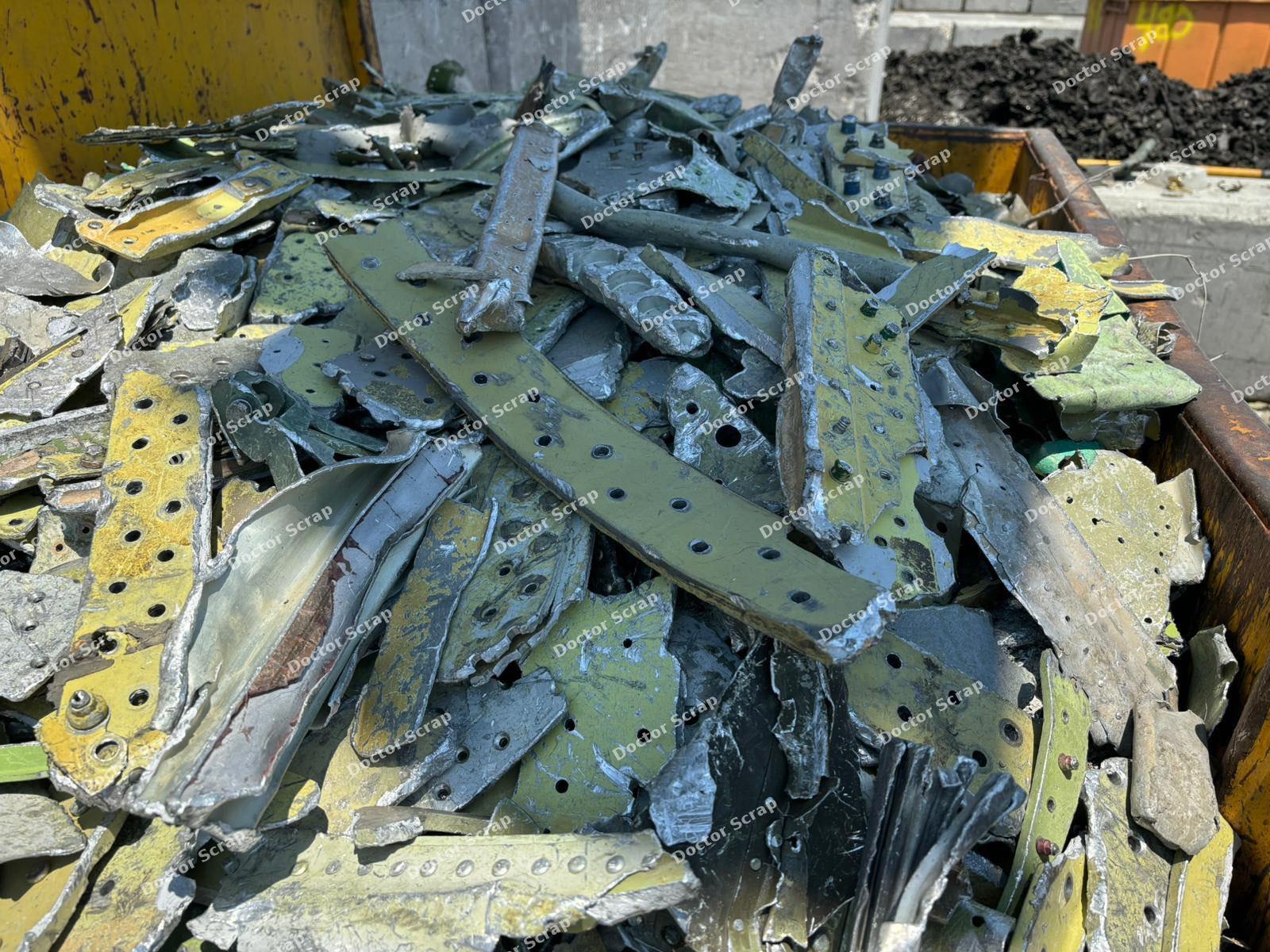
Aircraft aluminum sheets refer to the aluminum alloy sheet waste generated during the dismantling of airplanes, typically coming from the outer skin of large commercial aircraft. A small amount may also come from military aircraft or other types of aircraft and spacecraft.

The aluminum alloy sheets used in aircraft are mainly 6061 series aluminum alloys, known for their good weldability and corrosion resistance. These alloys are widely used in the exterior surfaces of commercial and military aircraft. A small amount of other alloys such as 2024 and 7050 may also be used. In recent years, with the increasing demand for lightweight materials, aluminum-lithium alloys have been increasingly applied in new aircraft models. However, most of these models are still within their service life and have not yet entered the scrap phase.

Common Classification

Aircraft aluminum sheets are classified into the following types:

Aircraft Fuselage Aluminum Sheet: This refers to the aluminum alloy used for the aircraft fuselage skin. This material is generally relatively thin and is mainly made of 6061 aluminum alloy.

Aircraft Interior Aluminum Sheet: This refers to the aluminum alloy used for interior parts, such as the floor. These materials are usually thicker and primarily made of 7050 aluminum alloy.

Aircraft Structural Load-Bearing Aluminum Sheet: This refers to the aluminum alloy used for load-bearing structures, such as the wings. These materials are thicker and mainly made of 2024 aluminum alloy.

Common Sources

Aircraft aluminum sheet waste is primarily generated in aircraft dismantling facilities, but large quantities of material also come from scrap produced during the manufacturing of aircraft aluminum sheets, such as trimmings and offcuts from production factories.

Value Points

Some aircraft aluminum alloys, such as aluminum-lithium alloys, aluminum-magnesium alloys, and 7050 alloys, have unique alloy compositions and more complex processing techniques. The rarity and special characteristics of these alloys make them more valuable when recycled.

The scrap from these special alloys, including aluminum-lithium and aluminum-magnesium alloys, has unique strength-to-weight ratios and corrosion resistance. Due to the scarcity of raw materials and the difficulty in processing, the recycling price for these alloys is relatively high.

Processing Methods

The common process for recycling and utilizing aircraft aluminum scrap:

Sorting and Cleaning: The waste is separated into aluminum alloy parts and coating parts. The aluminum alloy portion is sent directly for recycling.

Coating Removal: If needed, the surface coating can be removed using chemical or mechanical methods.

Aluminum Alloy Recycling: The aluminum scrap is sent to an aluminum smelting plant for melting, to extract aluminum metal.

Reutilization: The processed aluminum can be used to manufacture new aluminum alloy products, or it can be recoated to be used as new coated aluminum siding.


Detection Methods

The detection of aluminum alloy plate scrap typically involves metal recovery rate testing, which can be done through sampling and crucible melting. The metal recovery rate is calculated by dividing the actual weight of aluminum recovered by the total weight of the sample. If the contamination rate needs to be detected, manual disassembly and sorting can be performed.
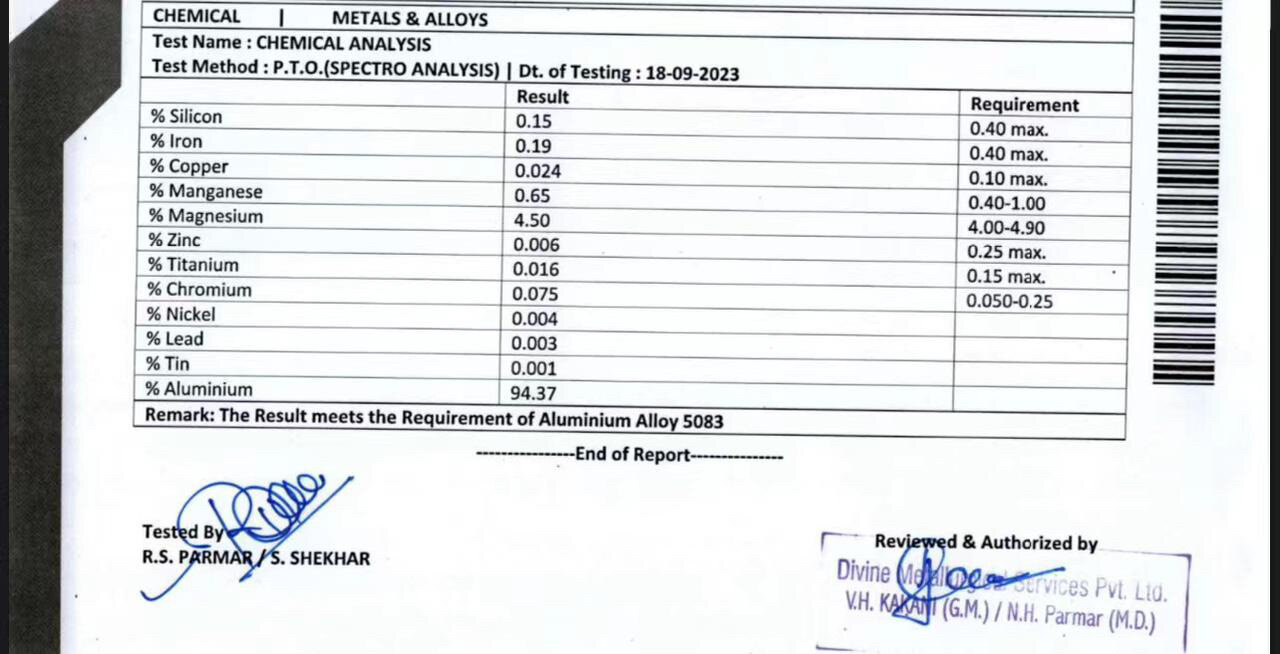
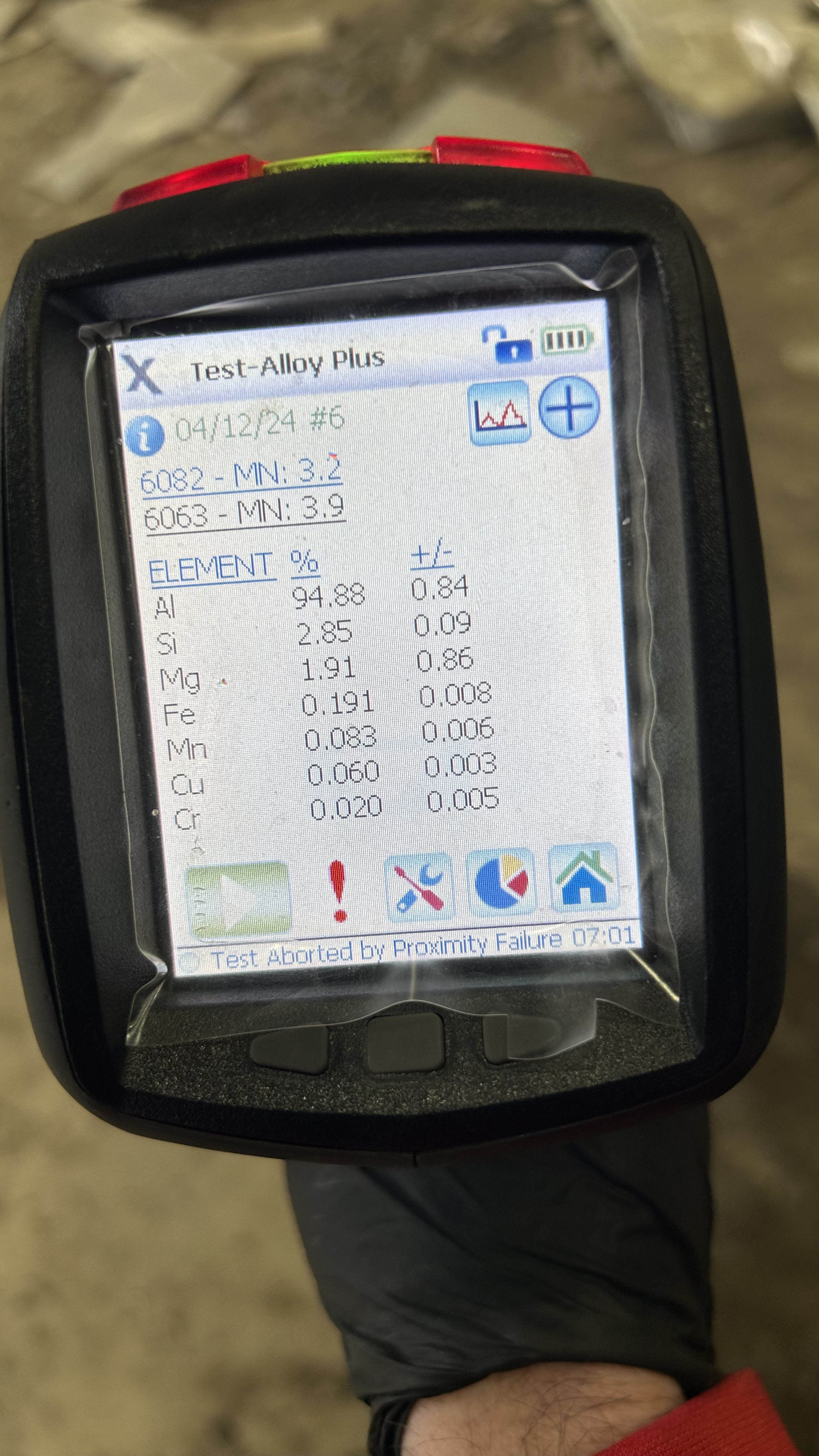
Elemental composition and alloy number detection can also be performed using handheld spectrometers. Providing detailed detection reports or handheld spectrometer readings can be more convincing during transactions.

Test report
Test report
Readings from a handheld spectrometer

Matching Direction

Aluminum alloy plate scrap can be matched with various industries, including trade companies, processing companies, and manufacturing companies, depending on their contamination level and alloy number.

Special Attention

The impurity content of aircraft aluminum scrap needs to be carefully determined through physical inspection or images. Generally, the impurity rate does not exceed 5%. However, some scrap materials may have thick layers of glue, paint, or even moisture and heat insulation materials on both the inner and outer layers, which significantly increases the impurity rate. Additionally, these contaminants can affect the processing and usage of the scrap, as they may generate a large amount of smoke and toxic gases, requiring removal before the materials can be used.

Gallery

Aircraft aluminum sheet
Back to Parent Category