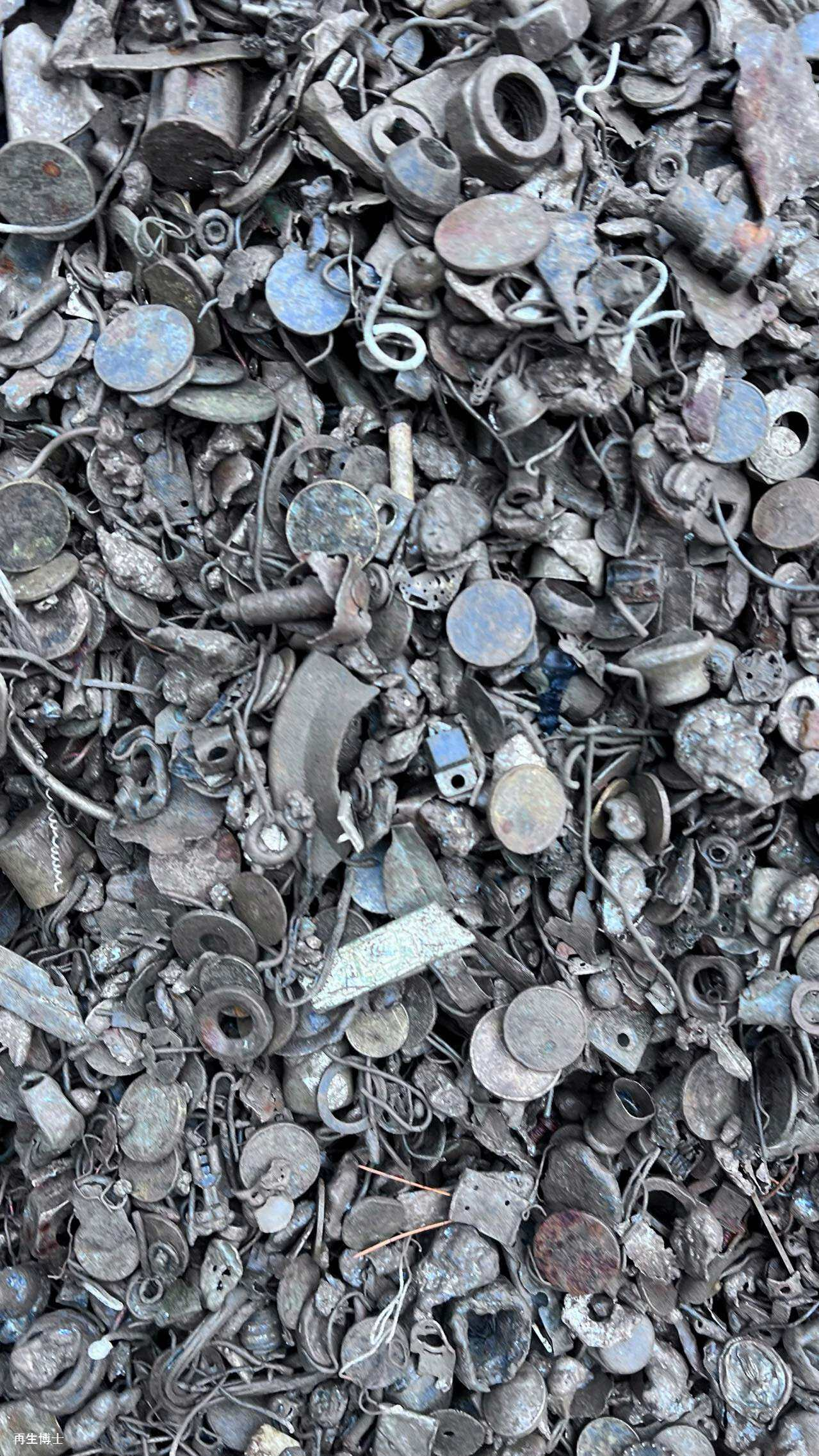
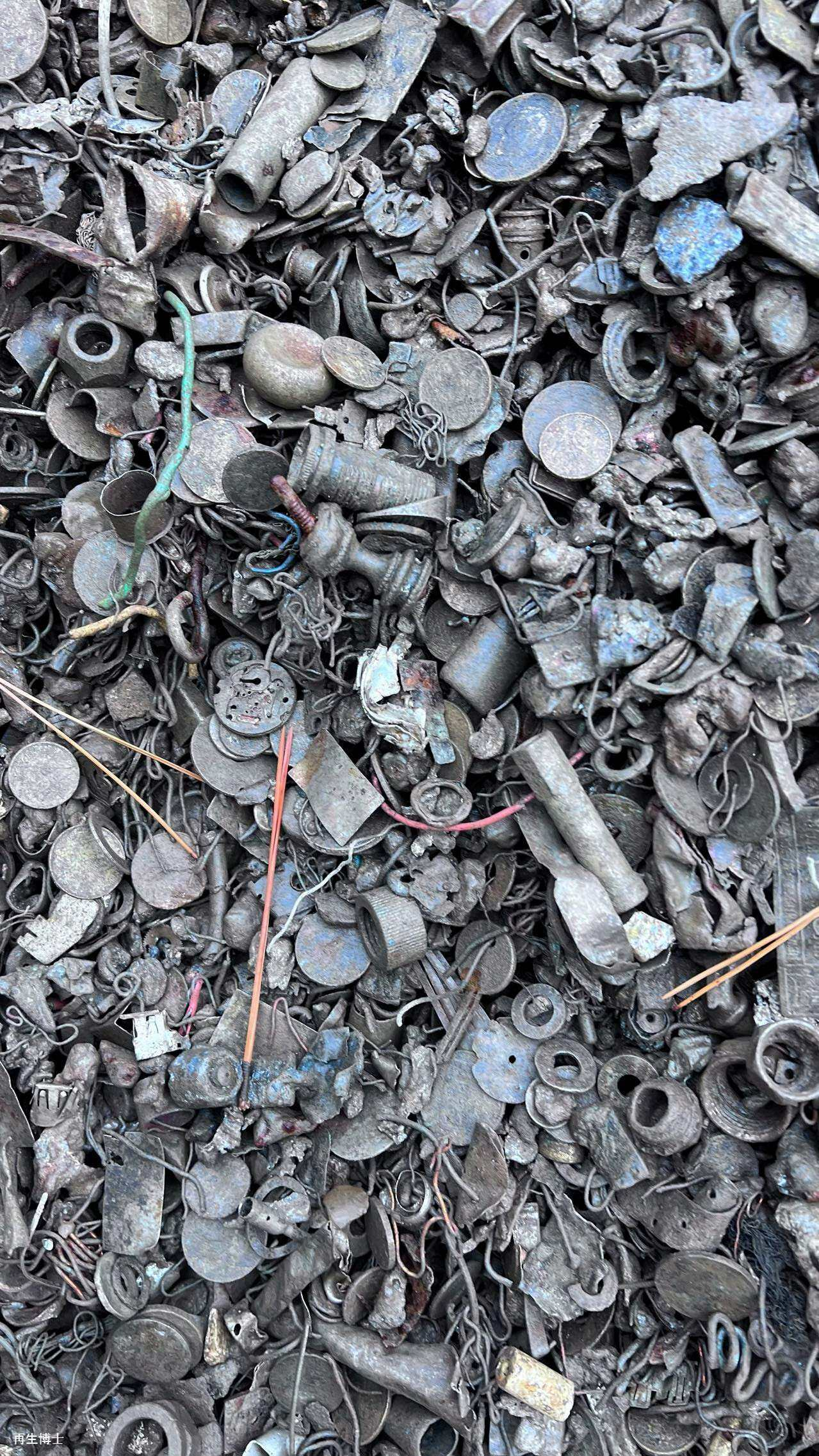
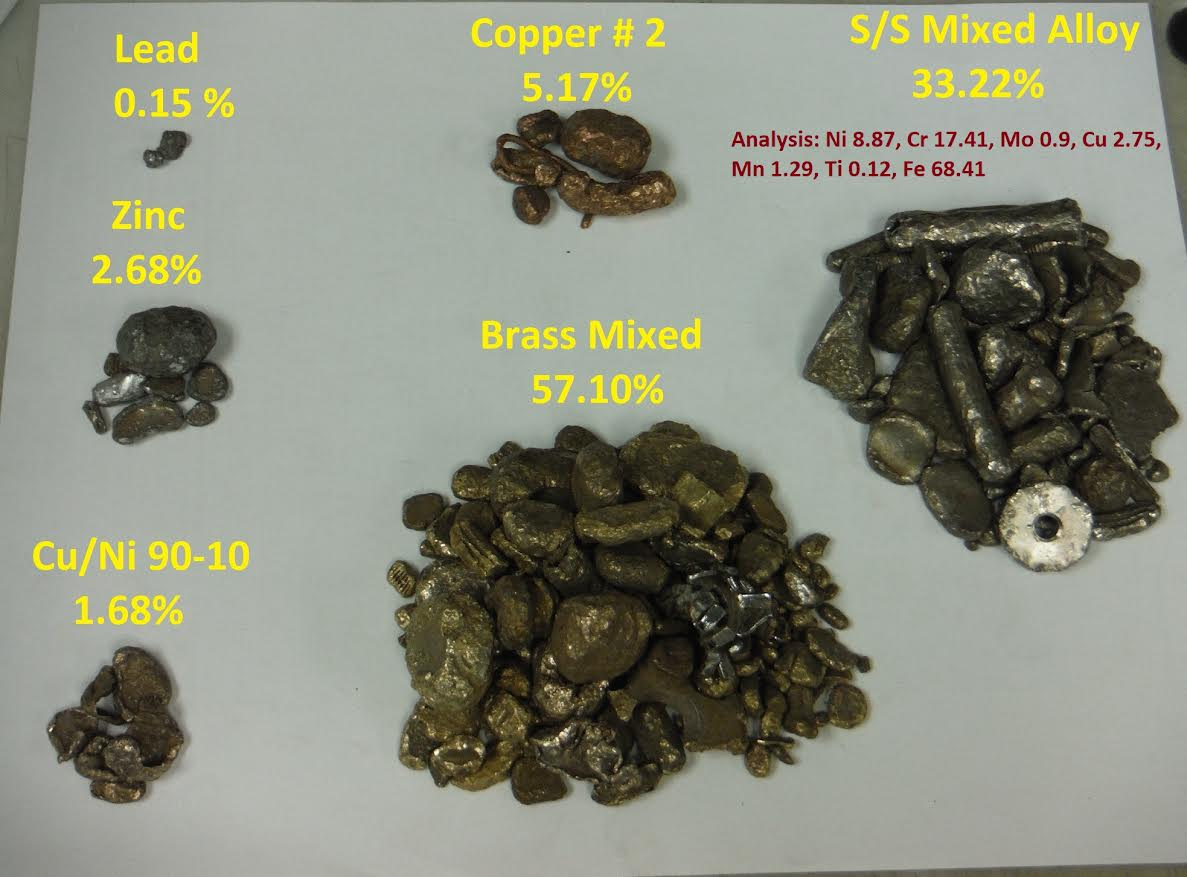
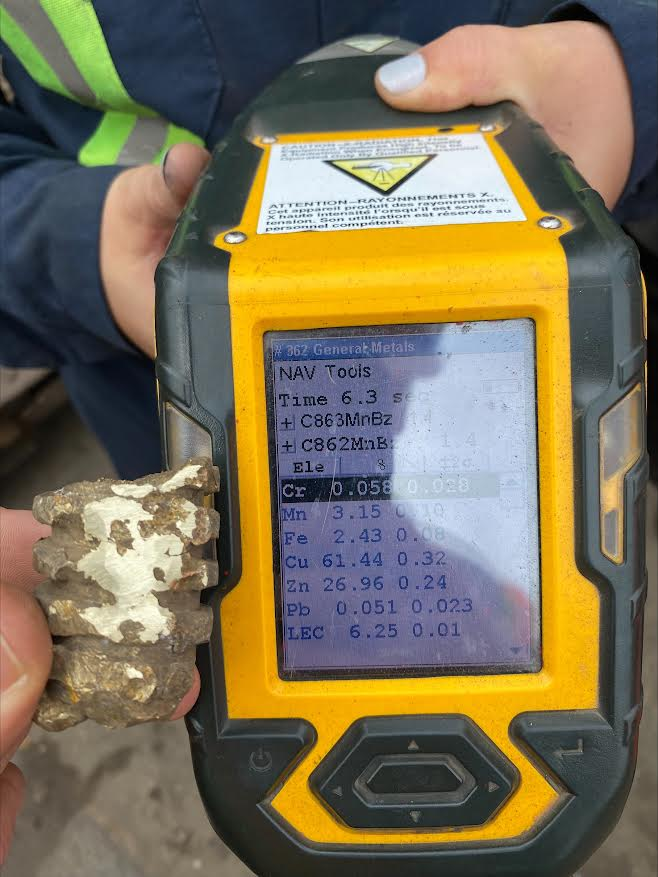
Traditional processing methods for copper-zinc materials involve machine-based sorting followed by manual sorting. Machine-based sorting includes techniques like cyclone separation, vibrating screen separation, and water washing. Manual sorting involves hand-picking and separating the various materials within the copper-zinc material. The resulting products are sorted into categories like broken brass, broken yellow copper, wire materials, broken circuit boards, broken zinc, and broken aluminum.
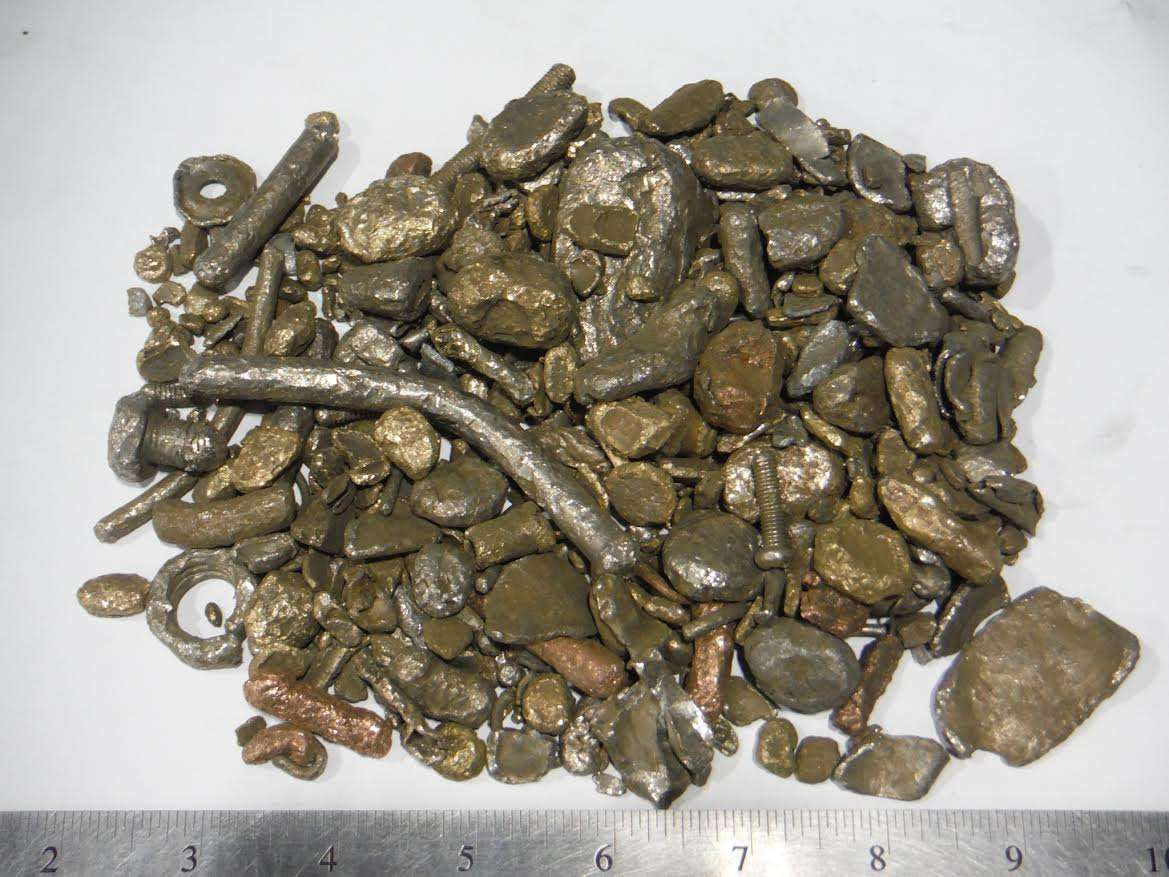
In recent years, a new processing method has emerged, which utilizes substitution and reduction reactions to extract valuable metals from copper-zinc materials. The first step involves separating the zinc/aluminum components, which account for the largest proportion of the material. The second step involves melting the remaining materials into alloy ingots. The third step uses solution and reduction reactions to extract high-value metals like gold, silver, palladium, and copper from the alloy ingots.
This new processing method has the advantage of eliminating the need for manual sorting, reducing personnel costs. However, it requires significant investment in equipment and construction, ranging from 50 million to 100 million yuan. Additionally, this method has potential environmental pollution risks, necessitating investments in wastewater treatment and management.