Scrap Wiki
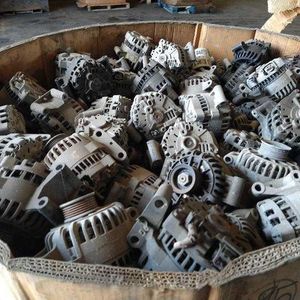
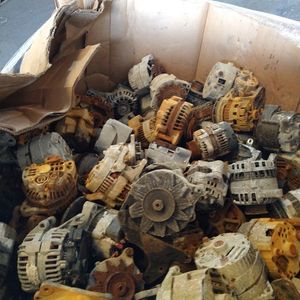
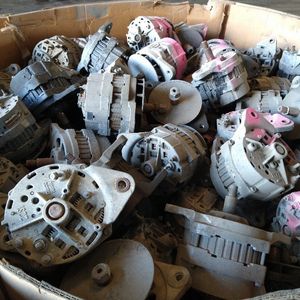
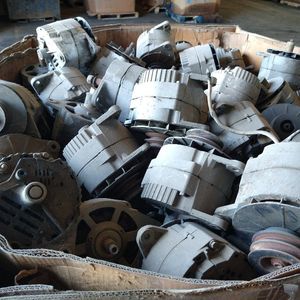
The "Alternator" on a car refers to an AC generator, also known as a "Lotus Motor" in the scrap industry. Its primary function is to provide power to the car and charge the battery. The AC generator is a crucial component of the car's engine system, converting mechanical energy from the engine into electrical energy. When the engine is running, the AC generator produces electricity, supplying power to various electrical systems in the car, such as the ignition system, lighting, audio, and other electronic devices, as well as charging the car battery to ensure sufficient power for starting the engine and powering the electrical systems.
A typical car AC generator consists of components such as the rotor, stator, rectifier, fan, and pulley. When the engine is running, the driving belt drives the AC generator to rotate, producing AC electricity. Subsequently, the AC electricity is converted into DC electricity by the rectifier, supplying power to the car's electrical systems and charging the battery.
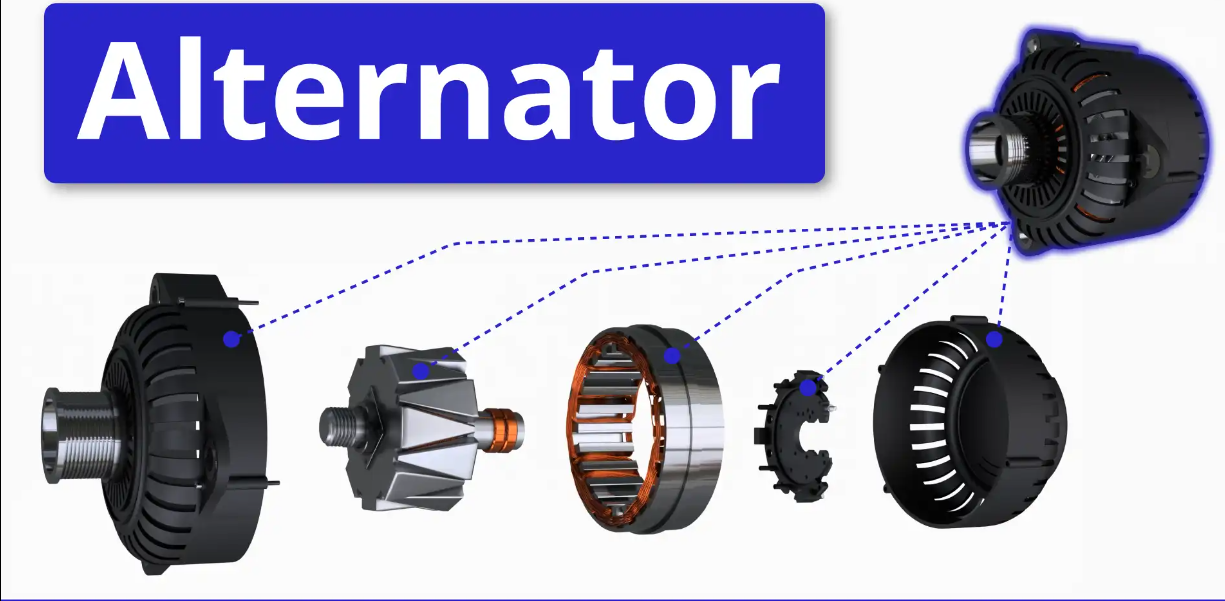
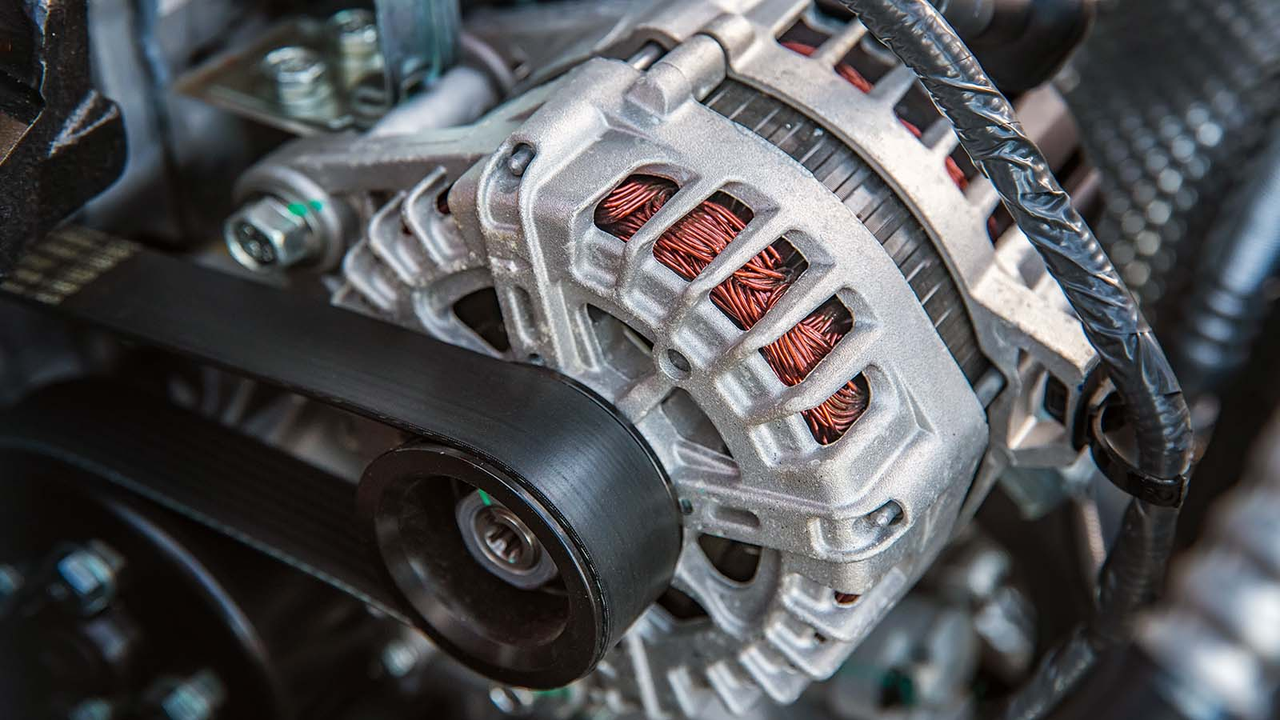
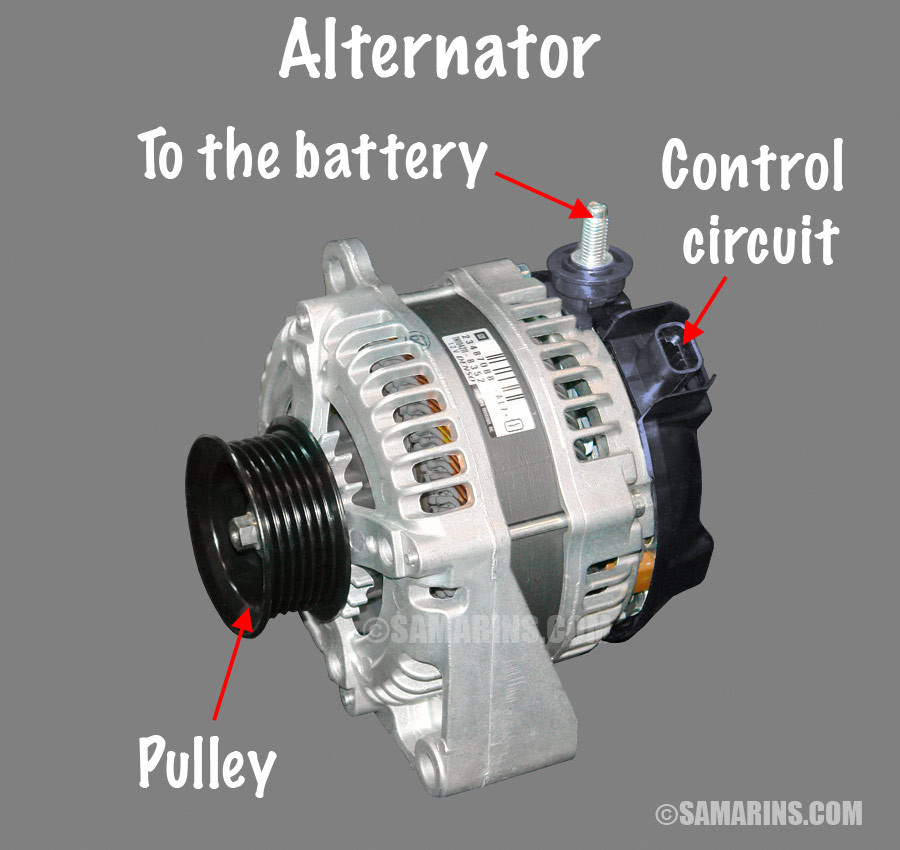
The most valuable parts of a car AC generator are the enameled wire coils and aluminum casing. The weight content is approximately 17% copper wire and 16% aluminum casing. Large trucks and buses have slightly lower copper content in their AC generators.