Scrap Wiki
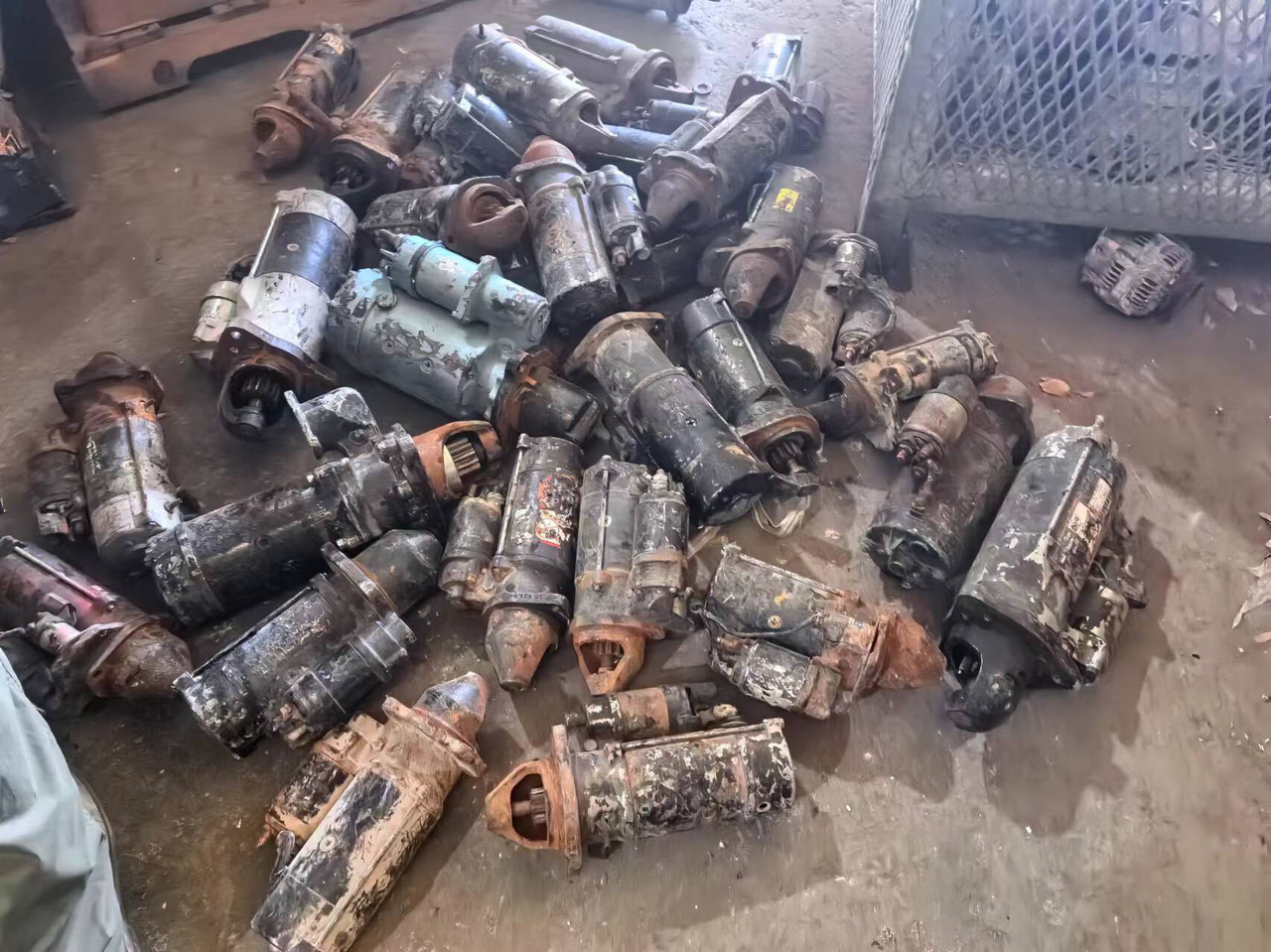
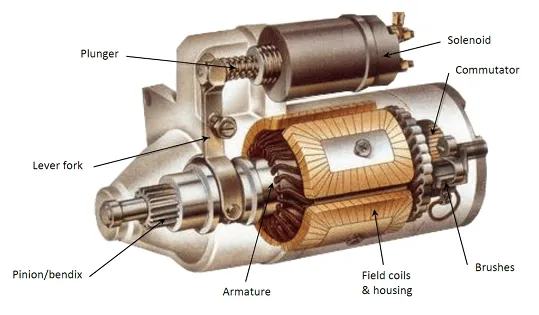
The "starter" on a car refers to a starting motor, a special electric motor used to start the car's engine. When you turn the key or press the start button, the starter motor receives power from the battery and immediately turns the engine's crankshaft, bringing the engine to a sufficient speed to start burning fuel and running on its own. Simply put, the starter motor is a device that helps the engine transition from a stationary state to a working state.
The starter motor typically consists of an electric motor, a driver, and a control switch. The electric motor generates power, the driver transmits the power to the engine's flywheel, and the control switch is used to control the starter motor's start and stop. Once the engine starts and runs, the starter motor completes its task and is automatically disconnected from the power supply through the control system to prevent it from continuing to work while the engine is running.
An aluminum head starter motor is a type of starter motor with a front cover (usually called a "nose") made of aluminum alloy. This design aims to reduce the weight of the starter motor, as aluminum alloy is lighter than traditional iron or steel materials. Using aluminum alloy as the material for the nose also helps improve corrosion resistance, as aluminum is less prone to rust than steel.
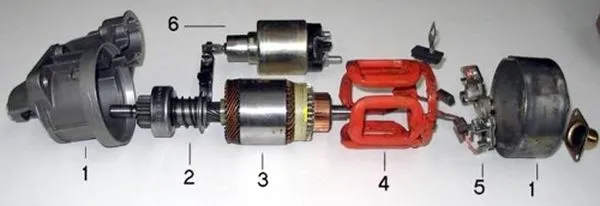
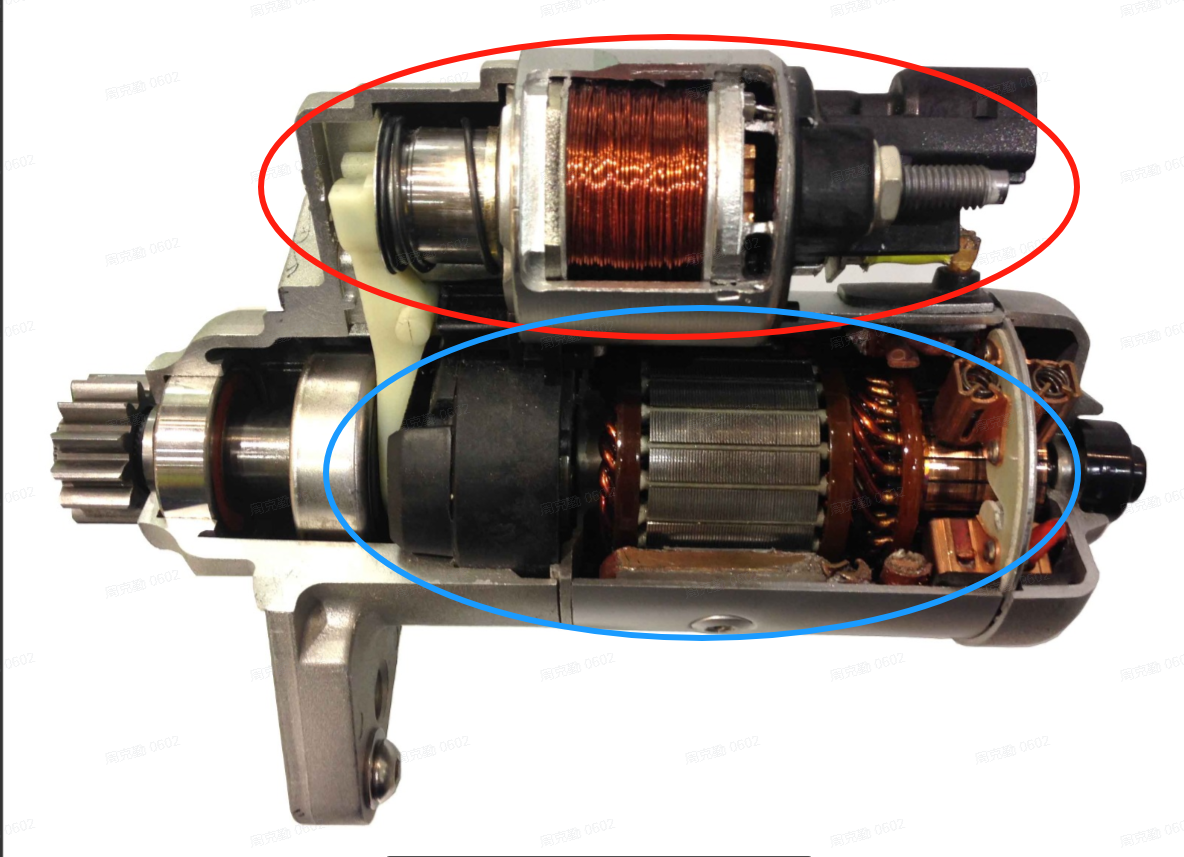
Automotive starter waste typically contains around 18% copper. If the starter motor's solenoid coil or winding coil is disassembled, the copper content is around 28%.