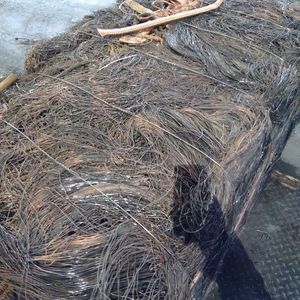
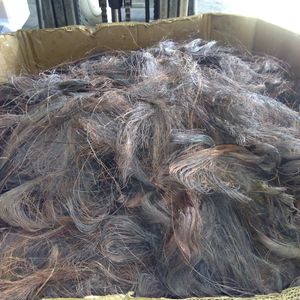
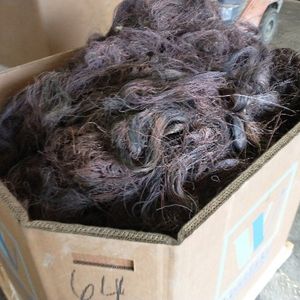
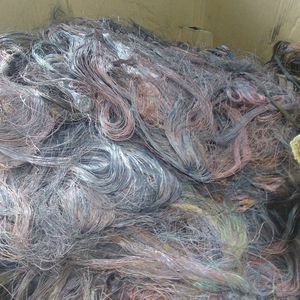
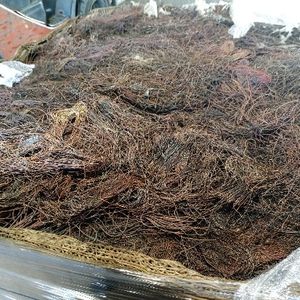
Burned wire

Scrap Wiki

The enameled wire, also known as the winding wire or magnet wire, is a thin wire made of conductive metal material (usually copper or aluminum) with a very thin layer of insulation paint on its surface. This insulation paint is typically made of resin materials such as polyester, polyimide, polyamide, or polyetherimide, used for electrical insulation and mechanical protection. The enameled wire is widely used in electronic and electrical devices, often seen in various coils, such as motors, transformers, electromagnets, speakers, hard disk drive motors, and other types of inductive components. Due to the presence of insulation paint, even if the coil is tightly wound, there will be no short circuit between adjacent coils. The enameled wire is classified into different types based on the insulation paint's heat resistance and performance, such as 130, 155, 180, 200, and 220 levels, which represent the highest temperature (in Celsius) that the coil can withstand in continuous operation. When used, in order to make the enameled wire's conductive endpoints solderable or connectable to other conductive components, the insulation paint usually needs to be removed at the terminal ends, which can be achieved through mechanical grinding, chemical stripping, heat burning, or using a special paint stripper.
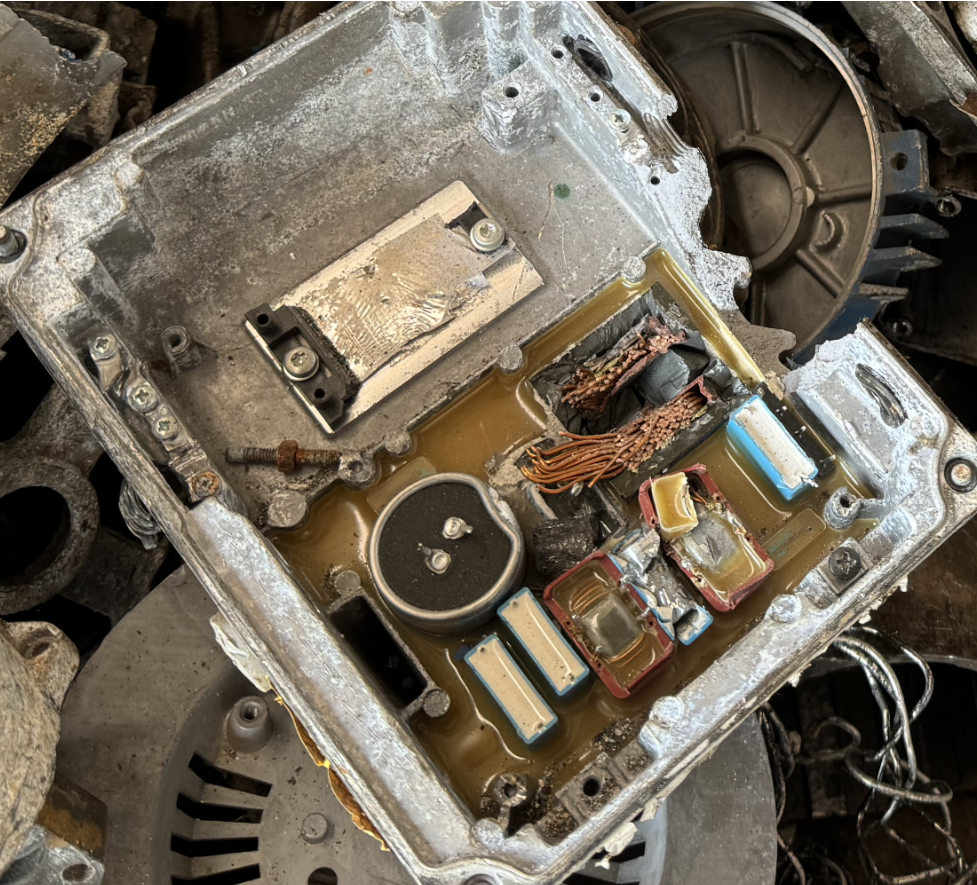
Enameled wire in a hard disk drive
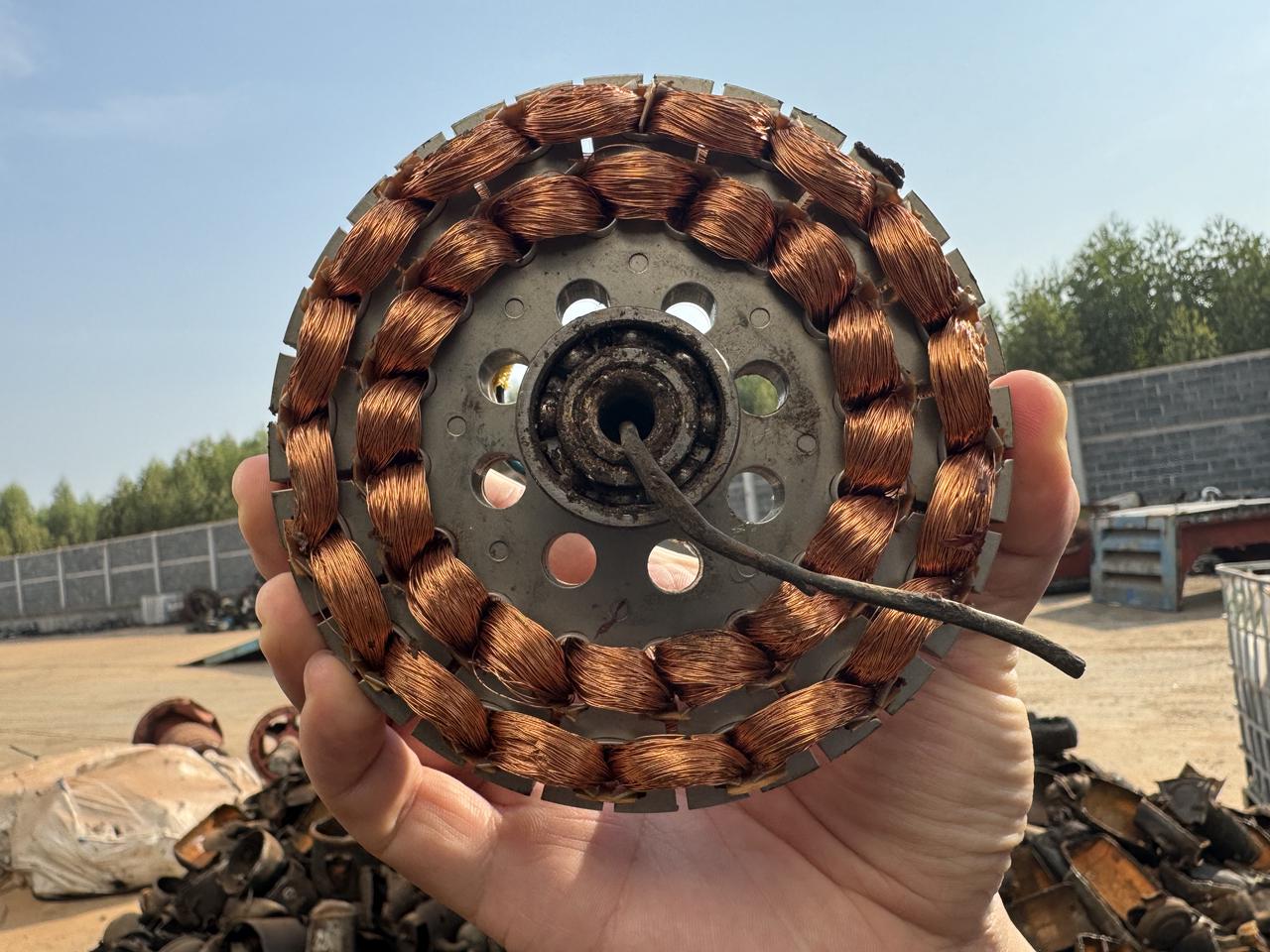
Enameled wire coil in an electric motor

Common Classification

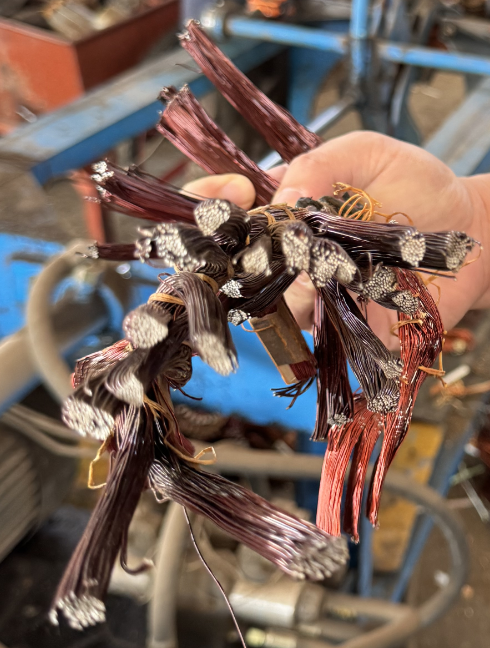
Most enameled wires are made of tinned copper, but some are made of aluminum, which are extracted from aluminum transformers and motors. There is a significant price difference between copper and aluminum, so it's essential to agree on the material type before trading to avoid disputes. A reliable method to determine the material is to inspect the cross-section or side of the wire after removing the insulation paint.
The following image shows a cross-section of an enameled wire, which appears silver-white, indicating that it's an aluminum wire, not a copper wire.

Common Sources

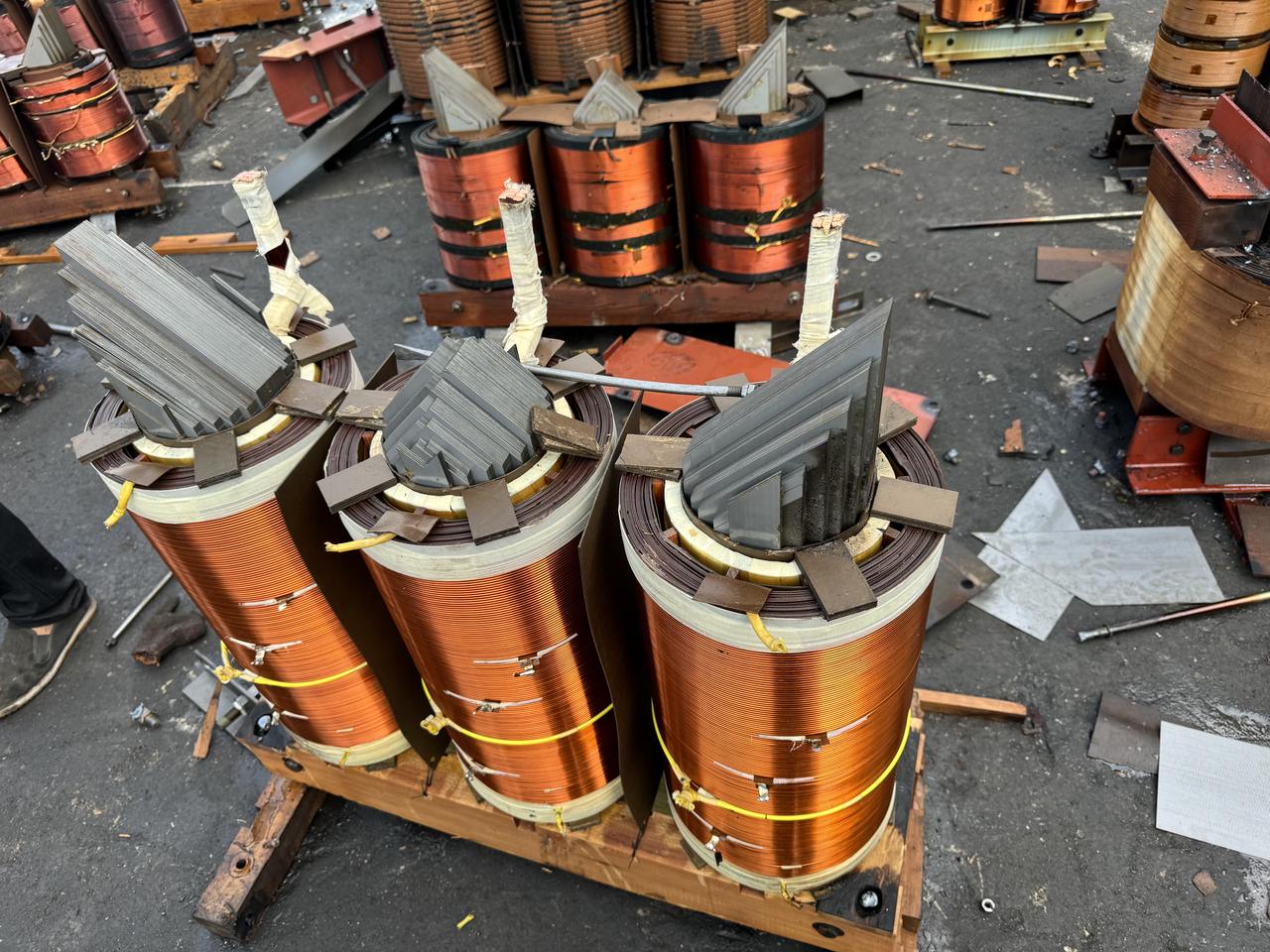
Enameled wires are mainly sourced from various coils, such as electric motors, pumps, transformers, and so on. They are suitable for manufacturing coils due to the following reasons:
- Good insulation performance: The enamel provides electrical insulation, allowing coils to be tightly wound without short circuits.
- High-temperature resistance: Depending on the enamel material, enameled wires can withstand different levels of high temperatures.
- Mechanical strength: The enamel also provides some mechanical protection to the conductive wire.
- Space-saving: Due to the thin and robust enamel, enameled wires are more space-efficient than wires using other types of insulation materials.
The following image shows enameled wires extracted from a transformer:

Value Points

The value of enameled wires lies in confirming that they are made of tinned copper, not aluminum.

Processing Methods

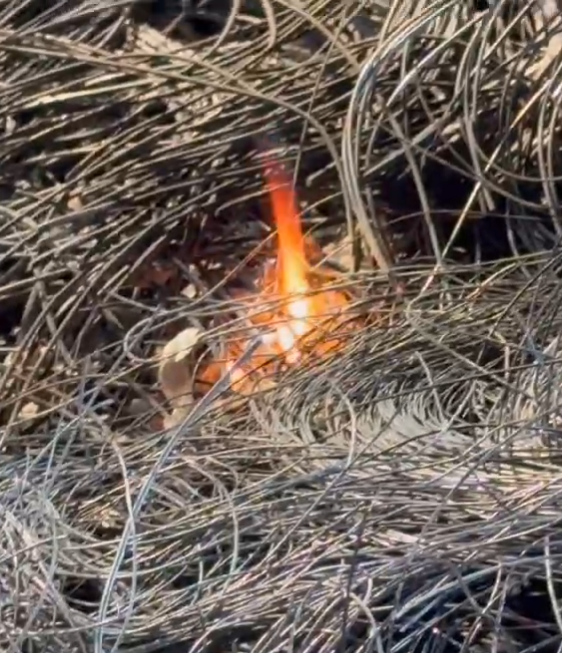
There are different ways to reuse enameled wires. One method is to melt them down directly, but enameled wires are not allowed to be imported into China, and the copper price is not as high as in China. Therefore, they can only be melted down abroad and then sold back to China as copper ingots. Another method is to process the enameled wires, such as removing the insulation paint using machines or burning, and then selling them back to China; or breaking down the enameled wires into copper powder and selling it to China.
The following image shows the process of removing insulation paint using burning, turning enameled wires into fire-burned wires:

Detection Methods

The primary detection method for enameled wires is visual inspection. Experienced professionals can estimate the proportion of copper and aluminum wires and try to remove aluminum wires.

Matching Direction

Disassembly-type processing plants

Special Attention

There is a significant price difference between copper and aluminum, so it's essential to agree on the material type before trading to avoid disputes.

Gallery

Burned wire
Burned wire
Burned wire
Burned wire
Burned wire
Burned wire
Burned wire
Back to Parent Category