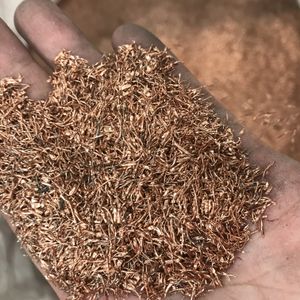
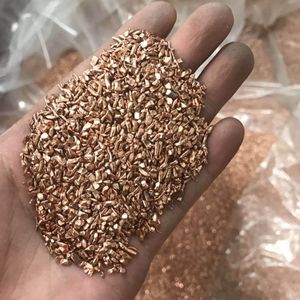
#1 copper chop

Scrap Wiki

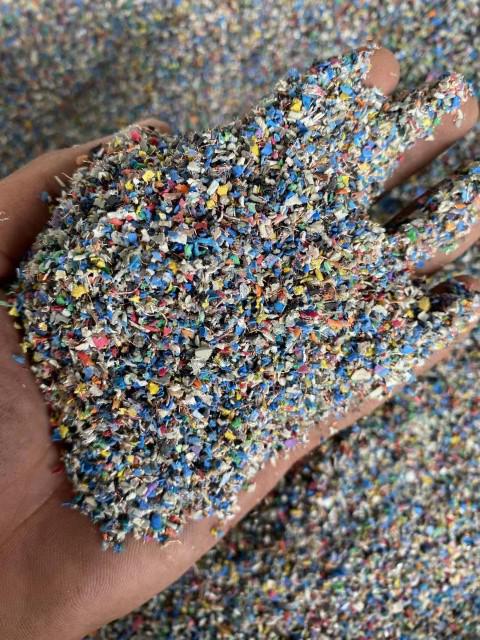
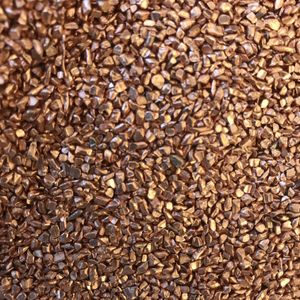
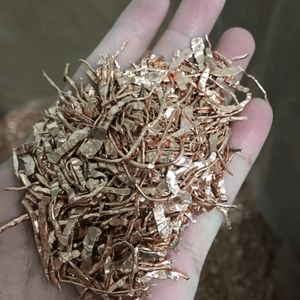
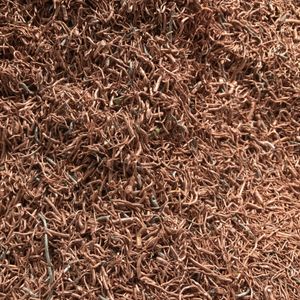
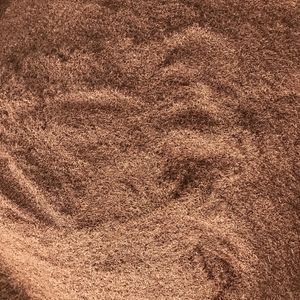
Copper rice, also known as copper shot or copper pellets, refers to the small, grain-like particles of copper that are recovered from discarded electrical wires and cables. These particles are obtained through mechanical separation, stripping, or chemical treatment, which separates the copper from the insulation materials (such as plastic or rubber). Copper rice is an important recycled resource, and its recovery and reuse are a crucial part of the waste management and metal recycling industries.
In wet processing, the copper wire is first crushed into small pieces. Then, the crushed copper is mixed with water and chemicals to dissolve the non-metallic impurities. The copper is then separated from the impurities by filtration or centrifugation. Finally, the copper is washed and dried to produce the finished product.
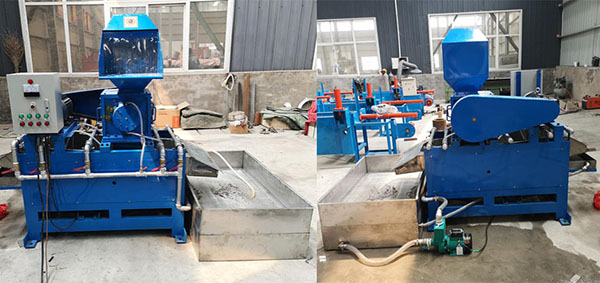
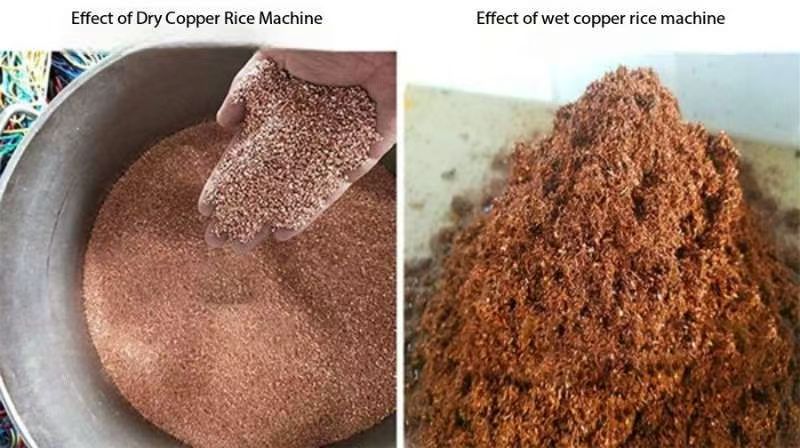
In daily trade and within the ISRI system, copper scrap is generally categorized into three grades: Clove, Cobra, and Cocoa.
Clove: This is typically the highest grade, representing clean, unalloyed copper scrap with minimal impurities.
Cobra: Second-grade copper, often referred to as "chopped or shredded" copper, is primarily unalloyed copper. It typically has a copper content of at least 97%. Maximum allowable metallic impurities include: aluminum not exceeding 0.50%, and no other individual metal or insulating material exceeding 1%.
Cocoa: This grade generally represents the lowest quality copper scrap, often containing higher levels of impurities and contaminants.
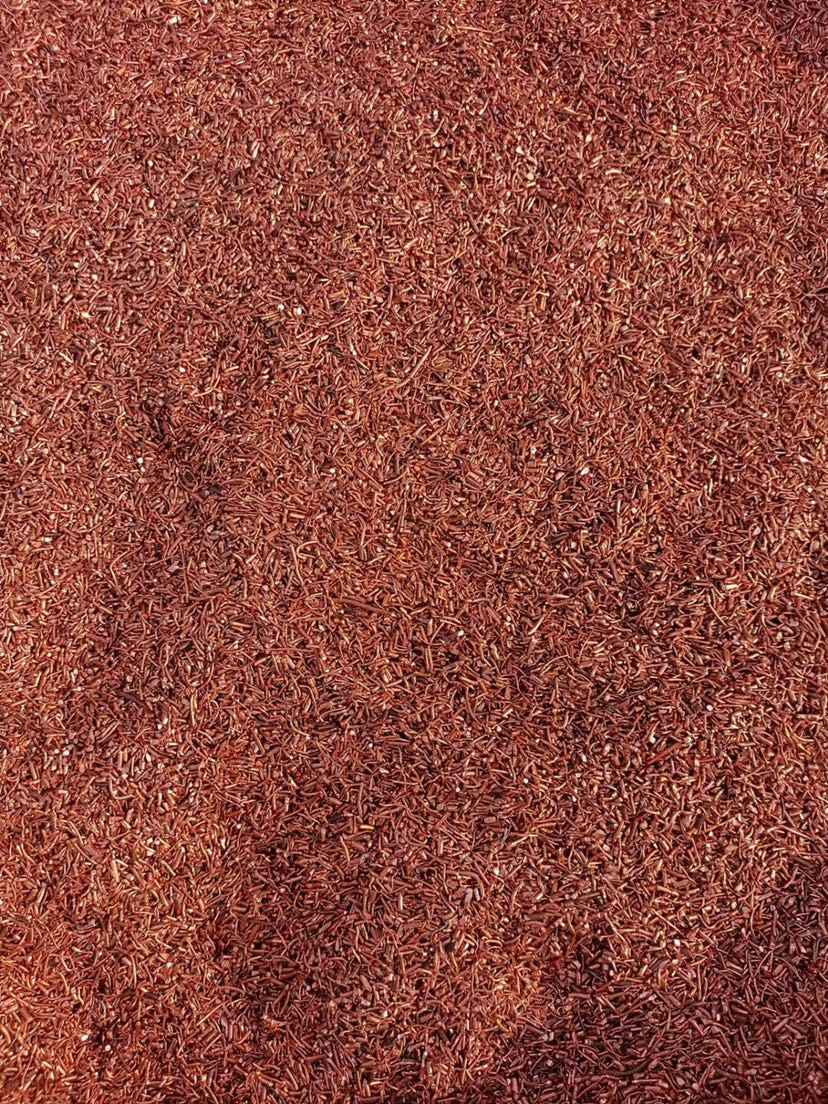
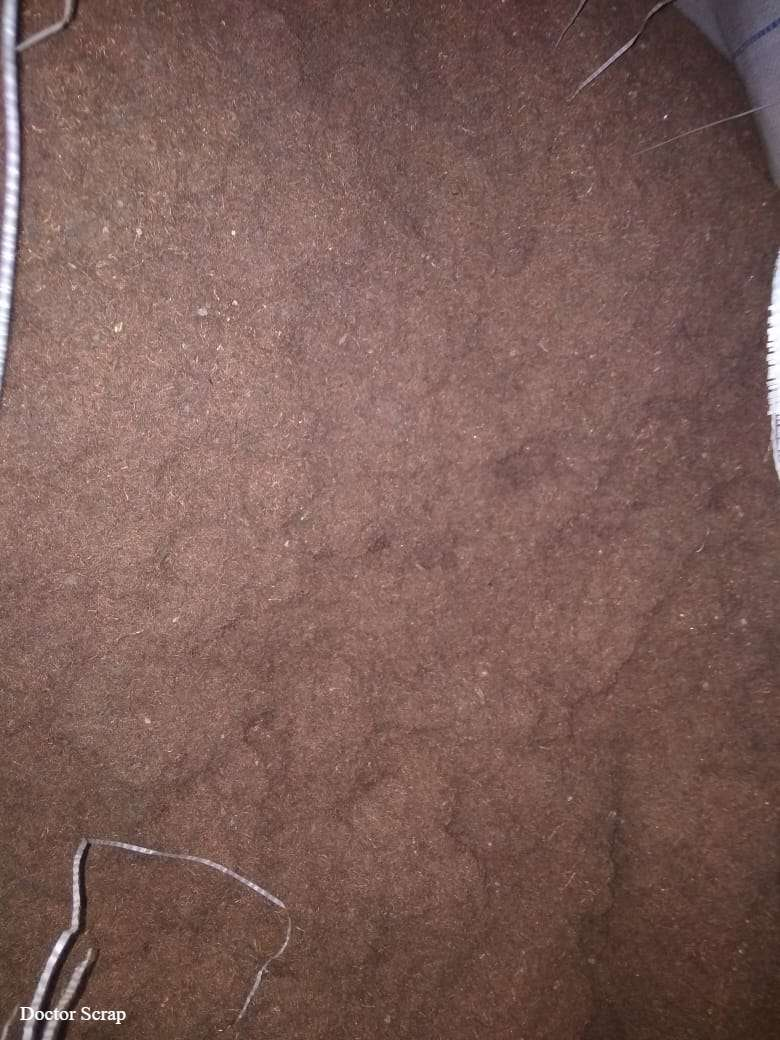
Common Classification

Copper rice scrap is categorized into different grades based on its source and purity. Among the most common grades are No. 1 copper rice and No. 2 copper rice.
No. 1 Copper rice :
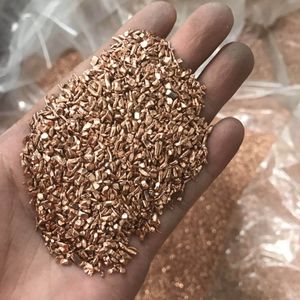
No. 1 copper rice is derived from nearly pure copper wire or tubing. It is characterized by its exceptionally high purity, typically exceeding 99%. Due to its quality approaching that of virgin copper, No. 1 copper rice commands a premium in the recycling market. It is recovered from copper materials free of any coatings, insulation, or other contaminants, such as bare copper wire or newly cut or cleaned copper tubing. Particularly high-quality No. 1 copper rice is sometimes referred to as "bright copper rice ."
No. 2 Copper rice :
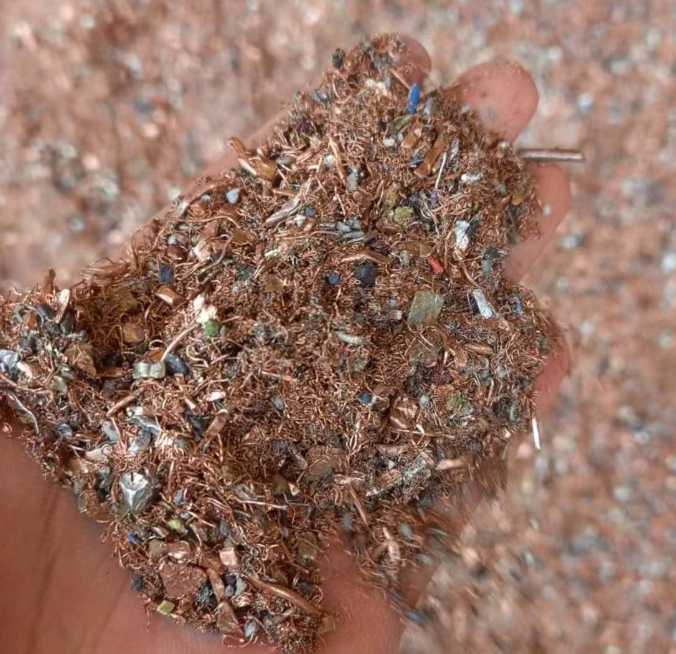
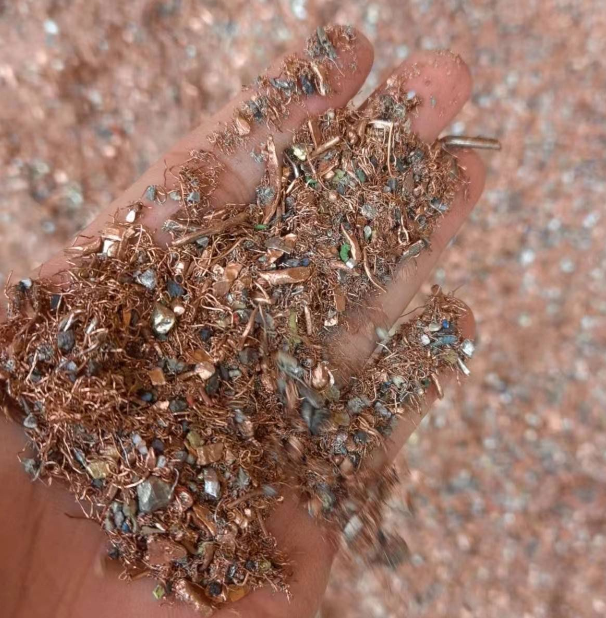
Compared to No. 1 copper rice , No. 2 copper rice has a slightly lower purity, ranging from 96% to 98%, and may contain some impurities such as solder, oil, oxides, or trace amounts of other metals. No. 2 copper rice is commonly derived from copper materials with minor coatings, paint, or other non-copper elements, such as communication cables. Despite its lower purity, No. 2 copper rice is still suitable for copper recovery and remanufacturing. Copper particles separated from communication cables are often referred to as "communication scrap" due to their higher insulation content, which typically requires wet processing for separation.
The primary distinction between No. 1 and No. 2 copper rice scrap is their purity level and the source materials. No. 1 copper rice, often derived from virgin copper or high-grade scrap, has a significantly higher copper content and minimal contaminants. In contrast, No. 2 copper rice, while still primarily copper, contains noticeable levels of impurities like insulation or coatings, which reduce its purity and market value.

Normal No. 1 copper rice
Normal No. 2 copper rice

Common Sources

Copper rice is a primary raw material for the non-ferrous metal industry, produced through the processing of various electrical wires and cables using copper rice machines. The processing of waste electrical wires, cables, and electronic equipment can also generate copper rice. The plastic skin of processed electrical wires can contain 2-5% copper.

Value Points

The value of copper rice is determined by several factors, including:
1. Purity: The higher the purity, the higher the value.
2. Impurity content: The lower the impurity content, the higher the value.

  1. Color and appearance: Bright copper-colored copper rice indicates a lower oxidation level and higher value.
  2. Particle size: Larger particles generally have a higher metal recovery rate and value.

Processing Methods

Copper rice is primarily processed through smelting, which involves melting the copper rice in a furnace to remove impurities and produce a copper ingot or other copper products. To improve the metal recovery rate and reduce losses during the smelting process, the following measures can be taken:
1. Pre-treatment: Clean the copper rice thoroughly to remove oil, dust, water, and non-metallic impurities.
2. Choose the right furnace charge: Mix the copper rice with other high-quality scrap copper to reduce oxidation and losses.
3. Control the furnace temperature: Maintain a temperature slightly above the melting point of copper to minimize oxidation and evaporation losses.
4. Use a protective atmosphere or covering agent: Use inert gases or covering agents to reduce oxidation and losses during the smelting process.
5. Add reducing agents: Use reducing agents, such as graphite or coke, to reduce oxidation and improve the copper recovery rate.
6. Choose the right furnace type and equipment: Use suitable furnace types and equipment, such as rotary furnaces or electric furnaces, to improve heat efficiency and smelting efficiency.

Detection Methods

Copper rice is typically inspected using crucible assays, which involve melting a sample of copper rice (usually 5-50 kg) and measuring the weight of the resulting copper.

Matching Direction

Copper rice is a highly standardized and valuable non-ferrous metal scrap, making it an important raw material for the Chinese market. China is the largest consumer of copper in the world, and the country has a significant advantage in copper prices. Standard copper rice meets the import standards of the Chinese customs, making it suitable for direct sale to Chinese companies or enterprises.
Copper rice can be matched with a wide range of downstream industries, including:
1. Trading companies
2. Processing enterprises
3. Financial companies

Special Attention

When trading copper rice, it is essential to pay attention to the copper content, which is evaluated using the "purity" indicator. Purity is calculated by multiplying the copper content by the metal recovery rate. For example, a batch of copper rice with a copper content of 96% and a metal recovery rate of 98% has a purity of 0.96 x 0.98 = 0.94, making it a 94-grade copper rice.
The copper content is affected by the presence of impurities, including metallic impurities (such as aluminum) and non-metallic impurities (such as plastic insulation). The metal recovery rate is influenced by the particle size of the copper rice, with larger particles generally having a higher metal recovery rate.

Gallery

#1 copper chop
#1 copper chop
#1 copper chop
#1 copper chop
#1 copper chop
#1 copper chop
#1 copper chop
Back to Parent Category