#2 copper chop

Scrap Wiki

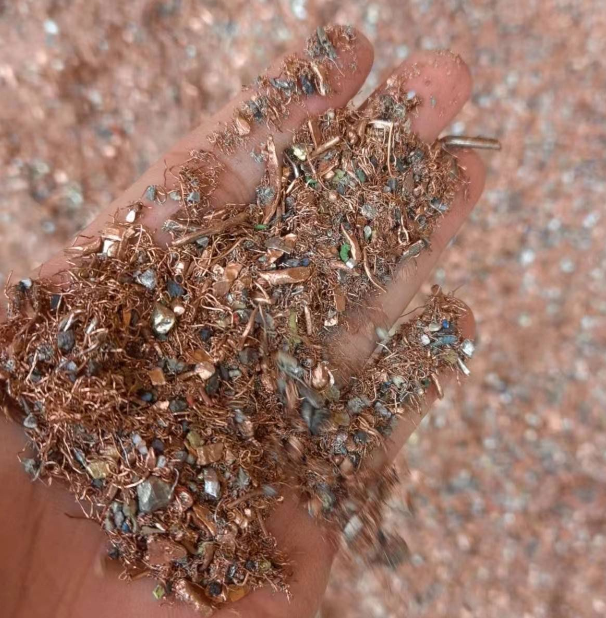
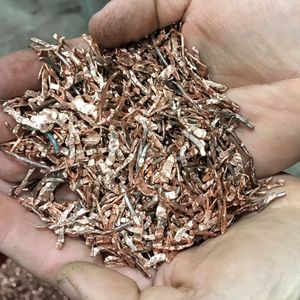
Copper rice is the copper particles recovered from discarded electrical wires and cables, named after its small size, similar to rice grains. During the recycling and processing of electrical wires and cables, copper and insulating materials (such as plastics or rubber) are separated through mechanical separation, stripping, or chemical treatment, resulting in pure copper particles, also known as copper rice. Copper rice is an important recycled resource, and its recovery and reuse are crucial in the waste management and metal recycling industries.
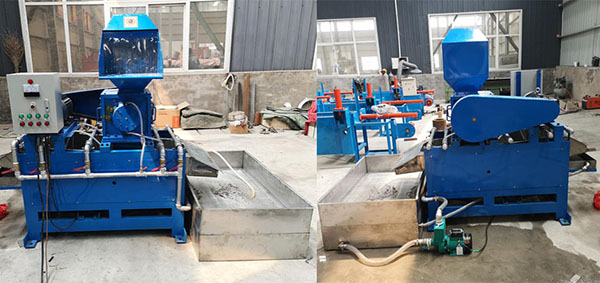
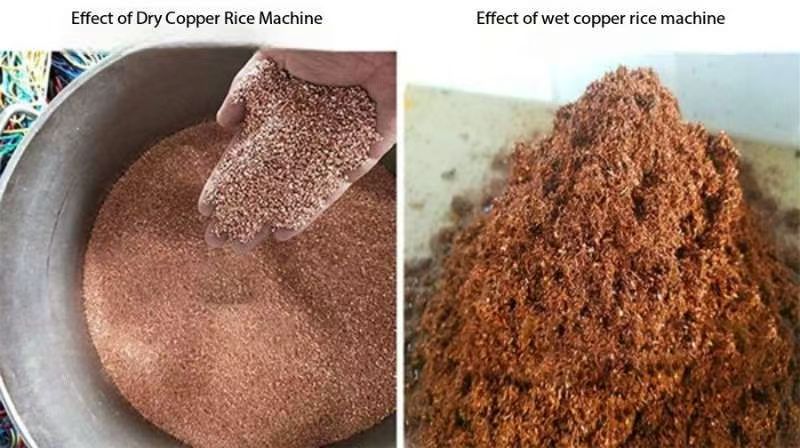
The production process of copper rice mainly involves two processing technologies, namely wet smashing and dry smashing, which are used to separate copper from discarded electrical wires and cables. The main difference between these two methods lies in whether water is used for separation and cleaning during the process. No. 2 copper rice is primarily produced through the wet smashing process.
Common Classification

Copper rice is classified into different grades based on its source and purity. No. 1 copper rice and No. 2 copper rice are common classifications.
1. No. 1 Copper Rice:
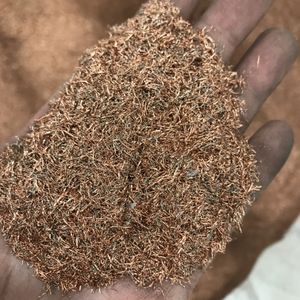
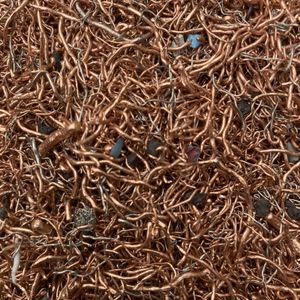
No. 1 copper rice refers to copper particles recovered from almost pure copper wires or copper pipes, with a purity of over 99%. Due to its high purity, No. 1 copper rice is valuable in the recycling market. No. 1 copper rice is recovered from copper materials without any coating, insulation, or other impurities, such as bare copper wires, newly cut or cleaned copper pipes. Some high-quality No. 1 copper rice is also known as bright copper rice.
2. No. 2 Copper Rice:
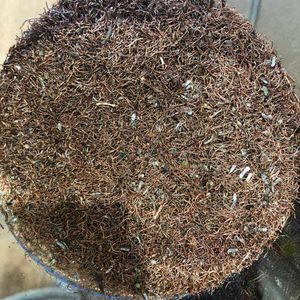
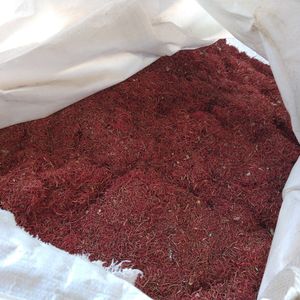
Compared to No. 1 copper rice, No. 2 copper rice has a lower purity, ranging from 96% to 98%, and may contain some impurities, such as solder, oil stains, oxidation, or trace amounts of other metals. No. 2 copper rice usually comes from copper materials with a small amount of coating, paint, or other non-copper elements, such as communication cables. Although its purity is lower, No. 2 copper rice can still be used for copper recycling and remanufacturing. Copper particles separated from communication cables are also known as communication rice, which often require wet smashing for separation due to the high amount of insulation.
In summary, the main difference between No. 1 copper rice and No. 2 copper rice lies in their purity and source. No. 1 copper rice is the purest, with minimal impurities, and is the most valuable; No. 2 copper rice has a lower purity, containing some insulation impurities.

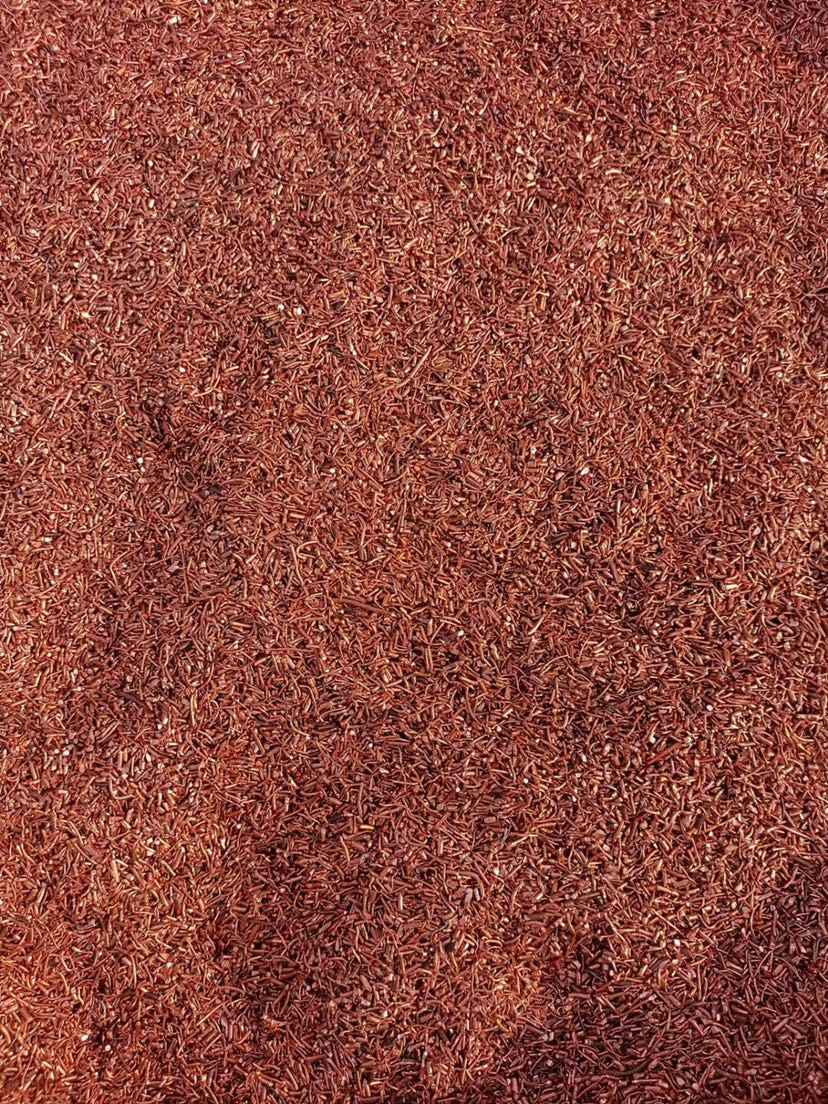
Normal No. 1 Copper Rice
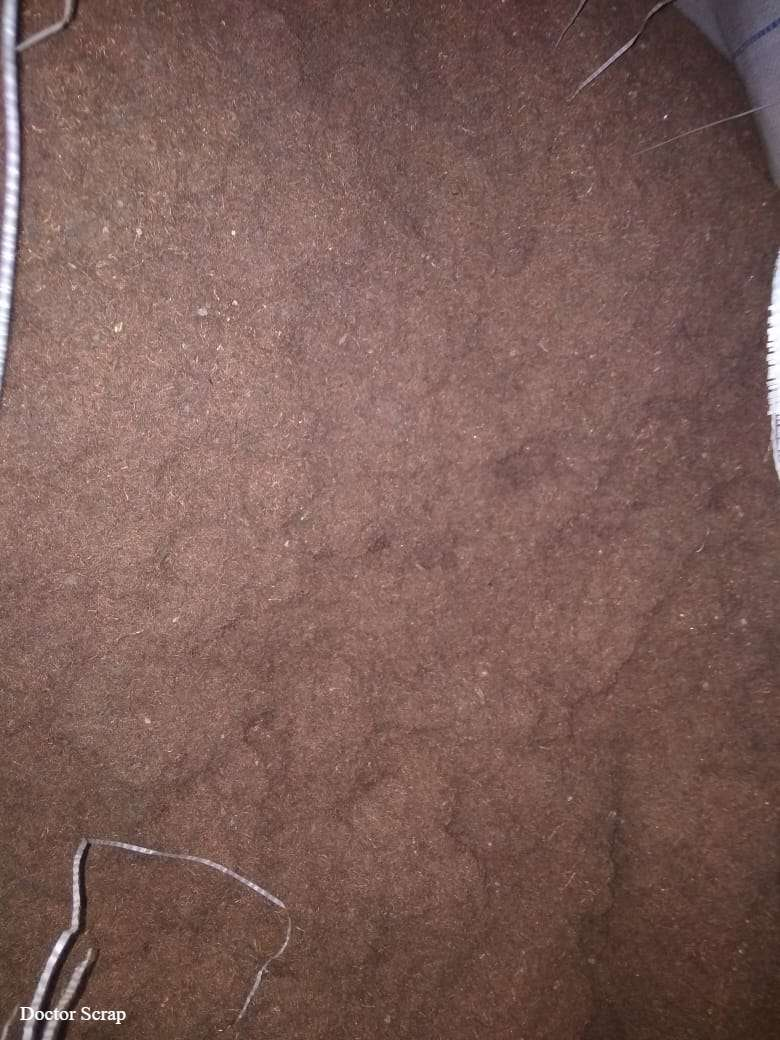
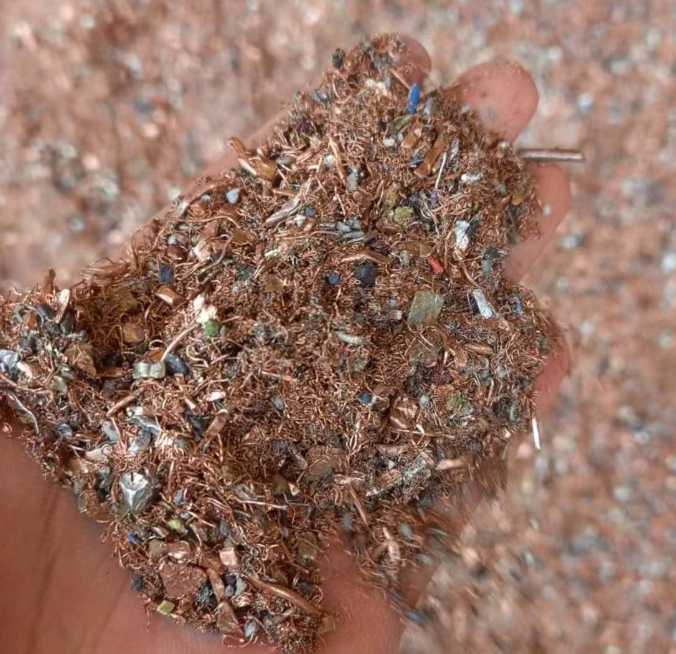
Normal No. 2 Copper Rice
Normal No. 1 Copper Rice
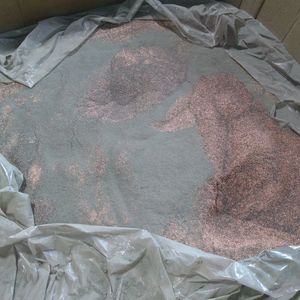
Normal No. 2 Copper Rice

Common Sources

No. 2 copper rice is a primary recycled non-ferrous metal raw material, produced by breaking and processing various electrical wires and cables through copper rice machines. Various factories that process waste electrical wires, cables, and electronic equipment may produce copper rice.
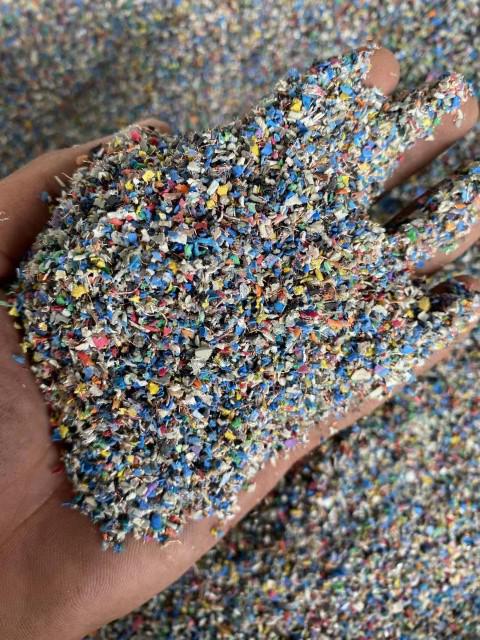
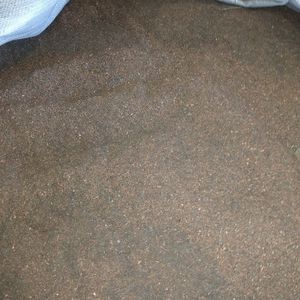
The plastic skin of the electrical wire shown in the figure below contains 2-5% copper.

Value Points

The value of copper rice is determined by several factors:
1. Purity: The purity of copper rice is the primary factor determining its value. The higher the purity, the higher the value. No. 1 copper rice has the highest value due to its purity of over 99%.
2. Impurity Content: The lower the impurity content in copper rice, the higher its value. Impurities can be non-metal materials, such as plastics or rubber, or other metal materials. Impurities decrease the recycling efficiency and increase the reprocessing cost of copper rice.

  1. Color and Appearance: Bright copper-colored copper rice usually indicates low oxidation, good quality, and higher value. If the color of copper rice is dull or shows significant oxidation, it may indicate lower purity and lower value.
  2. Particle Size: The particle size of copper rice affects its metal recovery rate, which is related to its purity and metal recovery rate. Larger copper rice particles have a higher metal recovery rate, while smaller particles have a lower metal recovery rate.

Processing Methods

The processing of copper rice primarily involves smelting. The smelting process involves sending copper rice to a furnace for high-temperature melting, removing some impurities, and casting into copper ingots or other copper products at suitable temperatures. To improve the metal recovery rate and reduce losses during the smelting process, the following measures can be taken:
1. Pre-treatment: Some high-impurity copper rice should be thoroughly cleaned before smelting to remove oil stains, dust, water, and non-metal impurities, reducing the production of slag and gases during smelting and lowering copper oxidation and loss.
2. Selection of Suitable Furnace Materials: Mixing a certain proportion of other high-quality waste copper (such as No. 1 copper skin or copper blocks) with copper rice, or wrapping copper rice in them for furnace smelting, reduces direct contact between copper rice and the furnace, decreasing oxidation and loss.
3. Temperature Control: Precise temperature control of the furnace, maintaining it slightly above the melting point of copper, prevents excessive copper oxidation and evaporation loss.
4. Use of Protective Atmosphere or Covering Agents: Using inert gases (such as argon) as a protective atmosphere or adding covering agents during smelting reduces copper exposure to air, preventing oxidation and reducing slag.
5. Rational Use of Reducing Agents: Rational use of reducing agents (such as graphite or coke) helps reduce copper oxidation, increasing the copper recovery rate.
6. Furnace Type and Smelting Equipment Selection: Using suitable furnace types and smelting equipment, such as rotary furnaces or electric furnaces, improves thermal efficiency and smelting efficiency.

Detection Methods

The inspection of copper rice mainly involves crucible assays, where a certain amount of copper rice (usually 5-50 kg) is smelted, and the weight of the melted copper is measured.

Matching Direction

Copper rice is a highly standardized high-value non-ferrous metal scrap and an essential non-ferrous metal raw material. China is the largest consumer of copper in the world, and its copper price has a significant advantage globally. Standard copper rice meets China's import standards, making it suitable for direct sale to companies or enterprises in mainland China.
Copper rice is suitable for a wide range of downstream applications, primarily including:
1. Trading Companies
Bulk trading of waste copper requires a long chain and high capital, which is challenging for many production-oriented enterprises. As a result, many trading companies provide logistics, financing, and customs clearance services to purchase or act as agents for No. 1 copper.
2. Processing Enterprises
Copper rice is a highly sought-after non-ferrous metal scrap, used in various products, such as electrical wires, cables, and electrical materials made from phosphor copper, as well as enterprises producing brass and bronze. Some aluminum and zinc processing enterprises also purchase small amounts of copper rice to adjust the alloy element content.
3. Futures Financial Companies
Due to its futures attributes and good liquidity, some futures financial companies also buy and sell copper rice as a price anchor.

Special Attention

The most critical aspect of copper rice transactions is its copper content. "Purity" is a specialized indicator used to evaluate the copper content and metal recovery rate of copper rice. The calculation method for purity is "copper content x metal recovery rate." For example, a batch of copper rice with a copper content of 96% and a metal recovery rate of 98% has a purity of 0.96 x 0.98 = 0.94, which is referred to as 94 copper rice. In daily copper rice transactions, it is common to refer to "98 copper rice" or "97 copper rice" based on purity.
The copper content of copper rice depends on its impurity content. Common impurities in copper rice include metal impurities, such as aluminum, and non-metal impurities, primarily plastic insulation. When trading, it is essential to visually identify these impurities and estimate their content.
The metal recovery rate of copper rice depends on its particle size. High-quality No. 1 copper rice, including bright copper rice, has strict regulations on particle size, while No. 2 copper rice and communication rice have relatively small particles, resulting in a difference of 2-4% in purity.

Gallery

#2 copper chop
#2 copper chop
#2 copper chop
#2 copper chop
#2 copper chop
#2 copper chop
#2 copper chop
Back to Parent Category