Berry-Candy

Scrap Wiki

No. 1 copper refers to copper scrap with extremely high purity, such as copper pipes and copper plates. These copper materials have almost no impurities, and No. 1 copper should not contain any coatings, paints, insulation materials, welding residues, oil, or other non-metallic impurities. The recycling value of No. 1 copper is usually the highest because it can be directly melted and reprocessed into new copper products. Its copper content should be very close to 100%. Since No. 1 copper has no or almost no impurities, its recycling rate is also extremely high, close to 100%. No. 1 copper usually does not need to undergo complex processing and can be directly melted and reprocessed.
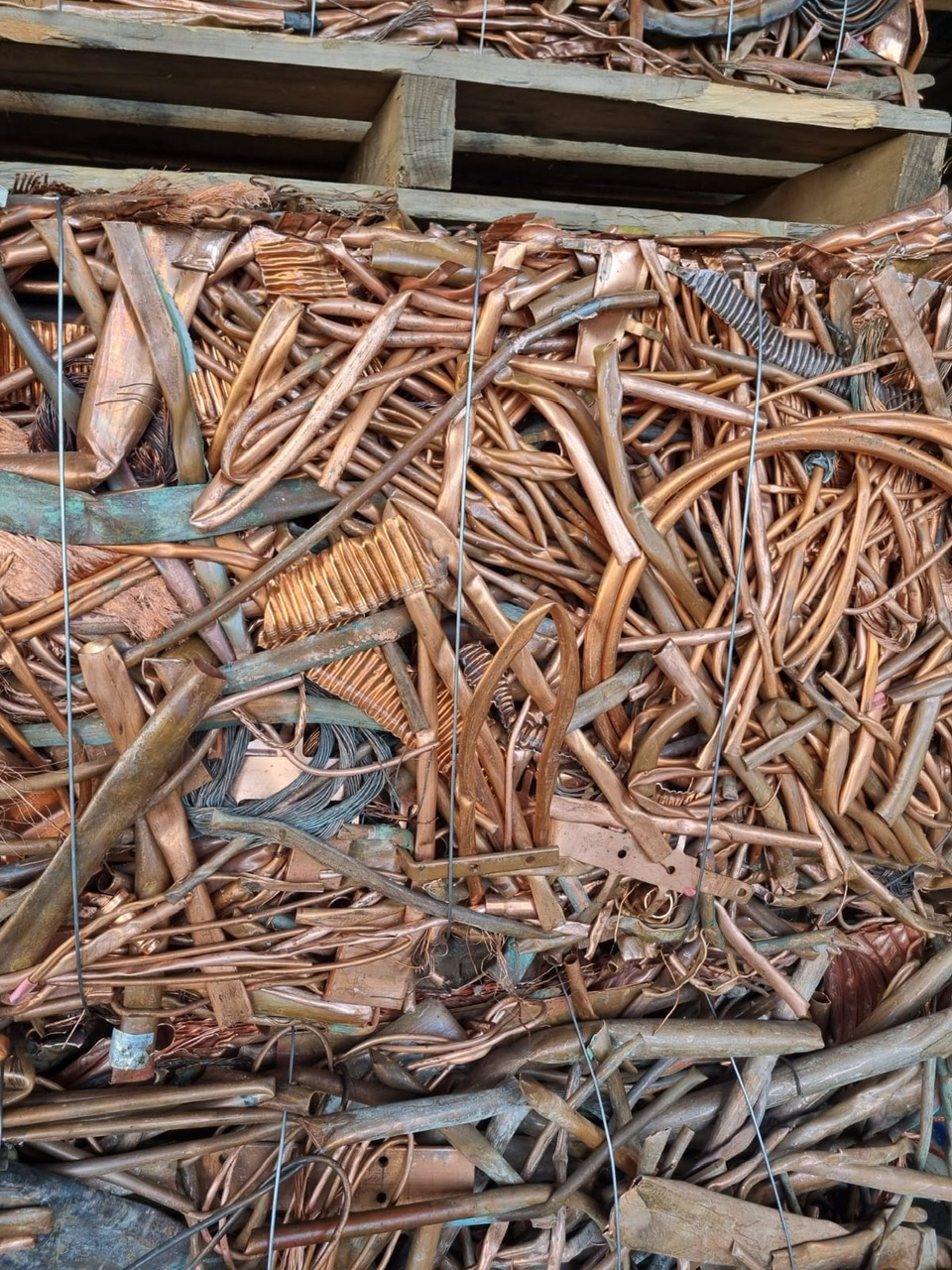
Standard No. 1 copper sample image:

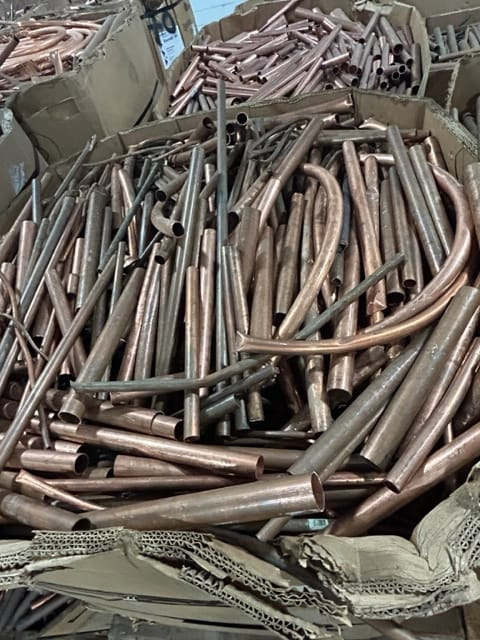
Standard No. 1 copper

Common Classification

There are some common classifications of No. 1 copper, such as:
1. Heavy Scrap Copper: includes clean, non-alloyed copper scrap, such as clean copper pipes, copper plates, and copper bars, with no impurities or non-copper attachments.
2. New Copper Clippings: new copper clippings generated during the manufacturing process, without coatings or impurities.

Common Sources

No. 1 copper materials mainly come from the remaining construction materials during new construction or renovation, and the copper scrap left over from industrial production, such as copper plates, copper bars, and copper pipes, like the copper busbars and other high-purity copper conductors in power systems. In addition, a small portion of No. 1 copper comes from household waste, such as pure copper pipes and other copper accessories.

Value Points

No. 1 copper has a higher value than No. 2 copper mainly because of its higher purity and lower impurity content. This makes No. 1 copper more suitable for direct melting and processing into high-quality copper products, while No. 2 copper usually contains more impurities and requires more complex refining processes to extract pure copper, which increases processing costs. The copper content of No. 1 copper should be greater than 99%, and the metal recovery rate should be greater than 97%.

Processing Methods

No. 1 copper can usually be directly used for melting and processing through reverberatory furnace melting, and then through intermediate heating furnace to produce cathode plates or continuous casting and rolling of copper bright bars with a copper content of over 99%. The pre-processing stage of this process is relatively simple.
1. Cutting: No. 1 copper scrap comes in various shapes, and some, such as copper pipes and copper bars, may have lengths that exceed normal standards. They should be cut and sold to facilitate transportation and use.

Copper pipes cut into suitable lengths and packed
  1. Packaging: No. 1 copper can be packaged in various ways, including pressing into blocks, packaging, packing into paper boxes, packing into ton bags, and bundling, depending on the specific materials and equipment available at the site.
Packaged No. 1 copper for sale

Detection Methods

Matching Direction

No. 1 copper is a highly standardized high-value non-ferrous metal scrap and an important non-ferrous metal raw material. China is the country with the highest copper consumption in the world, and China's copper price has a significant advantage in the world. Standard No. 1 copper completely meets China's customs import standards, so No. 1 copper is suitable for direct sale to companies or enterprises in mainland China. The companies or enterprises that match No. 1 copper are very broad, mainly including:
1. Trading companies: the large-scale trading of copper scrap requires a long chain and high capital, which is difficult for many production-type enterprises to bear. Therefore, many trading companies provide logistics, financing, customs clearance, and other services to purchase or agent No. 1 copper.
2. Processing enterprises: No. 1 copper is a highly sought-after non-ferrous metal scrap, and many products require No. 1 copper, such as purple copper electrical wires, cables, electrical materials, and enterprises that produce brass and bronze also need to purchase No. 1 copper as a regulator of copper alloy elements. Even some aluminum and zinc processing enterprises will buy a small amount of No. 1 copper to adjust the alloy element content.
3. Futures financial companies: due to the futures attribute and good liquidity of No. 1 copper, many futures financial companies will also buy and sell No. 1 copper scrap as a price anchor.

Special Attention

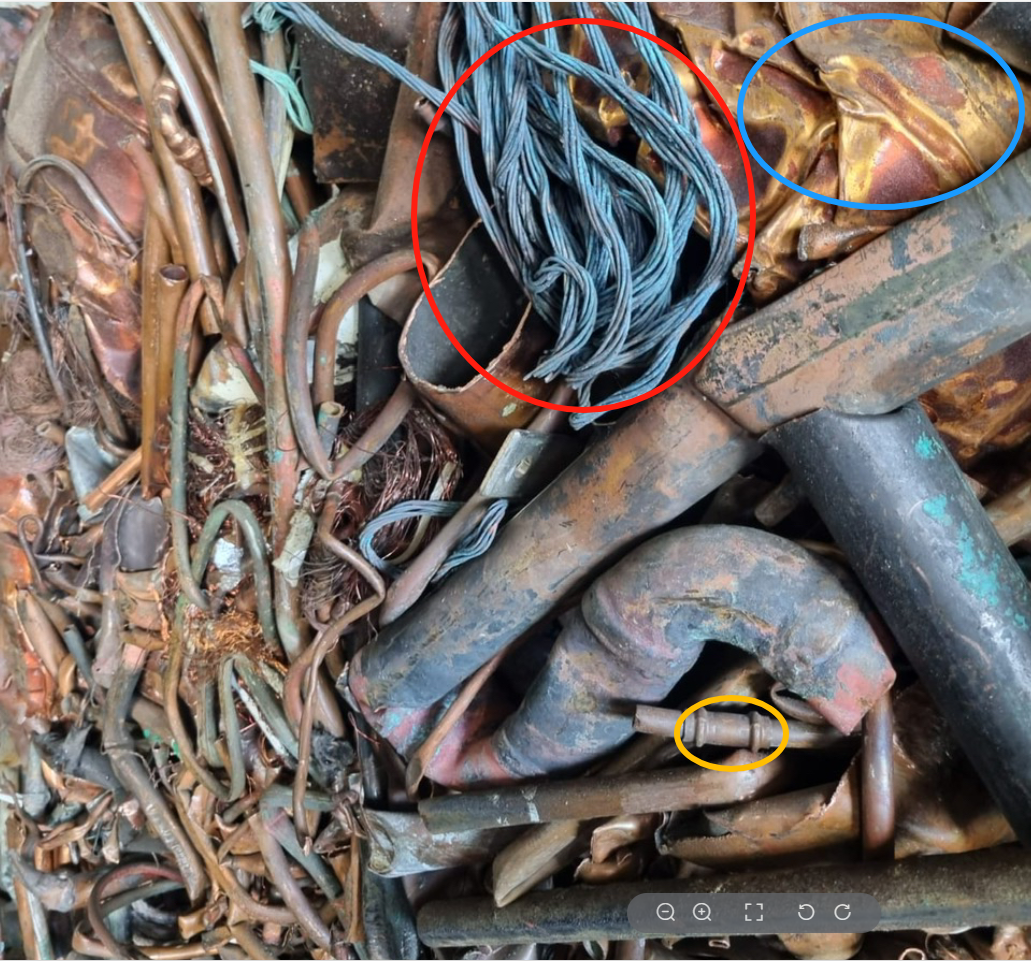
The concept of No. 1 copper comes from the ISRI classification in the United States, which is adopted and popular in many countries around the world. However, in the long-term use process, there are many situations where the standards for No. 1 copper are not followed, such as the following image. Such goods not only have great price risks but also may cause customs clearance to be rejected. In the transaction process, it is necessary to strictly require suppliers to provide physical pictures.
The standards for No. 1 copper are not well implemented in many places, such as the following image, where the red circle is a tin-plated copper, the blue circle is a painted copper, and the yellow circle is an iron杂 copper joint.

Gallery

Berry-Candy
Berry-Candy
Berry-Candy
Berry-Candy
Berry-Candy
Berry-Candy
Berry-Candy
Back to Parent Category