Birch-cliff

Scrap Wiki

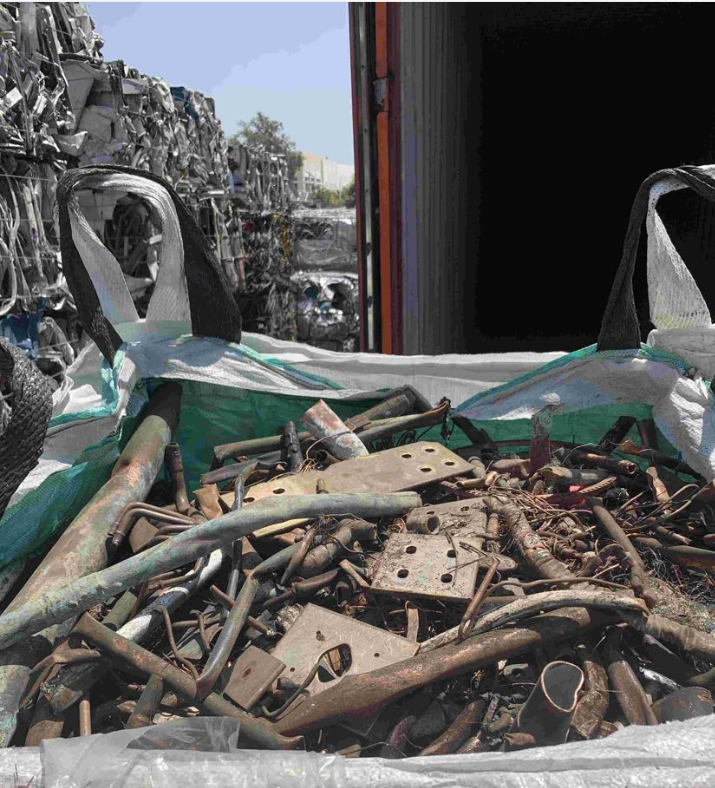
#2 Copper refers to copper scrap with a lower purity, containing some impurities. These impurities may include copper alloys such as brass fittings, copper with paint, burnt or oxidized copper wire, or copper materials with iron nails or other metal attachments such as fittings or valves. #2 Copper may also contain a certain proportion of insulation materials, but the total amount of these impurities should not be excessive. The recycling value of #2 Copper is lower than that of #1 Copper, as additional processing steps are required to remove impurities and non-metallic substances during the recycling process.
The main difference between #2 Copper and #1 Copper lies in their purity and impurity content. #1 Copper is almost pure copper, with no or very few impurities, and therefore has a higher recycling value. In contrast, #2 Copper contains more impurities, requires more processing to be reused, and thus has a lower value. #2 Copper contains a certain proportion of impurities, and its copper content is usually lower than that of #1 Copper, but at least 94% or higher.
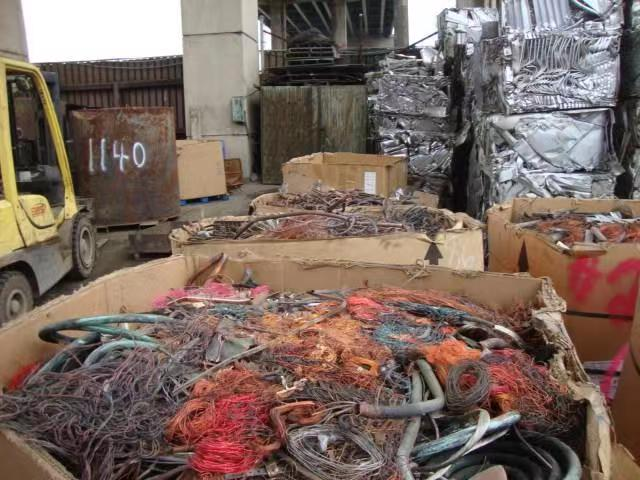
It's also worth noting the difference between #2 Copper wire and #1 Copper wire. #2 Copper wire has a lower copper content than #1 Copper wire, usually containing some alloys or minor oxidation. It may also have coatings or insulation materials, which are not allowed in #1 Copper wire. However, the proportion of these impurities is usually limited. In terms of diameter, #2 Copper wire may also be classified as such due to its thinner or finer copper (e.g., copper wire with a diameter of less than 1.6 mm). Due to the presence of more impurities, the recycling value of #2 Copper wire is usually lower than that of #1 Copper wire, as additional processing steps are required before melting.
In the ISRI classification, #2 Copper wire is called Birch, which is defined as non-alloyed copper wire with a copper content of 96% (minimum 94%). It should not contain the following components: copper wire with excessive lead and tin, soldered copper wire, brass and bronze wire, excessive oil, iron, and non-metallic materials, burnt copper wire, insulation materials, thin copper wire, and brittle copper wire burned in the fire. #2 Copper materials are called Cliff, which is defined as non-alloyed copper scrap with a copper content of 96% (minimum 94%). It should not contain the following components: copper wire with excessive lead and tin, soldered copper wire, brass and bronze, excessive oil, steel, and non-metallic materials, copper pipes with non-copper fittings or residual copper pipes, burnt copper wire, insulation materials, thin copper wire, and brittle copper wire burned in the fire.
In routine non-ferrous metal transactions, #2 Copper wire (Birch) and #2 Copper materials (Cliff) are often mixed and sold together, and this scrap is often referred to as Birch-Cliff, or #2 Copper, in international scrap trade.
Common Classification

The common classification of #2 Copper (#2 Copper) is:
1. Tinned Copper: The surface of the copper material may have a tin (or tin-lead) plating, but the copper itself is of good quality.
2. Burnt Copper: The surface has burn marks or severe oxidation, such as copper wires and copper pipes.
3. Coated Copper: The copper wire or copper pipe has a coating, paint, or insulation material on the outside, which can be removed through simple processing.
4. Copper with Alloy: The copper material contains a certain proportion of other metals, such as brass and bronze, but the copper content is still high.

Common Sources

#2 Copper generally comes from household waste. For example, household copper pipes and copper wires with minor impurities or coatings, burnt copper wires, or copper materials with minor oxidation, copper waste with welding materials or oil pollution, or copper alloys with high copper content. Copper from electronic products and electrical appliances may require further processing to remove non-copper elements. Some household items made of pure copper, such as old faucets, fittings, or copper decorations, may be classified as #2 Copper due to surface coatings or oxidation.
Compared to #1 Copper, #2 Copper usually contains some impurities or alloy elements, so its value is slightly lower.

Value Points

The key factors affecting the value of #2 Copper scrap are the strictness of the goods' standards. #2 Copper should not contain copper alloys (such as brass and bronze) or other metals or metal impurities. The standard metal recovery rate of #2 Copper should be greater than 94%.

Processing Methods

The final processing method for #2 Copper scrap is relatively simple and does not require special pre-processing, and can be directly furnace-smelted to produce different specifications of recycled copper ingots.
Other processing mainly involves cutting, bundling, and packaging to meet the requirements of transportation, shipping, and customs clearance.

Detection Methods

The detection method for #2 Copper is mainly through crucible smelting to detect the metal recovery rate.

Matching Direction

#2 Copper is a type of copper scrap that is close to standardization, and the market has a relatively complete standard for identifying #2 Copper. The Chinese market has a price advantage for #2 Copper, and many #2 Coppers are sold to China. Therefore, the standard for recycled copper raw materials GB/T 38471-2023 in China often becomes the standard for #2 Copper scrap in a global context. The downstream buyers of #2 Copper are mainly in China, with some in Japan, South Korea, and other regions with relatively good prices.

Special Attention

Be cautious of the quality issues of #2 Copper, especially those sold to China, which may lead to customs rejection and economic losses. For suspicious sources, the risk of rejection should be explained to the buyer or seller during the transaction, and a commitment to bear the responsibility for rejection should be obtained from either party.
The left image is #2 Copper with poor quality that was rejected by customs, and the right image is #2 Copper mixed with a large amount of enameled wire, both of which do not meet the standard of regular #2 Copper.

Rejected #2 Copper with poor quality
#2 Copper mixed with a large amount of enameled wire

Gallery

Birch-cliff
Birch-cliff
Birch-cliff
Birch-cliff
Birch-cliff
Birch-cliff
Birch-cliff
Back to Parent Category