Tinned copper wire

Scrap Wiki

Tinned Copper, also known as Tinned Copper, refers to copper materials with a layer of tin on the surface. The tin coating provides additional corrosion protection, enhances the anti-oxidation ability of copper, and facilitates soldering. This material is commonly used in electrical wires, cables, electrical connectors, and other electronic components.
The elemental composition of Tinned Copper mainly consists of two parts:
1. Substrate: The substrate is copper, usually high-purity copper, due to its excellent conductivity and thermal conductivity. Copper's purity can be very high, typically reaching 99.9% (known as electrolytic copper), making it particularly popular in electrical applications.
2. Coating: The coating is tin, usually with a relatively thin tin coating, but sufficient to provide protection and soldering properties. The thickness of the tin layer may vary depending on the product's application and manufacturer's specifications.
Tinned Copper combines the excellent physical properties of copper with the corrosion resistance of tin, making it exhibit longer lifespan in many environments, especially where oxidation or corrosion may occur. Additionally, Tinned Copper can prevent the "whisker" phenomenon, where small copper crystals form on the bare copper surface, which can cause short circuits in electronic devices.
Since the main component of Tinned Copper is still copper, its electrical performance is primarily determined by copper, while the tin coating provides mechanical and chemical protection, as well as improved soldering performance.
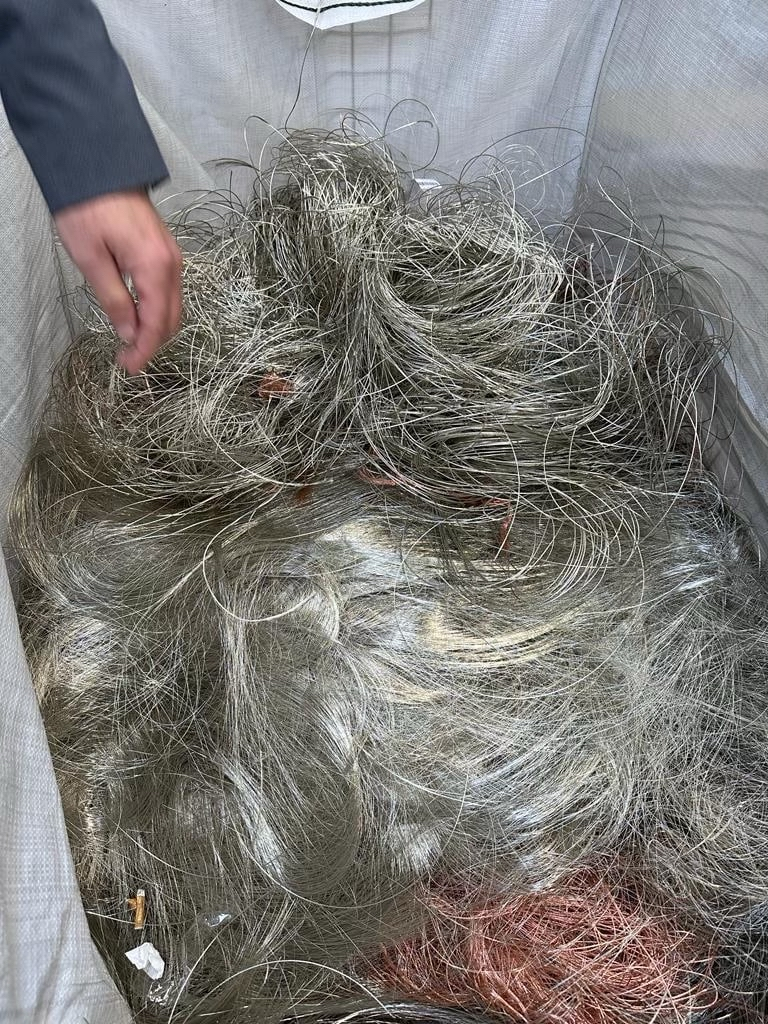
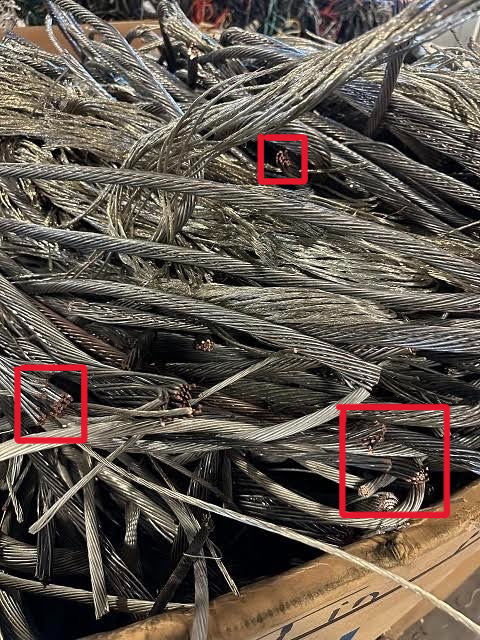
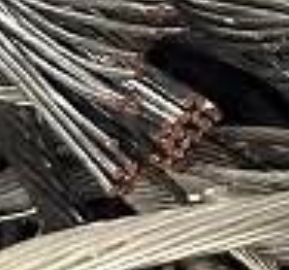
The left image presents a common assortment of tin-plated copper waste. Upon closer inspection of the punched holes indicated by the red box, the underlying purple luster characteristic of pure copper becomes evident. The right image depicts a typical tin-plated copper wire, and when viewed in cross-section, the pure copper core exhibits a distinctive purple sheen.

Tin-plated copper scrap blend
Typical appearance of tin-plated copper wire

Common Classification

Tinned Copper is mainly classified according to its shape, specifications, and application fields. The following are some common classifications of Tinned Copper:
1. Tinned Copper Wire (Tinned Copper Wire):
* Single-strand Tinned Copper wire: Made from a single copper wire with a tin coating, commonly used for electronic component leads and soldering points.

Single-strand Tinned Copper wire
* Multi-strand Tinned Copper wire: Made from multiple thin Tinned Copper wires twisted together, with better flexibility and bending properties, suitable for use as connection wires and cables.
Multi-strand Tinned Copper wire
The purplish-red copper cross-section visible in the cross-section
  1. Tinned Copper Tape (Tinned Copper Tape):
    • Used for shielding, grounding, and electrical connections, commonly used in electromagnetic shielding applications, such as shielding cables and electronic device internals.
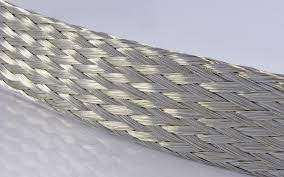
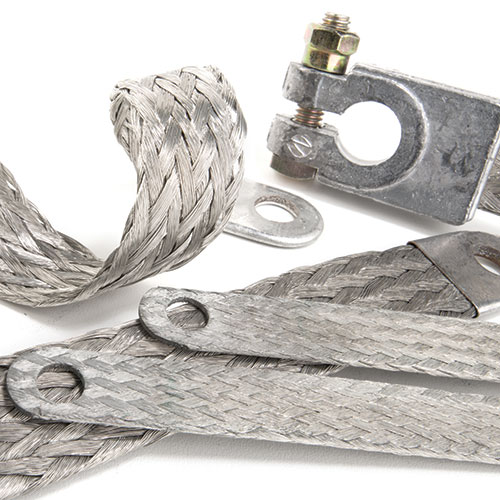
  2. Tinned Copper Braid (Tinned Copper Braid):
    • Made from multiple Tinned Copper wires braided together, used as grounding straps or shielding materials, with good flexibility and shielding effects.
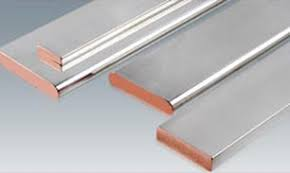
  1. Tinned Copper Busbar (Tinned Copper Busbar):
    • Typically a thicker Tinned Copper bar, used in electrical distribution systems as a main conductor for concentrated current transmission.
Tinned Copper Busbar
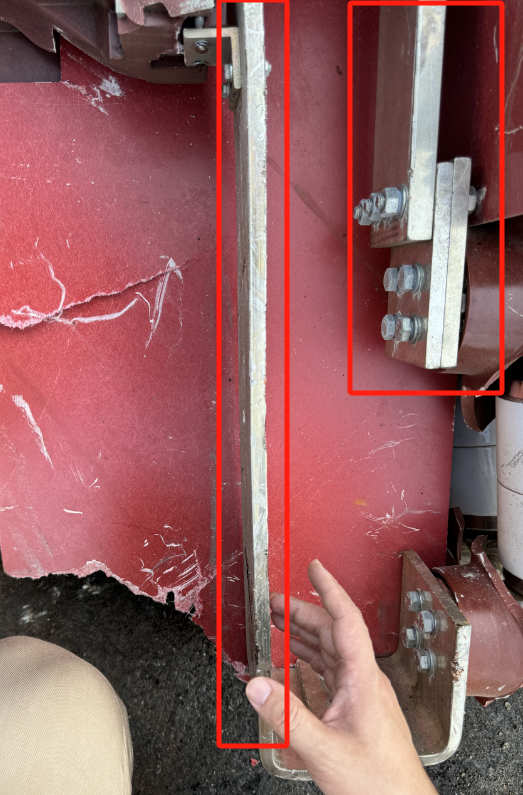
Tin-plated copper busbar (strip) at the transformer connection
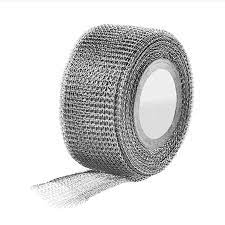
  1. Tinned Copper Mesh (Tinned Copper Mesh):
    • Made from Tinned Copper wires woven into a mesh structure, commonly used for shielding, filtering, and grounding applications.
  1. Tinned Copper Flat Wire (Tinned Copper Flat Wire):
    • Flat-shaped Tinned Copper wire, used in certain special electrical and electronic applications, where a larger surface area or special shape is required.

According to different application requirements, Tinned Copper can also have different tin coating thicknesses and purity levels. For example, some applications may require a thicker tin coating to provide better corrosion resistance, while others may only require a very thin tin coating.

Common Sources

Tinned Copper is widely used in various applications, especially in the electronics and electrical industries, due to its good conductivity, corrosion resistance, and ease of soldering. Therefore, it can often be collected from the following environments:
1. Electrical wires and cables: Tinned Copper wires are commonly used in cable manufacturing, particularly in environments with high corrosion resistance requirements, such as marine, industrial, or outdoor applications.
2. Circuit boards: On printed circuit boards (PCBs), Tinned Copper wires or solder pads are used to improve soldering effects and protect copper solder points from oxidation. Therefore, electronic waste also contains a large amount of Tinned Copper.
3. Electrical connectors and terminals: Electrical connectors and terminals use Tinned Copper to improve corrosion resistance, especially in humid or chemically corrosive environments. Common examples include large transformer strips.
4. Automotive electrical systems: In automotive electrical systems, Tinned Copper is used to manufacture various electrical wires and connectors, improving their durability and reliability. Automotive dismantling can collect Tinned Copper wires and plugs.
5. Power systems: In power lines and power distribution systems, Tinned Copper can help reduce contact resistance and protect electrical wires from corrosion.
6. Industrial control systems: In industrial control devices, Tinned Copper is used to manufacture signal wires, control wires, and electrical components used in harsh environments.
7. Marine applications: Due to its good seawater corrosion resistance, Tinned Copper is often used in shipboard and offshore platform electrical systems. Ship dismantling can recover Tinned Copper wires.
8. Audio and video equipment: In audio and video equipment, Tinned Copper is used as signal transmission cables to reduce signal loss and interference. Old audio equipment and amplifiers can be recycled for Tinned Copper.
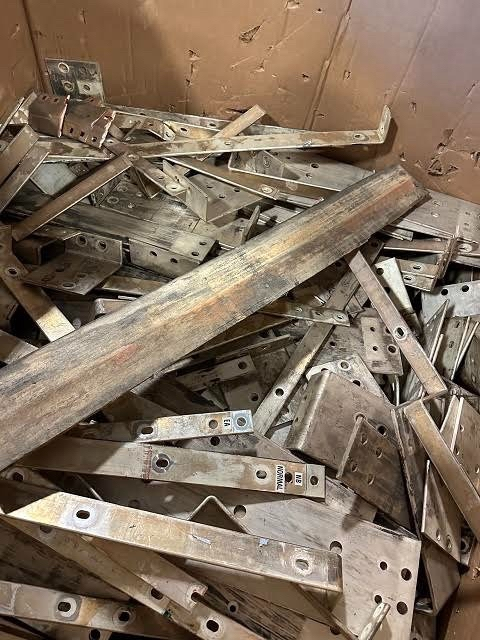
The following figure shows tin-plated copper strips for various electrical connections.

Tin-plated copper strips for various electrical connections

Value Points

The value of Tinned Copper waste lies in the following aspects:
1. Do not mix with other metals:
* Tinned Copper's quality and value are close to those of pure copper, and its value is relatively high and stable. Ensure that Tinned Copper is not mixed with aluminum alloys, stainless steel, or other metals.
* Clean the waste, remove oil, dust, and other attached impurities to increase its value.
2. Classification:
* Classify the waste according to its type (such as wire, tape, braid, etc.) and, if possible, package each type separately to facilitate buyer evaluation.
3. Quantification:
* Accurately quantify the weight of the waste.
* Perform handheld spectroscopy analysis on materials with suspicious composition to eliminate buyer concerns and increase potential prices.

Processing Methods

The processing of Tinned Copper involves special steps to ensure safe and effective recycling. The following are some key points in the direct utilization process of Tinned Copper waste:
1. Sorting and pre-treatment:
* Separate Tinned Copper waste from other types of metals or non-metallic impurities to ensure material purity.
* Clean the materials to remove oil, dust, and other surface contaminants that may cause problems in subsequent melting or processing.
2. Melting:
* Tinned Copper waste usually needs to be melted to extract reusable copper and tin.
* Pay attention to the melting points of tin (around 232°C) and copper (around 1085°C) during the melting process.
* Sometimes, chemical additives or fluxes are added to the melting process to help separate tin and copper.
3. Tin recovery:
* Since tin has a lower melting point, it can be recovered first without fully melting copper.
* Recovered tin can be used in other processes, such as soldering materials or re-tinning.
4. Environmental considerations:
* The processing and recycling of Tinned Copper waste must comply with local environmental regulations to minimize environmental impact.
* Properly handle waste gases, wastewater, and solid waste generated during the process.
5. Quality control:
* Perform quality control throughout the utilization process to ensure that the recovered metals meet the required standards and purity.
6. Re-processing:
* Melted and purified copper can be directly used to manufacture new copper products or further processed into different copper materials, such as copper rods, copper wires, etc.
* If the shape and size of the Tinned Copper waste allow, it can be directly cut or shaped for specific applications without complete melting.

Detection Methods

When detecting Tinned Copper waste, the main focus is on verifying the true material composition and potential impurities. The following are some common detection methods:
1. Visual inspection:
* Visually inspect the Tinned Copper waste to identify any obvious abnormalities, corrosion, or other defects.
2. Chemical composition analysis:
* Use X-ray fluorescence spectroscopy (XRF) for rapid, non-destructive composition analysis to determine the main components and metal composition of the coating.
* Perform more detailed chemical analysis, such as mass spectrometry (MS) or energy-dispersive X-ray spectroscopy (EDS) analysis, to identify micro-elements in the Tinned Copper.

Matching Direction

Upgrade matching: American yellow copper is suitable for matching with factories producing copper rods above 60, and domestic and Middle Eastern yellow copper is suitable for matching with factories producing low-end copper rods below 57.
Downgrade matching: Sorting out poorer quality yellow copper waste is often used to produce various ingots and miscellaneous ingots.
Strong competitive market: The Chinese mainland market has the strongest competitive power for yellow copper waste in terms of price and demand. In addition, China Taiwan and Japan also have certain competitive power.

Special Attention

Tinned Copper's appearance is extremely deceptive and can easily be confused with aluminum alloys or stainless steel. Due to the large price difference, suppliers should ensure that no other metals are mixed in during transactions to avoid losses and disputes.
When quoting, suppliers should provide as many photos of the goods as possible. Goods that do not match the description are likely to cause disputes and claims.

Gallery

Tinned copper wire
Tinned copper wire
Tinned copper wire
Tinned copper wire
Tinned copper wire
Tinned copper wire
Tinned copper wire
Back to Parent Category