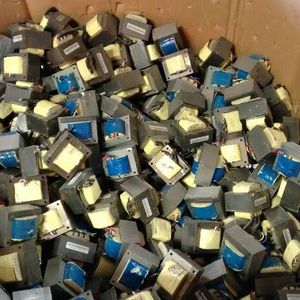
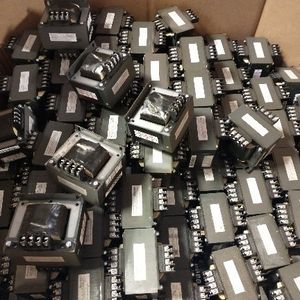
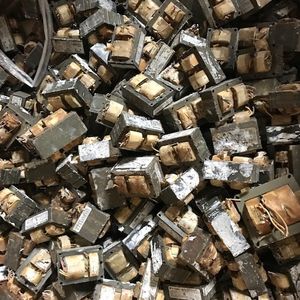
Copper transformer small

Scrap Wiki

A transformer is a device that uses the principle of electromagnetic induction to change the voltage of alternating current. It is widely used in various industries, agriculture, transportation, and living scenes, and is a basic device for power transmission and distribution. Transformers can be classified into several types based on their purpose, including distribution transformers, power transformers, fully sealed transformers, combined transformers, dry-type transformers, oil-immersed transformers, single-phase transformers, electric furnace transformers, rectifier transformers, reactors, interference-proof transformers, lightning-proof transformers, and test transformers.
The main structural components of a transformer consist of primary and secondary coils, as well as a core, which is generally made of silicon steel sheets. The coil section is also known as the winding, typically wound with dual-insulated flat wires or enameled round wires, and usually made of pure copper. Occasionally, transformer windings are made of aluminum. The value of an aluminum transformer winding is significantly lower than that of a copper one, so special attention should be paid to this difference.
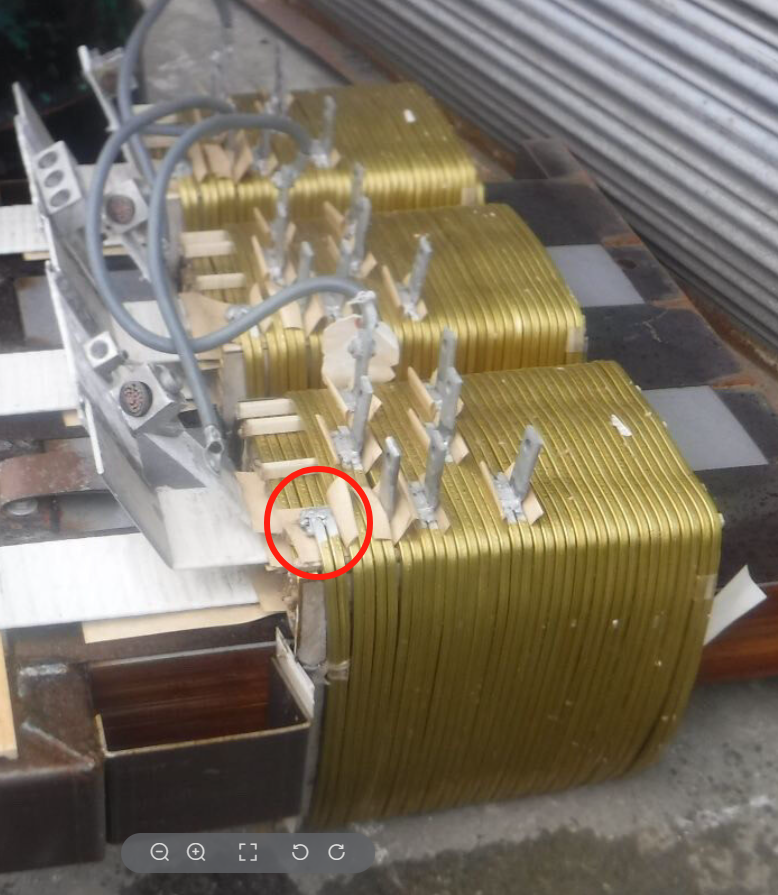
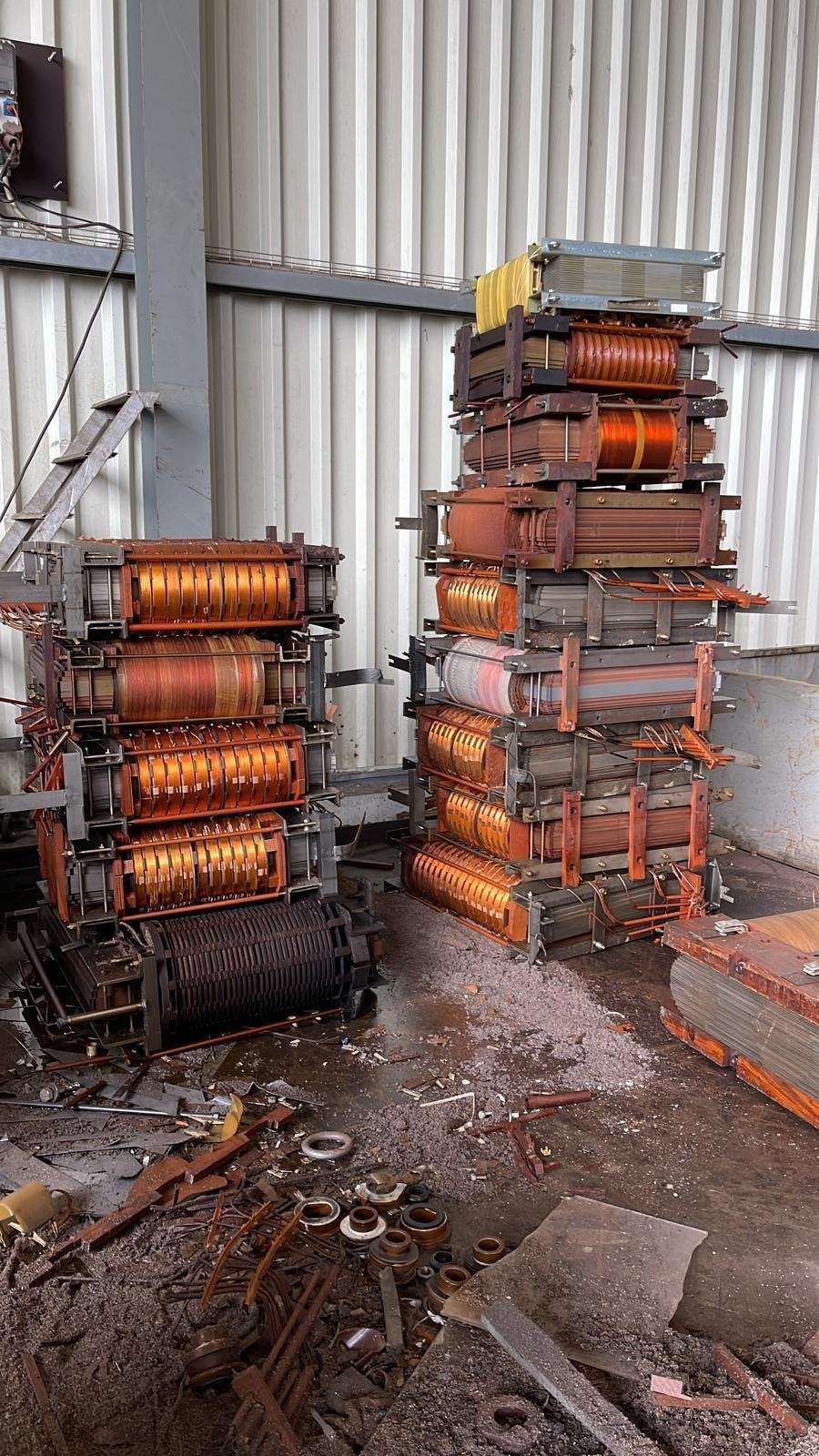
Scrapped transformers, as a common type of waste, derive their value mainly from the copper or aluminum in their windings, which is why they are categorized as common non-ferrous metal scrap. Transformers may be scrapped due to reasons such as exceeding their service life, damage, or burnout. As shown in the image below, a three-core transformer has had its outer casing removed, revealing three windings wrapped around silicon steel sheets.

Shell-less three-core transformer

In the image below, the connector inside the red box on the left is typically made of tin-plated copper strips, which have high value. The right image clearly shows the structure of the transformer, where the winding is wrapped and separated by insulating paper.

The connector inside the red box is typically made of tin-plated copper strips, which are highly valuable
structure of transformers

Common Classification

Common Sources

Transformers can be classified into several types based on their characteristics, including:
* Transformers are classified into copper transformers, aluminum transformers, and half-copper half-aluminum transformers based on the coil material.
The main value of a transformer comes from the material of its coils. Therefore, copper and aluminum need to be strictly distinguished, as their values differ significantly. In most cases, a pure copper or pure aluminum transformer can generally be identified by inspecting the transformer after removing the outer casing. However, special attention should be paid to half-copper half-aluminum transformers. These transformers typically have internal windings made of aluminum wire and sparse copper wire on the outer windings, making it difficult to distinguish just by looking at the outer layer. During inspection, extra attention should be given to the metallic color on the cross-section.
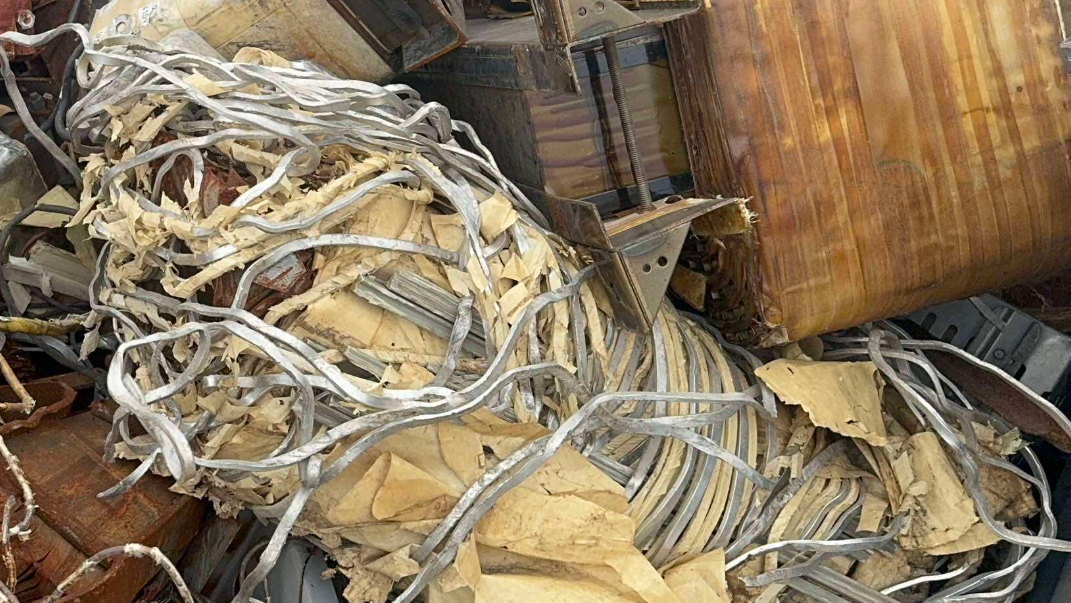
The left image below shows the winding of an all-aluminum transformer, while the right image shows the exposed aluminum winding at the red-circled area where the insulation is damaged. This can be used to differentiate between copper and aluminum transformers.

Aluminum winding
Aluminum winding
Identify aluminum
Identify aluminum

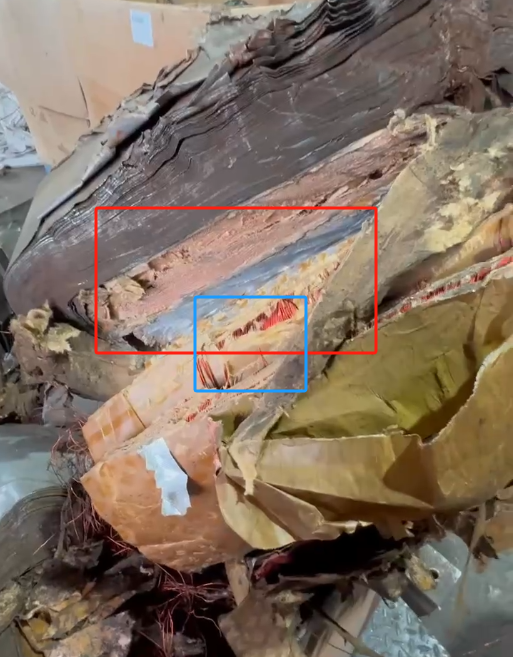
The image below shows a half-copper half-aluminum transformer. The red box highlights the silver-white aluminum wire in the inner layer, while the blue box shows the enameled wire in the outer layer.

Half-copper aluminum transformers
  • Transformers are classified into large, medium, small, and mixed types based on their size specifications.
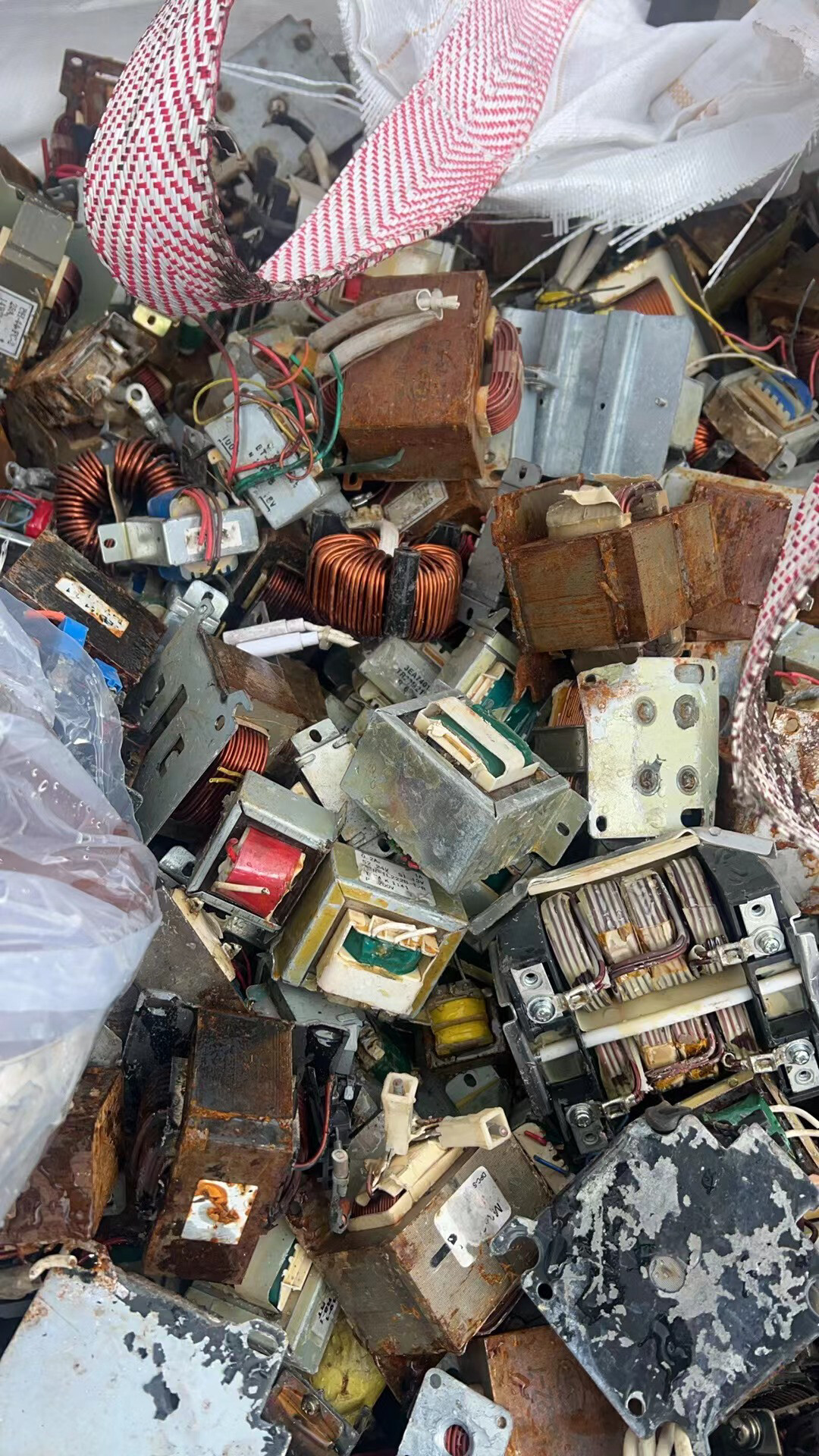
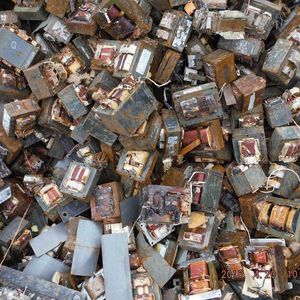
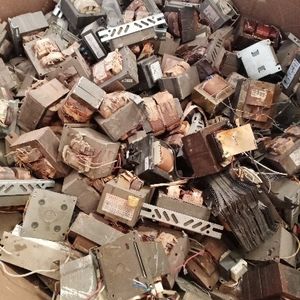
    Generally, the larger the transformer, the relatively lower its copper content. The copper content of copper transformers is typically around 17-30%. However, their windings are often made of flat copper wires, which have a higher recycling rate as scrap compared to enameled wires. The left image below shows a small transformer, while the right image shows a large transformer.
small transformer
big transformer

Value Points

When evaluating the value of a transformer, several factors should be considered, including:
* The copper content of the coils: This is the most valuable part of the transformer.
* The size and type of the transformer: Larger transformers tend to have a lower copper content, while smaller transformers have a higher copper content.
* The presence of oil and paper: Oil and paper can affect the copper content and the overall value of the transformer.
* The presence of silicon steel sheets: These sheets can affect the magnetic properties of the transformer and its overall value.

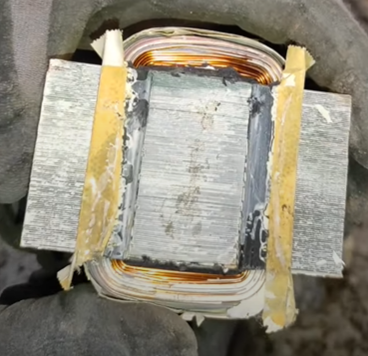
The structure of a small transformer, showing the enameled wire windings and the stacked silicon steel sheets.

Processing Methods

The processing of transformers typically involves manual disassembly, which can be divided into several steps:
* Removing the outer casing: This can be done using a hammer or oxy-acetylene cutting.
* Removing the coils: This can be done using a hammer or cutting tools.
* Processing the coils: The coils can be processed into copper wire or other products.

Detection Methods

The detection of transformer waste typically involves checking the material of the coils. This can be done by partially or completely destroying the outer casing and inspecting the coils. However, some transformers may have a combination of copper and aluminum coils, making detection more challenging.

Matching Direction

Transformers are often processed in countries with low labor costs, such as Thailand, Malaysia, and Pakistan. These countries have lenient import policies and low labor costs, making them ideal for processing transformers.

Special Attention

When dealing with transformers, it's essential to pay attention to the following:
* The authenticity of the pictures: Make sure the pictures provided by the supplier are accurate and representative of the actual product.
* The presence of aluminum: Aluminum transformers have a lower value than copper transformers, and it's essential to identify them accurately.
* The copper content: Make sure to accurately determine the copper content of the transformer to avoid any disputes.
* The presence of rare earth materials: Some transformers may contain rare earth materials, such as neodymium, which can be valuable.

Gallery

Copper transformer small
Back to Parent Category