Scrap Wiki
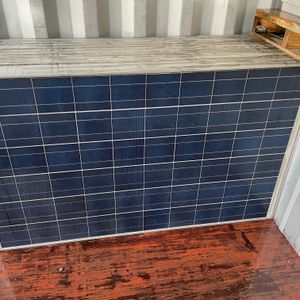
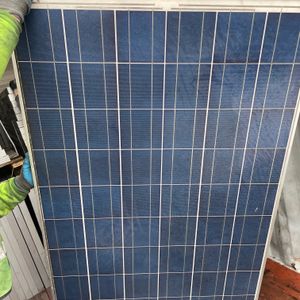
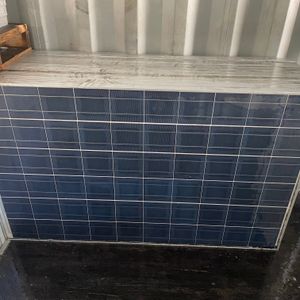
Solar panels are a crucial component of solar power generation. The basic principle of operation is based on the photovoltaic effect of silicon solar cells. When sunlight hits the silicon solar cells, photons interact with the silicon material, exciting free electrons and forming an electric current. Through connections between cells and between cells and external circuits, these currents are collected and used for power supply or storage.
The main structure of solar panels includes:
1. Solar Cells:
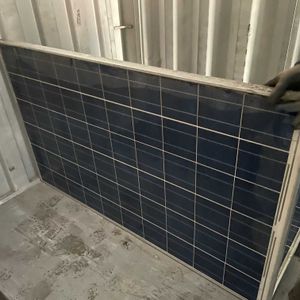
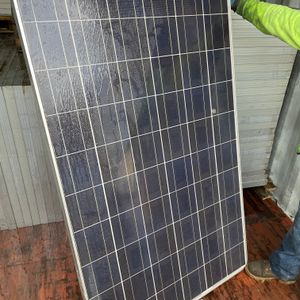
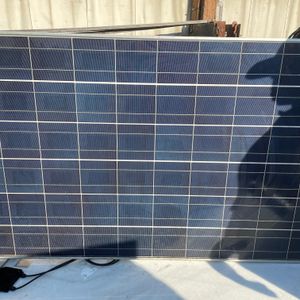
This is the core part of the solar panel, usually made of silicon, including monocrystalline and polycrystalline silicon as the two main types. Silicon solar cells can absorb photons from sunlight to excite electrons and produce electric current.
2. Glass Cover:
The front of the solar panel typically consists of a layer of high-transparency protective glass, designed to protect the solar cells from environmental factors such as rain, dust, and mechanical impact, while allowing maximum sunlight to pass through.
3. Encapsulation Materials:
The encapsulation materials used between solar cells and between solar cells and the glass cover are usually EVA (ethylene-vinyl acetate), which provides stable mechanical support and protects the solar cells from water erosion and oxidation.
4. Backsheet:
The back of the solar panel is usually covered with a backsheet, typically made of durable materials such as polyester or polyvinyl fluoride. The backsheet protects the internal structure from environmental damage and provides electrical insulation.
5. Junction Box:
The junction box is located on the back of the solar panel and is used to connect the internal wires, directing the current to external circuits through cables. The junction box often contains bypass diodes to prevent hotspots during partial shading and protect the solar panel.
6. Aluminum Frame:
Most solar panels have an aluminum frame around the perimeter, which enhances the structural strength and facilitates installation and fixation. The aluminum frame also provides a degree of mechanical protection, preventing edge damage.
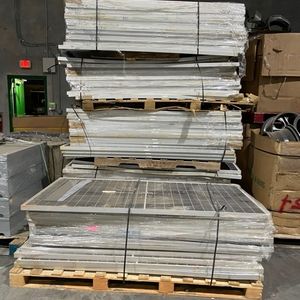
Solar panel waste contains valuable metals such as aluminum, copper, silver, and silicon, which can be effectively extracted and reused during the recycling process. The following are common recyclable metals found in solar panels:
1. Aluminum:
The frame of solar panels is typically made of aluminum. Aluminum is lightweight, corrosion-resistant, and well-suited for outdoor solar devices. Aluminum frames can be recycled through crushing, separation, and smelting, and reused to manufacture new aluminum products. Aluminum accounts for approximately 8-15% of the solar panel's weight.
2. Copper:
Copper is primarily used for connecting wires between solar cells and modules. Copper has excellent electrical conductivity and is a crucial material for manufacturing electrical devices. Through appropriate chemical or mechanical treatment, copper can be recovered from waste solar panels and remelted into high-purity copper material. Copper accounts for a relatively small percentage, typically around 1% of the total weight.
3. Silver:
Silver is used as a conductive grid line in solar cells, although its content is not high. However, due to its high value, silver is an important part of solar panel recycling. Silver can be extracted from waste solar cells through chemical or electrochemical methods and reused after purification. Silver accounts for a very small percentage, typically 0.1% or less of the solar panel's total weight.
4. Silicon:
The primary component of solar cells is silicon, particularly monocrystalline and polycrystalline silicon. Silicon wafers can be separated from waste solar cells through crushing and chemical treatment, and after purification, can be used to manufacture new solar cells or other silicon-based products.