E meteres digital no cover

Scrap Wiki

Electric meters are typically used to measure and record the consumption of electric power. These devices can be based on different technologies, including traditional mechanical meters (analog) and modern electronic meters (digital). Both have different structures and components:
Electronic meters have a more complex structure, consisting of:
- Electronic measurement components: Measure current and voltage using electronic circuits and calculate power and energy consumption.
- Microprocessor: Process measurement data and control display and communication functions.
- Display: May be LCD or LED, used to display energy consumption and other information.
- Communication interface: Allows for remote reading and monitoring of meter data, possibly including wireless or wired connections.
- Power supply: Provides power to electronic components.
- Housing: Typically made of plastic, used to protect internal electronic components.
Below is a common appearance of electronic meters:
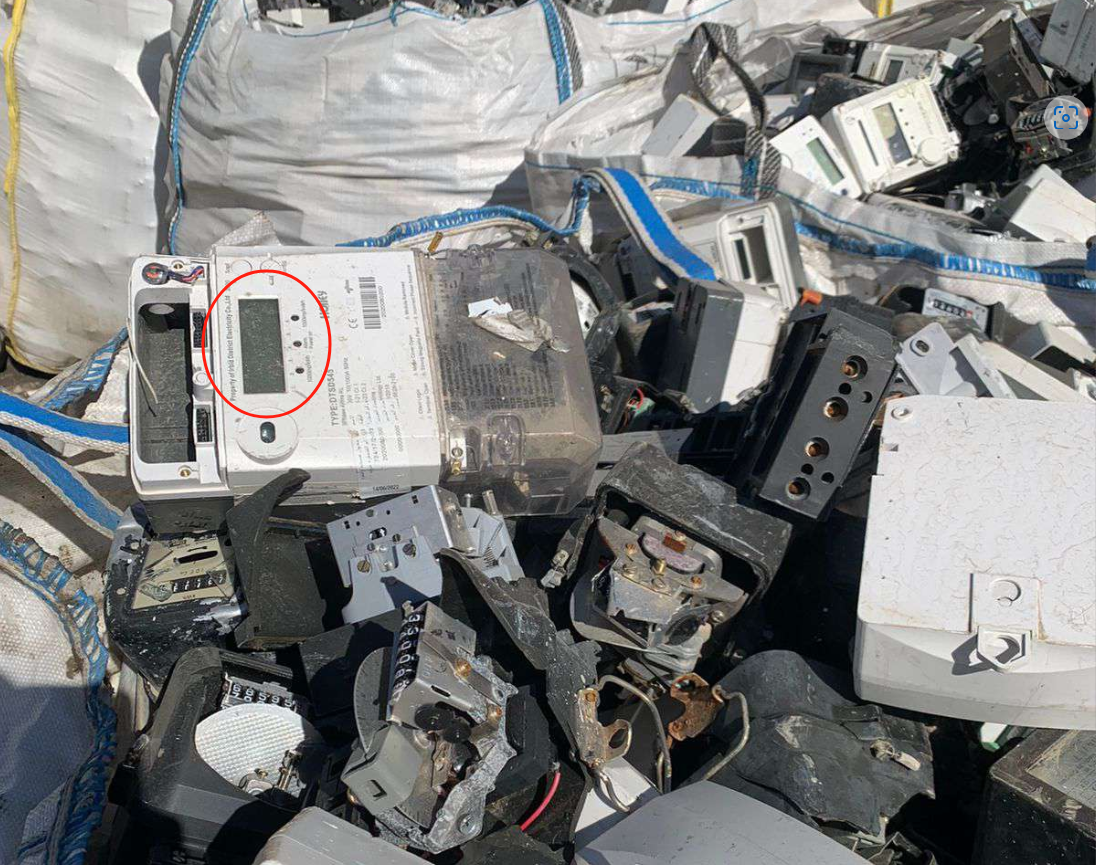
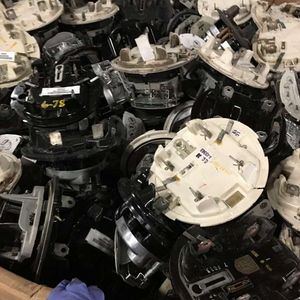
Common electronic meter

Common Classification

Divided into common mechanical meters (analog) and modern electronic meters (digital). Additionally, classification can be based on the external material (e.g., shell-less, plastic shell, glass shell, etc.)

Common Sources

The recycling of discarded electric meters typically involves the following channels:
1. Public utility companies: Many power companies regularly replace old meters, including upgrading to smart meters, which generates a large number of discarded meters. These companies usually have their own recycling plans or cooperate with professional recycling companies to handle these discarded meters.
2. Waste recycling centers: Some waste recycling centers or waste disposal plants accept discarded meters and dismantle them to recover metals and other valuable materials. Residents or businesses can directly deliver discarded meters to these recycling centers.
3. Professional e-waste recycling companies: These companies specialize in the recycling of electronic products, including discarded meters. They usually have professional equipment and qualifications for handling electronic waste, allowing them to safely dismantle meters and recover valuable materials.
4. Construction demolition or renovation sites: Building demolitions or renovations often discard a large number of meters, usually of similar specifications and quality, making them convenient for recycling and processing.
5. Commercial and industrial establishments: Some commercial or industrial facilities also generate discarded meters during upgrades or maintenance of their electrical infrastructure. These facilities usually cooperate with waste recycling companies to ensure proper handling of these discarded materials.

Value Points

Valuable materials in discarded electronic meters include:
- Metals: Copper (enamel-coated wires and copper wires), aluminum (used in some structural components), and steel (used in the shell and structural components).
- Plastics: The shell and internal insulation components may be made of various plastics, which can be recycled and reused.
- Electronic components: In electronic meters, circuit boards contain various valuable components, belonging to low-grade circuit boards. These may contain silver, gold, palladium, and other precious metals, as well as copper and other recyclable metals.

Processing Methods

Electric meters, as mixed goods, require dismantling before becoming valuable metal waste. The dismantling process mainly involves manual and mechanical dismantling. Manual dismantling involves opening the shell, removing internal valuable metal components and electronic components, and classifying them. Mechanical dismantling involves crushing the meter and then separating the shell (stainless steel, aluminum) and internal structural components, circuit boards, etc. through sorting.

Detection Methods

Discarded meter waste is typically detected through trial dismantling and classification.

Matching Direction

Electric meters are primarily dismantled manually, making them suitable for dismantling in areas with lower labor costs. The dismantled materials include copper and circuit boards, which are in high demand in countries like Thailand and Malaysia with good copper prices. Therefore, discarded meter waste is suitable for sale to dismantling factories in Thailand and Malaysia.

Special Attention

When trading discarded meter waste, it is essential to pay attention to the consistency between the reported photos and actual goods, as well as the consistency between the reported location and actual shipping location. This is because discarded meter waste has a high degree of variability, and prices are heavily dependent on information such as images and origin.

Gallery

E meteres digital no cover
Back to Parent Category