Melon

Scrap Wiki

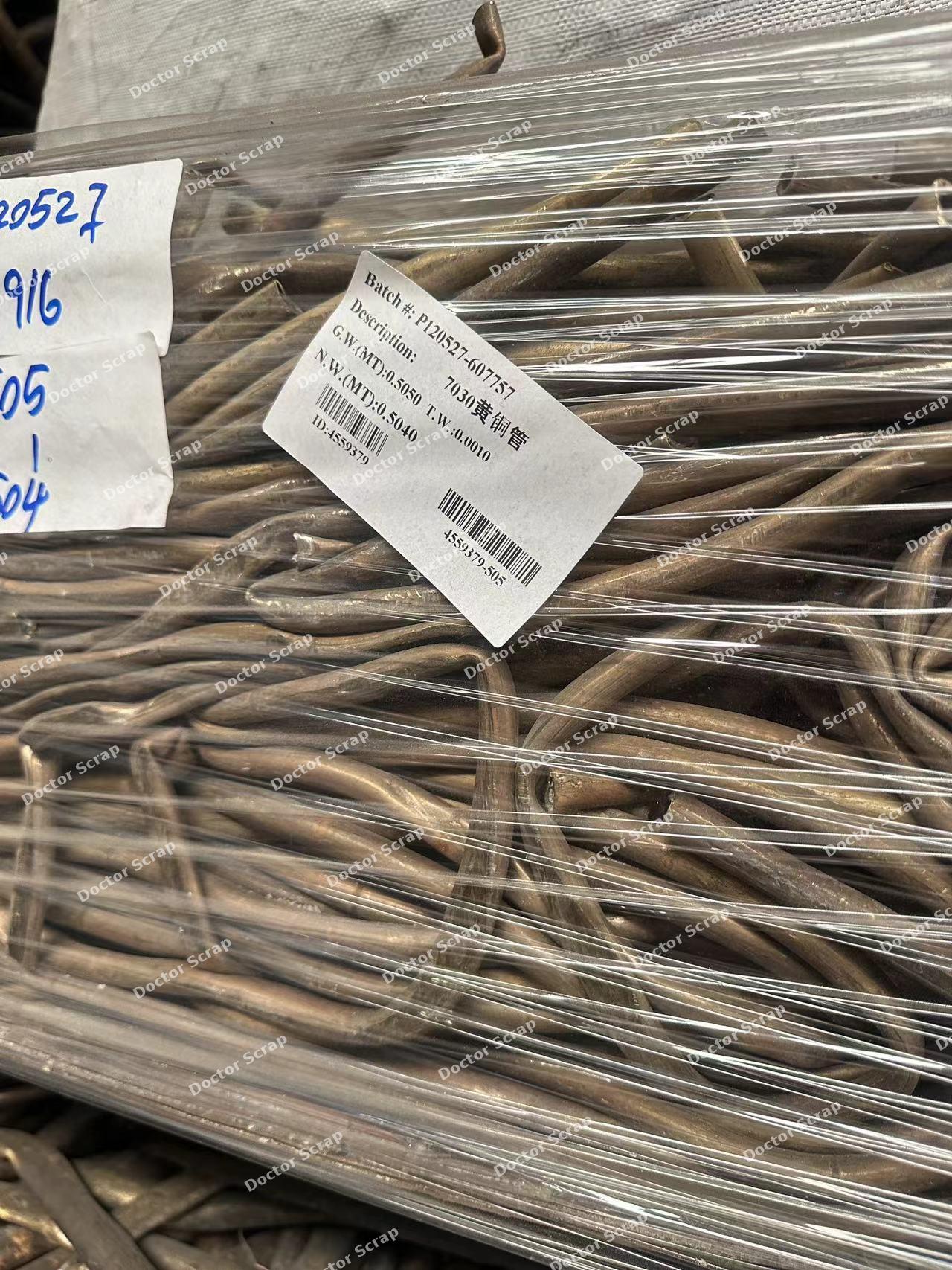
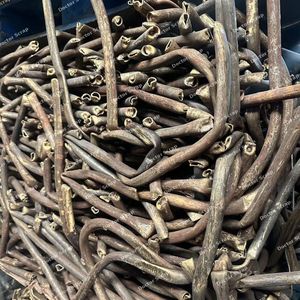
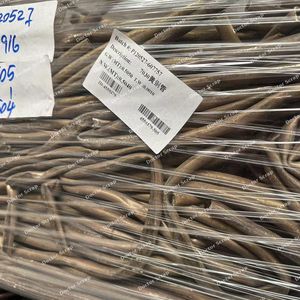
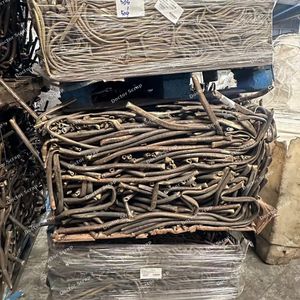
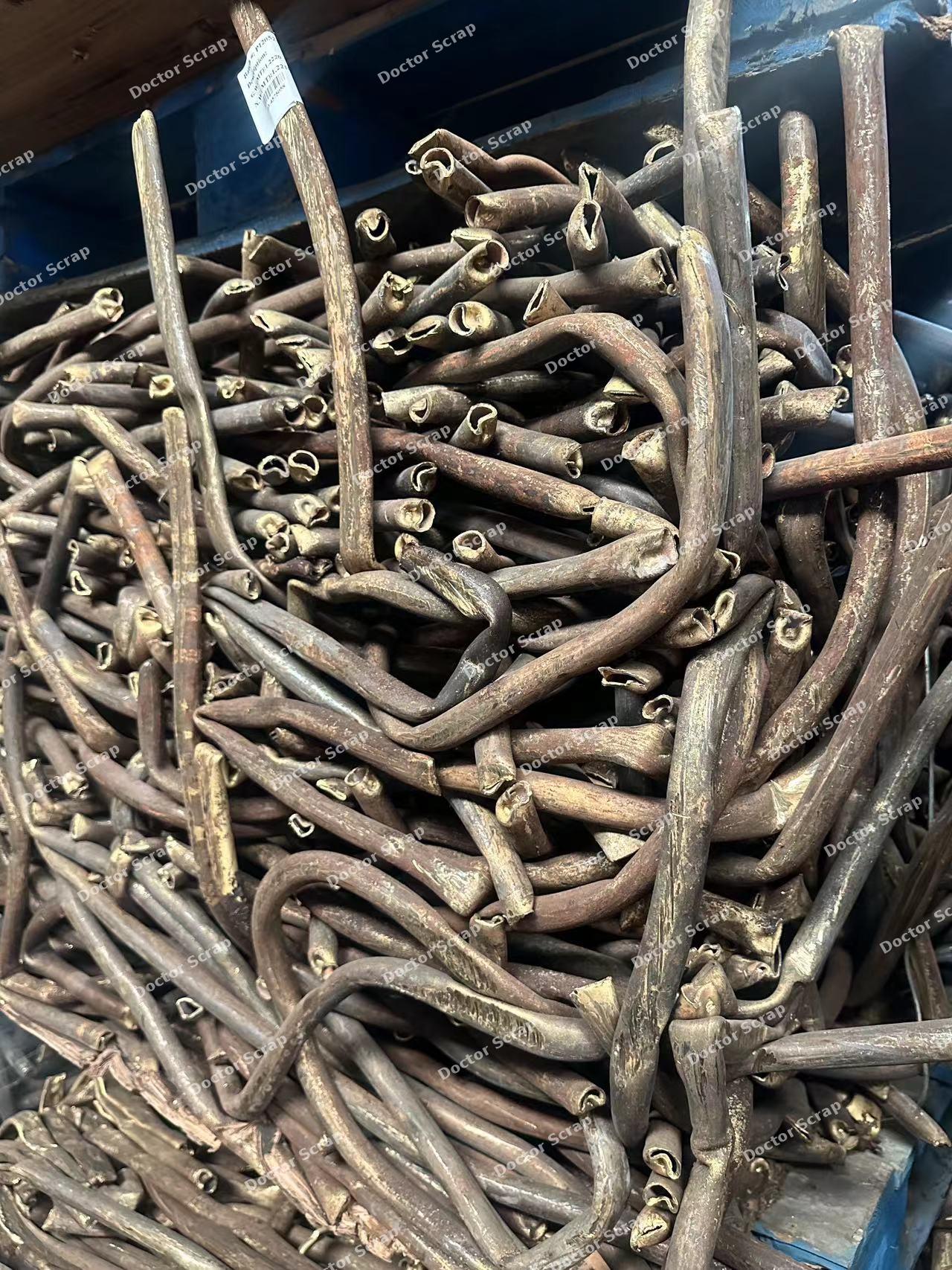
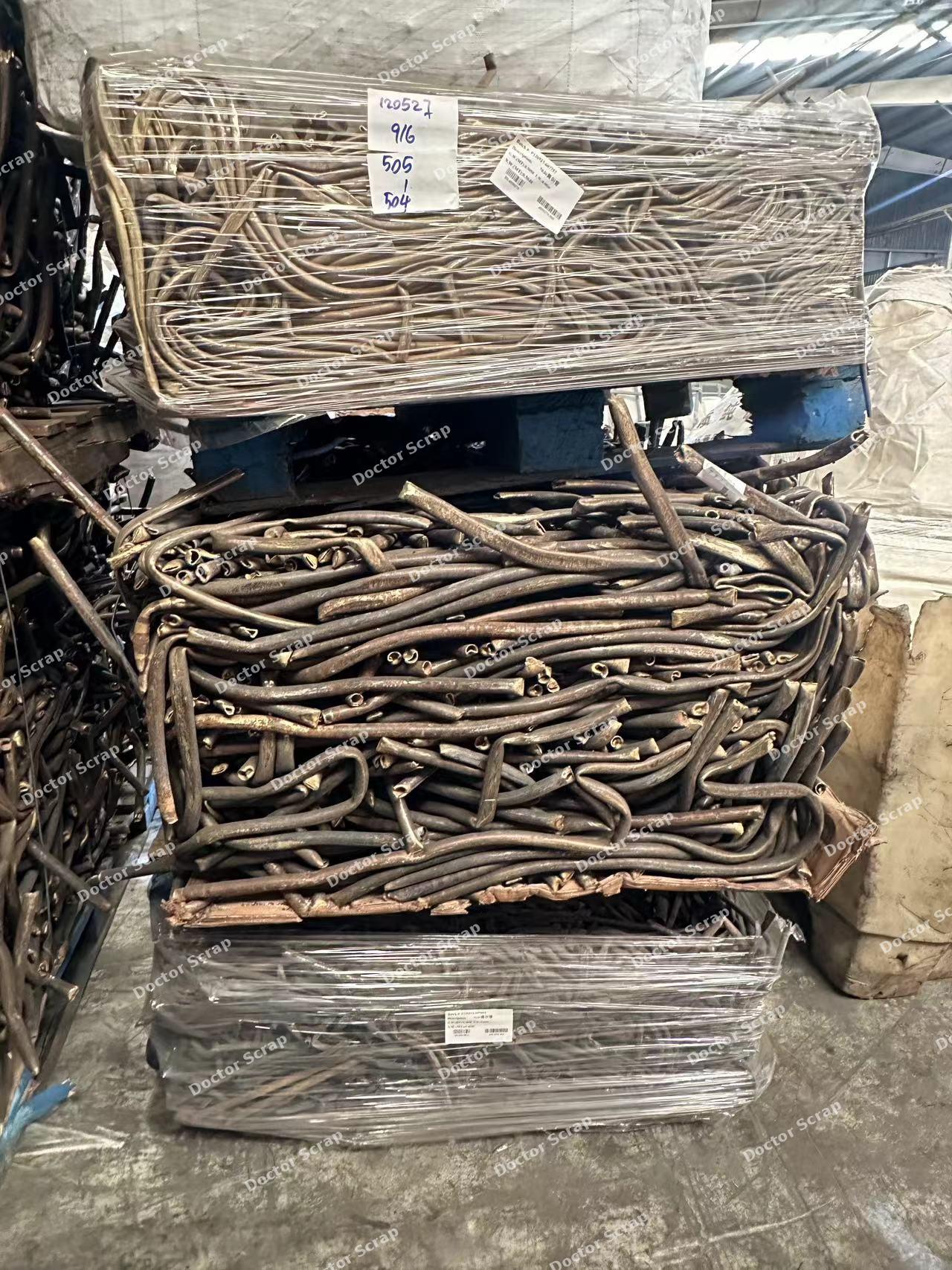
Brass pipes or brass water pipes, as a common type of scrap, are usually generated from various fields during the production and usage processes. Brass pipes are composed of copper (Cu) and zinc (Zn), offering high corrosion resistance, good machinability, and excellent mechanical properties, making them widely used in various industries.

Common Classification

Brass pipe scrap commonly comes in two types: lead-free brass pipe and regular brass pipe.

Common Sources

Brass pipe scrap comes from a wide range of sources, especially in the following fields:

Drinking Water Systems: Lead-free brass is widely used in water pipes, valves, fittings, water purification devices, and piping systems, meeting standards such as NSF/ANSI 61 to ensure the safety of drinking water.

Household Appliances: Some household appliances, such as water heaters, boilers, washing machines, and refrigerators, may use lead-free brass components to ensure product safety and durability.

Industrial Equipment: Lead-free brass is extensively used in industrial equipment that requires strength and corrosion resistance, such as mechanical components, heat exchange systems, and cooling systems.

Automotive Industry: Lead-free brass is also used in automotive components such as cooling systems and fuel systems, particularly for parts that come into prolonged contact with liquids.

Value Points

Lead-free brass in brass pipe scrap is a copper alloy that contains little to no lead, typically composed of copper (Cu), zinc (Zn), and small amounts of other elements such as iron, aluminum, manganese, and others. It has good mechanical properties, corrosion resistance, and machinability, making it widely used in various industries.

Melon should not contain condenser tubes, as these tubes often contain a large amount of scale, which affects their value.

Processing Methods

Brass pipe scrap is generally processed in the following ways:

Cleaning and Sorting: Remove oils, impurities, or non-metallic substances from the scrap to ensure it meets recycling standards.

Cutting and Crushing: Cut long or broken brass pipes into smaller segments or crush them to facilitate easy use in the furnace.

Melting and Recasting: Send the scrap into a smelting furnace to melt it. After impurities are removed, the material can be recast into brass ingots or shaped into new parts as needed.

Recycling: Through melting and refining, the copper and zinc components of the scrap can be restored to a certain purity, allowing them to be reused in the production of lead-free brass products.


Detection Methods

Matching Direction

Common matching directions include:
1. Manual scrap disassembly plants
2. Crushing and sorting plants

Special Attention

Shall consist of brass pipe free of plated and soldered
materials or pipes with cast brass connections. To be
sound, clean pipes free of sediment and condenser
tubes

Gallery

Melon
Melon
Melon
Back to Parent Category