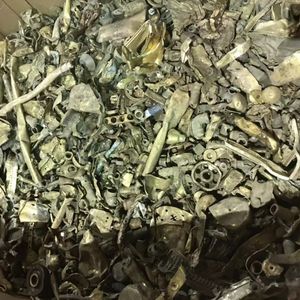
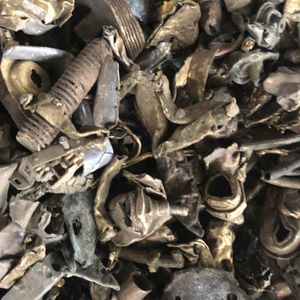
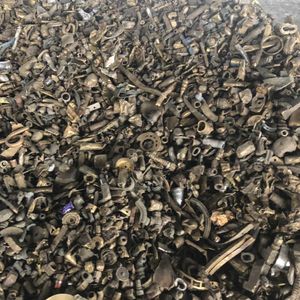
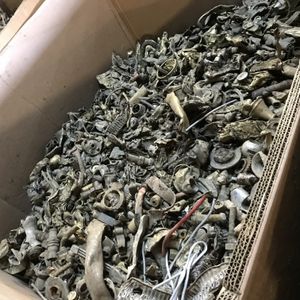
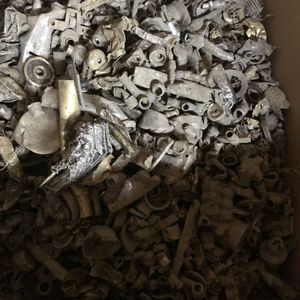
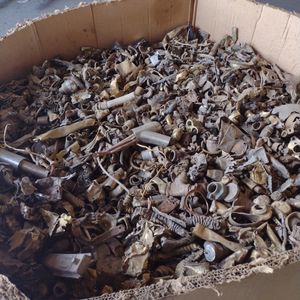
Yellow brass shredded

Scrap Wiki

Ordinary brass is a copper-zinc binary alloy with a varying zinc content range. Brass scrap materials have diverse shapes, elemental content, and are primarily composed of brass. Shredded brass scrap is obtained through mechanical shredding and sorting. For brass scrap with impurities and complex structures that are difficult to dismantle, some scrap processing factories use the shredding and sorting method. Shredding and sorting is an essential processing method for brass scrap. Through thorough shredding, combined with magnetic and flotation methods, the metal and non-metallic attachments can be efficiently and effectively removed, producing high-quality recycled brass raw materials.
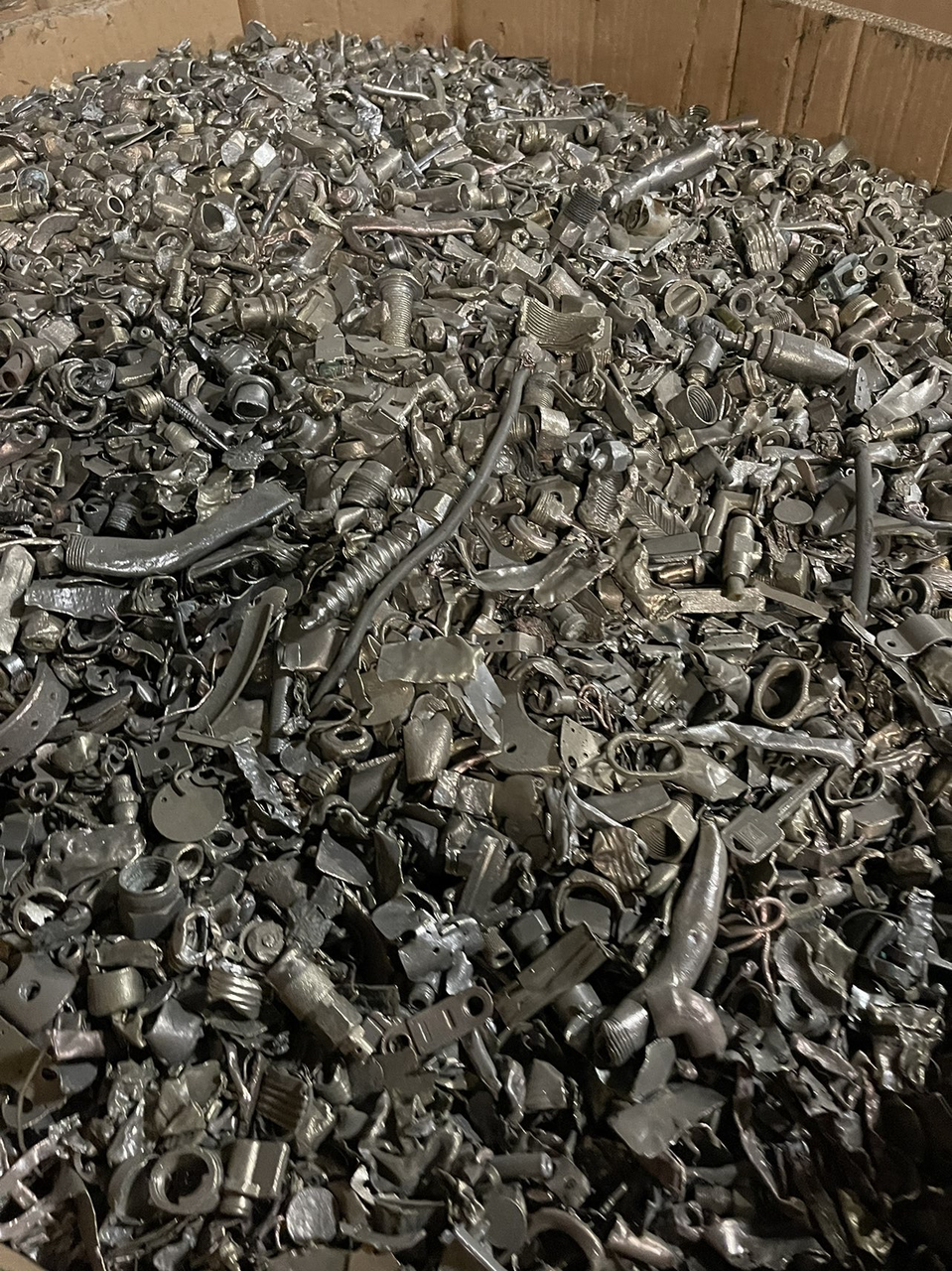
Shredded Brass Raw Materials

Common Classification

Common Sources

Shredded brass typically comes from shredding and sorting factories or simple sorting factories. The primary sources of shredded brass include household appliances and automobiles, which are often concentrated in shredding and sorting factories, then processed on a large scale, and finally sorted into individual shredded brass through various screening methods before being sold separately.
Additionally, some factories that only sort materials also produce shredded brass. For example, factories that purchase Zorba for sorting or aluminum factories can produce a certain amount of shredded brass materials every month, which can be used or sold.

Value Points

The value point of shredded brass scrap lies in its cleanliness and minimal impurities. Shredded brass that has undergone a complete sorting process has fewer impurities and stable elemental content, with a high copper content, making it an extremely high-quality recycled brass raw material.

Processing Methods

Qualified shredded brass can be directly utilized without requiring special processing.

Detection Methods

The primary detection method for shredded brass scrap is visual inspection. Experienced professionals can estimate the copper content of shredded brass scrap with an accuracy of ±1% through visual inspection. Other detection methods include crucible testing and portable spectral analysis for detecting uncertain copper content in metal parts.

Matching Direction

Grade matching: High-quality shredded brass from the United States is suitable for matching with factories that produce copper rods with a copper content of 60% or higher, while shredded brass from domestic and Middle Eastern regions is suitable for matching with factories that produce copper rods with a copper content of 57% or lower.
Downgrade matching: Poorly sorted shredded brass is often used to produce various ingots and miscellaneous ingots.
Competitive market: The Chinese mainland market has the strongest competitive power in the world for shredded brass scrap, whether in terms of price or demand. Other regions with significant competitive power include Taiwan and Japan.

Special Attention

When trading shredded brass scrap, it is essential to pay special attention to the uniformity of the reported goods and actual goods, as well as the uniformity of the reported location and actual delivery location. This is because shredded brass scrap has a high degree of variability, and prices are heavily dependent on images and origin information.

Gallery

Yellow brass shredded
Back to Parent Category