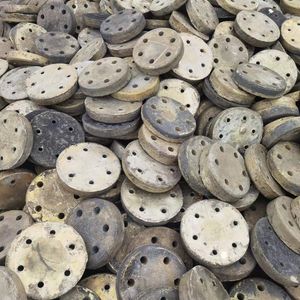
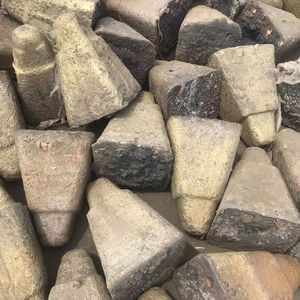
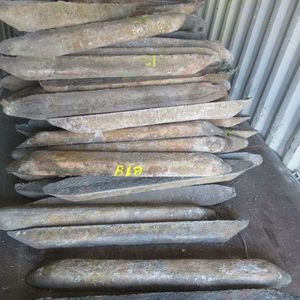
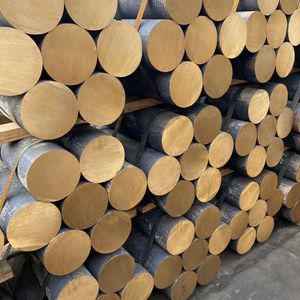
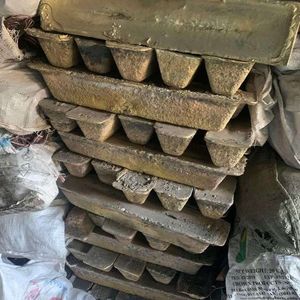
Ordinary brass is a binary alloy of copper and zinc, with zinc content varying significantly. Brass scrap, in its various forms and elemental compositions, is scrap metal primarily consisting of brass. In most instances, it is nearly equivalent to the term "Honey" as defined by ISRI, which is described as: "Containing solid brass mixtures, including brass castings, rolled brass, rods, pipes, and various brass types, including coated brass. Must not include manganese bronze, aluminum bronze, non-welded radiators or radiator parts, iron, dirtier and corroded scrap. Must not include any type of ammunition."
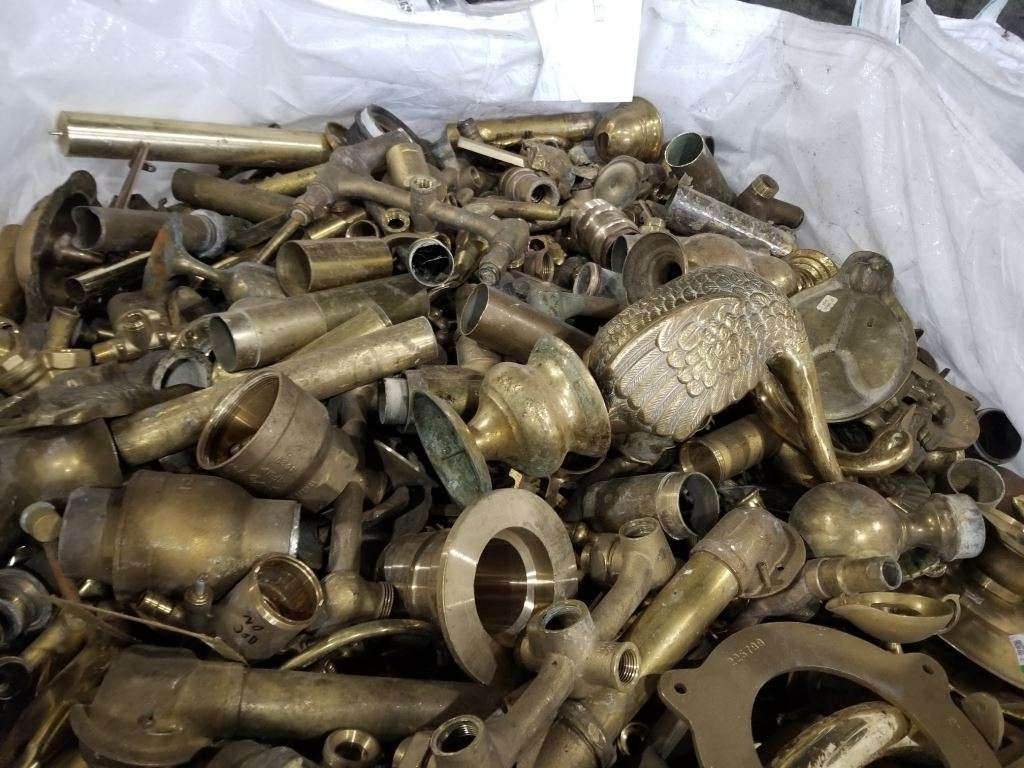
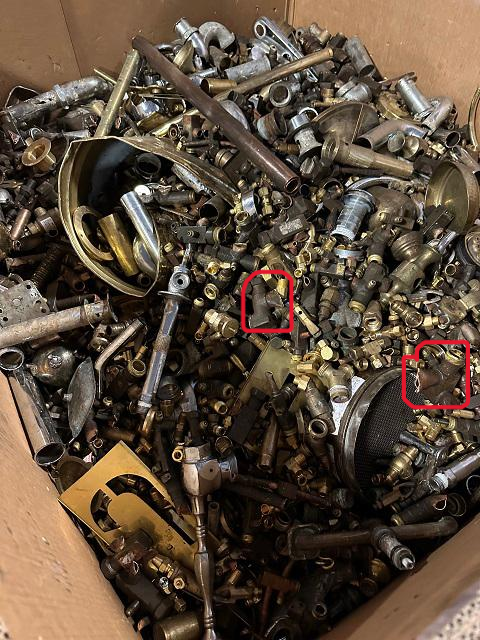
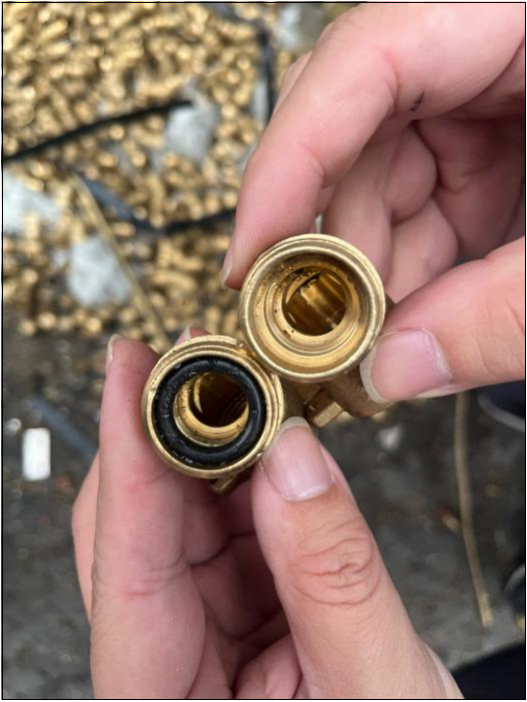
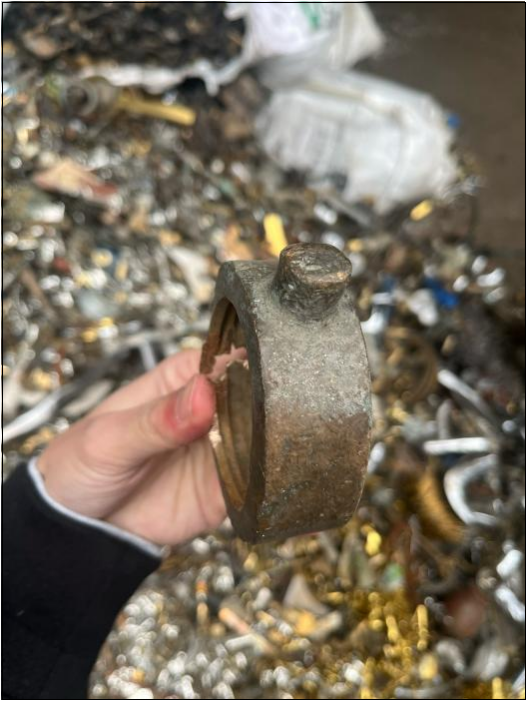
Common brass scrap (Honey) often contains plumbing parts, utensils, musical instruments, artistic ornaments, industrial castings, and other brass scrap materials.
Common Brass Scrap
Common Brass Scrap
Common Classification
Brass scrap is often named and distinguished based on where it is produced (country or continent). For example: American brass, Middle Eastern brass, Australian brass, etc. This classification is based on the fact that brass products are often of relatively consistent quality due to their origin. For instance, American brass has low lead content due to national standards. Additionally, conditions such as water scale, sandstorms, and coatings are similar in different regions. Experienced brass scrap handlers can judge their origin from scrap images, and even assess the brass recovery rate based on different origins.
Common Sources
Brass scrap is often collected from domestic waste, gathered in quantities ranging from dozens of kilograms to several tons by individuals and then transported to medium and large recycling yards. The appearance of such brass scrap is highly variable, with differences in surface condition, oxidation, and age. There is also industrial brass scrap resulting from defects and waste, which tends to have a simpler morphology.
Value Points
The value of brass scrap lies in two aspects: the elemental content, meaning the copper content should be high and impurities low; and, the presence of some super-valuable or high-value brass scrap mixed in, such as red brass, nickel white brass. By origin, American brass is more popular and has a higher market price. Therefore, the origin of brass products must be clear and confirmed.
American Brass
American brass is the most popular on the market for several key reasons: 1) American brass has low lead and high copper content, with a water yield of approximately 96% and copper content of about 65%; 2) American brass plumbing parts often have remnants of copper pipes; 3) American brass products have a high probability of containing 85% red brass, and a high chance of "surprise" components such as silver cutlery, silver candlesticks, and beryllium copper. 4) Sometimes, there is a distinction between Eastern and Western American brass, with a high probability of nickel white brass mixed in the scrap from the eastern part, especially the northeastern United States, with high value. Overall, American brass is of the highest quality among brass products, with a higher price and, visually, "the yellower, the better."
American brass with high copper and low lead content, with a golden yellow appearance
American brass with remnants of copper pipes
Japanese Brass
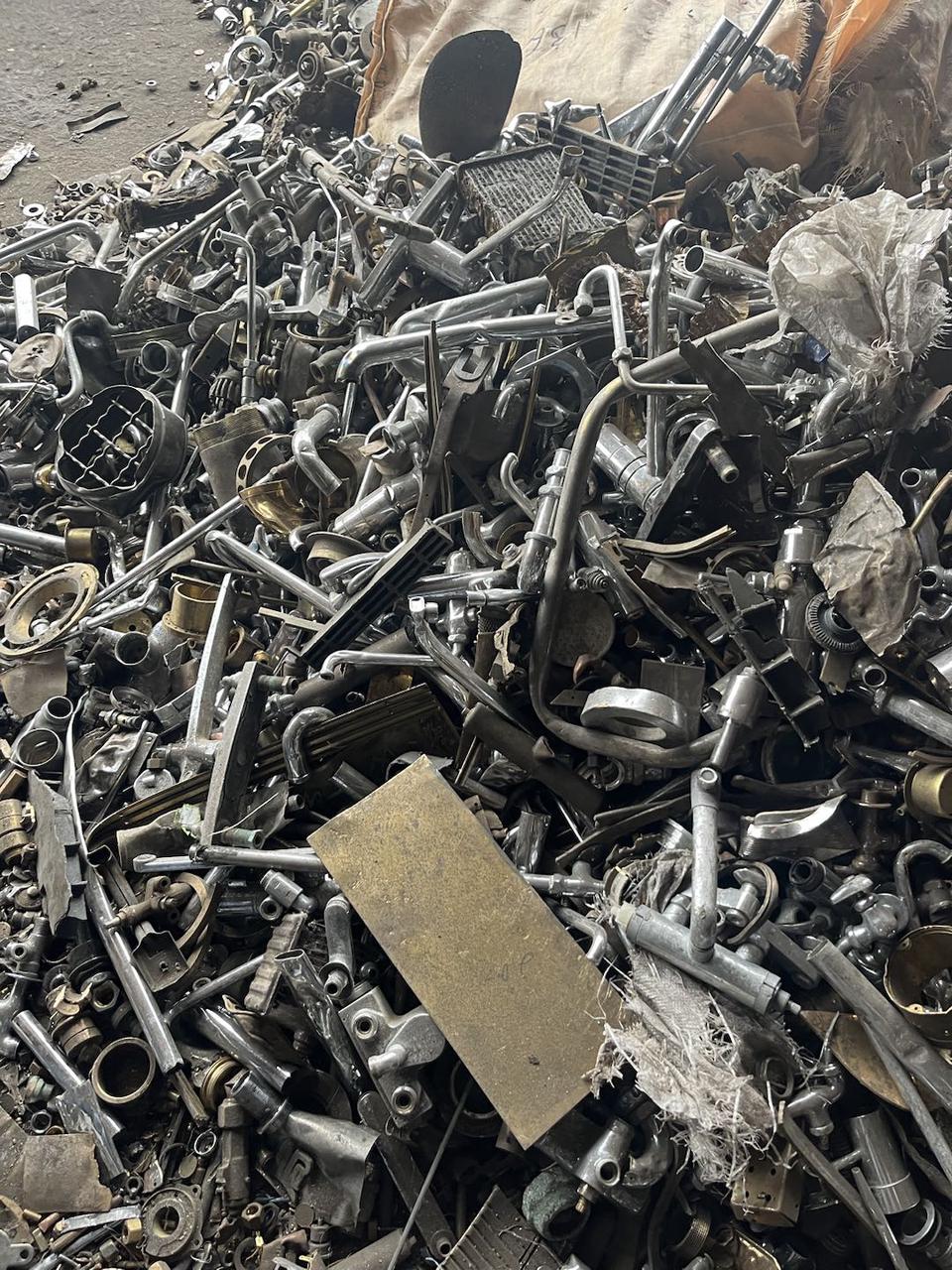
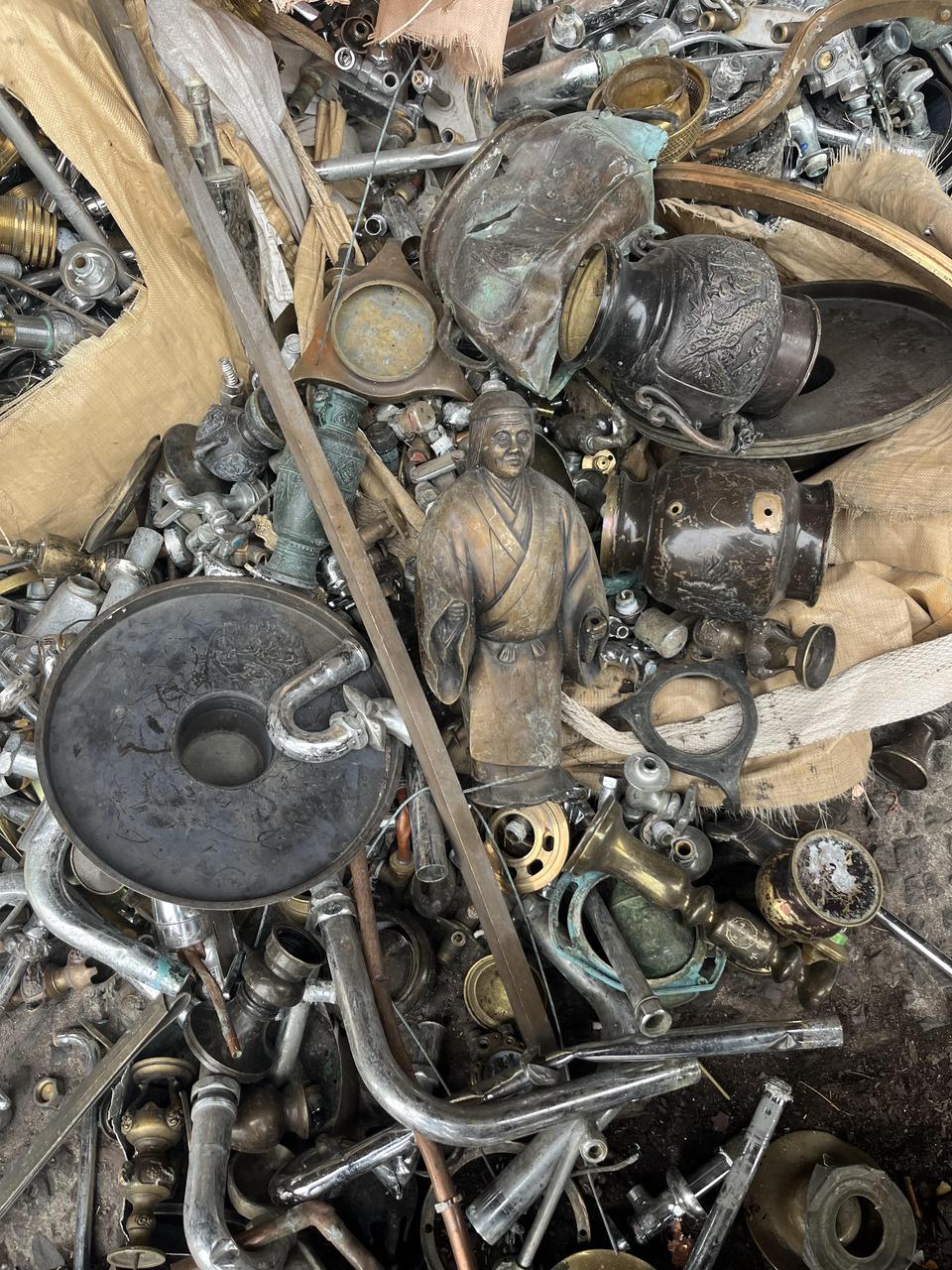
Japanese brass is also very popular in the market and commands prices just below American brass. A key reason is the high proportion of nickel-coated white brass in Japanese brass, which has a higher copper content. Identifying characteristics of Japanese brass include high numbers of nickel-coated pieces and many crafts, ornaments, and Buddha statues. The water yield of Japanese brass is approximately 94%, and the copper content is about 67%.
Common Japanese brass 1
Common Japanese brass 2
Processing Methods
Manual Dismantling
Brass after manual removal of rubber rings
Manual Sorting
Manual sorting of brass is an essential processing step. It primarily involves two procedures: First, removing low-value scrap, such as zinc, aluminum, and iron castings, which is a standard mandatory process; second, separating high-value scrap, such as red brass, naval brass, aluminum bronze, nickel white brass, and other high-value scrap. This step is a significant test of manual sorting skills, and for some scrap yards, because they do not know how to sort, many high-value scrap pieces end up mixed with the brass.
Copper parts mixed in with brass
Crushing and Sorting
For brass scrap with impurities and particularly complex structures that are difficult to dismantle, scrap processing plants with high labor costs and producers with particularly strict material quality standards often use crushing and sorting. Crushing and sorting is an important processing method for brass with impurities. Through thorough crushing, combined with magnetic and flotation methods, it is possible to efficiently and effectively clean metal and non-metallic attachments.
Detection Methods
The primary detection method for brass scrap is visual inspection. Experienced professionals can estimate the copper content of brass scrap within a ±1% range. In addition, detection methods for brass scrap include crucible analysis. For metal pieces with uncertain copper content, portable spectrometric analysis can also be used for detection.
Matching Direction
Grade-matching: American brass is suitable for factories producing copper bars of 60 or above grade, while domestic and Middle Eastern brass matches factories producing lower-grade 57 copper bars, directly producing various standard brass bars.
Downgrade-matching: Poorly sorted brass scrap is often used to produce various crude ingots and mixed ingots.
Competitive markets: The Chinese mainland market has the strongest competitiveness for brass scrap, in terms of both price and demand volume. Additionally, Taiwan and Japan also have certain competitiveness.
Special Attention
In brass scrap transactions, special attention should be given to the consistency between the goods offered in photos and the physical items, and between the offered location and the actual shipping location. Since brass scrap has extreme variability, its price is highly dependent on images and origin information.