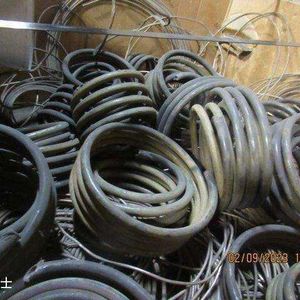
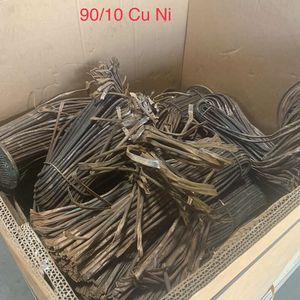
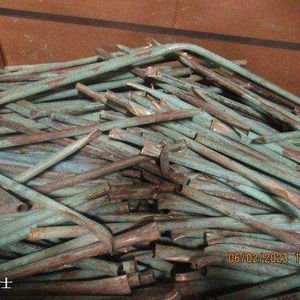
Cupro-nickel 90-10

Scrap Wiki

Cupronickel, also known as CuNi or cupro-nickel, is a type of alloy composed of copper and nickel, with sometimes added elements like iron and manganese to enhance its performance. This alloy is particularly famous for its excellent corrosion resistance, especially in marine environments. Cupronickel also has good antibiofouling properties, machinability, weldability, and medium thermal conductivity, making it an ideal material for various industrial and commercial applications.
The designation for 70-30 cupronickel is C71500. In actual scrap transactions, cupronickel scrap is often described in a way like "70/30 cupronickel" for quick expression and understanding. 70/30 cupronickel refers to an alloy composed of 70% copper and 30% nickel.
Its characteristics are as follows:
- Contains approximately 30% nickel and 70% copper.
- Better corrosion resistance and seawater resistance than C70600.
- Higher resistance to stress corrosion cracking, especially in high-temperature and high-pressure environments.
- Good thermal and electrical conductivity, although slightly lower than C70600.
- Good machinability and weldability.
- Generally more expensive than C70600 due to the higher nickel content.
Its applications are as follows:
- Used in more demanding marine environments, such as pipelines and heat exchangers for oil and natural gas extraction platforms.
- Suitable for seawater systems requiring higher corrosion resistance.
- Also used for coin manufacturing and some high-end decorative applications.
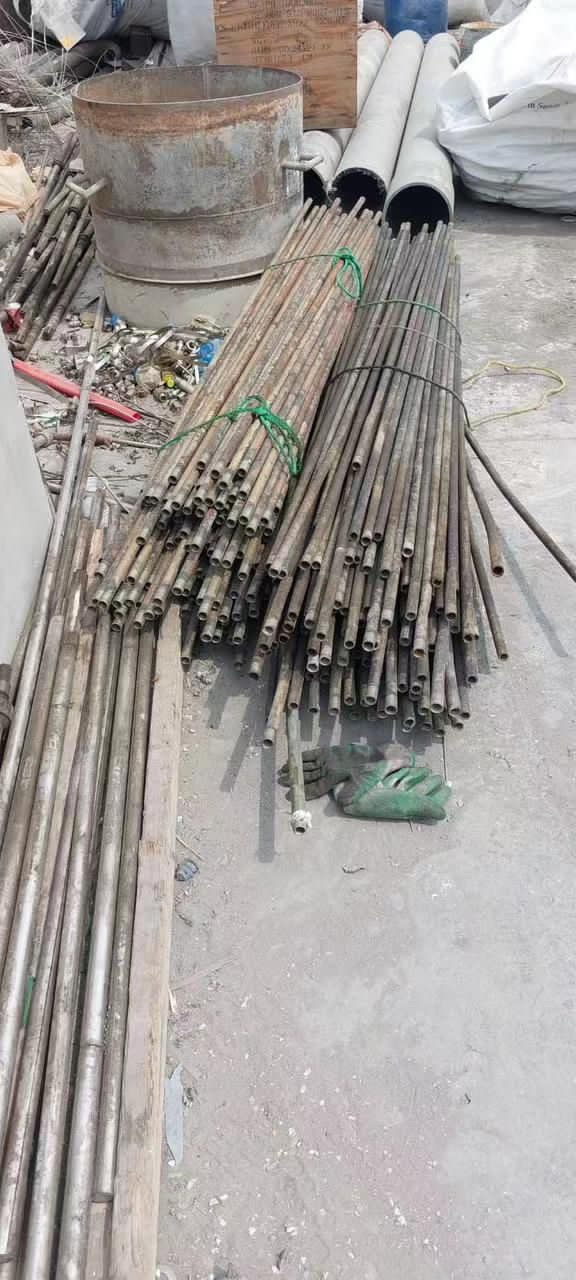
Common Classification

Common Sources

The generation of cupronickel scrap is directly related to its production and consumption volume. Countries with developed metal industries, especially coin manufacturers and industrial producers, tend to produce more cupronickel scrap. Additionally, cupronickel has unique properties like cold resistance and anti-freezing, making it more common in water pipe components in extremely cold regions. For example, the proportion of cupronickel in brass is higher than usual in the northeastern United States, the United Kingdom, and Northern Europe.
Cupronickel scrap primarily comes from the following areas:
1. Marine engineering: Due to cupronickel's excellent corrosion resistance in seawater, it is frequently used in marine environments for pipelines, heat exchangers, condensers, ship components, and offshore platforms. When these facilities or equipment are repaired, replaced, or dismantled, cupronickel scrap is generated.
2. Coin manufacturing: Many countries produce coins made from cupronickel. When coins become obsolete, are withdrawn from circulation, or undergo currency reforms, these cupronickel coins become scrap. Edge scraps from coin manufacturing are also common cupronickel scrap.
3. Electrical and electronics: Cupronickel is used in some electrical and electronic devices due to its good conductivity and heat resistance. When these devices are discarded or upgraded, cupronickel scrap is produced.
4. Musical instrument manufacturing: Some musical instruments, particularly brass instruments like trumpets and saxophones, may use cupronickel materials. When these instruments are damaged or no longer used, cupronickel scrap is generated.
5. Automotive and transportation: Cupronickel has applications in the automotive industry, especially in cooling systems and braking systems. Cupronickel materials can be recovered from car repair shops, scrap yards, or crushing facilities.
6. Industrial equipment and machinery: Cupronickel is used in some industrial equipment and machinery components, particularly in coastal areas, due to its durability and corrosion resistance. During maintenance, replacement, or disposal of old equipment, these materials can be recovered.
7. Architecture and decoration: Cupronickel is sometimes used in architectural decorations due to its attractive appearance and durability. During building renovations or demolitions, cupronickel scrap may be generated.
Due to cupronickel's relatively high value, it is usually processed through recycling and reuse after generation to minimize resource waste and environmental impact. Recycling not only reduces the production cost of new materials but also benefits environmental protection.

Value Points

Nickel is a metal with extremely high value, and if pure nickel is used to produce nickel alloys, the cost will be high. If scrap nickel-copper replaces pure nickel, the cost will be significantly lower. Therefore, cupronickel scrap is a valuable renewable metal raw material. However, to enhance its value, it is essential to strictly separate cupronickel scrap from other metal scrap during sorting, and even to separate different specifications of cupronickel scrap. This facilitates its direct utilization, reduces processing costs, and increases its value.

Processing Methods

The direct utilization of cupronickel scrap typically requires a series of pretreatment and processing steps to ensure material quality and applicability. The following are some common pretreatment and processing steps:
1. Classification and sorting: First, cupronickel scrap must be separated from other types of scrap (such as iron, aluminum, or non-cupronickel materials). This may involve manual sorting or the use of magnetic separation, gravity separation, or other technologies.
2. Cleaning and degreasing: Scrap may contain oil, dust, paint, or other contaminants. Chemical or physical methods are used to clean the scrap and remove these impurities.
3. Crushing and powdering: Larger scrap blocks may need to be crushed or powdered into smaller particles for subsequent melting and processing.
4. Melting: Cleaned, sorted, and crushed cupronickel scrap is sent to a furnace for melting. During this process, some flux or other chemicals may be added to facilitate the melting process.
5. Refining: Melted metal may still contain some impurities. Electrolytic refining or chemical refining methods can be used to further increase the metal's purity.

Detection Methods

  1. Visual Inspection
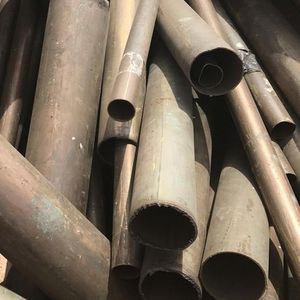
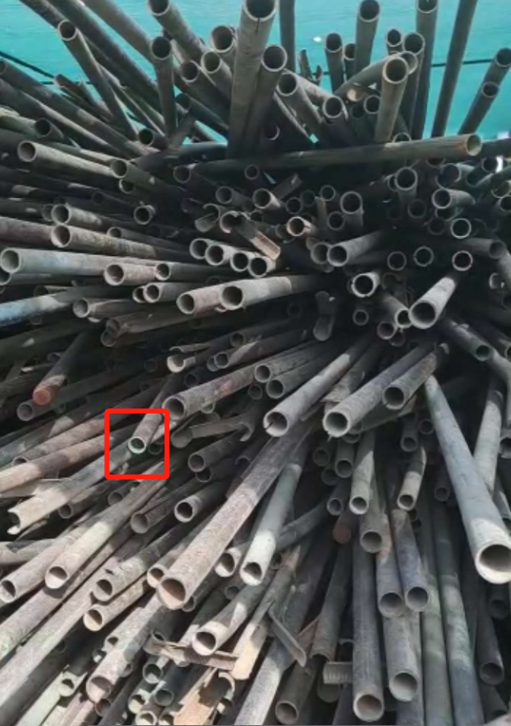
    Cupronickel pipes often exhibit a greenish tint on the cut end or surface due to copper oxidation, allowing them to be distinguished from other metals. Cupronickel pipes have a dull gray appearance, while brass pipes have a bright, oily luster, making them distinguishable.
  1. Spectroscopy Analysis
    Due to the high value of cupronickel scrap and the strict requirements for metal elements, suppliers should be required to provide reliable spectroscopy readings or chemical detection reports during transactions. Suppliers should be responsible for the copper and, especially, nickel content, and ensure the accuracy of the readings.

Matching Direction

The ideal primary customers are professional producers of cupronickel products with in-house capabilities for scrap pretreatment and melting processing. These companies can maximize the value of scrap by processing and utilizing it directly. Secondary options include manufacturers of brass and bronze, as the high nickel content can be adjusted by adding elements like zinc, lead, or tin. Overall, cupronickel is a valuable material due to its primary metal components, copper and nickel, making it popular in the market with a relatively stable price.

Special Attention

During transactions, particular attention should be paid to the copper/nickel element content in the scrap, especially for bulk scrap. Multiple sample spectroscopy readings or detection reports should be provided. If mixed cupronickel scrap of different specifications is sold, the supplier should not only provide spectroscopy readings for the scrap but also accurately inform the proportion of each cupronickel scrap specification. For example, if a batch of cupronickel scrap is a mixture of 70/30 and 90/10, the overall proportion of these two specifications should be clearly stated (e.g., 1:1, 2:1, or 1:2). The nickel content will vary accordingly (e.g., 80%, 77%, or 83%), resulting in significant price differences.

Gallery

Cupro-nickel 90-10
Cupro-nickel 90-10
Cupro-nickel 90-10
Cupro-nickel 90-10
Cupro-nickel 90-10
Cupro-nickel 90-10
Cupro-nickel 90-10
Back to Parent Category