Scrap Wiki
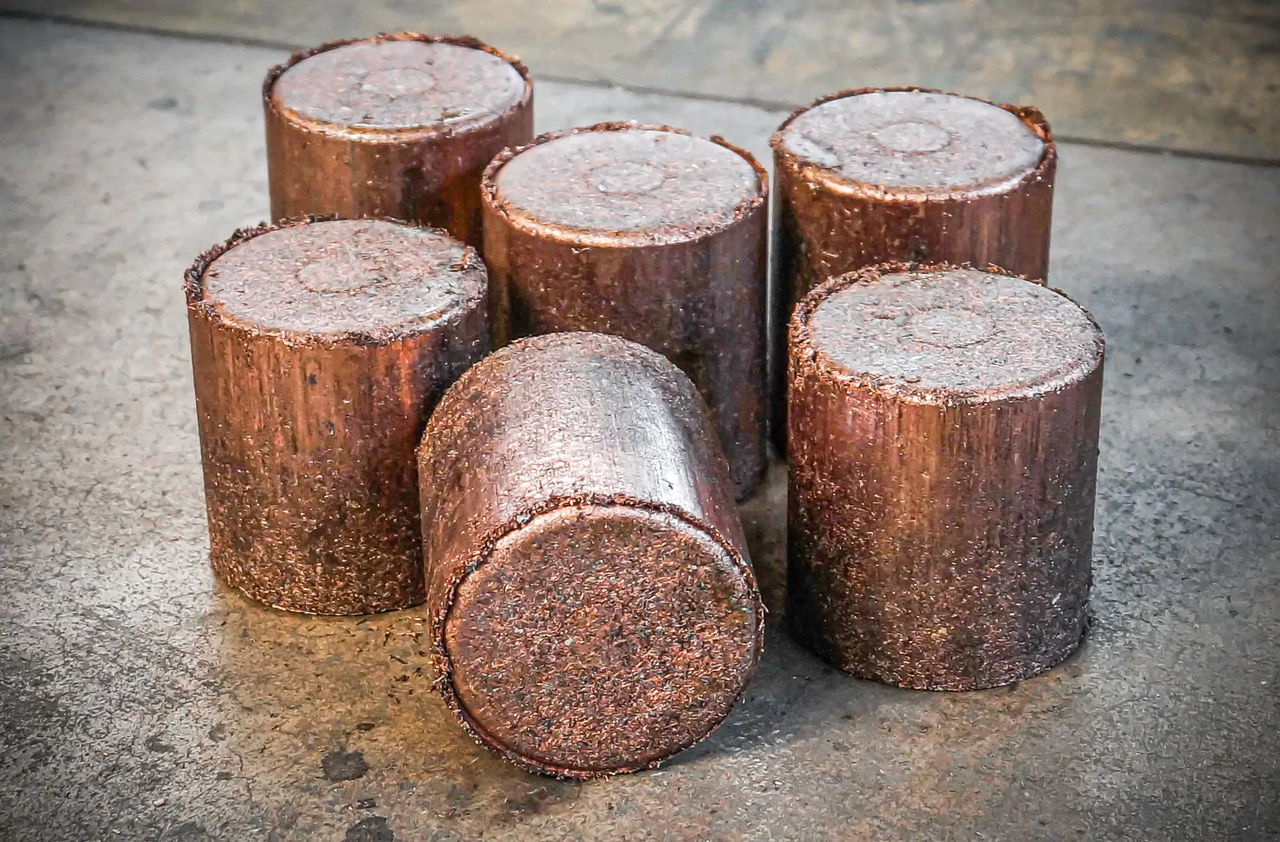
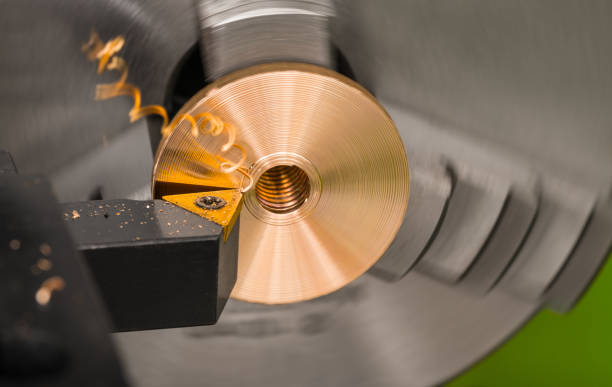
Pure copper (also known as purple copper) and copper alloy turnings, also referred to as copper shavings, copper chips, and copper turnings, among other terms. They are widely present in the processing of pure copper and copper alloys. Turning is a type of cutting process in machining that uses a cutting tool on a rotating workpiece to achieve the desired dimensions, shape, and surface finish. This process is commonly found in the mechanical industry for part fabrication.
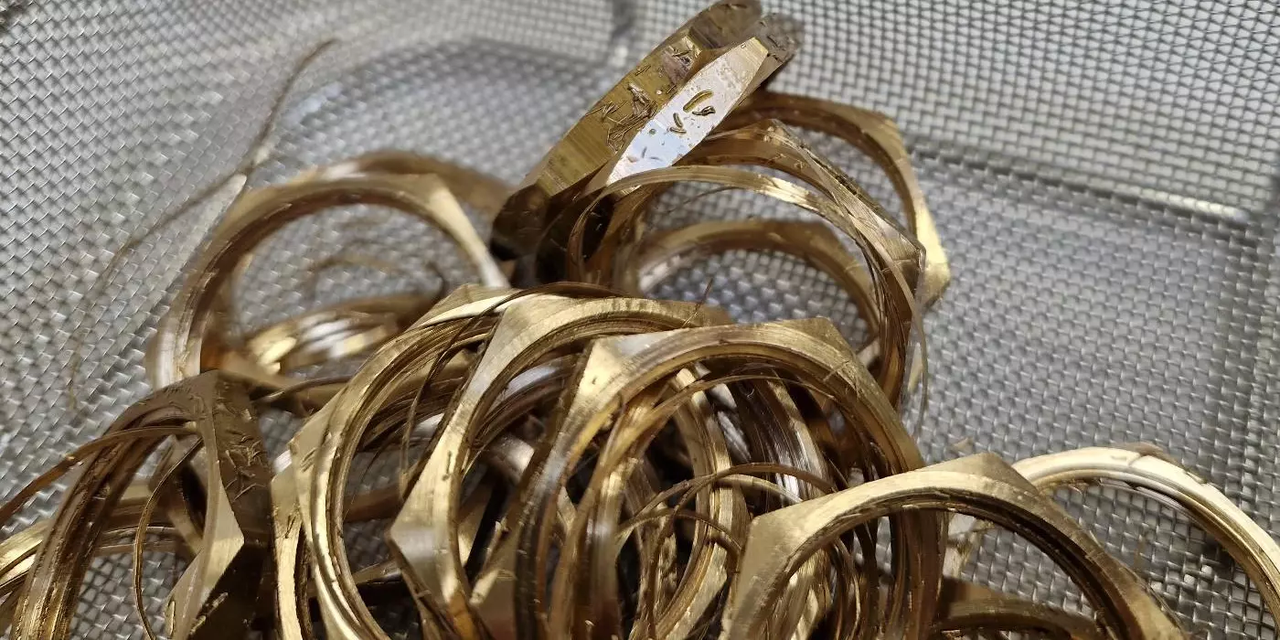
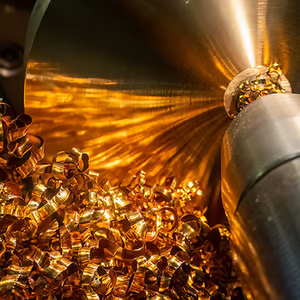
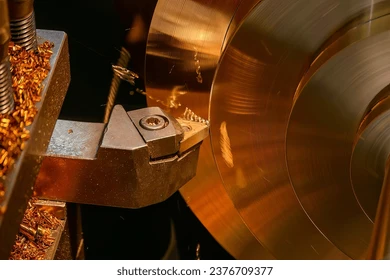
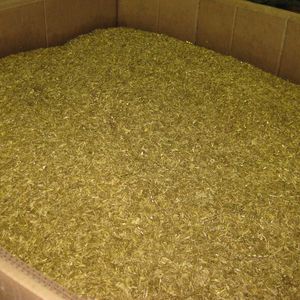
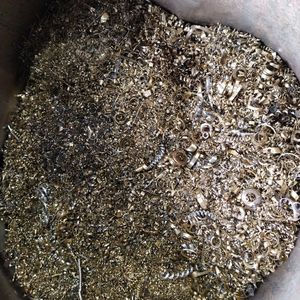
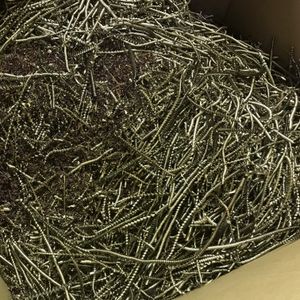
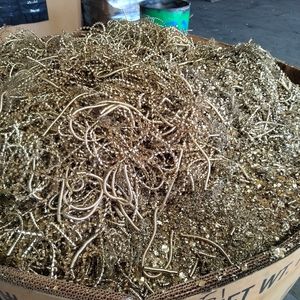
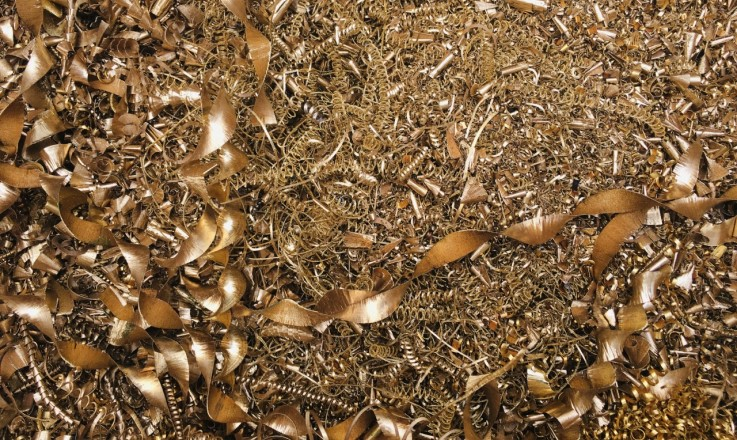
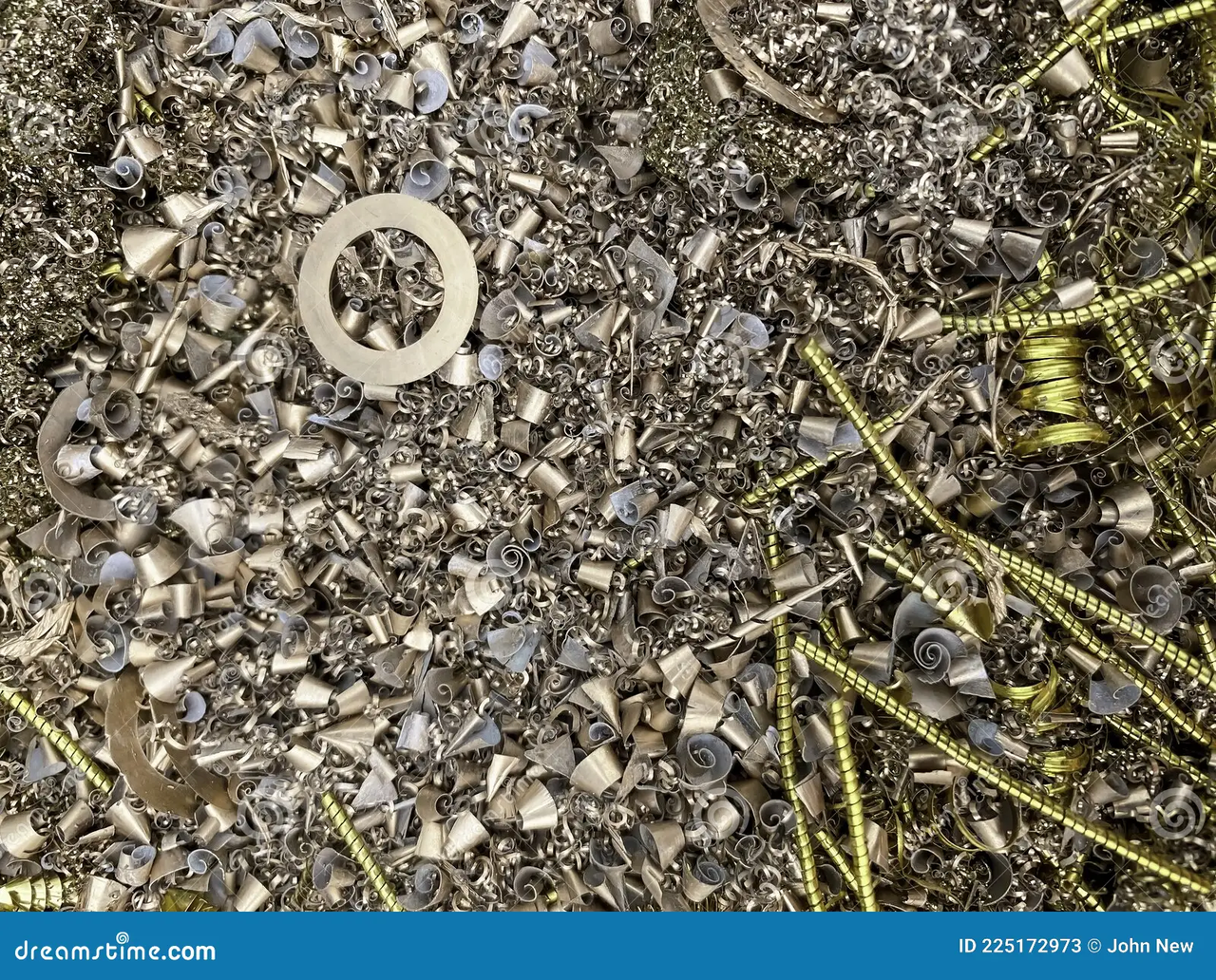
Brass Turnings are metal chips and fragments generated during the mechanical processing of brass materials, such as turning, milling, drilling, and cutting. Brass is an alloy composed of copper and zinc, and due to its excellent mechanical properties and ease of machining, it is widely used in the manufacture of various precision components and decorative items. In the turning process, the workpiece is securely mounted on the lathe and then rotated. Cutting tools (such as turning tools) are used to cut the rotating workpiece to achieve the desired shape and size. During this process, metal material is cut off, forming small chips. These chips are the brass turnings, which are usually spiral or curled fragments.
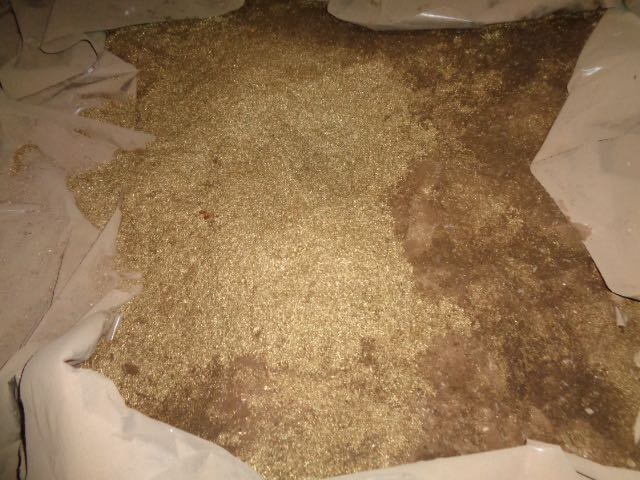
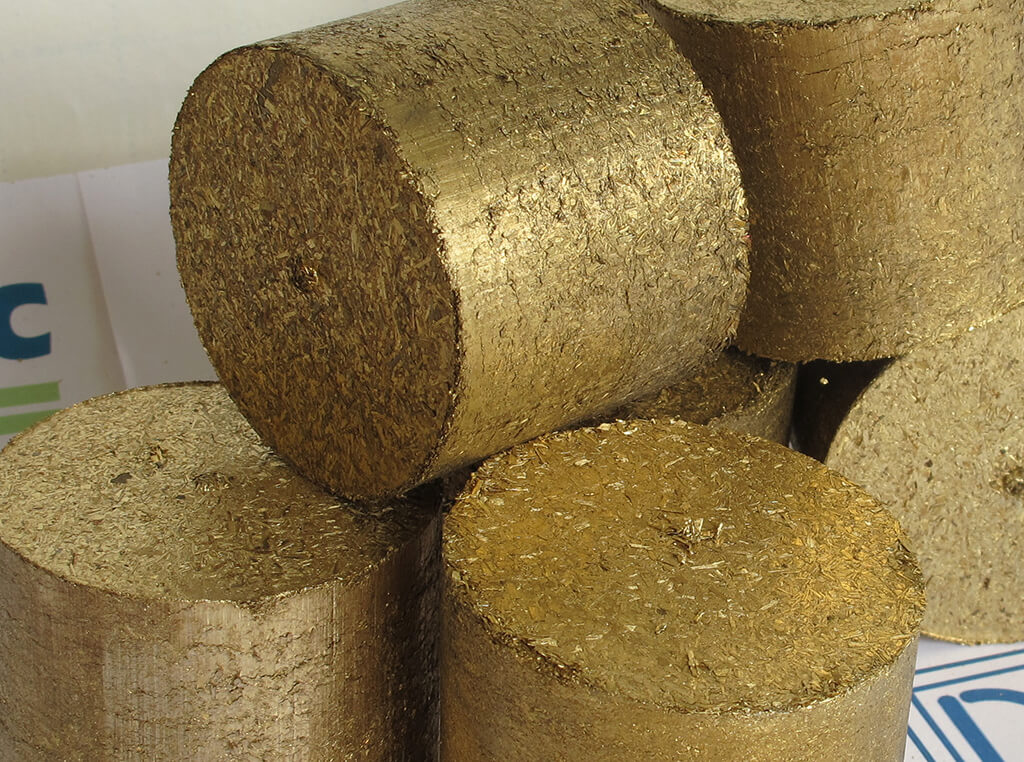
The following images depict common brass chips:
The metal recovery rate and oil-water content of brass turnings are influenced by various factors, including the type of lubricant used in the processing, the parameters of the turning process, and the methods for collecting and handling metal chips. This results in a significant difference in the metal recovery rate—the percentage of metal that can be recycled from the chips collected during turning or processing—between different batches.
Unlike aluminum, the metal recovery rate for copper metals can be close to 100% in the best-case scenario. However, due to the presence of oils, lubricants, moisture, or other metal impurities in the turnings, the actual recovery rate is lower. In the most optimal collection and handling processes, the metal recovery rate of copper turnings can exceed 90%, but this requires ensuring the turnings are as clean as possible and avoiding contamination during the recycling process.
Regarding the oil-water content, during the turning process, various types of cutting fluids are used to lubricate and cool the cutting tool and workpiece. Therefore, the collected metal chips typically contain a certain amount of oil-water. The oil-water content varies depending on the type of cutting fluid used (such as water-based cutting fluids, oil-based cutting fluids, etc.) and the processing parameters. Without any treatment, the oil-water content of turnings can be quite high, sometimes reaching 10% to 25% of the total weight. However, through a series of chip processing steps—such as centrifugal separation, filtration, and drying—the residual oil-water content can be significantly reduced, often lowering it to below 5%, or even lower.
To improve recycling efficiency and reduce environmental impact, the collected metal chips are usually cleaned and dried to reduce oil-water content, making them more suitable for recycling and reuse. Processed copper chips can be sold as raw materials to metal recycling and refining companies for the production of new copper products.