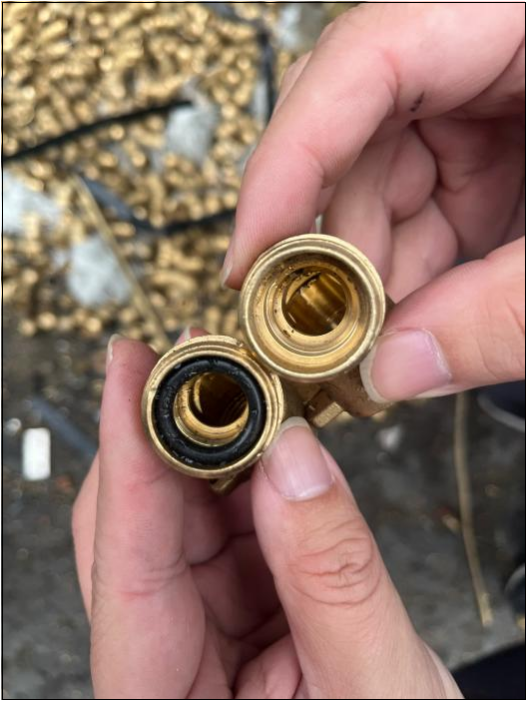
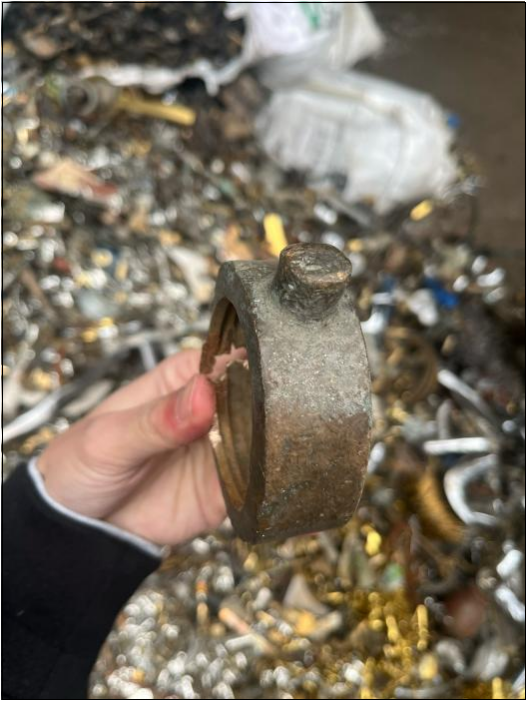
Yellow brass

Scrap Wiki

Ordinary brass is a copper-zinc binary alloy with a large variation in zinc content. Brass scrap shapes, element content, and other variables are diverse, and it is a colored metal scrap with brass as the main component. In most cases, it is almost equivalent to the term "Honey" in ISRI definition, which is interpreted as: "Solid brass mixture, including brass castings, rolled brass, rods, pipes, and various brass, including plated brass. Must not contain manganese bronze, aluminum bronze, non-welded heat sinks or heat sink parts, iron, and dirtier and corroded scraps. Also, do not contain any type of ammunition."
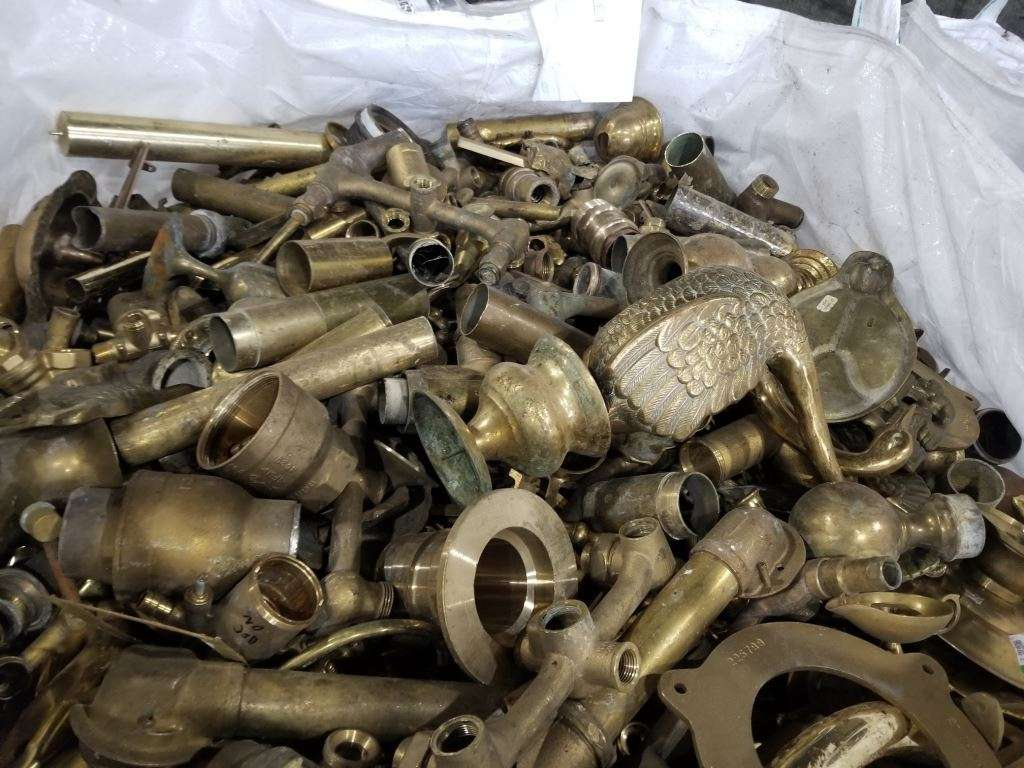
The following are common brass scraps (Honey), which often contain water pipe parts, tableware, musical instruments, art decorations, industrial castings, and other brass scraps.

Common Brass Scrap
Common Brass Scrap

Common Classification

Brass scraps are often named and distinguished by the place of origin (country or continent). For example, American brass, Middle Eastern brass, Australian brass, etc. This classification is due to the fact that brass products often have similar quality due to their place of origin. For example, American brass has low lead content due to national standards. In addition, different regions have similar water stains, wind sand, and coating conditions. Experienced brass scrap professionals can judge the origin of the scraps from the pictures and even evaluate the brass recycling rate based on the origin.

Common Sources

Brass scrap often comes from civilian waste collection, and small-scale collections are gathered into medium and large-scale recycling sites. The appearance of such brass scraps is more varied, and the surface, oxidation, and new and old degrees also have all sorts of differences. There are also industrial brass scraps produced by residual waste, which are relatively simple in shape.

Value Points

The value point of brass scrap lies in its elements, which require high copper content and low impurity content. The second is the high-value brass scraps mixed in, such as red brass and nickel white copper. In terms of origin, American brass is more popular in the market, and the price is also higher than other origins. Therefore, the origin of brass products must be clear and confirmed.
American Brass
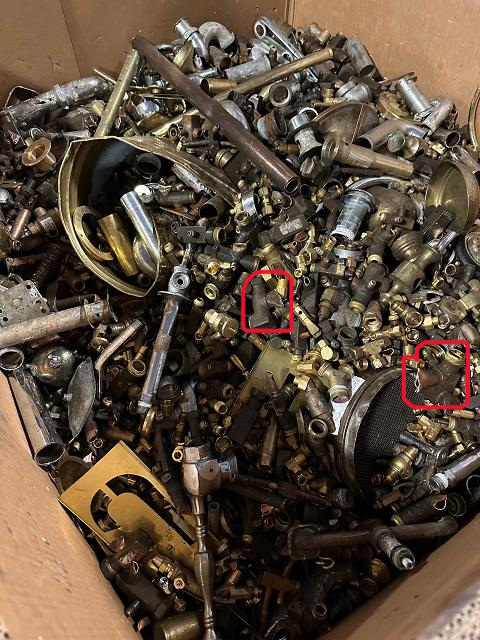
American brass is the most popular in the market, with several important reasons:
1. American brass products have low lead content and high copper content, with a water rate of about 96% and a copper content of about 65%.
2. American brass water pipes often have purple copper pipe ends.
3. American brass products have a high probability of containing 85% red brass and "surprise components" such as silver plates, silver candelabras, and beryllium copper.
4. American brass sometimes has differences between the East and West coasts, and the East Coast, especially the Northeast, has a higher probability of containing nickel white copper.

American Brass with High Copper Content and Low Lead
American Brass with Purple Copper Pipe Ends

Japanese Brass
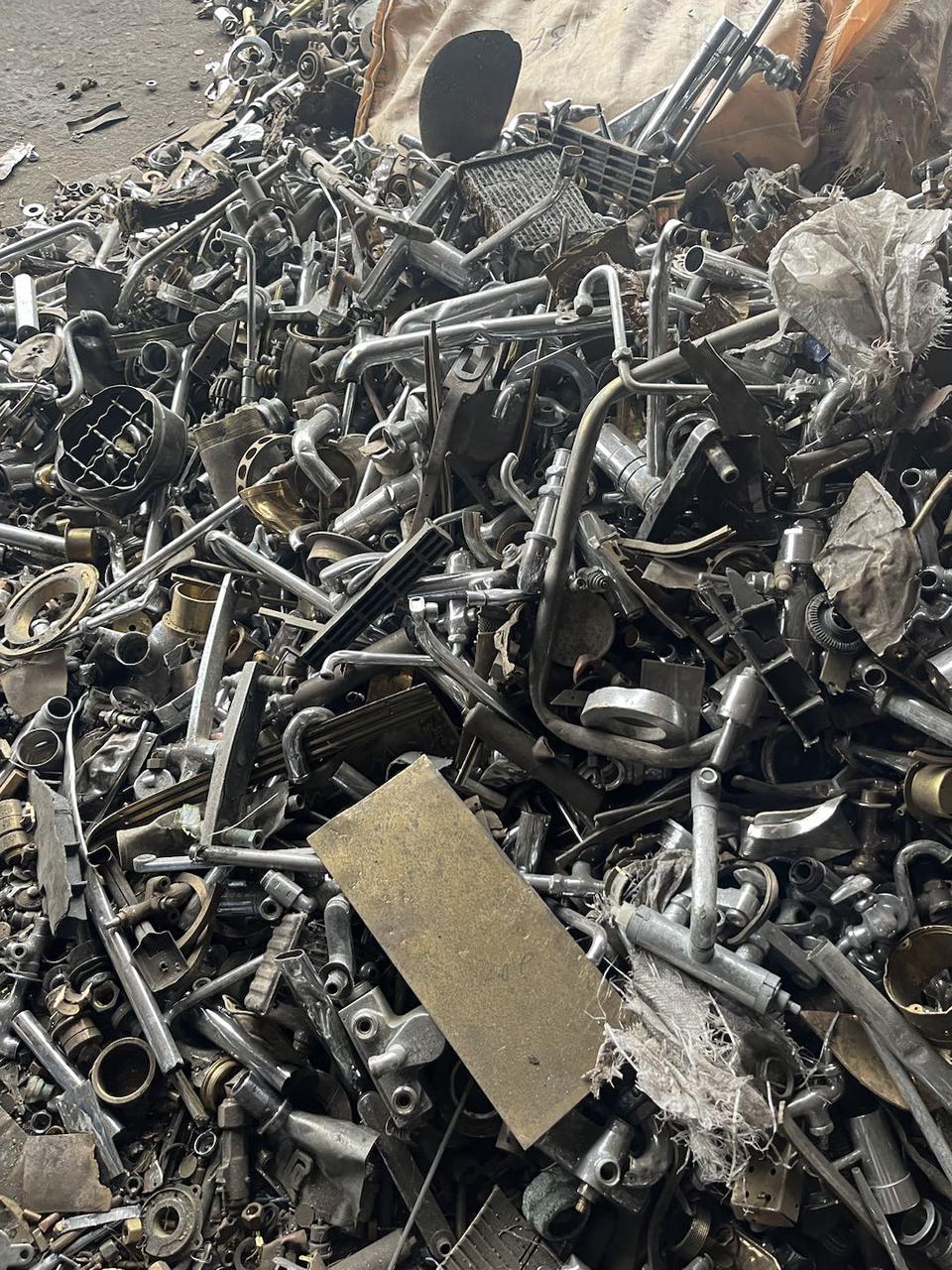
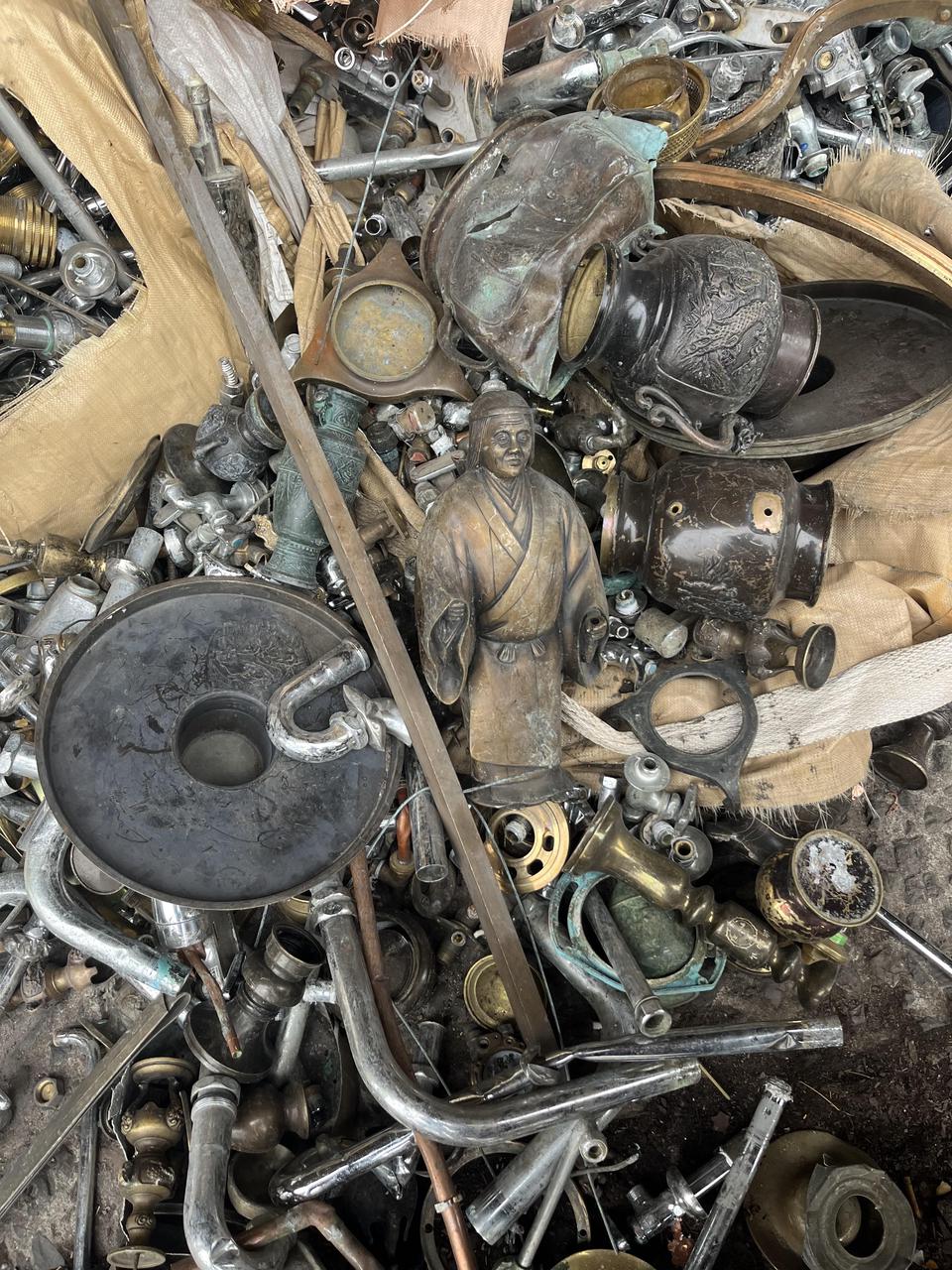
Japanese brass is also popular in the market, with a price that is second only to American brass. The main reason is that Japanese brass has a high proportion of plated white copper, and the copper content of plated white copper is relatively high. The characteristics of Japanese brass can be identified by the presence of many plated white copper parts, as well as the presence of craft products, decorations, and Buddhist statues. Japanese brass has a water rate of about 94% and a copper content of about 67%.

Common Japanese Brass 1
Common Japanese Brass 2

Processing Methods

  1. Manual Disassembly
    Manual disassembly is essential for brass scrap, which often comes from civilian waste collection. There are many iron, stainless steel, and zinc metal attachments, as well as non-metallic attachments such as rubber and plastic. Manual disassembly can remove these attachments and increase the value and quality of the brass scrap.
Brass Scrap after Manual Disassembly
  1. Manual Sorting
    Manual sorting is an essential processing step for brass scrap. The first step is to remove low-value scraps, such as zinc castings, aluminum castings, and iron castings. The second step is to remove high-value scraps, such as red brass, naval brass, aluminum bronze, and nickel white copper. This step requires a high level of expertise, and some recycling sites may not understand how to sort, resulting in high-value scraps being mixed with brass.
Red Brass Mixed with Brass
  1. Crushing and Sorting
    For brass scraps with complex structures and high metal and non-metal attachments, some recycling sites use crushing and sorting. Crushing and sorting is an important processing method for brass scraps. Through thorough crushing and magnetic separation, flotation, and other methods, metal and non-metal attachments can be effectively removed.

Detection Methods

The main detection method for brass scrap is manual inspection. Experienced professionals can visually inspect the brass scrap and accurately estimate the copper content within a range of ±1%. In addition, other detection methods include crucible testing and portable spectroscopy analysis for detecting copper content in uncertain metal scraps.

Matching Direction

Grade Matching: American brass is suitable for matching with factories that produce copper rods with a copper content of 60% or higher. Domestic and Middle Eastern brass are suitable for matching with factories that produce copper rods with a copper content of 57% or lower.
Downgrade Matching: Poorly sorted brass scraps are often used to produce various ingots and miscellaneous ingots.
Competitive Market: The Chinese mainland market has the strongest competitiveness in the world in terms of price and demand for brass scrap. In addition, Taiwan and Japan also have certain competitiveness.

Special Attention

When trading brass scrap, it is essential to pay attention to the consistency between the photos and the actual goods, as well as the consistency between the declared location and the actual location. This is because the price of brass scrap is highly dependent on the origin, photos, and other information.

Gallery

Yellow brass
Yellow brass
Yellow brass
Yellow brass
Yellow brass
Yellow brass
Yellow brass
Back to Parent Category