85-15 brass

Scrap Wiki

Red brass, also known as red copper, is a type of copper alloy. It is called red brass or red copper because it is mainly composed of copper (Cu) and zinc (Zn), similar to yellow brass.
85-15 red brass refers to red brass scrap made up of 85% copper and 15% zinc, which is the highest quality pure red brass scrap. The biggest feature of 85/15 red brass is that it does not contain small elements such as tin and lead.
In addition to copper and zinc, red brass may also contain small amounts of tin (Sn) or other metals. Red brass is named for its distinctive red color, and its copper content is usually above 85%, which gives it good corrosion resistance and processing performance. Red brass is widely used in the manufacture of pipes, decorative items, musical instruments, and various mechanical and electrical components.
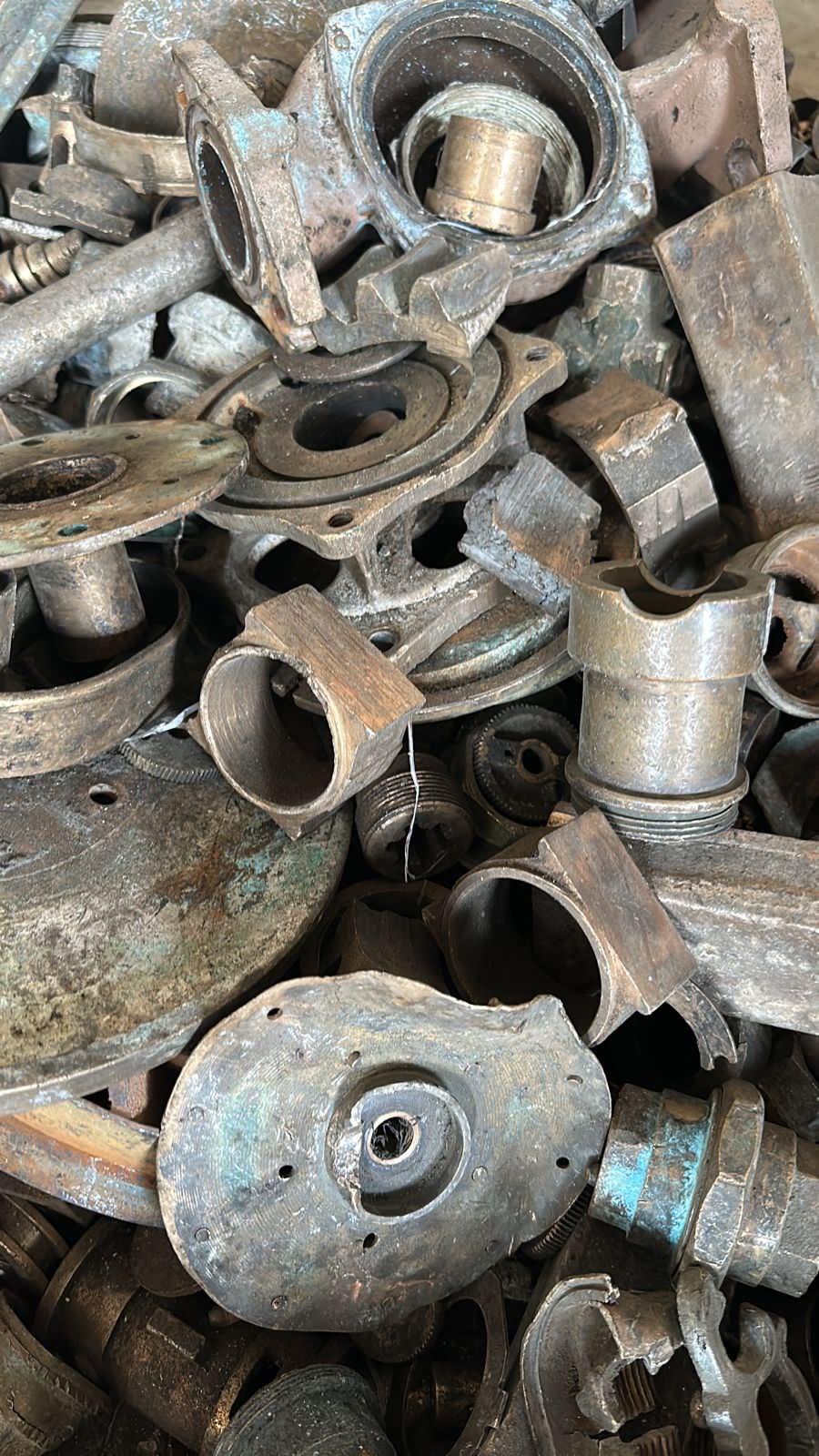
In the ISRI system, red brass is called Ebony. It includes red brass scrap, valves, mechanical bearings, and other mechanical parts, including castings made of copper, tin, zinc, and/or lead. It cannot contain semi-red brass castings (containing 78% to 81% copper) and other copper alloys with lower copper content.
In recent years, due to the good electrical conductivity, corrosion resistance, formability, and mechanical properties of red brass, it has also become an ideal material for manufacturing certain electronic components. Red brass electronic components, in addition to electrical conductivity, also have the following characteristics:
1. Corrosion resistance: In most environments, red brass exhibits excellent corrosion resistance, which helps electronic components maintain performance and lifespan in harsh conditions.
2. Formability: Red brass is easy to process into complex shapes, which is important for manufacturing fine electronic components and connectors.
3. Mechanical properties: Red brass has good strength and toughness, which helps electronic components maintain structural integrity under physical stress.
4. Welding and joining: Red brass is easy to weld and join with other metals, which is necessary for the manufacture and repair of electronic components.
5. Aesthetics: Red brass has an attractive golden appearance, which may be an additional advantage for visible electronic components or decorative parts.

Common Red Brass
Common Red Brass

Common Classification

Red brass is classified mainly according to different copper and zinc ratios and whether it contains other alloying elements. They have different designations. Common red brass classifications include the following American copper alloy numbers:
1. C23000 - This is a standard designation for red brass, which belongs to the category of commercial bronze. C23000 alloy is mainly composed of 85% copper and 15% zinc, and its high copper content gives red brass its characteristic red color. Red brass has good corrosion resistance, strength, and plasticity, making it suitable for various industrial applications, including the manufacture of pipes, pipe fittings, architectural decorations, and radiator parts. Due to the high copper content of C23000 alloy, it also has the characteristics of red brass, such as good electrical conductivity and thermal conductivity, so it is often used to manufacture electrical hardware. This alloy usually appears on the market in the form of soft pipes, pipes, fittings, architectural hardware, and other industrial parts.
The typical elemental composition of C23000 brass is as follows:
- Copper (Cu): approximately 85% - 87%
- Zinc (Zn): the remaining part (approximately 13% - 15%)
- Lead (Pb): 0.05% (maximum)
- Iron (Fe): 0.05% (maximum)
- Other elements: may contain trace amounts of other elements, but usually at very low levels
2. C84400 - This red brass alloy with a higher lead content is also used to manufacture valves and pipes for freshwater environments, with a copper content of around 81%. The elemental composition is roughly as follows (values may vary depending on the manufacturer and application):
- Copper (Cu): approximately 71% - 77%
- Lead (Pb): approximately 6% - 8%
- Tin (Sn): approximately 2% - 3%
- Zinc (Zn): the remaining part, approximately 14% - 20%
- Nickel (Ni): 0.5% (including the permissible content of nickel)
- Iron (Fe): 0.3% (maximum)
- Antimony (Sb), phosphorus (P), sulfur (S), aluminum (Al), etc.: each element is usually less than 0.25%
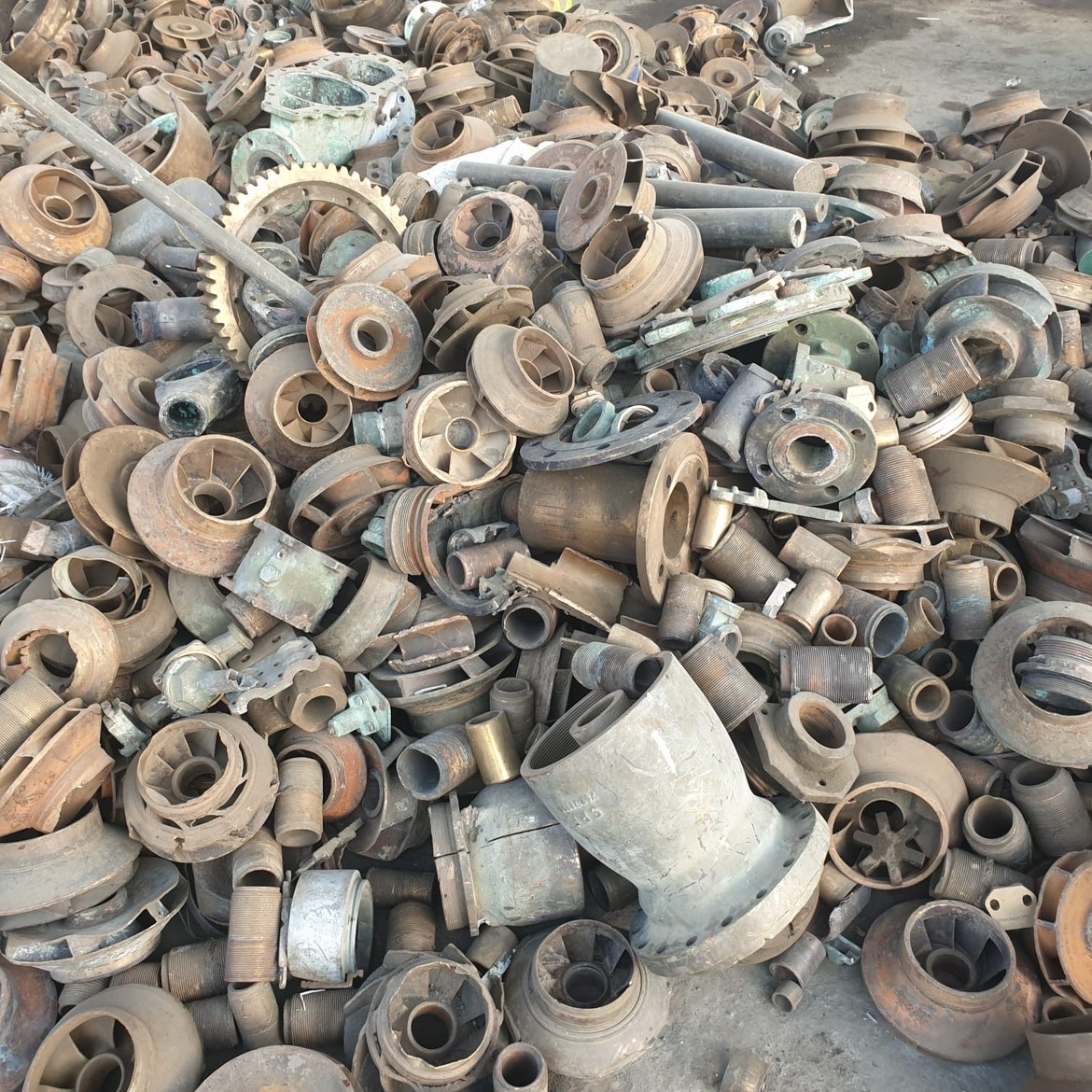
C84400 alloy has the characteristics of good castability, good mechanical properties, and medium strength. Due to its high lead content, it has good wear resistance and self-lubricating properties, making it suitable for use in mechanical parts that involve friction and wear. At the same time, this alloy has relatively good corrosion resistance, especially in freshwater environments. As shown in the figure below, water pipe fittings and valves are mainly made of C84400 alloy.

Water Pipe Fittings and Valves are Mainly Made of C84400 Alloy

Common Sources

Red brass is found all over the world, and in general, areas with higher living standards and more developed industries produce more. Additionally, areas near the ocean tend to produce more red brass scrap due to its good corrosion resistance. Red brass scrap can usually be recycled from the following scenarios:
1. Pipes and valves: The corrosion resistance of red brass makes it highly suitable for use in water pipe systems, including faucets, valves, fittings, and other pipe fixtures. Especially water meters, which are often made entirely of red brass, are common in American scrap.
2. Musical instruments: Red brass has a high copper content and good resonant properties, making it suitable for manufacturing tubular musical instruments, especially brass instruments such as trumpets, trombones, and saxophones.
3. Mechanical parts: The mechanical strength and wear resistance of red brass make it suitable for manufacturing gears, bearings, screws, and other mechanical parts that require long-term wear resistance.
4. Electronic components: In recent years, red brass has been used in the electronics industry to manufacture contactors, sockets, connectors, pins, switches, relays, and other electronic hardware.
5. Decorative parts: Red brass is popular in decorative applications due to its good surface finish and color.

Value Points

The value points of red brass are twofold. First, red brass has a high copper content, with a standard copper content of 85%, which is much higher than yellow brass products. When red brass is mixed with scrap, it can be used to produce standard yellow brass by adding zinc, which is much cheaper than copper. Second, if red brass is subjected to meticulous preprocessing to remove ordinary yellow brass scrap, it can be used to produce red brass directly, which has much lower costs and energy consumption than traditional methods.
Therefore, the value of red brass lies in its purity and proportion. The higher the proportion of red brass, the higher its value. If the proportion of red brass is too low, it can only be used as ordinary yellow brass, and its price will be much lower than that of red brass.

Processing Methods

We mentioned that the value of red brass lies in its purity and proportion. Therefore, the purpose of processing is to reduce impurities and distinguish and sort red brass to increase its value.
1. Disassembly
Red brass water meters, valves, and other parts often contain plastic, yellow brass, stainless steel, and other metal or non-metal impurities, which should be disassembled and removed as much as possible.
2. Sorting
Red brass should be sorted from yellow brass in detail. Sorting is mainly done by experienced workers manually. In addition, red brass also has high-zinc red brass (85% copper, 15% zinc) and high-tin red brass (85% copper, 5% zinc, 5% tin, 5% lead), and some factories with specific product types often distinguish between them during preprocessing. High-zinc red brass has a more reddish color and a more copper-like shape.

Detection Methods

Matching Direction

Red brass is a type of colored metal scrap with very special demand attributes. For most traders or yellow brass producers, red brass is just a special yellow brass with a higher copper content. However, for factories and enterprises that specialize in producing red brass products such as red brass valves, red brass bearings, and red brass gears, red brass is a highly cost-effective recycled raw material. Therefore, red brass scrap should be matched to enterprises that directly use it.

Special Attention

When quoting red brass, suppliers should be asked to provide the proportion of red brass in detail. In some cases, foreign suppliers may quote Ebony, but the actual goods may contain a large amount of semi-red brass (as shown in the figure below), which far fails to meet the Ebony standard, and may lead to claims. It is necessary to ask suppliers to provide photos of the actual goods, which can help buyers identify and judge the quality of the goods and give a reasonable price. Otherwise, it may lead to claims or even return risks.

Semi-Red Brass
Semi-Red Brass

Gallery

85-15 brass
Back to Parent Category