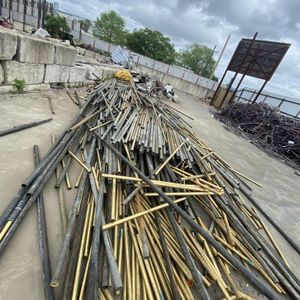
AD brass

Scrap Wiki

Naval Brass is a high-strength, corrosion-resistant copper-zinc alloy, particularly suitable for marine environments. Its composition includes approximately 70% copper, 29% zinc, and a small amount of tin (usually 0.75-1.0%), which, when combined, endow it with excellent corrosion resistance, especially in seawater and other harsh environments.
The main characteristics of Naval Brass include:
1. High Strength: Naval Brass has a high level of strength and hardness, making it suitable for applications that require resisting significant mechanical stress.
2. Corrosion Resistance: It performs well in seawater and other corrosive environments, primarily due to the addition of tin, which can significantly improve corrosion resistance and prevent dezincification in seawater (also known as brass disease).
3. Good Machinability: This alloy is easily processed and formed, suitable for making various parts through casting, rolling, punching, and machining.
4. Wear Resistance: It has good wear resistance, making it suitable for applications requiring frequent friction.
Copper (Cu): Approx. 59% - 62%
Zinc (Zn): Approx. 37% - 40%
Tin (Sn): 0.75% - 1.0%
Other Elements: May contain small amounts of lead (Pb), iron (Fe), etc., but the content is very low.
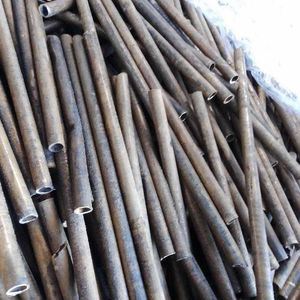
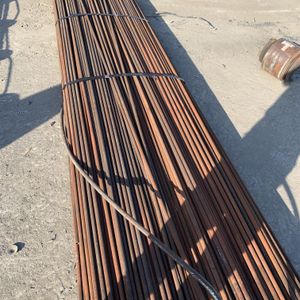
Common Classification

Common Sources

Due to its excellent corrosion resistance and mechanical properties, Naval Brass is easily collected in the marine and shipbuilding industries, such as:
Ship and Marine Engineering:
- Hull Fittings: Such as hull fasteners, bolts, nuts, and washers.
- Marine Structural Components: Such as components and fittings of offshore platforms.
- Marine Propellers: Due to its high strength and corrosion resistance, it is commonly used to manufacture marine propellers.
Industrial Applications:
- Heat Exchangers: Used to manufacture heat exchanger tubes, especially in seawater cooling systems.
- Condensers: The corrosion resistance of Naval Brass makes it suitable for various condenser tubes and fittings. This is one of the most common sources of Naval Brass.
Other Applications:
- Valves and Pumps: Used to manufacture corrosion-resistant valves, pump shells, and other mechanical parts.
- Fasteners: Suitable for fasteners that require high strength and corrosion resistance.

Value Points

The value of Naval Brass lies in the tin content in its alloy, as tin has a higher standalone value. Therefore, after regeneration and recycling of Naval Brass, it can be effectively reused in the production of Naval Brass, reducing production costs.

Processing Methods

Detection Methods

The main detection method for Naval Brass scrap is visual inspection. Experienced professionals can visually estimate the copper content of the brass scrap within ±1%. In addition, the detection methods for brass scrap also include cupellation analysis. Additionally, for metal pieces with uncertain copper content, portable spectroscopy can be used for detection.

Matching Direction

Grade Matching: American brass is suitable for matching with factories producing 70-29-1 Naval Brass, directly producing brass rods or used for production.
Downgrade Matching: Poorly sorted Naval Brass scrap is often used for the production of various crude ingots and miscellaneous ingots.
Competitive Markets: The Chinese mainland market, in terms of both price and demand for brass scrap, is the most competitive in the world. In addition, Taiwan, China, and Japan also have a certain level of competitiveness.

Special Attention

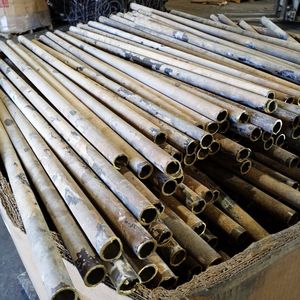
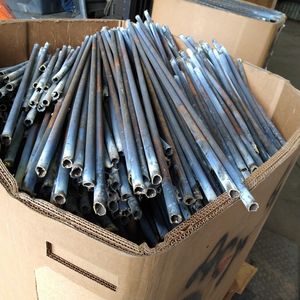
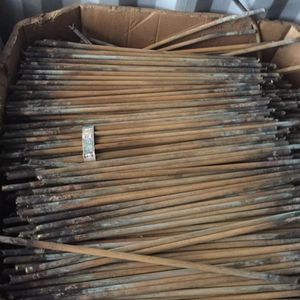
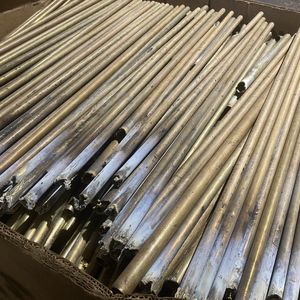
In transactions, special attention should be paid to the consistency between the quoted cargo photos and the actual goods, as well as the consistency between the quoted location and the actual shipping location. Because the variability of Naval Brass scrap is extremely large, the price is highly dependent on information such as photos and origin.

Gallery

AD brass
AD brass
AD brass
AD brass
AD brass
AD brass
AD brass
Back to Parent Category