Tinned 70-30

Scrap Wiki

Ordinary brass is a binary alloy of copper and zinc, with a wide range of zinc content. Brass scrap varies in form and elemental content, being scrap of non-ferrous metals with brass as the primary component.
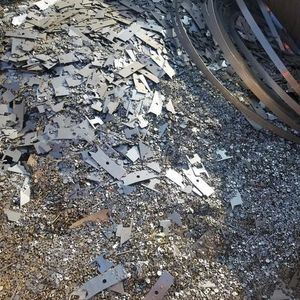
Tinned 70-30 copper-zinc alloy is a copper-zinc alloy, consisting specifically of 70% copper (Cu) and 30% zinc (Zn), with a tin coating on the surface. The features of the Tinned 70-30 copper-zinc alloy include:
- Oxidation resistance: The tin layer effectively prevents the oxidation of the brass in air, thereby maintaining good electrical and mechanical properties.
- Corrosion resistance: The tinned layer enhances the corrosion resistance of the brass in various environments, particularly in damp or highly corrosive conditions.
- Good solderability: Tinned brass is easier to weld and tin than pure brass, which is particularly important for electrical and electronic applications.
- Conductivity: Maintains the good electrical conductivity of the brass, making it suitable for situations requiring stable electrical connections.
Common Classification

Common Sources

Tinned 70/30 brass, due to its superior comprehensive properties, is widely used in multiple fields including electrical, construction, marine, and industry, meeting high material performance requirements for these applications.
1. Electrical and electronic components
- Electrical connectors and terminals: Tinning enhances the brass's oxidation resistance and corrosion resistance, ensuring long-term reliability and conductivity in electrical connections.
- Cable ends: Used to protect the ends of cables from oxidation and corrosion, ensuring stable transmission of telecommunication signals.
2. Building and decorative materials
- Plumbing fixtures: Tinned brass is used to manufacture various plumbing fixtures, such as valves, pipe fittings, and faucets, due to its corrosion resistance and anti-scaling properties, which are well-suited for water treatment and conveyance systems.
- Decorative pieces: Such as door handles, door locks, and other architectural decorations, the tinned layer adds aesthetic appeal and durability.
3. Shipbuilding and marine engineering
- Marine equipment: Tinned brass, due to its resistance to seawater corrosion, is often used to make components for marine engineering equipment, such as bolts, nuts, and other fasteners.
4. Communication equipment
- Coaxial cables: Used for the connectors and shielding of coaxial cables, the tinned layer can effectively prevent signal interference and electromagnetic interference (EMI).
5. Industrial applications
- Industrial pipe fittings and connectors: Used in environments requiring corrosion resistance and high strength, such as pipes and connectors in chemical and food processing equipment.

Value Points

The value of 70/30 brass lies in its high copper content. High-quality 70/30 brass scrap can be directly upgraded for the manufacture of 70/30 brass products. The tin plating on Tinned 70-30 brass can also be used in the smelting production of admiralty brass without the need for additional high-cost pure tin.

Processing Methods

Sorted Tinned 70-30 copper-zinc alloy can often be directly used as is.

Detection Methods

The main detection method for Tinned 70-30 copper-zinc alloy scrap is visual inspection. Experienced professionals can visually estimate the copper content of brass scrap with accuracy within ±1%. In addition to cupellation testing, portable spectroscopy can also be used to test metal pieces with uncertain copper content.

Matching Direction

Grade-matching: Tinned 70-30 copper-zinc alloy is suitable for matching with factories that produce Tinned 70-30 copper-zinc alloy.
Strongly competitive markets: The Chinese mainland market, in terms of both price and demand for Tinned 70-30 copper-zinc alloy scrap, is the most competitive globally. Taiwan, China, and Japan also have some competitiveness.

Special Attention

In transactions involving Tinned 70-30 copper-zinc alloy, particular attention should be paid to the consistency between the quoted product photos and the actual goods, as well as the consistency between the quoted location and the actual shipping location. Due to the great variability in brass scrap, prices are heavily dependent on images and origin information.

Gallery

Tinned 70-30
Back to Parent Category