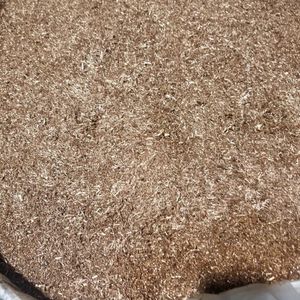
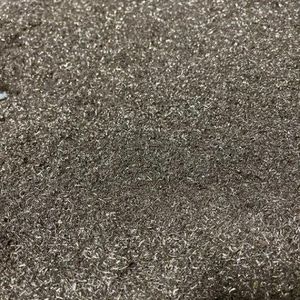
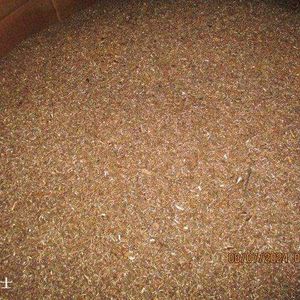
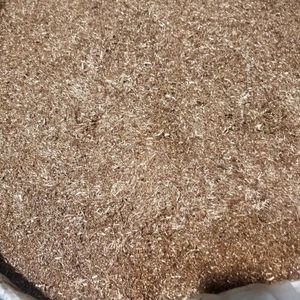
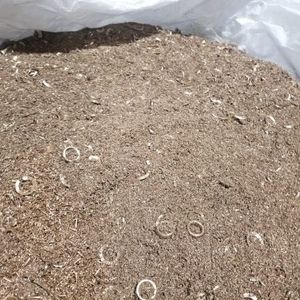
Red brass turnings

Scrap Wiki

Red brass, also known as red copper, is a common name for a type of copper alloy. It is called red brass or red copper because it is primarily composed of copper (Cu) and zinc (Zn), similar to yellow brass. In addition to copper and zinc, red brass may also contain small amounts of tin (Sn) or other metals. Red brass is named for its distinctive red color, and its copper content is typically above 85%, which gives it good corrosion resistance and processing performance. Red brass is widely used in the manufacture of pipes, decorative items, musical instruments, and various mechanical and electrical components.
In recent years, due to the good electrical conductivity, corrosion resistance, formability, and mechanical properties of red brass, it has become an ideal material for manufacturing certain electronic components. Electronic components made of red brass, in addition to their electrical conductivity, also have the following characteristics:
1. Corrosion resistance: In most environments, red brass exhibits excellent corrosion resistance, which helps electronic components maintain their performance and lifespan in harsh conditions.
2. Formability: Red brass is easy to process into complex shapes, which is important for manufacturing fine electronic components and connectors.
3. Mechanical properties: Red brass has good strength and toughness, which helps electronic components maintain their structural integrity under physical stress.
4. Weldability and joinability: Red brass is easy to weld and join with other metals, which is necessary for the manufacture and repair of electronic components.
5. Aesthetics: Red brass has an attractive golden appearance, which can be an additional advantage for visible electronic components or decorative parts.
Red brass chips are a common industrial source of red brass waste, which comes from the industrial waste generated during the processing of red brass. The sources of red brass chips mainly include machining, turning, drilling, and cutting.
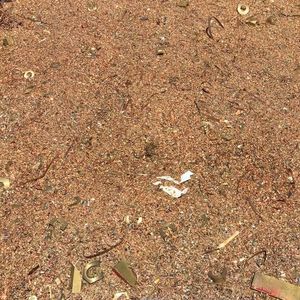
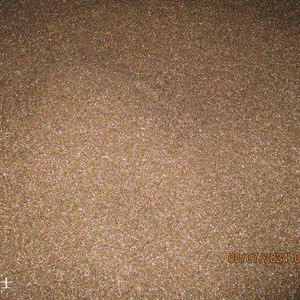
Common Classification

Red brass chips are classified based on the different materials and proportions of copper and zinc, as well as the presence of other alloying elements. They have different grades. Common classifications of red brass include:
1. C23000 - a standard grade of red brass, which belongs to the category of commercial bronze. C23000 alloy is mainly composed of 85% copper and 15% zinc, and its high copper content gives it a distinctive red color. Due to its good surface finish and color, it is popular in decorative applications. Red brass has good corrosion resistance, strength, and ductility, making it suitable for various industrial applications, including the manufacture of pipes, fittings, architectural decorations, and radiator parts. Due to its high copper content, C23000 alloy also has the characteristics of red brass, such as good electrical conductivity and thermal conductivity, so it is often used to manufacture electrical hardware. This alloy typically appears on the market in the form of soft pipes, pipes, fittings, architectural hardware, and other industrial components.
The typical elemental composition of C23000 brass is as follows:
- Copper (Cu): approximately 85% - 87%
- Zinc (Zn): remaining part (approximately 13% - 15%)
- Lead (Pb): 0.05% (maximum)
- Iron (Fe): 0.05% (maximum)
- Other elements: may contain small amounts of other elements, but usually at very low levels
2. C84400 - This lead-containing red brass alloy is also used to manufacture valves and fittings for freshwater environments, with a copper content of around 81%. The elemental composition is approximately as follows (values may vary depending on the specific manufacturer and application):
- Copper (Cu): approximately 71% - 77%
- Lead (Pb): approximately 6% - 8%
- Tin (Sn): approximately 2% - 3%
- Zinc (Zn): remaining part, approximately 14% - 20%
- Nickel (Ni): 0.5% (including nickel's allowable content)
- Iron (Fe): 0.3% (maximum)
- Antimony (Sb), phosphorus (P), sulfur (S), aluminum (Al), etc.: each element is usually less than 0.25%
C84400 alloy has good castability, mechanical properties, and medium strength. Due to its high lead content, it has good abrasion resistance and self-lubricating properties, making it suitable for mechanical components that involve friction and wear. At the same time, this alloy has relatively good corrosion resistance, especially in freshwater environments. As shown in the figure, water pipe fittings are mainly made of C84400 alloy.
When using C84400 alloy to manufacture components for drinking water systems, it is necessary to pay attention to the lead content, which may be restricted because lead is a harmful element that can affect water quality. Therefore, when designing and manufacturing components for water supply systems, relevant safety and hygiene standards should be followed.

Common Sources

Red brass chips are produced in processing factories, and the output is generally higher in industrially developed areas. Additionally, areas near the ocean tend to produce more red brass waste due to its good corrosion resistance.

Value Points

The value points of red brass chips are two-fold. Firstly, the copper content of red brass is high, with a standard copper content of 85%, which is far higher than that of yellow brass products. When red brass is mixed with waste, it can be used to produce standard yellow brass by adding zinc at a lower cost than copper. Secondly, the content of impurities such as oil and water. The lower the impurity content, the higher the value of the material.
Therefore, the value of red brass lies in its purity. Completely pure red brass waste has a price that is far higher than that of yellow brass waste, generally 16%-18% higher than LMECu. Once yellow brass is mixed in, the price of the waste will decrease as the preprocessing cost increases. When the proportion of red brass is too low, it is no longer cost-effective to produce red brass directly, and it can only be used as ordinary yellow brass, so the price is much lower than that of red brass.

Processing Methods

Generally speaking, high-quality red brass chips do not require special processing or preprocessing and can be directly used in the furnace. If there are too many iron impurities, oil pollution, or combustible materials, magnetic selection, degreasing, and other treatments may be necessary.

Detection Methods

The detection of red brass chips mainly involves melting and inspecting impurities in a crucible, as well as spectroscopic analysis to verify the accurate copper content.

Matching Direction

Red brass is a type of colored metal waste with extremely special demand attributes, which is very suitable for matching with smelting and production enterprises that specialize in producing red brass products such as red brass valves, red brass bearings, and red brass gears. Red brass chips that can be directly used are extremely cost-effective recycled raw materials, so their prices have certain advantages compared to trading companies or other copper alloy production enterprises. Therefore, red brass waste should be matched with enterprises that directly use it.

Special Attention

When quoting red brass, it is necessary to carefully ask the supplier about the proportion of red brass. The proportion of impurities and oil and water should be clarified, otherwise, it may lead to claims. It is necessary to ask the supplier to provide photos of the actual goods, which can help the buyer identify and judge the quality of the goods and give a reasonable price. Otherwise, it is easy to lead to claims or even return risks.

Gallery

Red brass turnings
Red brass turnings
Red brass turnings
Red brass turnings
Red brass turnings
Red brass turnings
Red brass turnings
Back to Parent Category