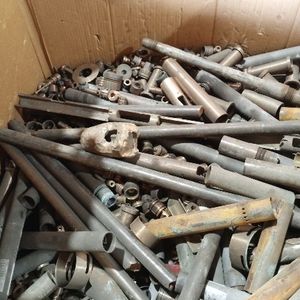
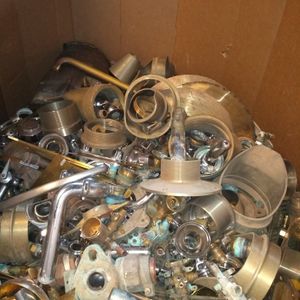
Bare 70-30

Scrap Wiki

Ordinary brass is a copper-zinc binary alloy with a varying zinc content. Brass scrap comes in various forms and has different elemental compositions, making it a diverse and complex type of non-ferrous metal scrap.
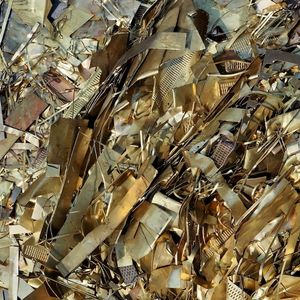
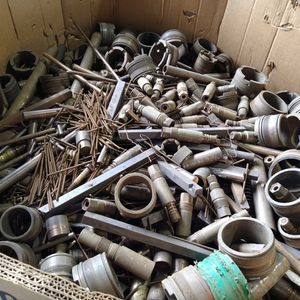
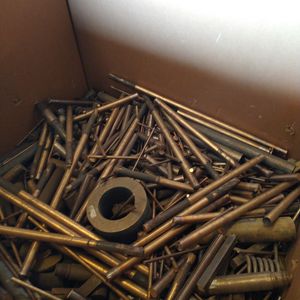
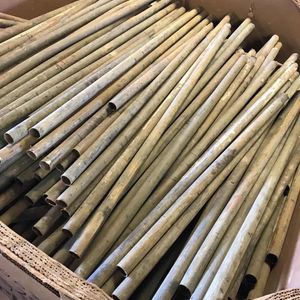
70/30 brass, also known as C26000 brass, is a copper-zinc alloy consisting of 70% copper (Cu) and 30% zinc (Zn). This alloy is highly valued for its excellent mechanical properties and corrosion resistance, making it a popular choice for various industrial and decorative applications. For example, 70/30 brass is commonly used in cartridge casings. The high quality and value of 70/30 brass in the United States can be attributed to its high copper content. The distinctive feature of 70/30 brass is that it does not contain small elements like tin or lead.
Common Classification

Common Sources

Brass scrap often originates from household waste collection, gathered in small quantities of tens of kilograms to several tons, and then collected in medium to large-scale recycling facilities. These scraps exhibit varying appearances, surface conditions, oxidation levels, and age. There are also industrial brass scraps generated from defective or discarded products, which tend to have simpler forms.

Value Points

The value of 70/30 brass lies in its high copper content. High-quality 70/30 brass scrap can be directly reused to manufacture 70/30 brass products. In contrast, lower-grade brass scrap with lower copper content requires the addition of high-cost pure copper.

Processing Methods

  1. Manual Disassembly
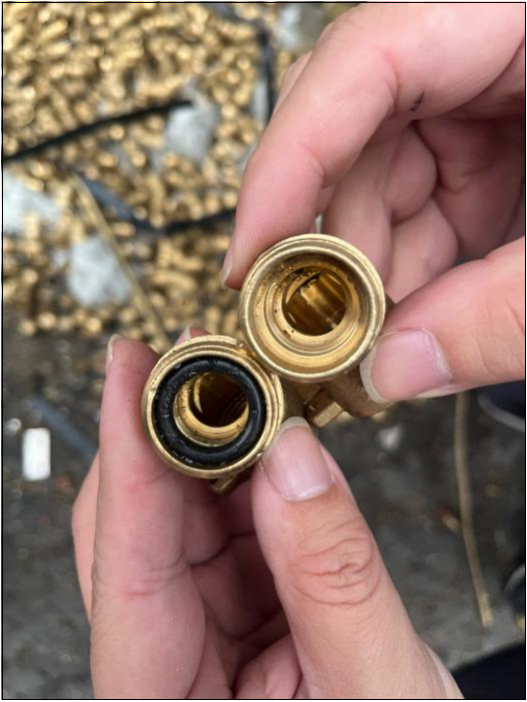
    Manual disassembly is essential for brass scrap, as it often contains attached materials like iron, stainless steel, zinc, and non-metallic substances like rubber and plastic. Manual disassembly is necessary to remove these attachments, increasing the value and quality of the scrap. For example, gaskets and stainless steel connections in valves need to be manually disassembled.
Brass after manual disassembly of rubber rings
  1. Manual Sorting
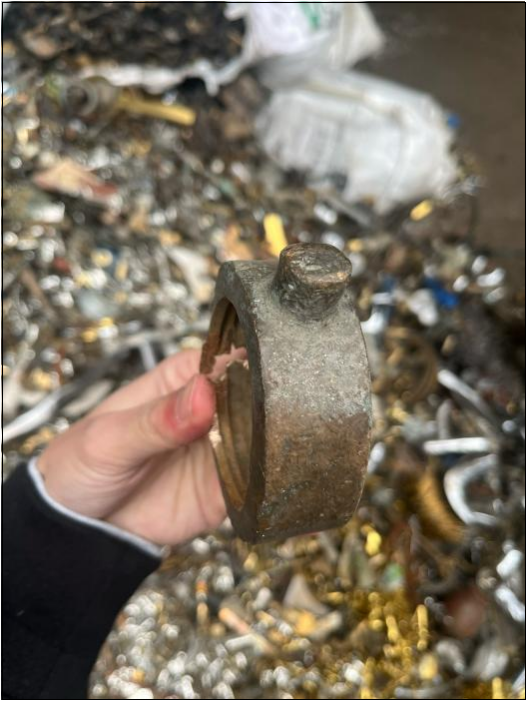
    Manual sorting is an indispensable process for brass scrap. It involves two main steps. The first step is to remove low-value scrap, such as zinc castings, aluminum castings, and iron castings. The second step is to separate high-value scrap, like red brass, naval brass, aluminum bronze, nickel silver, and other high-value materials. This step requires a high level of expertise, as some recycling facilities may not be aware of how to sort these materials, resulting in high-value scrap being mixed with brass.
Red brass components mixed with brass
  1. Crushing and Sorting
    For brass scrap with complex structures and attached impurities, some recycling facilities and manufacturers with strict material quality requirements use crushing and sorting. This process involves breaking down the scrap into smaller pieces and then using magnetic separation, flotation, or other methods to remove metallic and non-metallic impurities.

Detection Methods

The primary method for detecting brass scrap is visual inspection by experienced professionals, who can estimate the copper content with an accuracy of ±1%. Other detection methods include crucible testing and portable spectroscopy analysis for uncertain copper content materials.

Matching Direction

  • Matching for Reuse: 70/30 brass is suitable for matching with manufacturers that produce 70/30 copper rods.
  • Competitive Markets: The Chinese mainland market has the strongest competitiveness for 70/30 brass scrap in terms of price and demand. Taiwan, China, and Japan also have significant competitiveness.

Special Attention

When trading 70/30 brass scrap, it is essential to ensure consistency between the photos and actual goods, as well as the reported and actual shipping locations. This is because brass scrap can have significant variations, and prices are highly dependent on factors like images and origin.

Gallery

Bare 70-30
Bare 70-30
Bare 70-30
Bare 70-30
Bare 70-30
Bare 70-30
Bare 70-30
Back to Parent Category