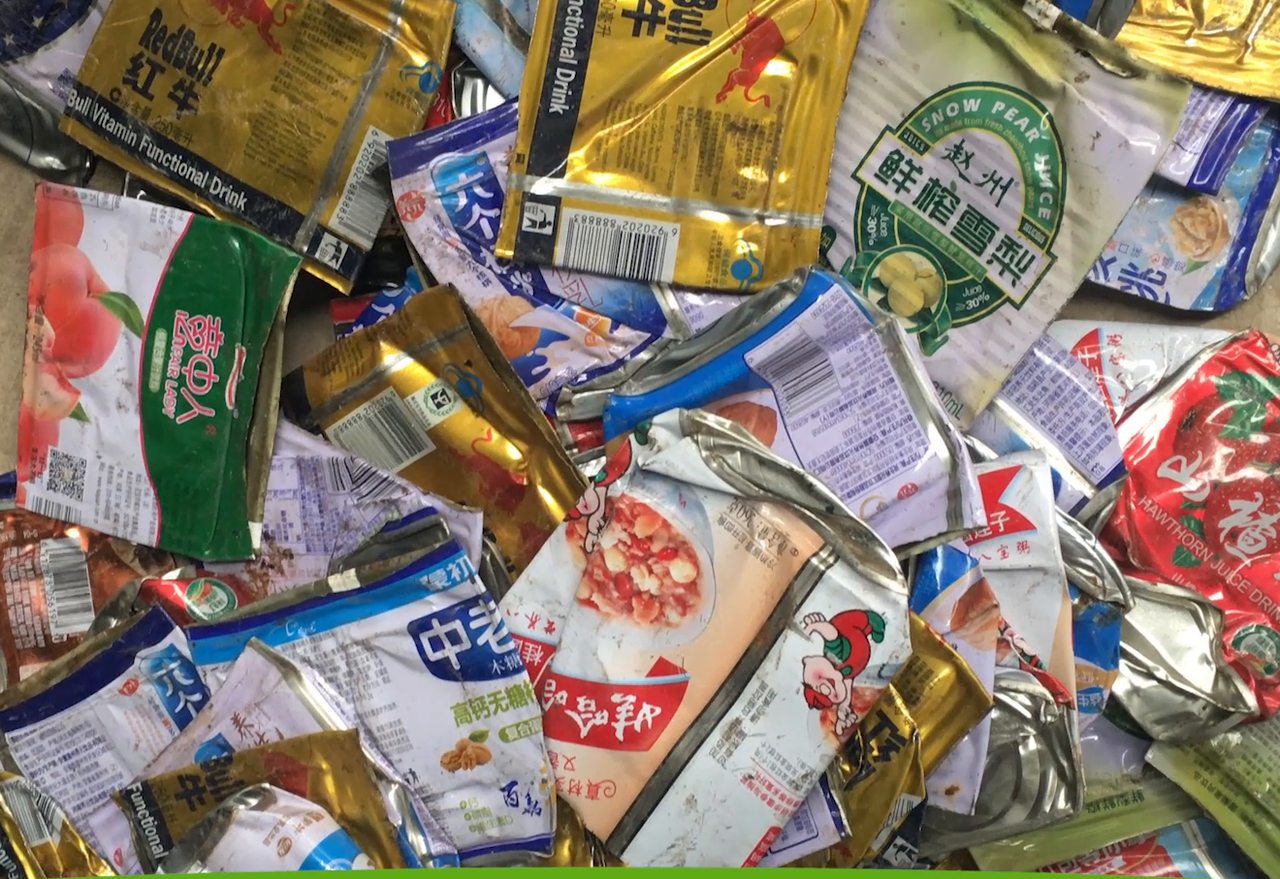
Clean UBC

Scrap Wiki

Aluminum cans are lightweight, airtight, and corrosion-resistant packaging containers. They are made of high-strength aluminum alloys that can withstand high pressure, making them suitable for storing carbonated beverages.
The most common beverage cans are made of two different types of aluminum alloys: the can body is usually made of 3004/3104 aluminum alloy, while the can lid is usually made of 5182/5052 aluminum alloy. The 3004/3104 aluminum alloy has excellent formability, corrosion resistance, and weldability, making it ideal for producing can bodies. The 5182/5052 aluminum alloy has excellent strength and corrosion resistance, making it suitable for producing can lids.

Easy-open can ring is usually 5182

These two aluminum alloys undergo a series of processing, including cleaning, coating, printing, and shaping, to produce the familiar aluminum cans. This packaging method is convenient, hygienic, and environmentally friendly, as aluminum can be recycled. In recent years, with the rapid development of the circular economy and the recycling industry, aluminum cans have become the most important source of recycled aluminum raw materials worldwide.
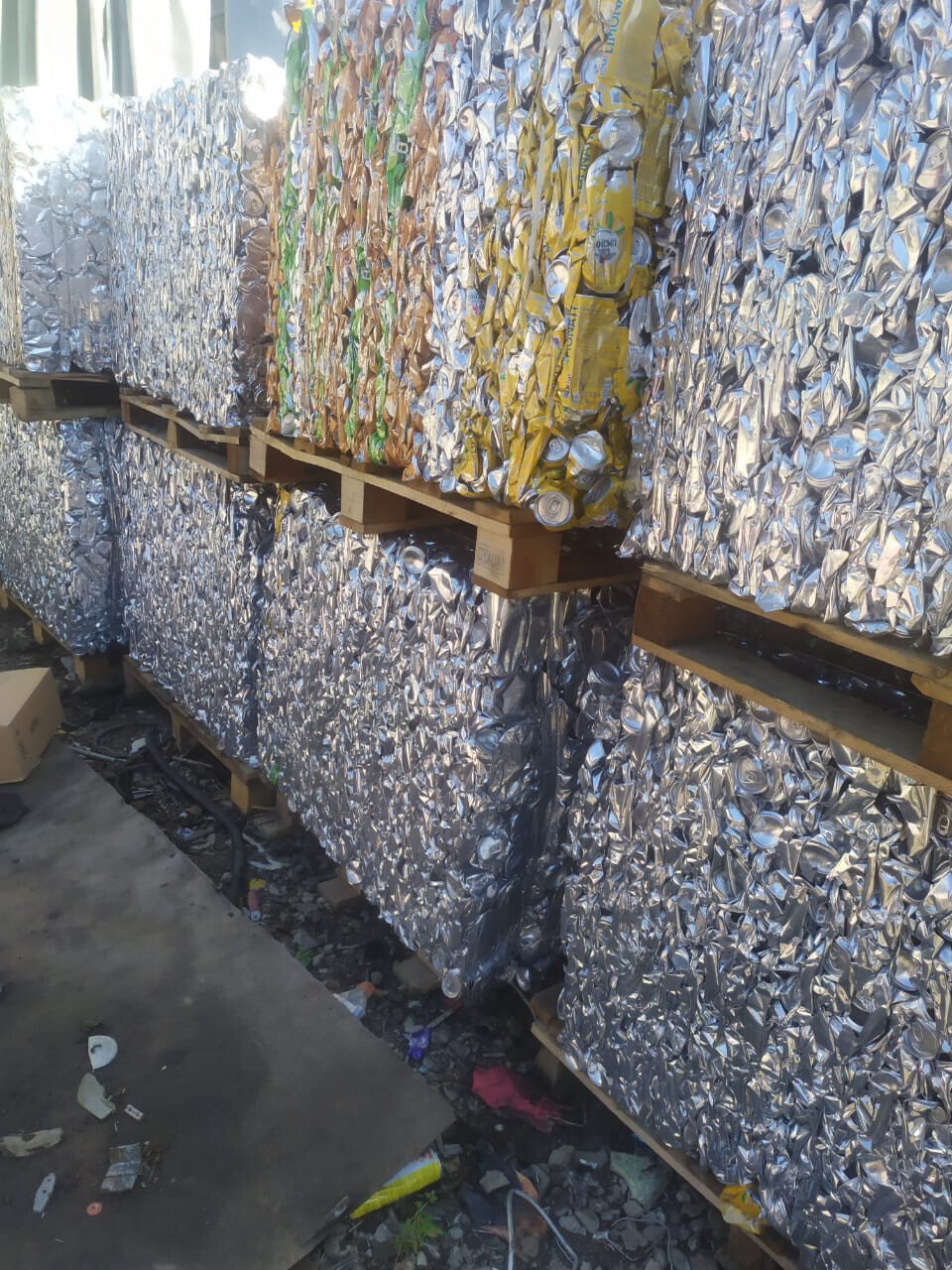
Clean and paint-free aluminum can scraps

The global value of aluminum can recycling is estimated to be around $5.144 billion in 2022 and is expected to reach $6.911 billion by 2029, with a compound annual growth rate of 4.3% from 2023 to 2029.

Common Classification

The melting and recycling rate of painted aluminum can scraps depends on the grade of the scraps. The following is a general classification:
1. Grade 1 UBC scraps: This is the cleanest and most pure form of UBC scraps, with a melting and recycling rate of around 97%. These scraps are usually collected from large supermarkets and are free of contaminants, making them suitable for recycling.
2. Grade 2 UBC scraps: These scraps contain minor contaminants, such as oxidation or other metals, and are usually sorted by hand. The melting and recycling rate of these scraps is slightly lower than Grade 1.
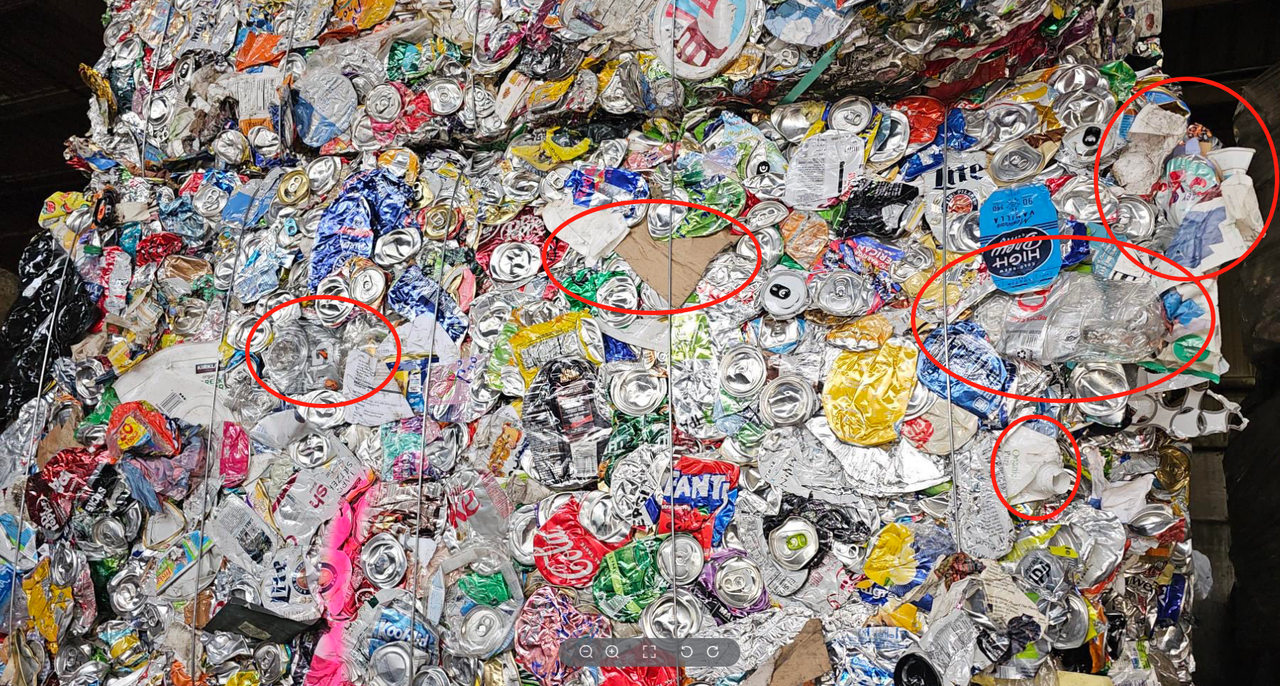
3. Grade 3 UBC scraps: These scraps contain a large amount of contaminants, including paper and plastic waste, and have a low melting and recycling rate. Some of these scraps may require additional processing to separate the contaminants before recycling.
Professional equipment, such as double-chamber furnaces, can significantly improve the metal recovery rate of painted aluminum can scraps.

Common Sources

Aluminum can scraps come from two main sources: factory waste and household waste.
Factory waste is mainly composed of defective products, which are usually bare and of high quality, making them suitable for recycling. Some factory waste may have undergone coating processes and need to be stripped of the coating before recycling.
Household waste is the largest source of aluminum can scraps, also known as used beverage cans (UBCs). The amount of household waste generated depends on several factors, including population density, living standards, and climate. For example, tropical regions tend to generate more aluminum can waste than temperate regions due to higher beverage consumption.
The recycling rate of aluminum cans is the highest among all types of metal waste, with China being a leader in this area, with a recycling rate of 98%. However, most recycled aluminum cans are downgraded and used as secondary materials, leaving room for improvement.

Value Points

The value of painted aluminum can scraps lies in their purity. The classification system is based on the level of contaminants present in the scraps. Grade 1 UBC scraps are of the highest quality and can be used directly as industrial-grade materials. Grade 2 and Grade 3 scraps have lower value but can still be recycled after stripping and crushing.
The following images show examples of contaminants in aluminum can scraps:

Processing Methods

The common processing methods for aluminum can scraps include:
1. Collection and sorting: Aluminum can scraps need to be collected and sorted. Manual sorting or mechanical sorting can be used to separate iron cans, plastic bottles, and other contaminants.
2. Cleaning and stripping: Collected aluminum can scraps need to be cleaned to remove oil, beverage residue, and other contaminants. Stripping is an optional process that can improve the quality of the scraps. There are several methods for stripping, including chemical stripping, thermal stripping, and mechanical stripping.
3. Compression: Cleaned aluminum can scraps are usually compressed into blocks for easy transportation and storage.
4. Melting: Compressed aluminum can scraps are sent to a melting furnace, where the aluminum is extracted. The melting process involves heating the scraps to high temperatures, usually using a rotary furnace, crucible furnace, or electric resistance furnace. Chemical additives may be added to remove impurities and improve the purity of the aluminum.
The resulting aluminum ingots can be used to produce new aluminum products, such as aluminum sheets, foil, or other aluminum products.

Detection Methods

The detection of aluminum can scraps usually involves sampling and melting to determine the metal recovery rate. The metal recovery rate is calculated by dividing the actual amount of aluminum extracted by the total weight of the sample.
If the contamination rate needs to be detected, sampling and manual sorting can be used to separate the contaminants.

Matching Direction

Aluminum can scraps can be matched with aluminum rolling mills, which use recycled aluminum to produce new aluminum products. In recent years, many companies, such as Budweiser and Pepsi, have pledged to increase the use of recycled aluminum in their products.
Aluminum can scraps can also be matched with automobile manufacturers, which use aluminum to produce car parts. The increasing demand for electric vehicles has led to a surge in the use of aluminum in the automotive industry.
If the contaminants in the aluminum can scraps are too high, they can be matched with melting furnaces that produce aluminum ingots for secondary use.

Special Attention

  1. Be cautious of iron cans masquerading as aluminum cans. Iron cans can be identified by their rust spots.
  2. Be aware of packaged aluminum can scraps that contain hidden contaminants. It's essential to inspect the packaging before purchasing.
  3. Be cautious of aluminum can scraps that contain residual liquids or maliciously added substances, such as wet paper or mud. These can be hazardous to the recycling process.
Iron cans mixed with aluminum can scraps

Gallery

Clean UBC
Back to Parent Category