Scrap Wiki
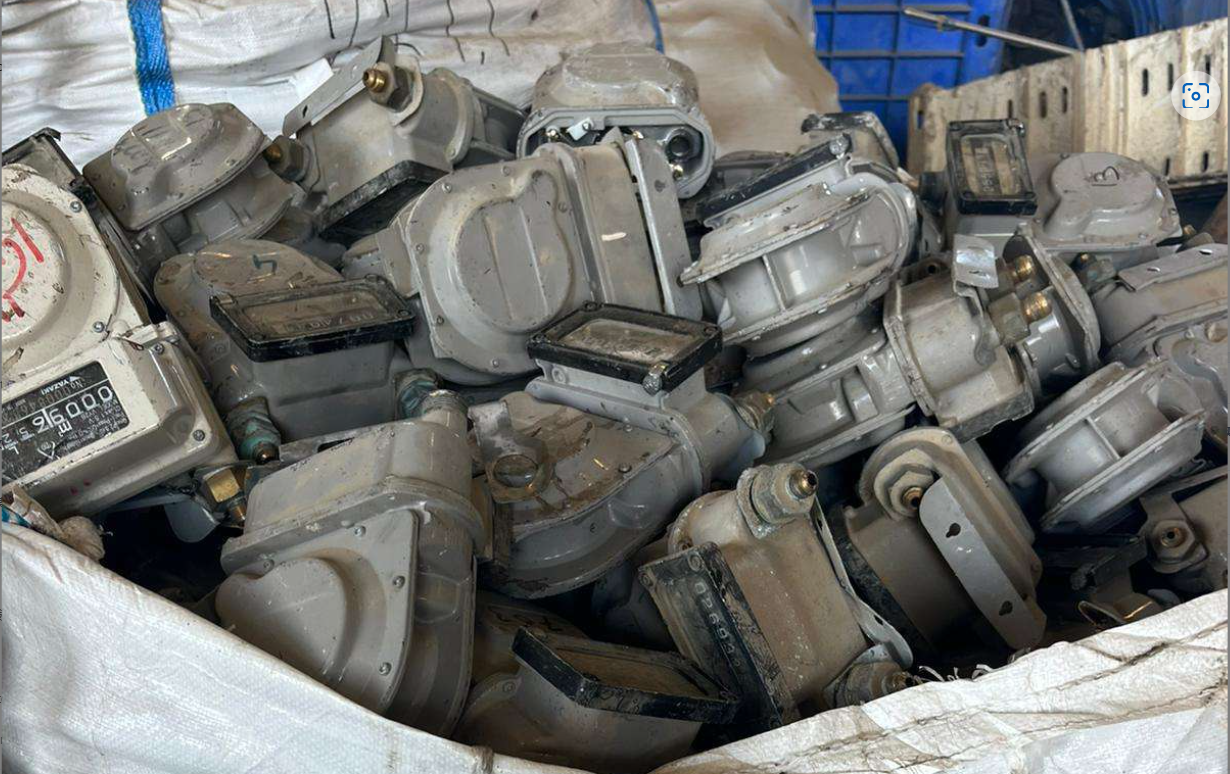
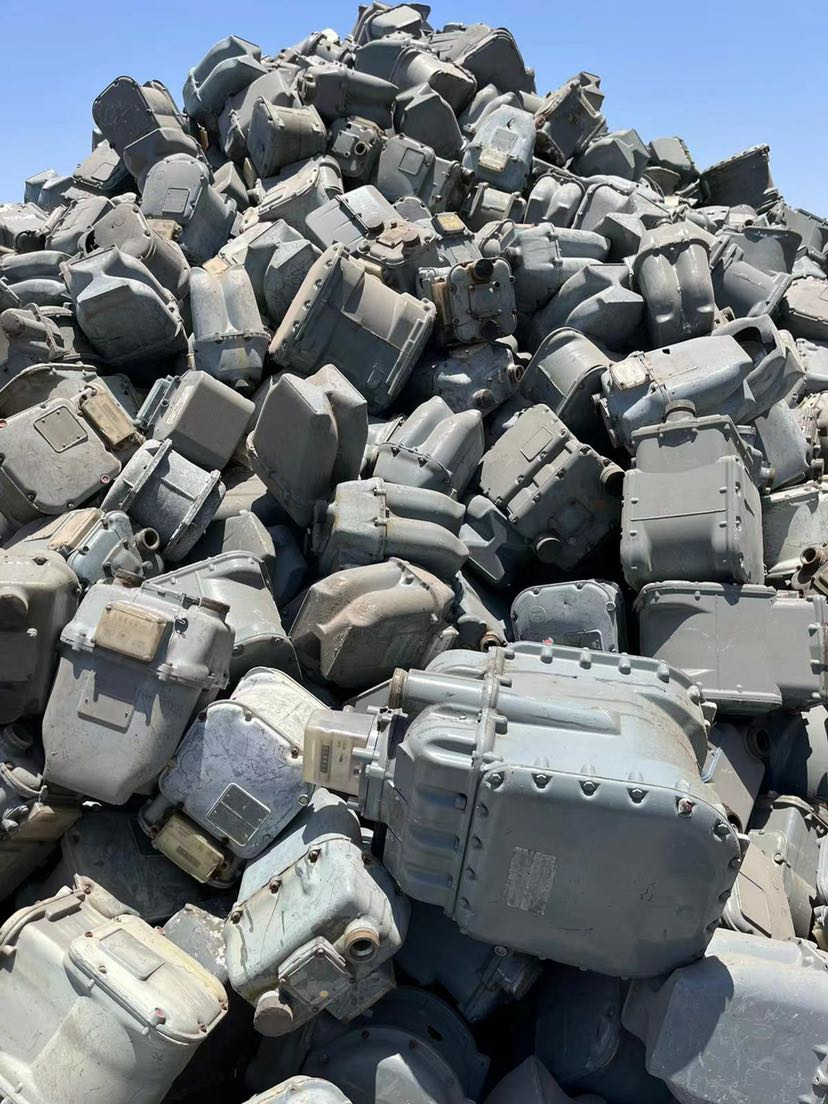
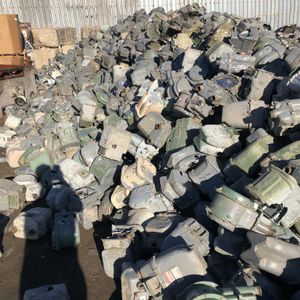
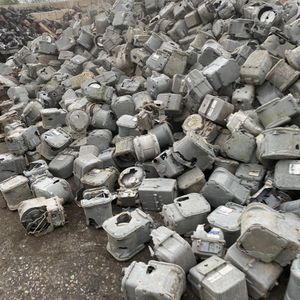
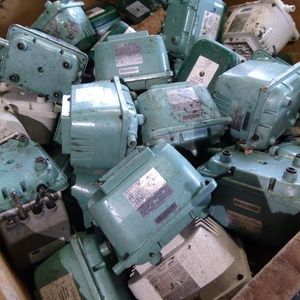
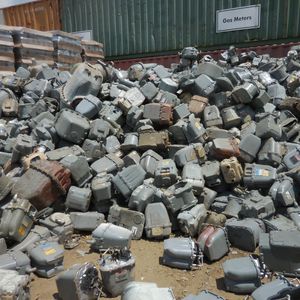
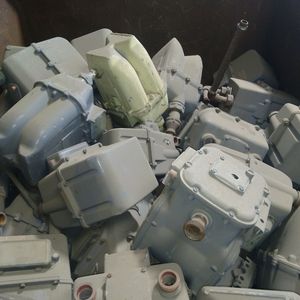
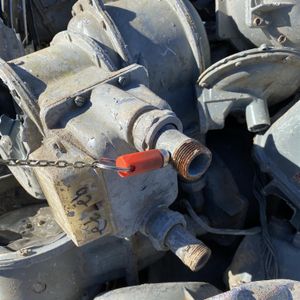
Gas meters are used to measure and record the consumption of fuel gases (such as natural gas, liquefied petroleum gas, etc.) supplied through pipes. Over time, gas meters may be replaced due to technological updates, damage, calibration failure, or other reasons, and the replaced gas meters become scrap gas meters.
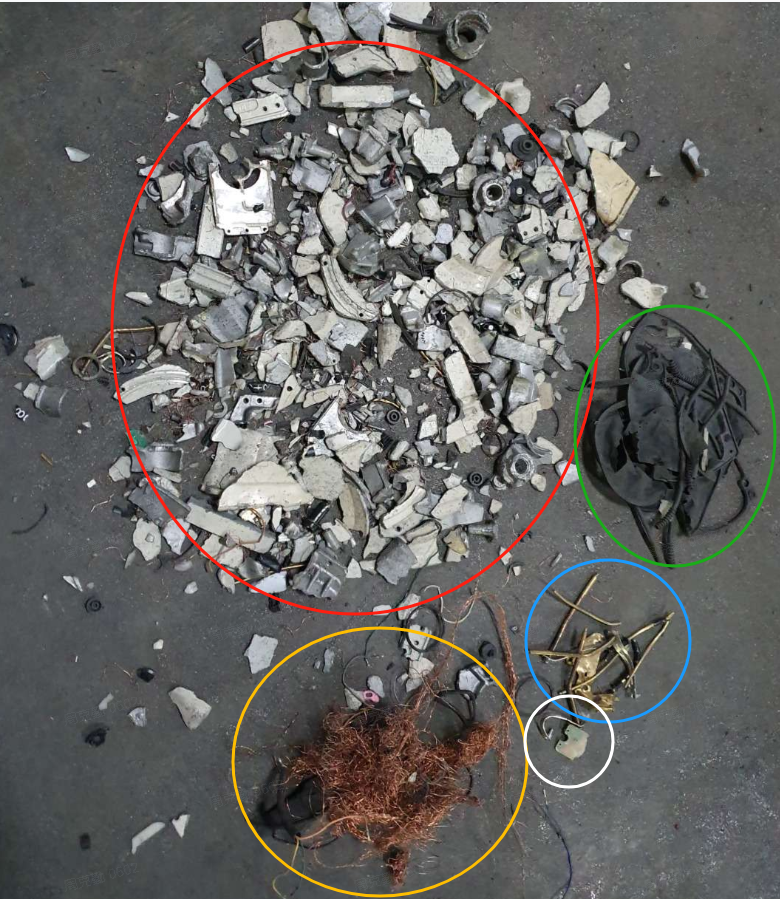
Scrap gas meters may contain a variety of valuable materials, including:
1. Metal: The outer casing and internal structure of gas meters typically contain a variety of metals, such as copper, aluminum, steel, and brass. The outer casing of scrap gas meters is generally made of aluminum or stainless steel, with yellow or red copper pipes inside. These metals can be recovered through proper recycling and processing programs and reused in manufacturing.
2. Plastic: Some components of gas meters may be made of plastic, which can be recycled and used for production of regenerated plastics.
3. Electronic components: Modern gas meters may contain electronic components and circuit boards, which may contain precious metals such as gold, silver, palladium, and platinum.
4. Glass: Some gas meters' dials may use glass covers, which can be recovered.
The recycling of scrap gas meters requires professional handling, as they may contain hazardous substances, such as mercury (in some old-fashioned gas meters) or other hazardous chemicals. The recycling process should ensure compliant handling of these hazardous substances and follow local environmental regulations and safety standards.
Usually, scrap gas meters are sent to specialized recycling facilities, where they have the appropriate tools and technology to dismantle the gas meters and safely separate and process the valuable and hazardous materials. Through proper recycling processes, not only can the impact on the environment be reduced, but also valuable raw materials can be extracted for reuse.