Aluminum radiator irony

Scrap Wiki

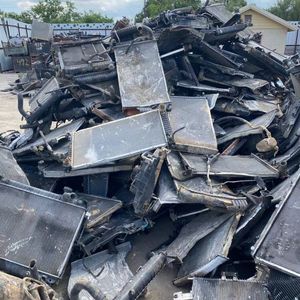
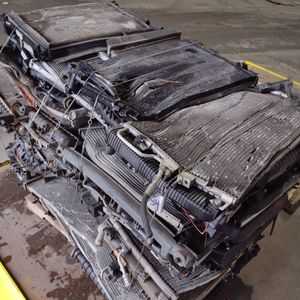
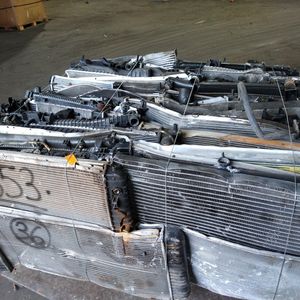
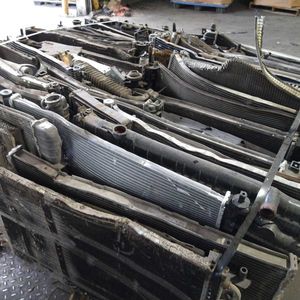
Aluminum radiators, also known as aluminum water tanks, are the most common type in modern vehicles. Both the heat pipes and heat sinks are made of aluminum. In terms of aluminum alloy selection, radiators usually use aluminum alloys with higher thermal conductivity, such as 3003 or 6061 series, because these alloys provide good thermal conductivity, formability, and corrosion resistance, which meet the application requirements of radiators. Some use 4000 series alloys for radiators or other cooling system components because they contain silicon, which provides some specific thermal conduction properties. Aluminum radiators are lightweight, cost-effective, and their thermal conductivity is sufficient to meet the cooling demands of most modern vehicles. Due to these advantages, aluminum radiators are widely used in various passenger cars, SUVs, light and medium commercial vehicles.

Clean Aluminum Water Tank

Common Classification

Common Sources

Aluminum water tanks mainly come from light and medium-sized passenger vehicles, sedans, SUVs, and most modern vehicles.

Value Points

The main material of aluminum water tanks is aluminum. The value points are:
1. Non-metallic impurities should be minimized, and attached objects should be few. For example, mud, sand, water, etc.
2. Check for iron impurities. The connections and mounting parts of the water tank often have iron components or screws, which need to be carefully checked.

Processing Methods

  1. Sorting: Sort the different materials of the vehicle radiators, such as copper, copper-aluminum, and pure aluminum radiators, to maximize their value. The entire radiator, including the pipes and heat sinks, is silver-white. Due to the heavy surface contamination of the radiators, the metal color is not visible. Lightly scratching the metal surface can reveal the underlying metal, making it easier to distinguish the material.
  2. Disassembly: Separate the metal parts and non-metal parts (such as plastic, rubber hoses, and sealing strips) of the water tank structure. Also, separate the colored metals and iron, which can significantly affect the price of the main material. The water tank head often has a lot of iron impurities, which need to be strictly separated. Aluminum water tanks, especially new models, often use plastic water tank heads.
  3. Crushing + Machine Sorting or Manual Disassembly: This depends on the equipment conditions and labor costs. Some factories with crushing and complete sorting equipment will thoroughly crush the water tank after removing the external attachments and then use flotation, shaking, and other equipment to completely separate the materials. If there is no crushing and sorting equipment, manual disassembly is required. The general disassembly method is to remove the heat pipes and then peel off the heat sinks from the pipe body one by one.
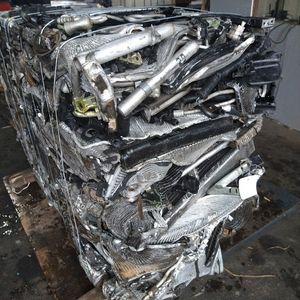
  4. Smelting or Selling: At this point, the crushed aluminum water tank is in a condition to be sold as a colored metal scrap commodity. It can be sold directly or smelted for production if conditions permit.

Detection Methods

Matching Direction

  1. Manual Scrap Disassembly Factory
  2. Crushing and Sorting Factory

Special Attention

  1. With/Without Impurities
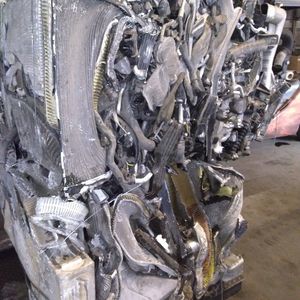
    Generally, clean aluminum water tanks do not contain metal impurities, such as iron water tank heads or iron mounting brackets. However, they may contain non-metallic impurities, such as water tank sealing strips. Whether or not to include impurities, including iron impurities, is an essential piece of information in transaction communication.
  2. Clean/Dirty
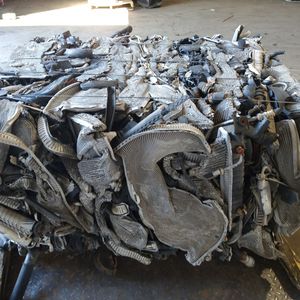
    Aluminum water tanks often have a large amount of mud, which is a normal and common situation. Dirty water tanks usually have 2%-3% mud. However, some vehicle radiators may be sold in a clean state after cleaning. In transactions, it should be specifically noted and agreed upon.

Gallery

Aluminum radiator irony
Back to Parent Category