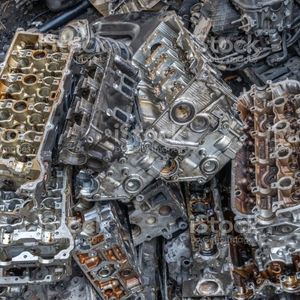
Cast-aluminum motor-shell

Scrap Wiki

Common aluminum scrap from engine housings generally originates from automobile engines, with the occasional rare engine from sources like airplanes or ships, which should be specifically noted.
The housings of car engines are predominantly made of aluminum alloys, with a smaller portion made of cast iron. In recent years, aluminum alloy engines have increasingly become the mainstream in the market due to their lightweight characteristics. The primary materials used in aluminum engine housings are A380 and A356, ADC12. These materials share the common traits of good casting properties, high temperature and pressure resistance, as well as excellent thermal conductivity and expansion coefficients. The metal recycling rate for new aluminum engine castings without impurities is 97%-98%.
ADC12 is also known as A383 aluminum alloy. It is the most common material for aluminum engine shells, a choice that balances production efficiency and cost-effectiveness, widely used in mass-produced economical cars. The silicon content typically ranges from 9.6% to 12%, the copper content is from 1.5% to 3.5%, and the iron content does not exceed 0.9%, with possible traces of magnesium and zinc. ADC12 is suitable for casting complex shapes and thin-walled products.
A380 aluminum alloy is also a very common aluminum alloy used in engines, primarily for die casting. This alloy is a common choice for manufacturing engine housings due to its combination of good casting properties, high strength, and lower cost. A380 alloy contains 7.5% to 9.5% silicon, 3.0% to 4.0% copper, and a certain percentage of magnesium, iron, nickel, and zinc.
A356 aluminum alloy has very good casting performance, as well as high strength and excellent corrosion resistance, which makes A356 suitable for manufacturing engine components that need to withstand high pressure and high temperatures, such as high-performance car or aerospace engine applications. It typically contains 6.5% to 7.5% silicon and 0.2% to 0.6% magnesium. Additionally, it may contain traces of iron, copper, and zinc. Especially A356.2, which is remelted from A356, by removing impurities and gases from the metal, can further improve the mechanical properties and casting performance of the casting. A356.2 usually has higher purity and better mechanical and machining properties than A356.
When the engine housing made of the above aluminum alloy materials becomes scrap, or is eliminated due to defects, they become aluminum scrap from engine housings. It is worth noting that a complete engine that has not been disassembled generally includes the transmission, which contains a large amount of cast iron, manganese steel, rubber, etc., impurities other than aluminum. Due to its complex structure and high impurity content, it requires a large amount of manual labor for disassembly and sorting, making it a common miscellaneous cargo that requires heavy manual work. The "aluminum engine housing scrap" mentioned here generally refers to scrap that is completely made of aluminum engine housings after being processed and disassembled. Only after this process can an aluminum engine housing become a type of aluminum scrap for trading and utilization.
The corresponding American ISRI name is usually "Trump", defined as: containing all clean, sized aluminum auto castings, free of iron, dirt, brass, bearings, and non-metallic items. Oily content should not exceed 2%.
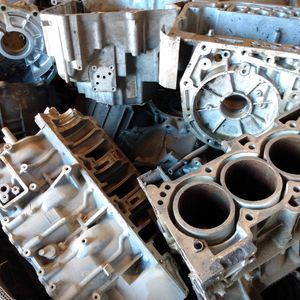
The following is an image of clean aluminum engine housing scrap, which often comes from defective and scrap items from production factories.
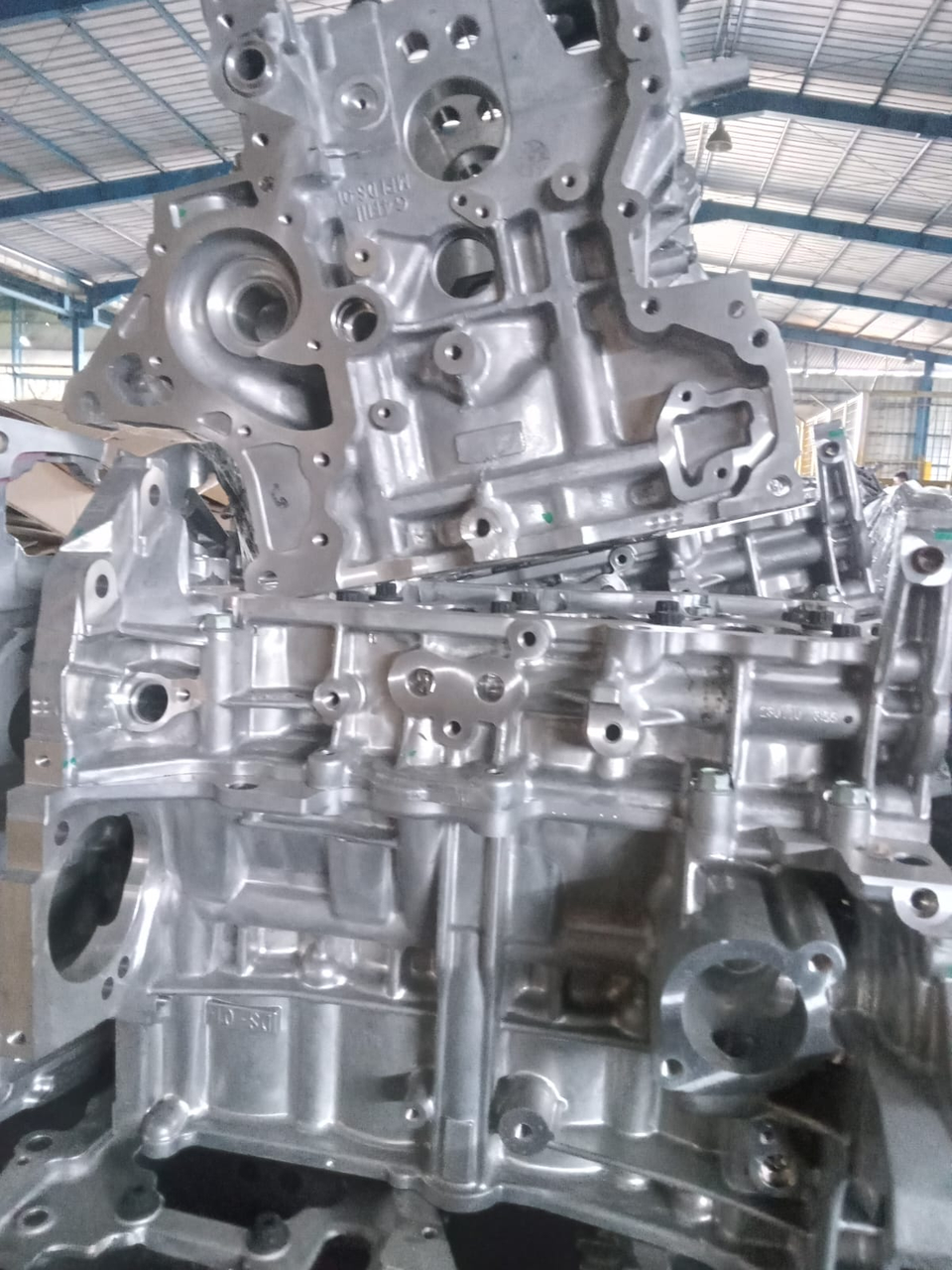
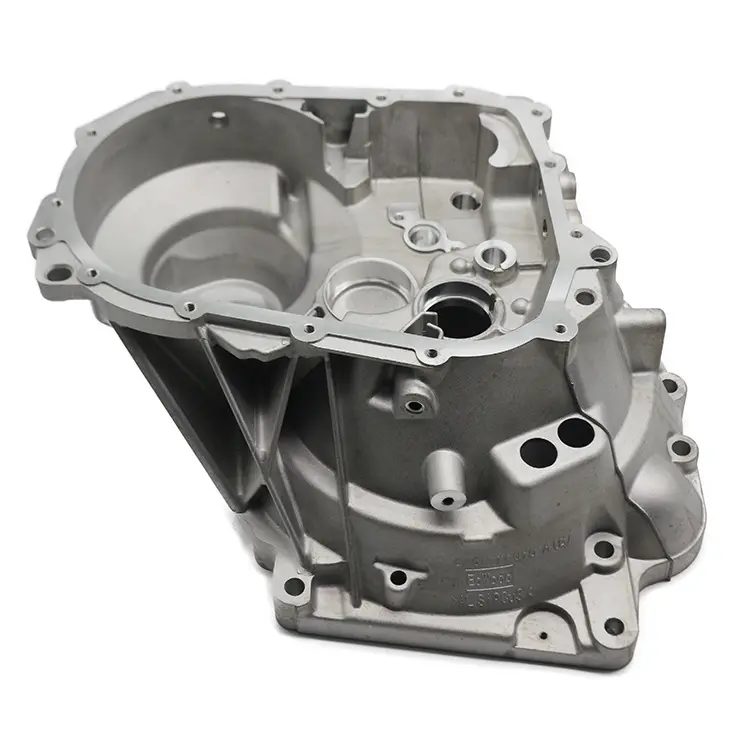
Clean aluminum engine housing scrap

Common Classification

Aluminum engine housing scrap is often classified based on its level of impurities, for example, clean/2% impurities/5% impurities/8% impurities, etc. Generally, completely dismantled aluminum engine housings have an impurity rate of less than 2%, while those with visible large quantities of residual iron screws have an impurity rate typically above 8%. If there are stainless steel cylinder liners and bearings present, the impurity rate can be above 15% and even reach 30%.
Aluminum engine housing scrap can be further divided into:
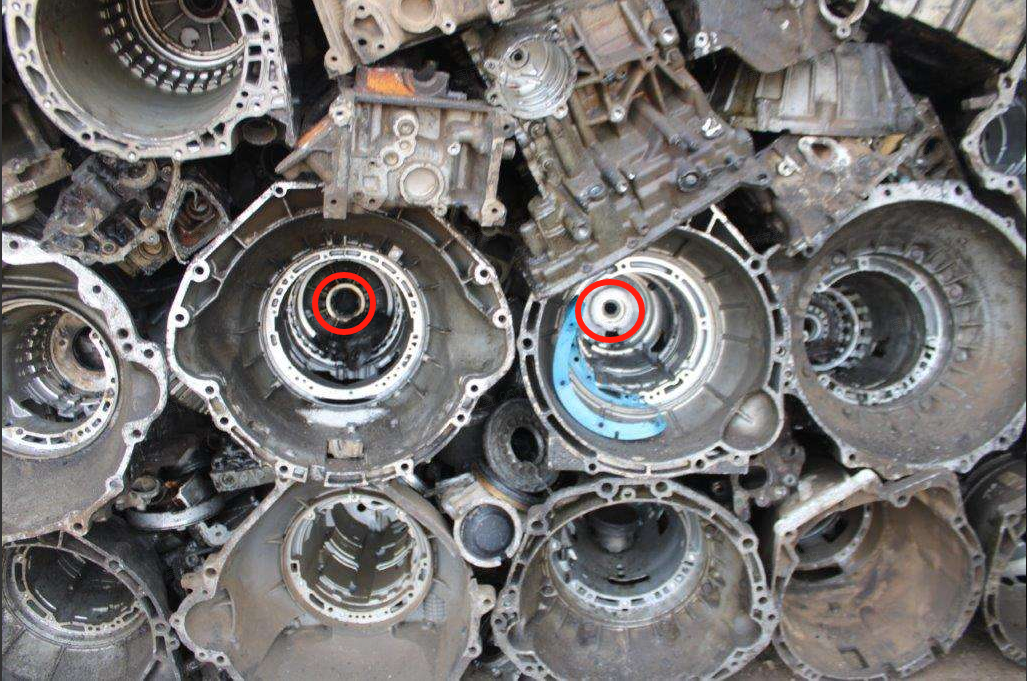
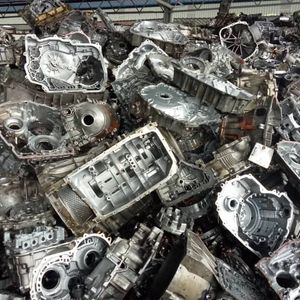
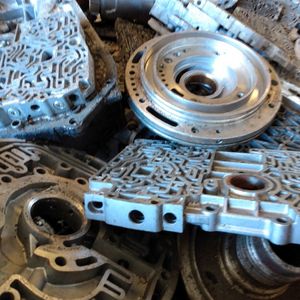
1. Transmission housings. They are usually pure aluminum shells, with almost no impurities except for the shaft sleeve part, as shown in the following image.

Transmission with iron
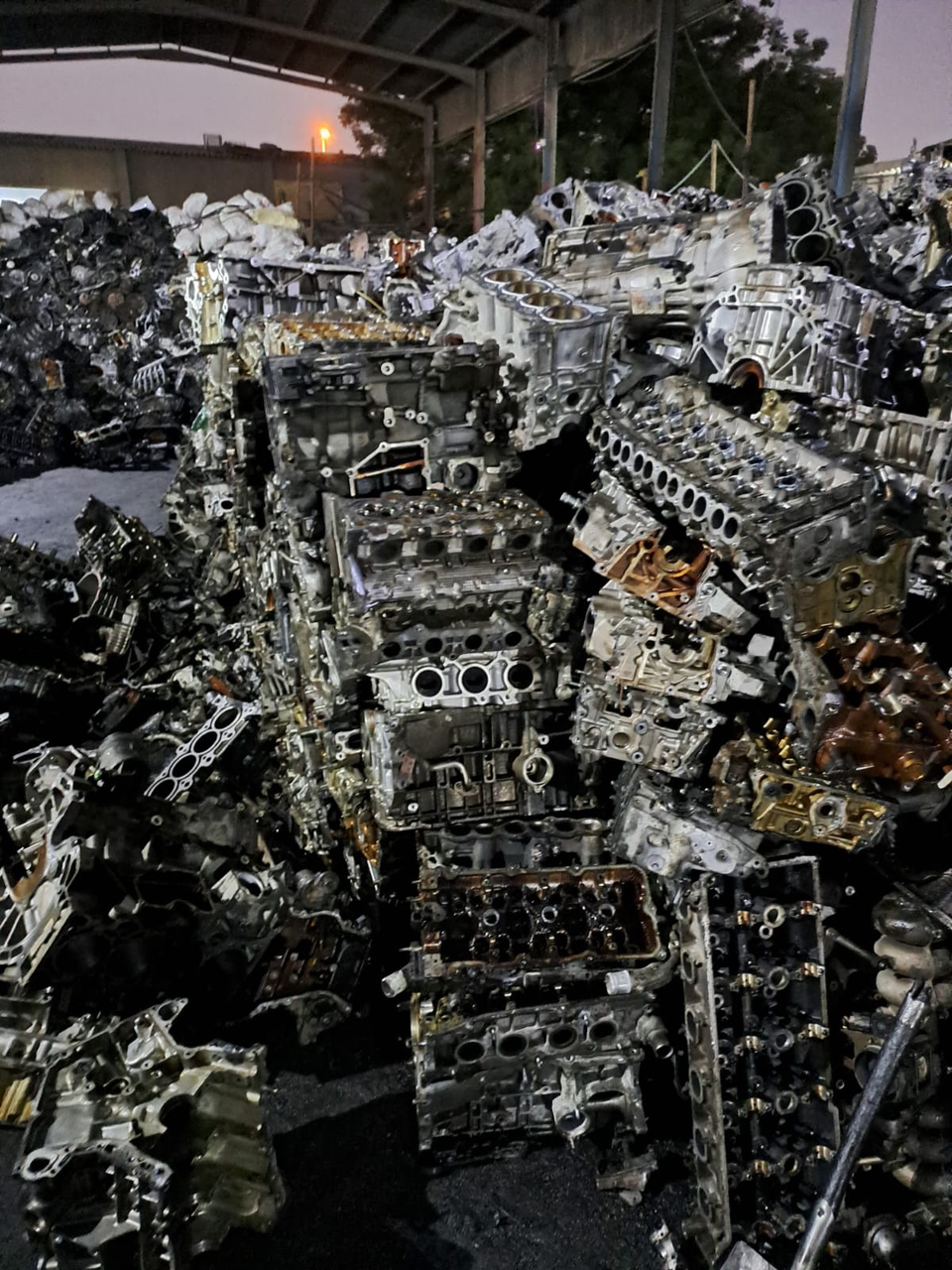
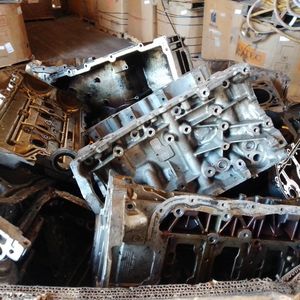
  1. Center cylinders (cylinders), cylinder liners are mostly steel, with a considerable amount of impurities overall. The image below shows the main goods of center cylinders, with impurities above 15%.
Transmission with iron
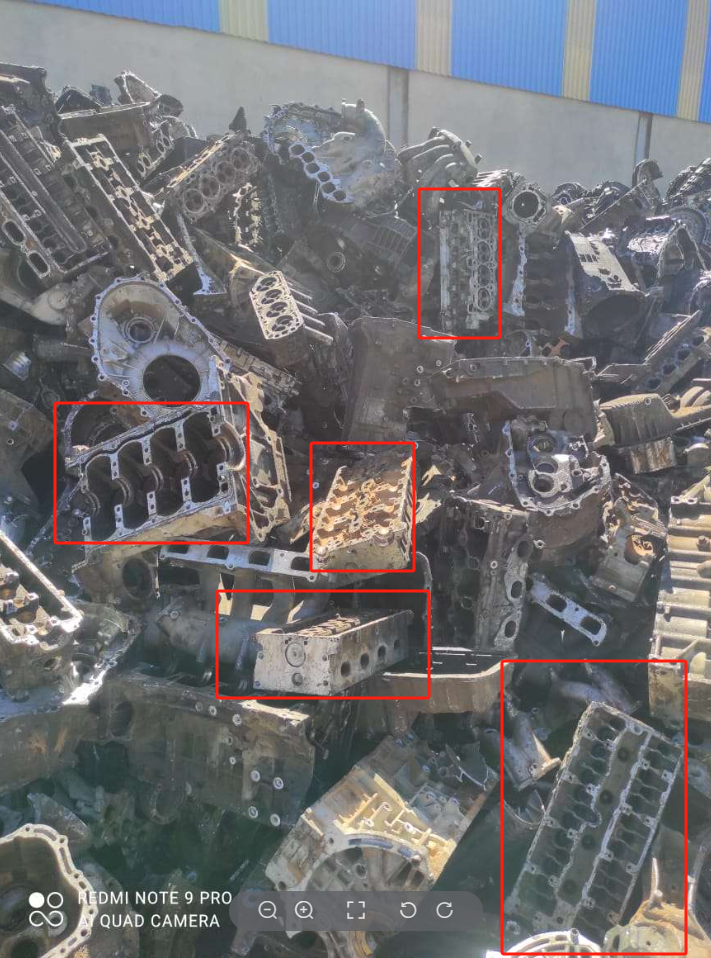
  1. Cylinder heads (cylinder heads), which contain a large amount of steel and iron, have the most impurities, ranging from 20%-30%. This does not meet the definition of "Trump" and is highly likely to cause disputes.
Transmission with iron

Common Sources

Aluminum engine housing scrap comes from the disassembly of car engines or defective items during the car engine manufacturing process. Thus, the sources of this scrap are often related to the automotive industry.
Clean aluminum engine housings generally originate from scrap or defective items from aluminum engine manufacturing plants. It is important to note that some scrapped aluminum engine housings have already been fitted with steel structural parts, such as piston sleeves, shaft sleeves, etc., and some have even been assembled with transmissions containing hard stainless steel bearings and gears. Strict inspections are required.

Value Points

Generally, the value of aluminum engine housing scrap is: transmission housing > cylinder (center cylinder) > cylinder head (cylinder head). The more round transmission aluminum shells, the better; the fewer cylinder shells, the better. Carefully check for any residual cylinder liners and bearings.

Processing Methods

Clean aluminum engine housing scrap does not require sorting and disassembly and can be directly fed into the furnace for use. To improve the melting efficiency, in some cases, larger engines may be crushed before being fed into the furnace.

Detection Methods

The common method of detection for aluminum engine housing scrap is mainly the measurement of iron impurity content. This is done through sampling inspection. A random selection of scrap, typically 100-500kg, is sorted to obtain the iron impurities and calculate their ratio. Alternatively, iron can be scooped out after directly melting in the furnace for calculation.

Matching Direction

Aluminum engine housing scrap is suitable for matching with aluminum ingot production plants for ADC12, A356, and other grade die-cast aluminum ingots. Using this scrap can maximize cost savings in the production of ADC12 and be used directly to produce corresponding grade aluminum ingot products. The production plant should have certain pre-processing capabilities, such as manual disassembly of aluminum engines with iron. Some factories that are strict with product quality standards and specifically use aluminum engine housing scrap may be equipped with shredding and sorting equipment. During the pre-processing process, iron impurities should be removed as much as possible to reduce the iron content in the product.

Special Attention

The proportion of impurities in center cylinders (cylinders) is high. Inside the center cylinders are large quantities of hard stainless steel sleeves containing manganese, closely connected with the cylinder structure, which are very difficult to remove without mechanical crushing.
For aluminum engine housing scrap (Trump) this type of scrap is one with a higher probability of problems in transactions. During the trading process, strictly review the images, and be wary of the non-spot physical images provided by suppliers. While requiring suppliers to guarantee impurity rates, it is best to also provide clear and detailed spot photos during loading when possible. Any abnormalities should be immediately reported to the buyer, and transactions should be terminated in cases of severe discrepancies between goods and descriptions.

Gallery

Cast-aluminum motor-shell
Back to Parent Category