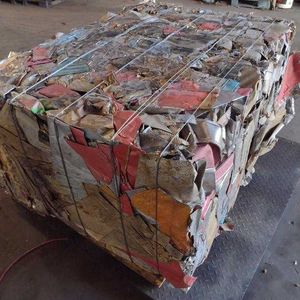
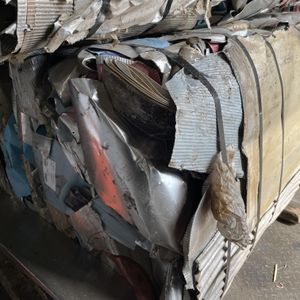
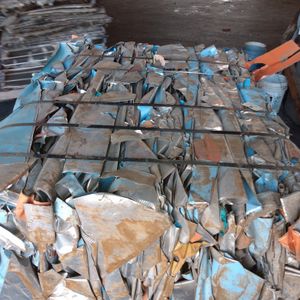
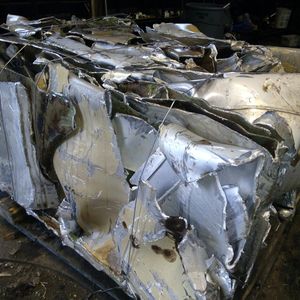
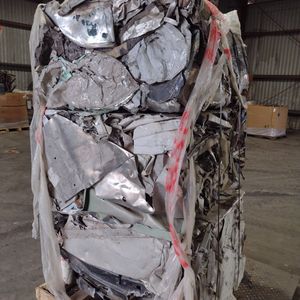
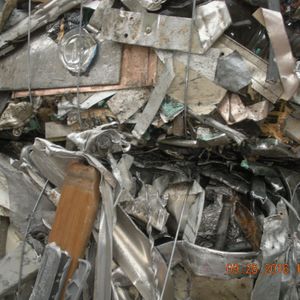
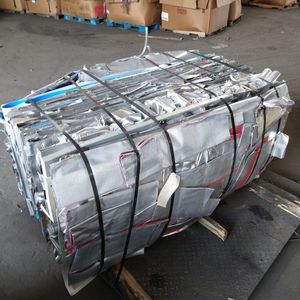
Old aluminum-sheet mixed

Scrap Wiki

Aluminum alloy plate is a broad and common product of aluminum alloy, with a wide range of uses and diverse materials.
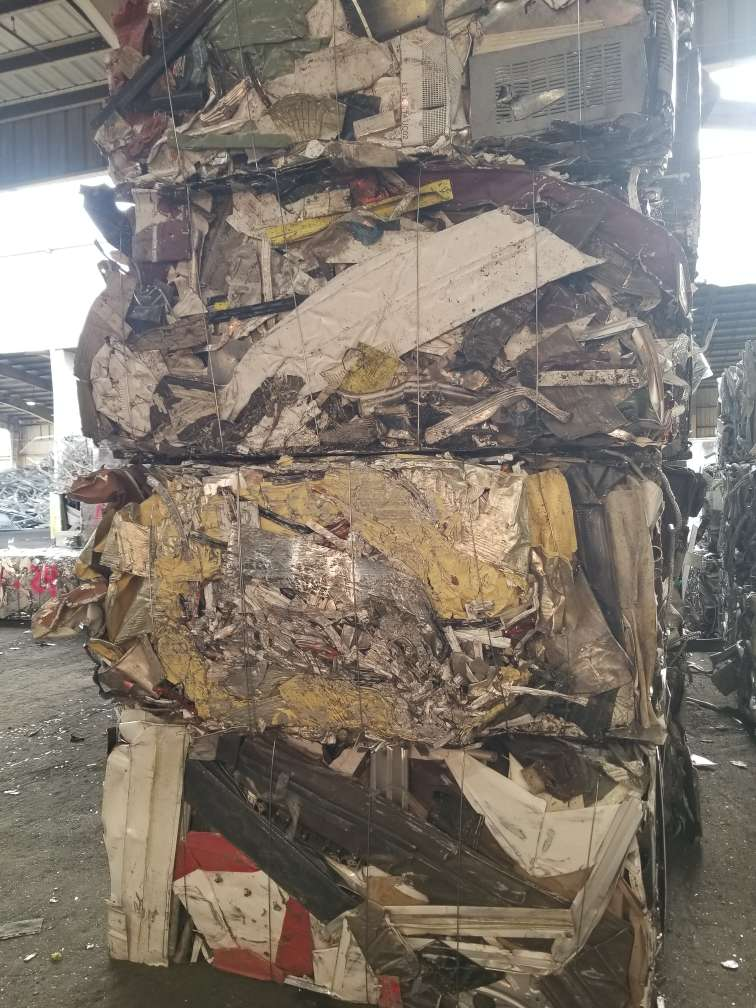
In the US ISRI waste naming, coated mixed old aluminum alloy plate is generally called Taint-tabor. It contains a clean mixture of two or more alloys of old aluminum alloy plate, without foil, blinds, castings, fine lines, wire mesh, food or beverage containers, radiator shells, aircraft plates, bottle caps, plastics, dirt, and other non-metallic products. The oil content does not exceed 1%. Up to 10% of coated aluminum plate is allowed. However, in actual operation, Taint-tabor often has aluminum alloy plate forms such as pipes, profiles, and other mixed aluminum alloys.
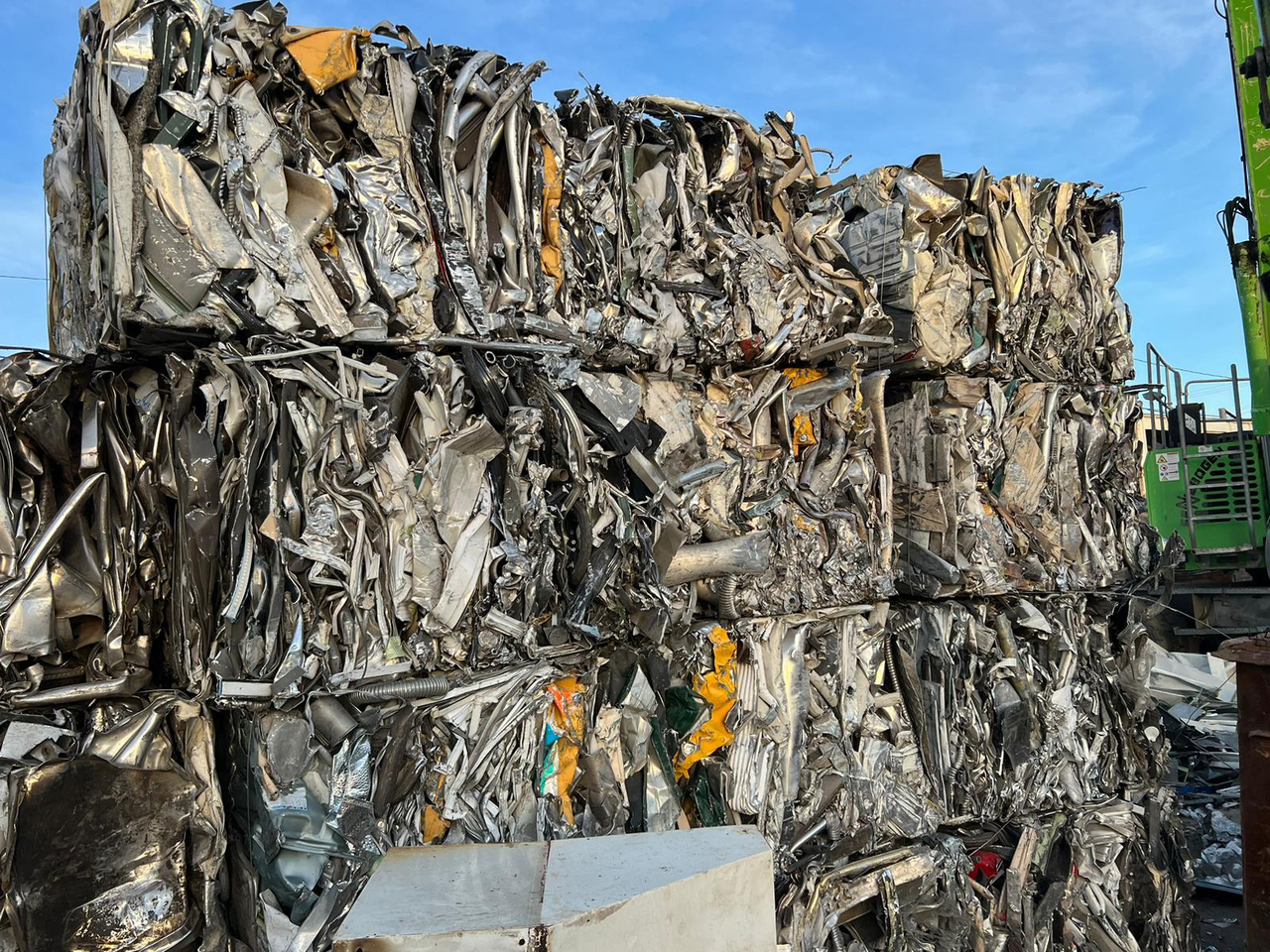
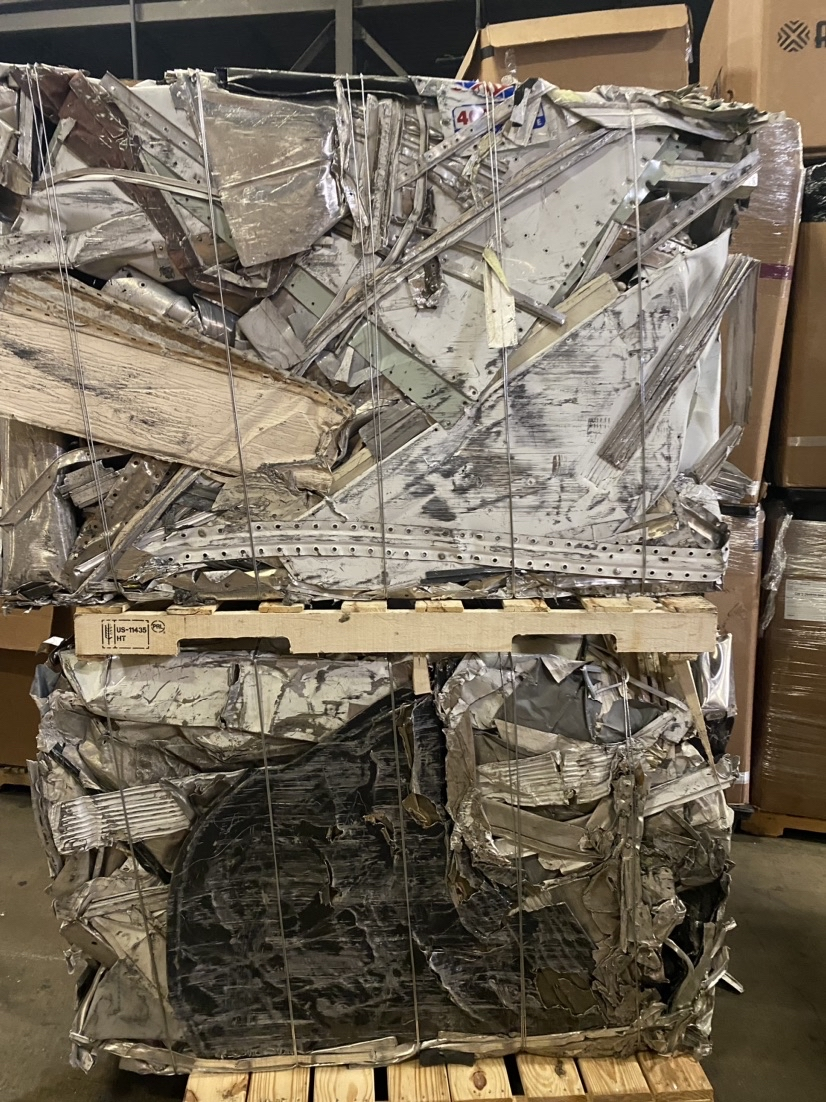
Taint-tabor
Taint-tabor

Common Classification

Aluminum alloy plate waste is broad and difficult to categorize perfectly. In daily waste work, common classification methods include:
1. Classification by alloy number
Single-series, such as 1XXX, 2XXX, 3XXX series of aluminum alloy plate waste, mixed, such as MLC (low-copper aluminum alloy plate) waste, are common classification methods.
2. Classification by impurity content
Various aluminum alloy plates can be divided into completely clean (Clean) aluminum alloy plates (default is almost no impurities or impurities <1% of waste) and impurity-containing aluminum alloy plates, which can be named as "2% impurities" or "5% impurities" to distinguish.
3. Classification by material surface
Can be divided into completely exposed (no paint or coating) aluminum alloy plate waste, also known as white material (Mill) or bare material (Bared), and coated (Painted) aluminum alloy plate waste, as well as a mixture of white and coated (Mixed) aluminum alloy plate waste.

Common Sources

Aluminum alloy plate waste mainly has the following types:
1. Industrial waste: This includes waste generated during the production process, such as waste generated during the cutting of alloy metal blocks or panels.
2. Building waste: In the construction industry, such as roofs, doors and windows, and fences, aluminum alloy plates used in demolition or replacement will generate a large amount of aluminum alloy plate waste.
3. Household waste: Home appliances such as refrigerators, washing machines, and air conditioners, after the end of their useful life, can be recycled into aluminum alloy plate waste.
4. Special waste: Such as highway signs and car license plates generated by the traffic department.

Value Points

The value of aluminum alloy plate waste lies in the following aspects:
1. Whether the number is single
Generally, under the same quality conditions, the value of aluminum plate from high to low is: single number (such as pure 6061) > single series (except 2, 7 series) > MLC > 2, 7 single series > mixed.
2. Impurity ratio
Generally, the lower the impurity content, the higher the metal content and recovery rate, and the higher the value of the waste.
3. Impurity type
In addition to the content, the type of impurity is also important information. For example, iron impurities, even if the content is low (such as 1%-3%), will affect the alloy elements and reduce the value.
4. Surface
The value of materials with a completely exposed surface is higher than that of coated materials. The reason is that coated materials are easy to cause pollution and environmental disputes if not processed, and some countries also prohibit their import.
5. Thickness
The thickness of the material directly affects the yield, and for Taint-tabor, ISRI has strict thickness specifications. Aluminum wire, aluminum foil, and other too-thin waste will affect the value.

Coated with more than 10%, not standard Taint-tabor

Processing Methods

  1. Manual sorting
    Most aluminum alloy plate waste is not from industrial waste, and its sources are different, and most are mixed with other metals or non-metallic impurities, so manual sorting is essential to improve the quality of aluminum alloy plate waste.
    Simple rough sorting is to separate aluminum alloy waste from other metal waste and pack them separately.
    More detailed professional sorting can meet the following requirements: separate different series of aluminum alloy plates; separate bare materials from coated materials; remove impurities as much as possible and separate materials with similar impurity content.
  2. Packaging
    The packaging method of aluminum alloy plate waste is mainly baling. Baling is divided into tight baling (Bale) and loose baling (Loose Bale). Some materials also use paper boxes or ton bags for packaging.
  3. Crushing and sorting
    Some aluminum alloy plates with high impurity content and difficult separation will be crushed and mechanically sorted to minimize their impurity content and increase their utilization value. This type of crushed material has a lower yield and requires careful judgment of impurity content. In addition, this type of crushed material often mixes with other materials such as profiles, aluminum sheets, and cast aluminum, affecting their value.

Detection Methods

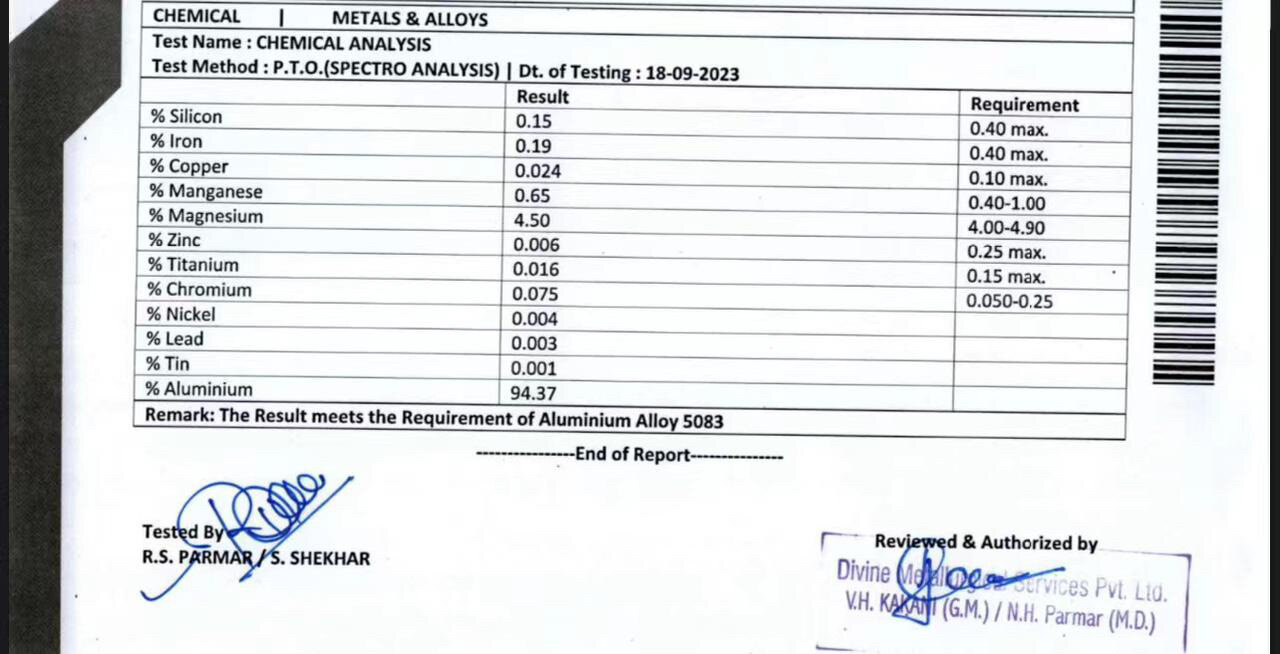
The detection of aluminum alloy plate mainly uses metal recovery rate as the standard. The detection method is mainly sampling + crucible smelting. Metal recovery rate = actual aluminum quality obtained by crucible smelting ÷ total sample quality. If you want to detect the impurity content, you can perform sampling + manual disassembly and sorting.
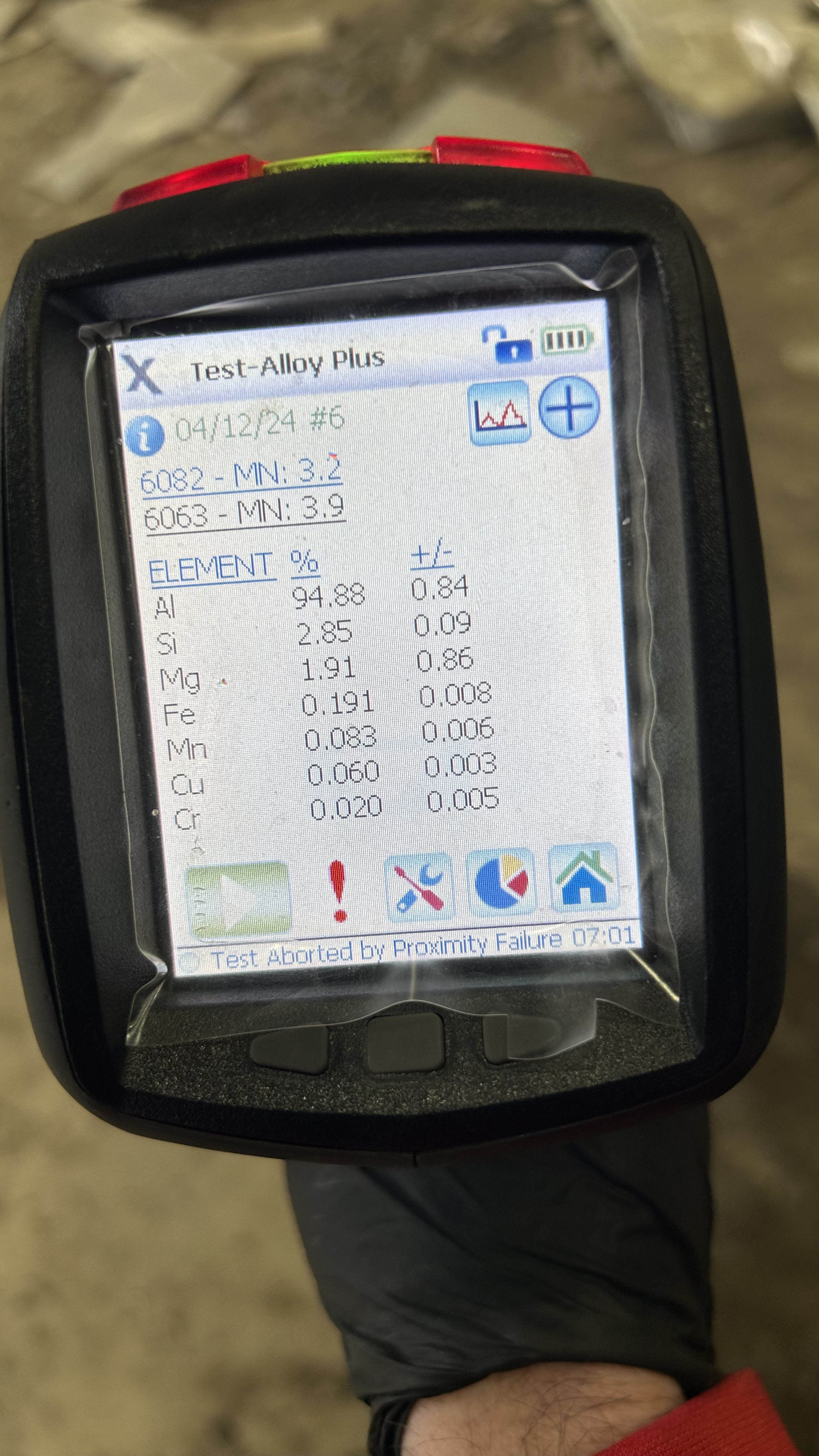
In addition, the element composition and number of aluminum alloy plate will also be detected, and the commonly used detection method is a handheld spectrum analyzer. Providing the reading of the spectrum analyzer during the transaction process can be more persuasive.

Detection report
Handheld spectrum analyzer reading

Matching Direction

Aluminum alloy plate can be matched in different ways depending on its impurity content and mixing degree, from the highest-level use as a single-number aluminum alloy plate to the manufacture of lower-grade 95%-98% aluminum alloy plate. This type of material has complex matching objects, from traders to processing enterprises and production enterprises, all of which have corresponding demands.

Special Attention

The appearance of aluminum alloy plate waste varies greatly, and the difference in element content and metal recovery rate between different products directly leads to a larger price difference. Therefore, in the transaction process, it is necessary to require the supplier to provide real product photos as much as possible, which helps to make more accurate quotations and reduce the risk of claims.
The agreement on impurities in aluminum alloy plate waste should also be paid special attention to. It should be clearly stated whether it is the agreed impurity rate (Attachment%) or iron impurity rate (Fe%) or non-metallic impurity rate, and the allowed deviation value range.

Gallery

Old aluminum-sheet mixed
Back to Parent Category