EC wire

Scrap Wiki

In the scrap industry, aluminum wire often refers to aluminum electrical wire, also known as electrical conductors. Narrowly defined, aluminum wire, commonly referred to as EC wire, is a high-purity aluminum wire, typically referring to the 1350 series of aluminum. Due to its excellent conductivity, it is widely used in various applications. "EC" usually refers to the 1350 series of aluminum, which is at least 99.5% pure aluminum, with iron and silicon as the main alloying elements. According to ISRI, the corresponding name is Talon, which is defined as: New, clean, non-alloy aluminum electrical wire or cable, not containing fine lines, ACSR (aluminum-clad steel stranded conductor), screens, iron, insulation, and other non-metallic materials. Special attention is paid to insulation materials, as the aluminum wire stripped from insulated aluminum wire (IAW) often has an insulation layer and cannot be classified as aluminum wire. In other words, narrowly defined aluminum wire refers to pure aluminum wire, i.e., EC wire.
On the other hand, broadly defined aluminum wire can refer to aluminum wire made of materials with a purity of less than 99% or other series such as the 6000 series. These aluminum wires need to be strictly distinguished from EC-grade aluminum wires, and their ISRI corresponding names are Tann (new) / Taste (old), which are defined as containing up to 10% of 6000 series cables, not containing fine lines, screens, iron, insulation, and other non-metallic materials.
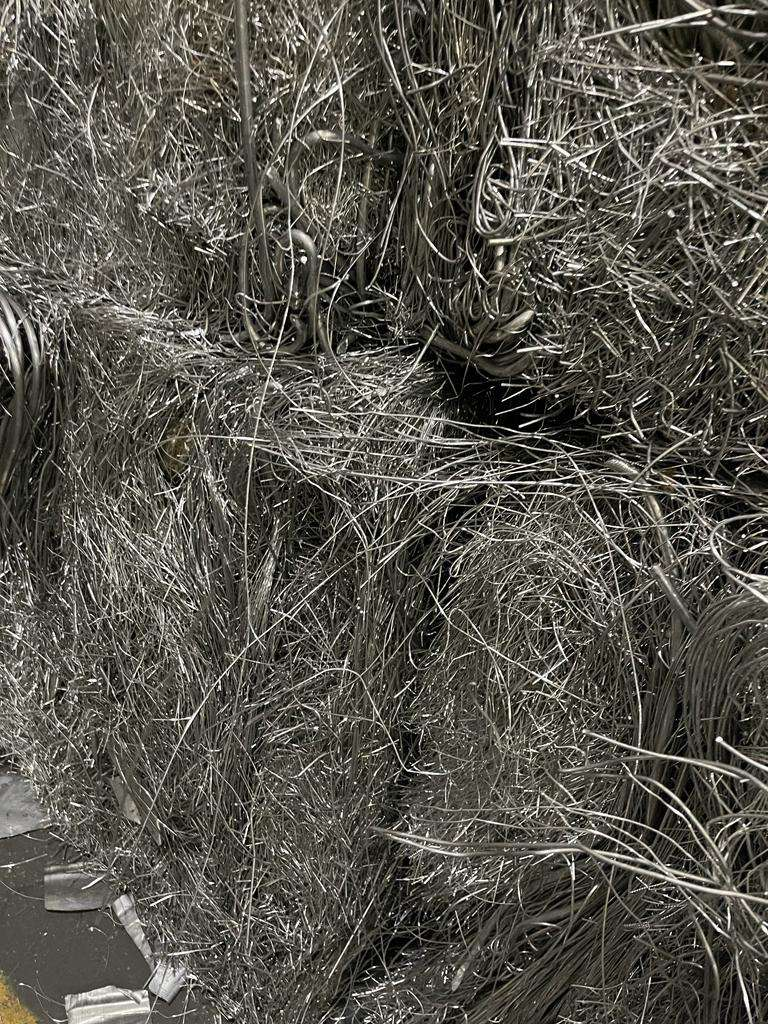
Broadly defined aluminum wire, not EC or Talon
Aluminum wire with a purity of less than 99% cannot be called EC

Although aluminum is not an excellent conductor, considering its significantly lower cost than copper wire, as well as its suitable conductivity and lighter weight, aluminum EC wire is commonly used for electrical power cables, building wires, antennas, transformer windings, and other electrical applications, especially in civilian and economically underdeveloped areas.
Common Classification

Common Sources

Pure aluminum wire is widely present in various environments and regions. However, relatively speaking, aluminum wire is often used in situations where the requirements for conductivity are not extremely strict, and performance and cost need to be balanced. For example, civilian-use wires or economically underdeveloped areas and developing countries have a relatively higher proportion of aluminum wire.

Value Points

The most valuable point of aluminum wire lies in its high purity. In the production of recycled aluminum, it has specific uses. When adjusting the content of certain aluminum alloying elements, especially when it is necessary to increase the aluminum content, pure aluminum wire has a very high aluminum content (99.5%), making it an ideal choice for recycled aluminum scrap. Its usage is often small, but its role in adjusting the alloy content is crucial. Similar to adding salt when cooking, the amount used is not large, but the effect is very important.
It is worth noting that the relationship between the purity of aluminum wire and its price is not linear. The price of 99.5% aluminum content EC-grade aluminum wire is far higher than that of 98% aluminum content alloy aluminum wire. Although their aluminum content differs by only 1.5%, the price difference between them is far greater than 1.5% × LME. The price difference can reach 150-200 US dollars. The reason is that, for example, when adjusting the alloy content to increase the aluminum content of 95% aluminum water to 97%, the amount of 98% aluminum wire used would be twice that of 99.5% aluminum wire!
Therefore, the greatest value point of aluminum wire is its aluminum purity. Any factors that may affect its aluminum content, such as alloys, impurities, glue, or pollution, are aspects that affect its value.

Processing Methods

The processing method for pure aluminum wire scrap is mainly packaging and processing.
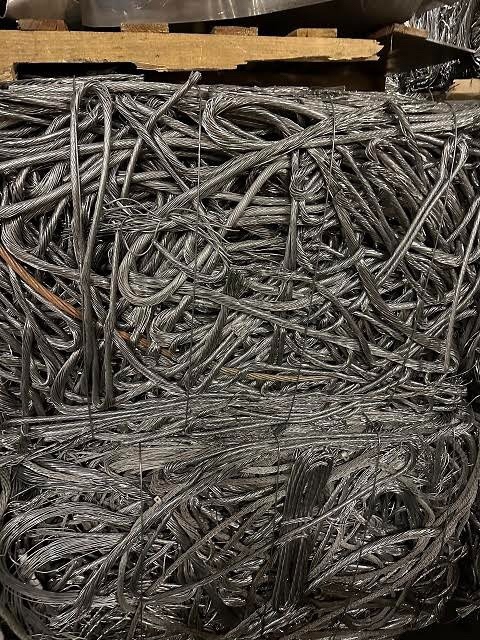
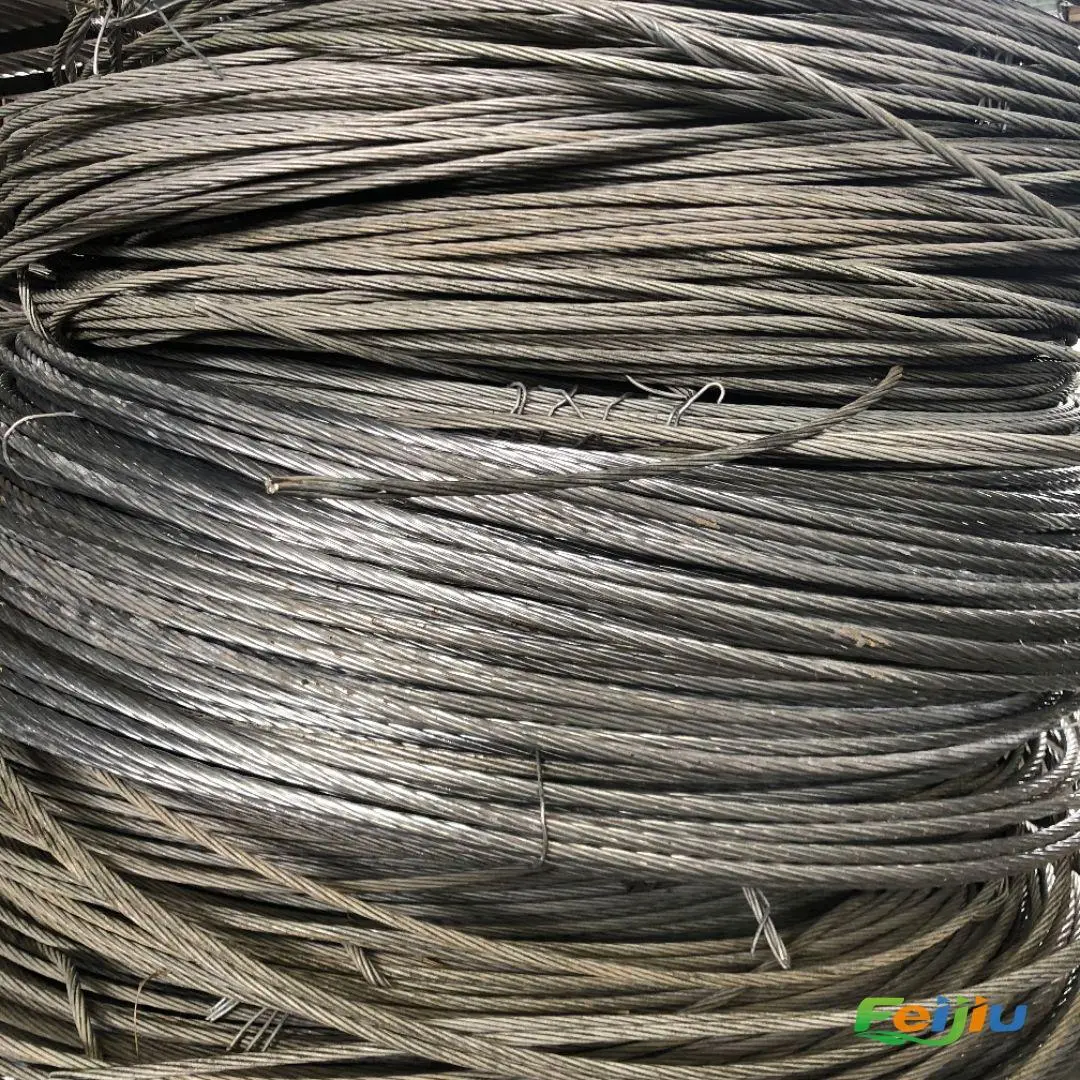
The packaging and processing methods for aluminum wire are diverse. Mainly include compression packaging, cutting, bundling, coiling, and bagging. The import policies of different countries vary, so it's best to confirm the packaging method with the supplier.

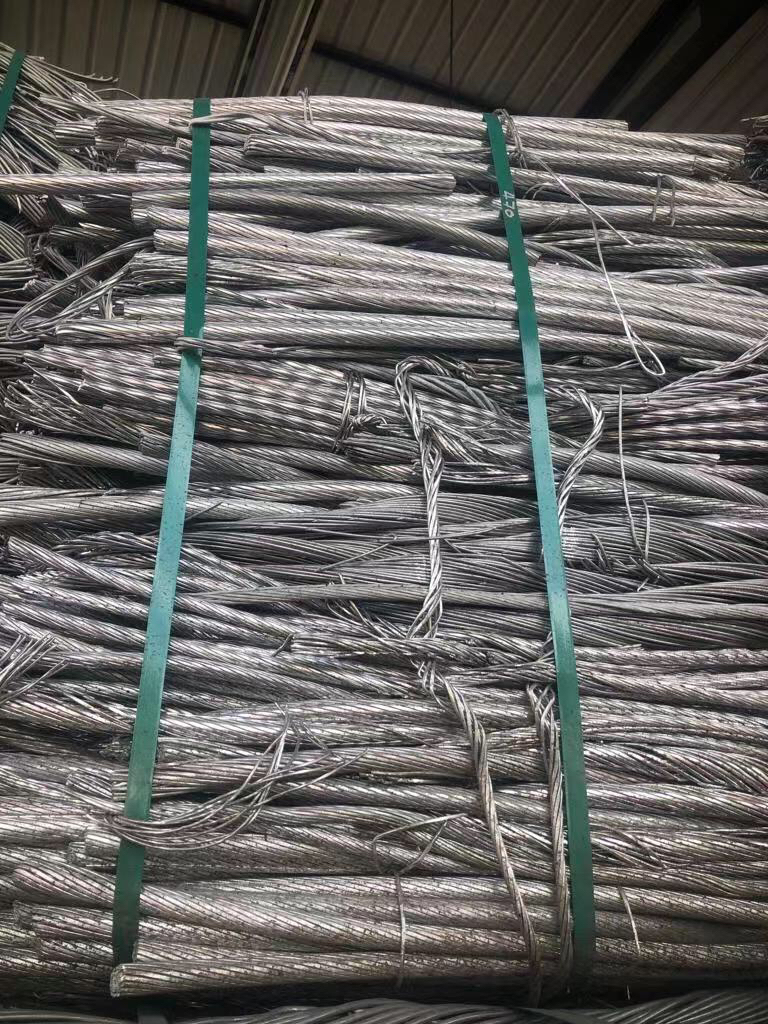
Packaging method: compression packaging
Packaging method: bundling
Packaging method: cutting

Detection Methods

Aluminum wire is commonly detected using spectral analysis or elemental reports. Visual inspection is used to check for insulation layers and internal steel cores.

Matching Direction

Pure aluminum wire (EC or Talon grade) is suitable for matching with high-end aluminum alloy manufacturing enterprises. Aluminum producers that mainly produce die-cast aluminum or mid-to-low-end aluminum alloy products generally have lower requirements.

Special Attention

  1. Beware of aluminum-clad steel stranded conductors (ACSR)
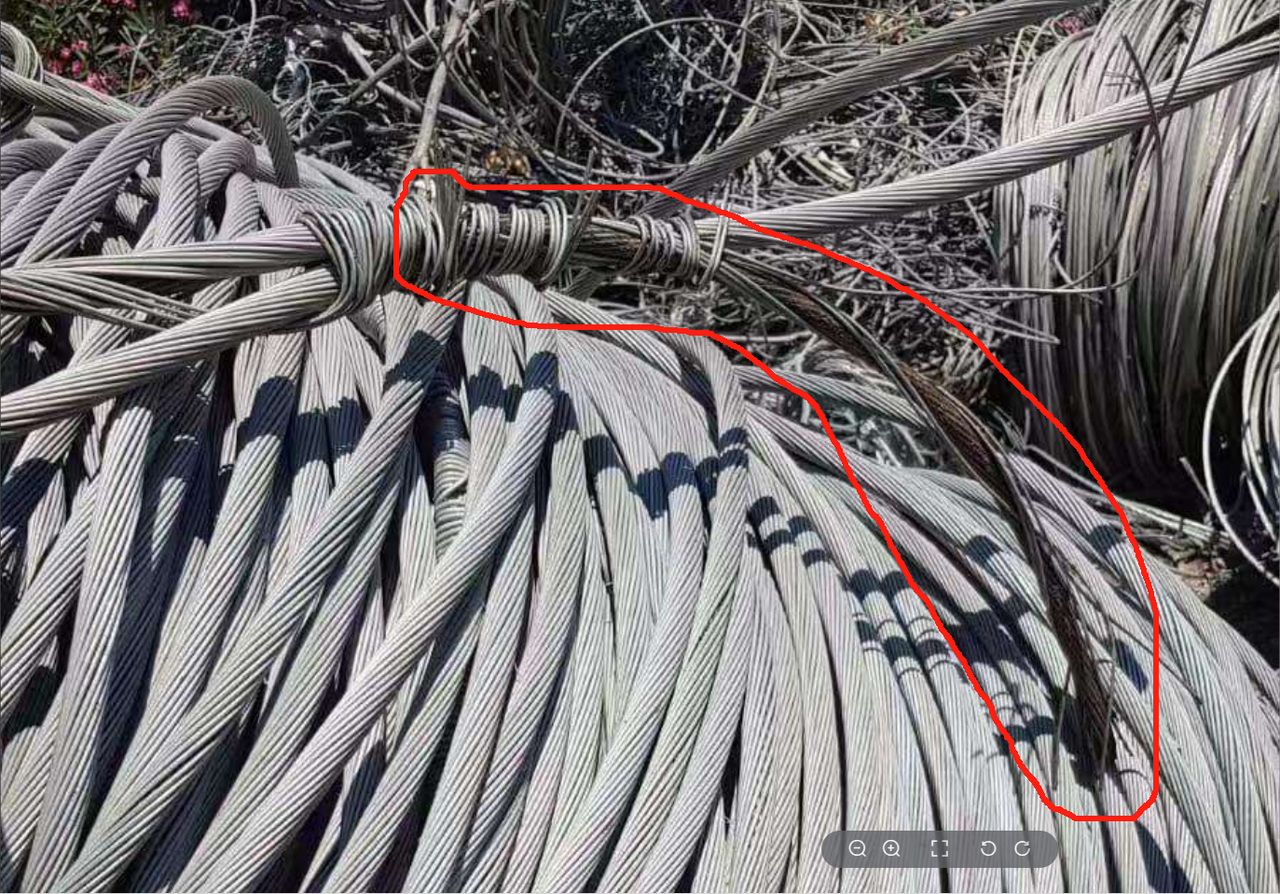
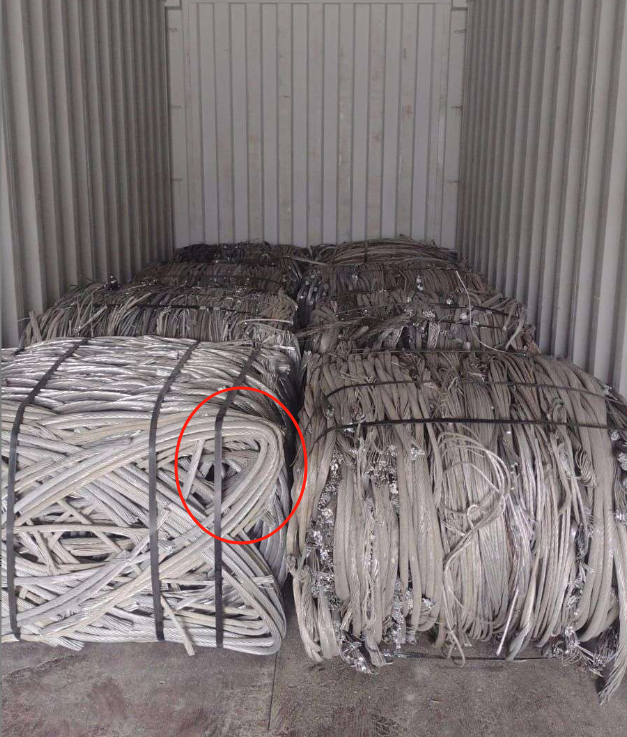
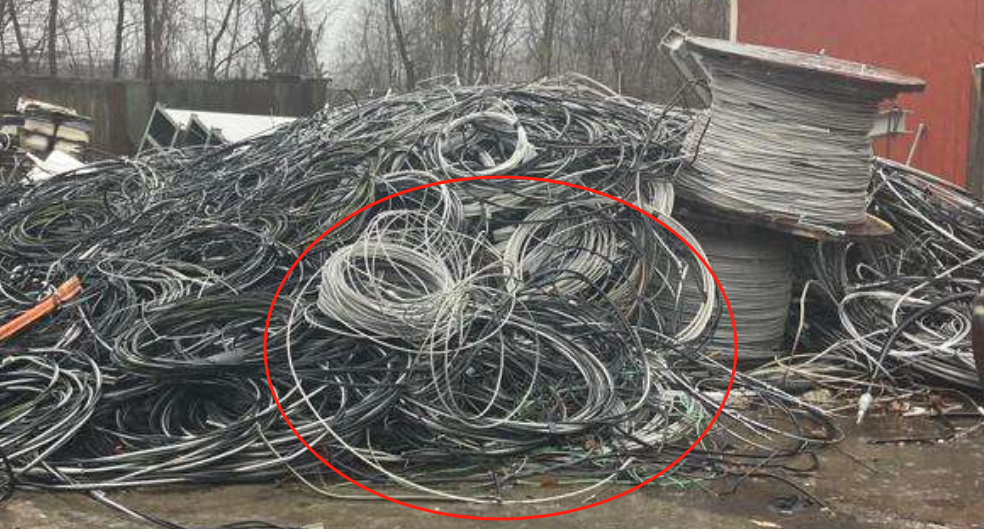
    Aluminum-clad steel stranded conductors are the biggest potential hidden danger of pure aluminum wire. In transactions, it is necessary to repeatedly communicate and strictly control. First, ask the supplier to guarantee that the pure aluminum wire does not contain ACSR; second, carefully look at the pictures. Generally speaking, it is difficult to distinguish ACSR and pure aluminum wire from pictures, but there are a few points that can assist in judgment: 1, obvious rust marks are visible; 2, in addition to tightly packaged packaging, if the aluminum wire can be bent into a sharp angle in an unnatural way, it suggests that the aluminum wire may be ACSR; if it naturally presents an arc or blunt angle, or is scattered and piled up in a coiled manner, the suspicion of ACSR cannot be ruled out. 3, carefully look at the cut ends, whether there are abnormal materials.
With obvious yellow rust marks, consider ACSR or iron core
Without obvious compression packaging, presenting a sharp angle suggests a lower possibility of ACSR
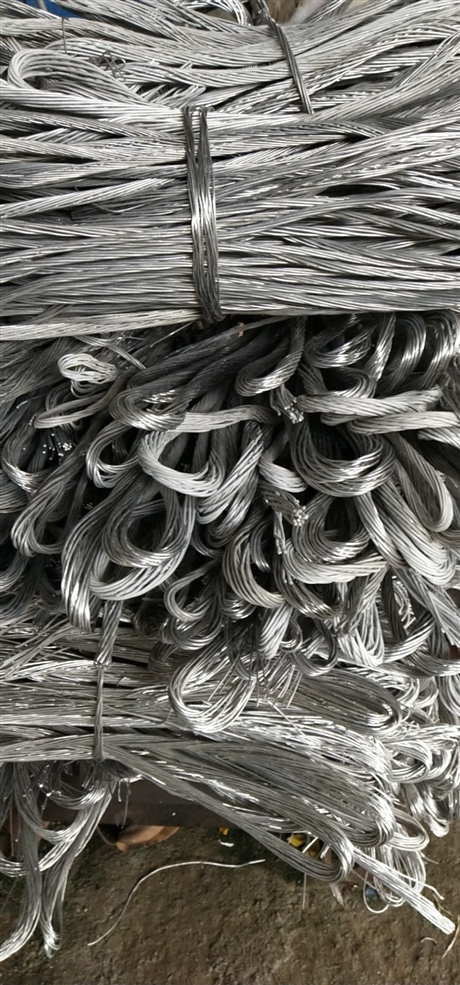
Scattered and coiled aluminum wire, suspecting ACSR
  1. Strictly grasp the element content
    It is necessary to ask the supplier to provide the spectral analysis or elemental report of the aluminum wire to confirm the accurate aluminum content. Pure aluminum wire refers to 1-series aluminum materials with an aluminum content of 99.5% or higher. There are also some aluminum wires with an aluminum content of only 97-99 on the market, which are of lower value. It is necessary to distinguish and identify them, which is of great significance.
  2. Clarify the source
    The sources of aluminum wire are diverse, such as aluminum-insulated wires, aluminum cable wires stripped of the outer layer, aluminum transformer winding wires, etc. Different sources have important implications for judging potential problems. For example, ordinary aluminum-insulated wires often have an aluminum purity that is difficult to reach the EC or Talon standard; stripped aluminum cables need to clarify whether they have an insulation layer; motor aluminum wires need to clarify whether they have insulation paper, whether they have been burned, etc.

Gallery

EC wire
EC wire
EC wire
EC wire
EC wire
EC wire
EC wire
Back to Parent Category