Scrap Wiki
Cast aluminum, also known as aluminum alloy casting, is a type of aluminum alloy produced through the casting process. The production process involves pouring molten metal into a mold, where it cools and solidifies into a specific shape. Cast aluminum is widely used in various industries due to its good fluidity and plasticity, making it an ideal material for manufacturing complex-shaped parts and products. The main metal component of cast aluminum is aluminum (Al), but it often contains other metal elements as alloying elements to enhance its physical and chemical properties. The aluminum content of cast aluminum is often lower than that of wrought aluminum. In particular, some non-standard low-grade cast aluminum scrap, such as aluminum pots, may have an aluminum content of only 70%-80%. Common alloying elements include:
1. Silicon (Si): Enhances the casting performance and mechanical properties of aluminum. The high proportion of silicon can significantly improve the fluidity and fillability of the metal in the mold. This is also the main difference between cast aluminum and wrought aluminum. The silicon content typically ranges from 2% to 13%.
2. Magnesium (Mg): Increases strength and corrosion resistance, usually with a magnesium content of 0.3% to 1%.
3. Zinc (Zn): Improves strength but reduces ductility, with a typical content of up to 3%.
4. Copper (Cu): Enhances hardness and strength but reduces corrosion resistance, typically with a content of 1% to 5%.
5. Manganese (Mn): Improves corrosion resistance and toughness, with a content of up to 1.5%.
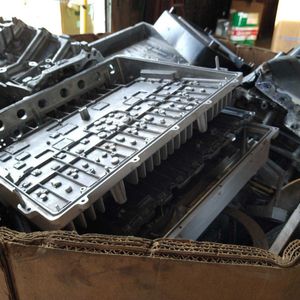
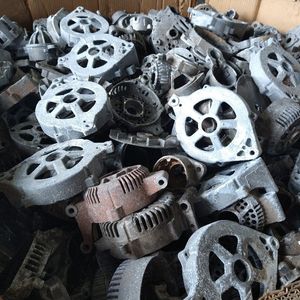
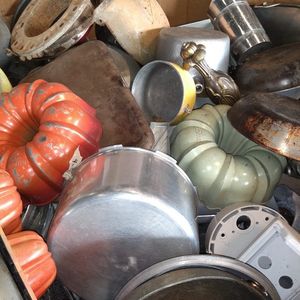
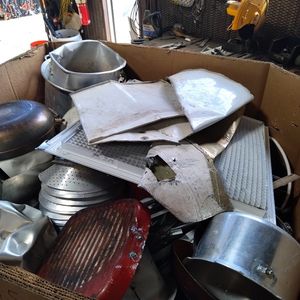
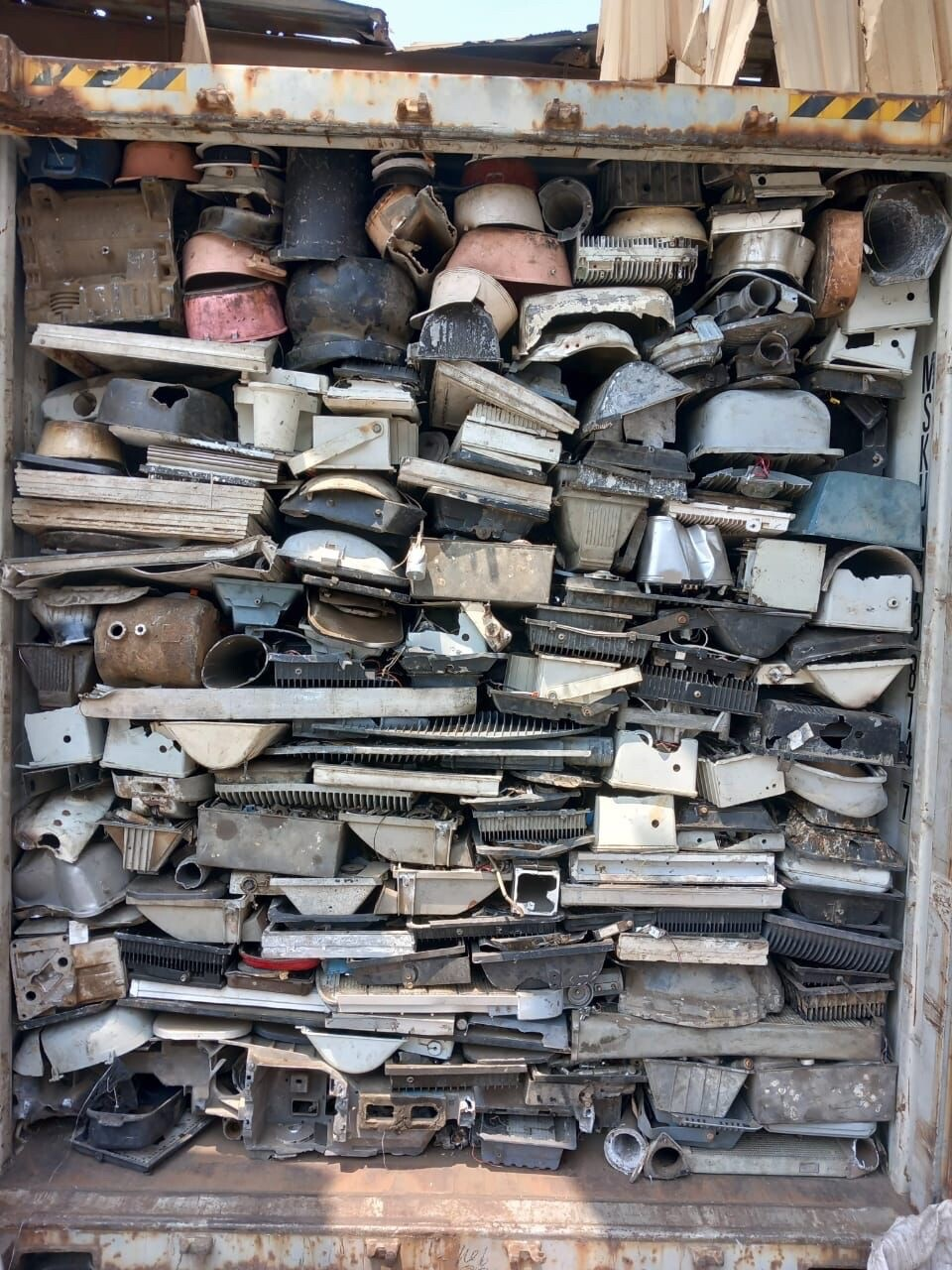
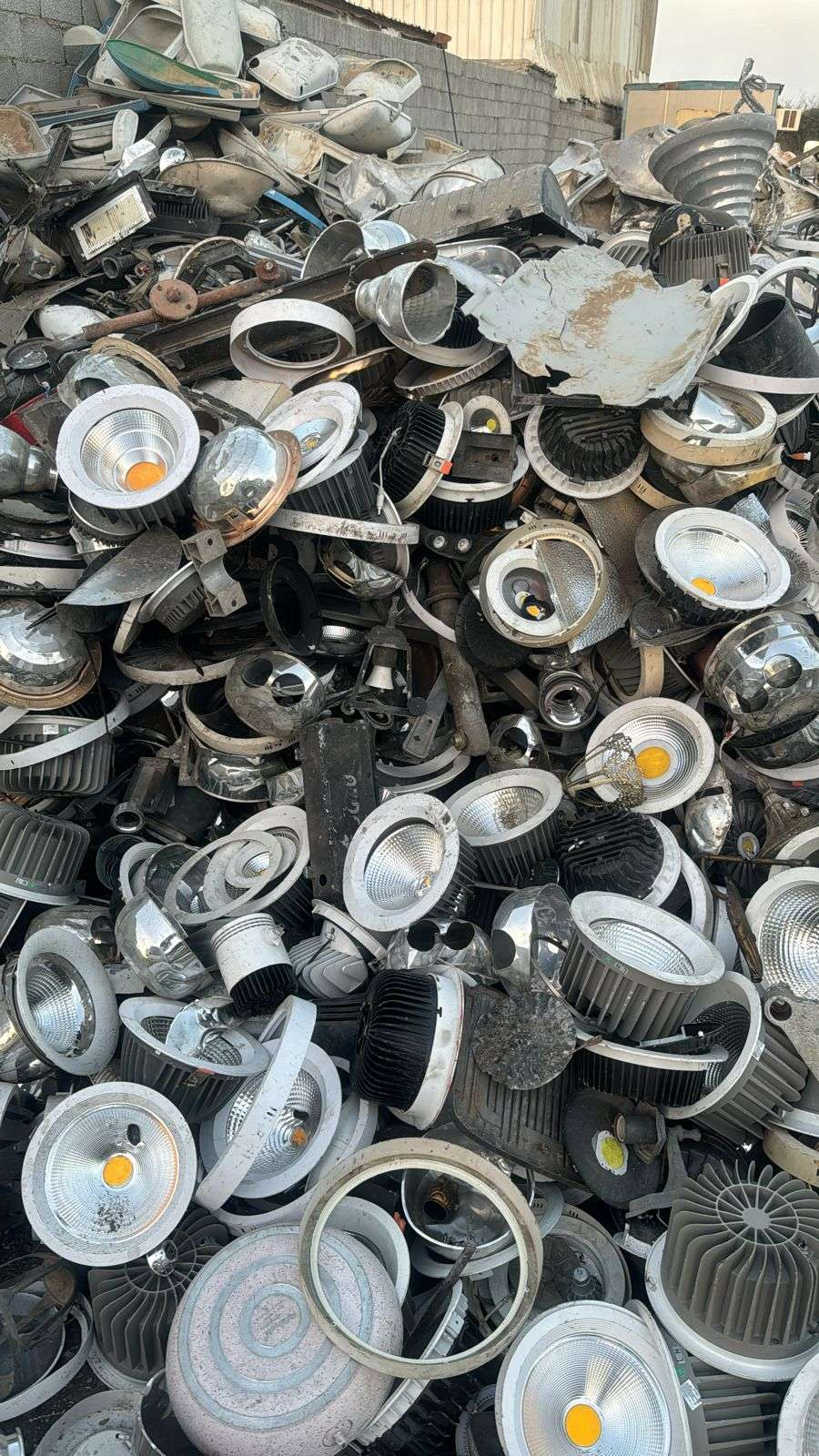
Common mixed cast aluminum is shown in the figure below:
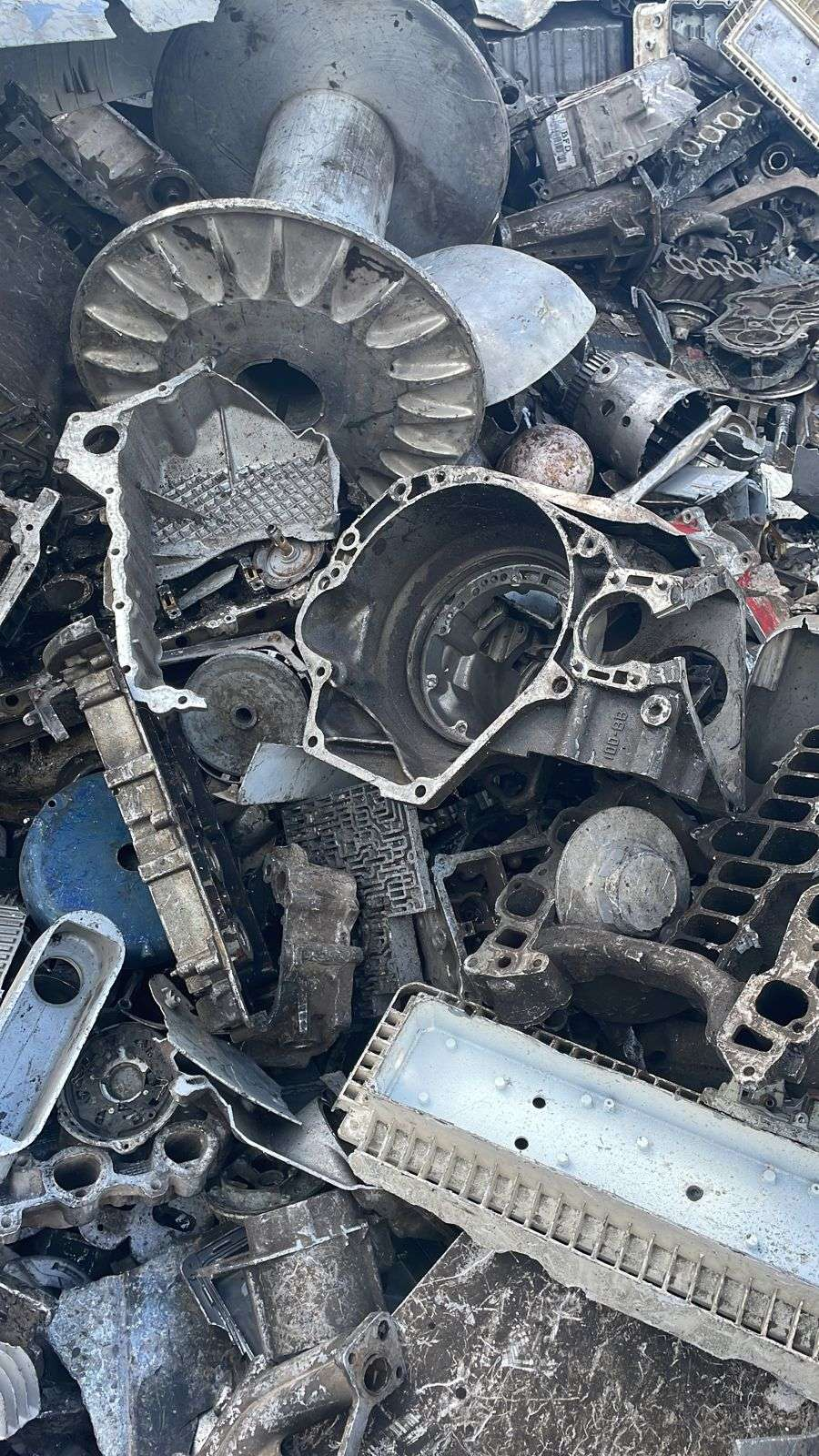
The proportion of these alloying elements will be adjusted according to the intended use and required mechanical properties of the cast aluminum. Common cast aluminum products include:
* Automotive parts, such as engine blocks and wheel hubs
* Mechanical equipment parts
* Kitchen utensils, such as aluminum pots and pans
* Artistic products
Cast aluminum and wrought aluminum are often referred to as "raw aluminum" (cast aluminum) and "recycled aluminum" (wrought aluminum) in China. According to the definition of the Institute of Scrap Recycling Industries (ISRI) in the United States, mixed cast aluminum scrap is classified as "Tense," which refers to "mixed cast aluminum scrap." This type of scrap includes clean aluminum castings, possibly from automotive or aircraft parts, but excludes ingots. The scrap should not contain iron, brass, dirt, or other non-metallic substances. The oil content should not exceed 2% of the total weight.