Scrap Wiki
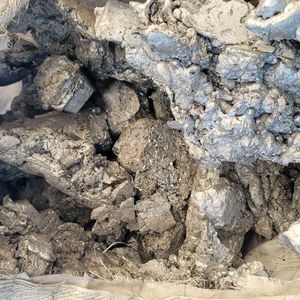
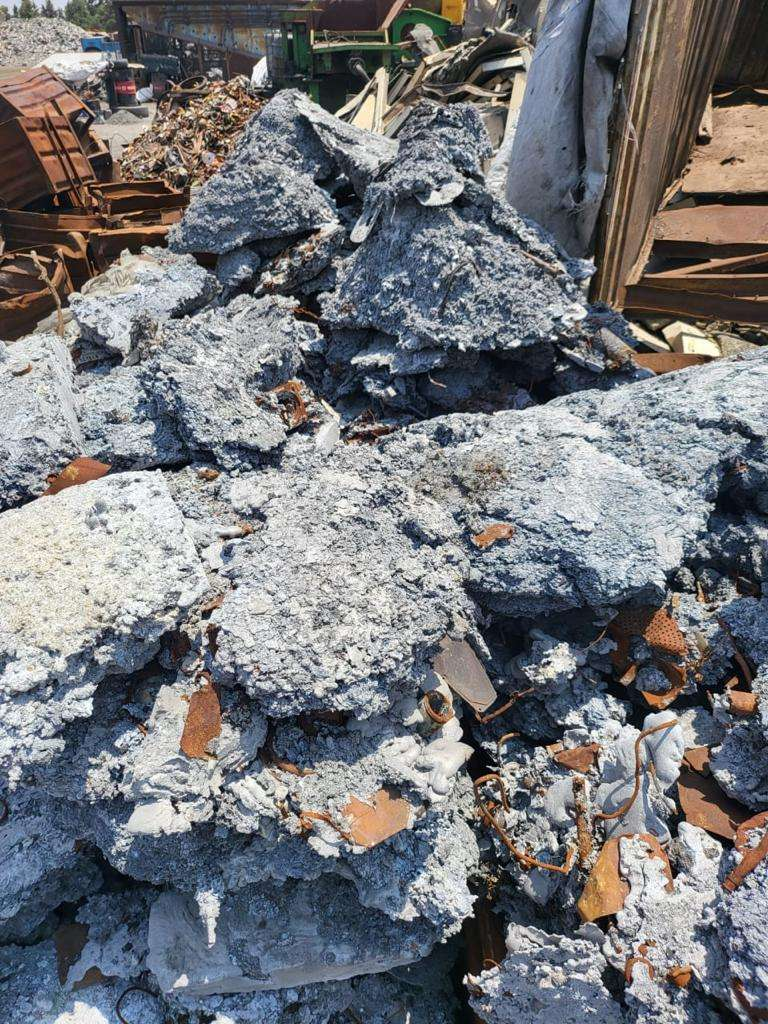 Aluminum dross is a by-product generated during the smelting, casting, or welding of aluminum and aluminum alloys, with smelting being the most common process. It is also a common industrial waste. It mainly consists of alumina, unmelted aluminum metal residues, alloying elements, and other non-metallic materials.
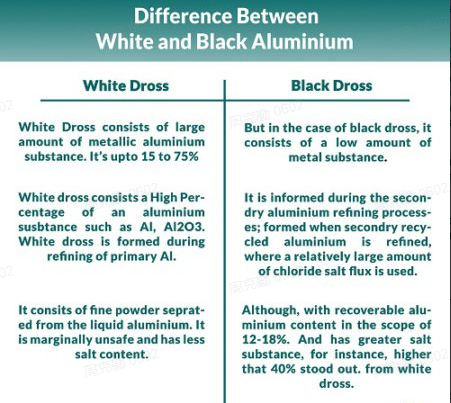
The aluminum dross we commonly refer to is actually divided into two parts: aluminum top dross and aluminum bottom dross. Aluminum top dross forms during the smelting of aluminum or aluminum alloys and floats on the surface of the molten metal. It mainly consists of alumina (Al2O3), other possible oxides (such as magnesium or silicon oxides), and some unmelted fine metal particles. The formation of aluminum top dross is primarily due to the oxidation reaction between aluminum and air during the smelting process, as well as stirring and material addition operations that increase contact between aluminum and air. Aluminum bottom dross is the dross that settles at the bottom of the melting furnace or holding furnace. It may contain a higher proportion of metallic aluminum, along with some heavier non-metallic impurities, such as residual flux used in the smelting process, non-aluminum metal debris (such as iron scraps), and heavier oxides. The formation of aluminum bottom dross is related to the precipitation of metal and the accumulation of heavier impurities. Aluminum bottom dross usually needs to be removed through mechanical methods such as excavation, and its treatment can be more difficult because it contains more solid impurities.
The formation of aluminum dross is due to the reaction between aluminum and oxygen in the air at high temperatures, forming alumina. Additionally, operations such as stirring, adding materials, and pouring during the smelting process also lead to increased contact between air and molten aluminum, resulting in more dross formation.
Since aluminum dross still contains a certain amount of aluminum, it can be processed through various methods for recovery and reuse, reducing resource wastage. Common methods for treating aluminum dross include heat treatment, mechanical separation, and chemical methods. The treated aluminum dross can be recycled for further use, while the remaining waste must be properly handled to reduce environmental impact. The treatment and recycling of aluminum dross is an important aspect of the aluminum manufacturing industry, aiming to improve aluminum recovery rates and reduce production costs.
The generation rate of aluminum dross in the aluminum manufacturing industry is approximately 1-2%, with aluminum content ranging from 30% to 70%. With the current global annual aluminum production of 70 million tons, around 600,000 tons of aluminum can be recovered from aluminum dross each year.
In ISRI terminology, aluminum dross is referred to as Thirl, and its material composition is quite broad, generally referring to the floating slag.
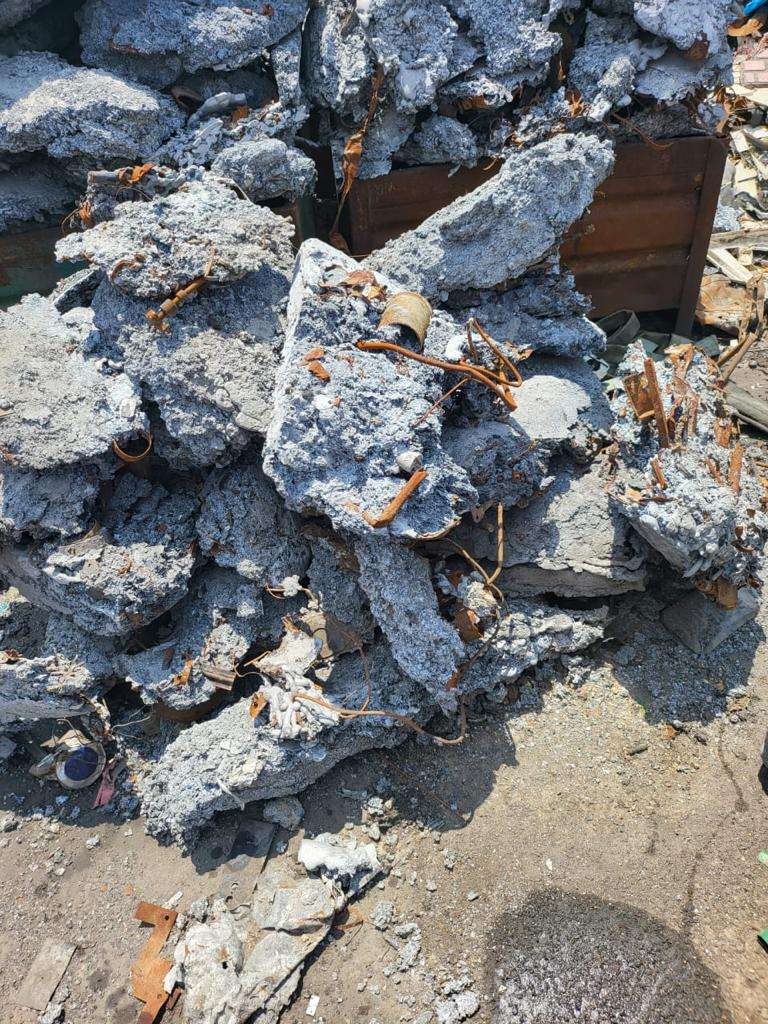
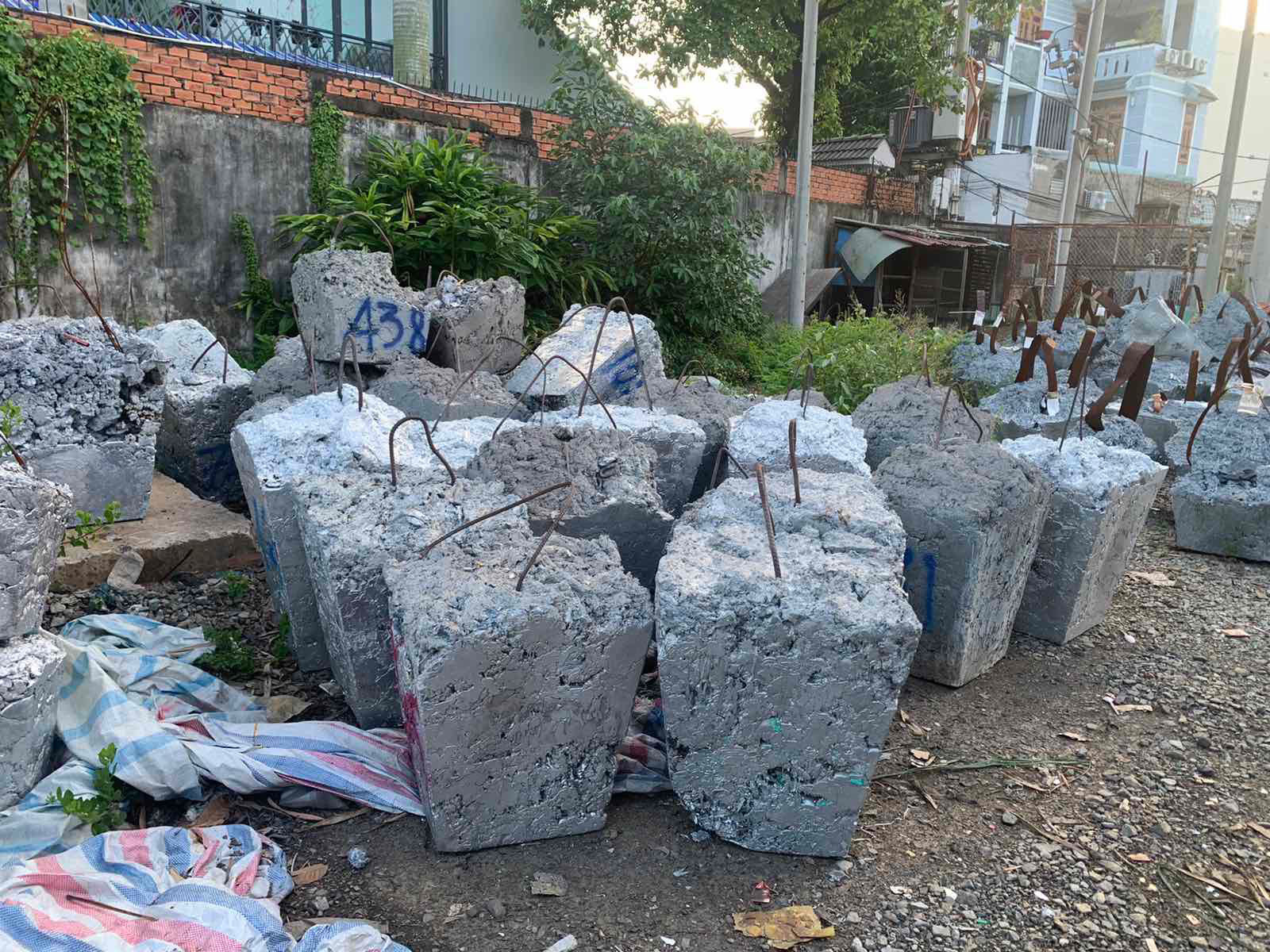 Aluminum dross can be classified into several different types based on its source and properties: