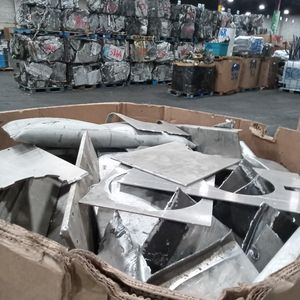
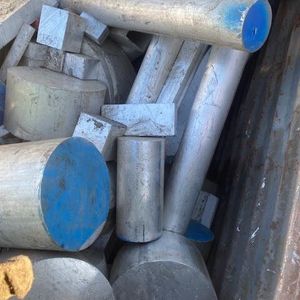
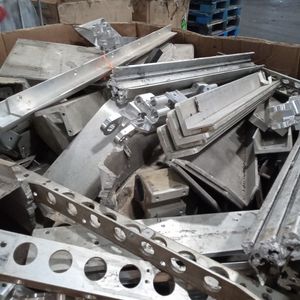
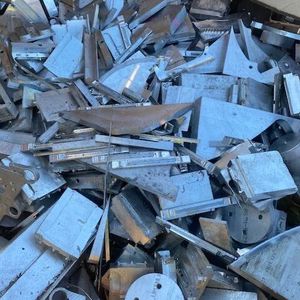
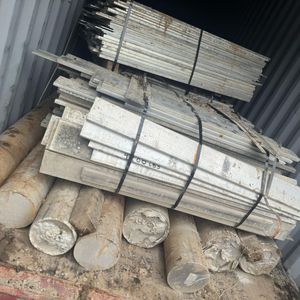
Aluminum 6061

Scrap Wiki

Aluminum alloy profiles, also known as aluminum profiles or aluminum sections, refer to aluminum alloys that have been formed into various cross-sectional shapes through extrusion or other processing methods. The aluminum alloy grades most commonly used for profiles are 6063, 6061, and some 7075. Due to the primary fabrication process being extrusion, these profiles are often referred to as "extrusions" in English-speaking environments. Aluminum alloy profiles come in various shapes such as round, square, channel, T-shape, L-shape, etc., and can be customized according to different application requirements. They are primarily used as window and door frames, as well as for edging purposes.
Aluminum alloy profile scrap, as the name suggests, refers to the waste generated during the production of aluminum alloy profiles or the waste formed when used aluminum alloy profiles are no longer in service.
Aluminum alloy profiles are made by melting aluminum with other metals like copper, zinc, magnesium, and manganese, followed by shaping into specific forms and sizes through extrusion, casting, etc. These profiles are widely used in industries such as construction, automotive, aerospace, and electronics. Therefore, aluminum alloy profile scrap can include leftover trim, sawdust, shavings, and damaged or obsolete profiles resulting from production or use. These scraps contain a significant amount of recyclable aluminum, making them economically valuable. Proper recycling and reuse can greatly conserve resources, reduce production costs, and contribute to environmental protection.
In ISRI nomenclature, aluminum alloy profiles have three names: Tata/Toto/Tutu. The differences are that Tata consists purely of a single grade (usually 6063), allowing for trim and oxidation but without any contamination or paint. Toto can contain up to 10% of grade 6061 and 10% painted profiles. Tutu is made up of one grade of profile without trim or oxidation.
Common Classification

The classification of aluminum alloy profile scrap primarily depends on its alloy grade, packaging, application sector, and processing method. Here are some common classification methods:
1. Classification by Composition: For instance, 6063 profile scrap, 6061 profile scrap, and other grade aluminum alloy profile scrap.
The most common material for window and door frames is 6063 aluminum profiles, followed by 6061 aluminum profiles. Typically, high-end window and door frames use a higher proportion of 6061.
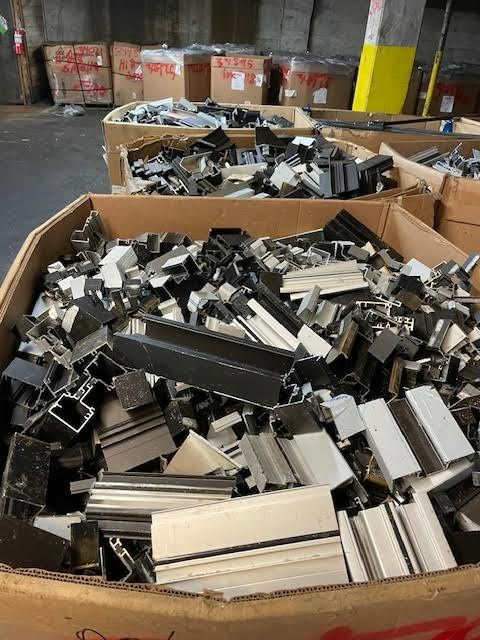
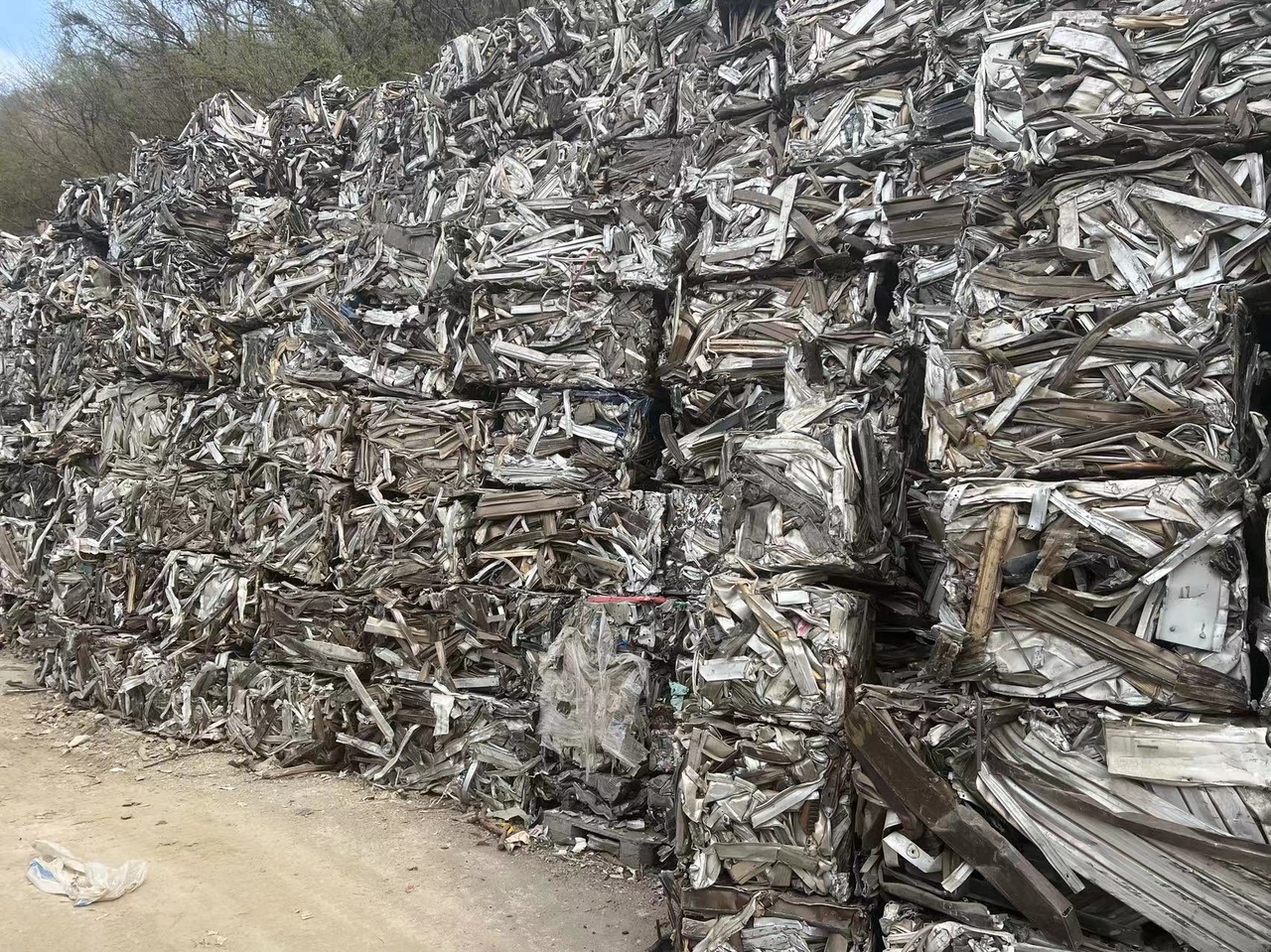
2. Classification by Packaging: For example, loose profile scrap, baled profile scrap, and packaged profile scrap.
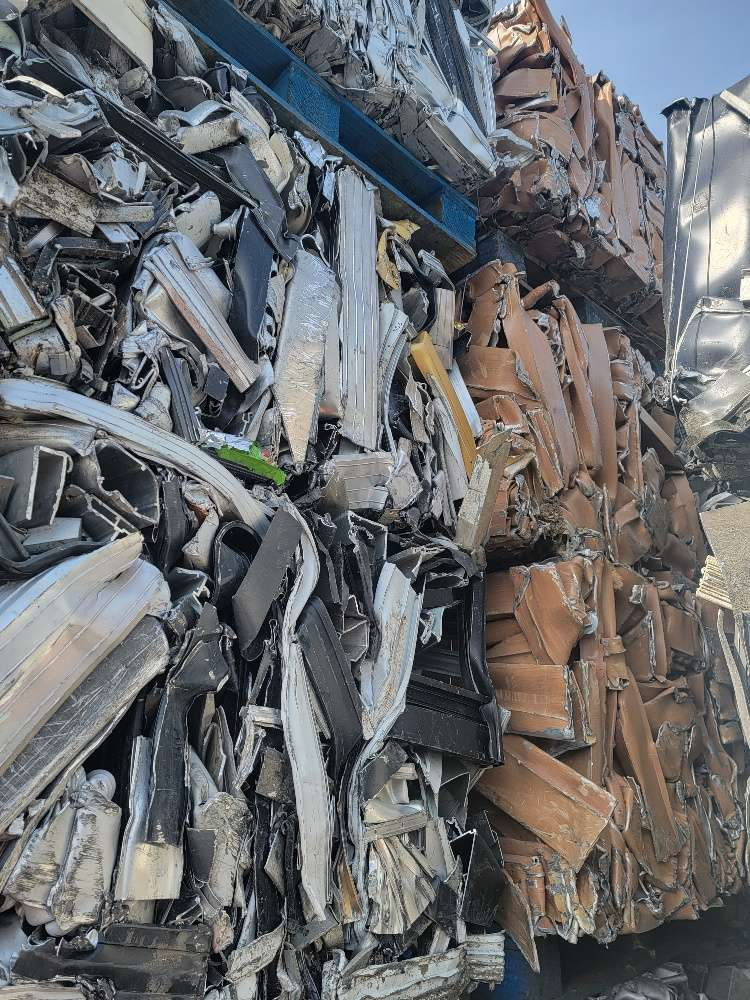
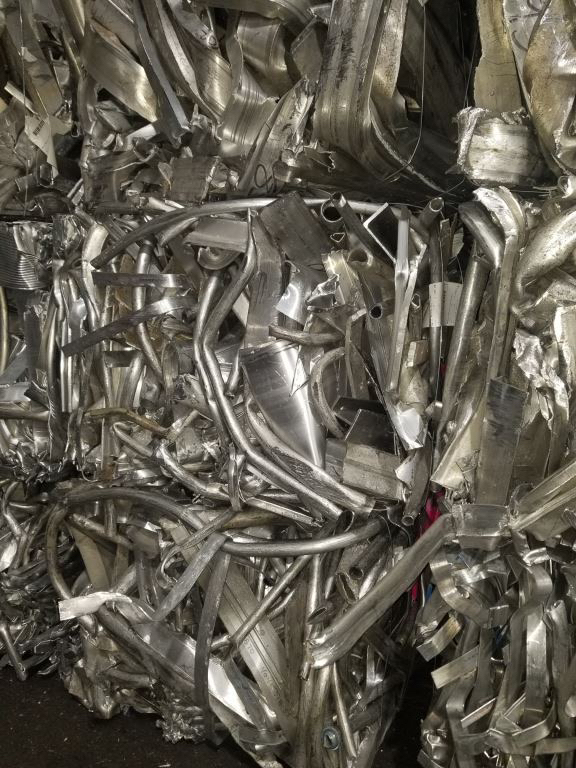
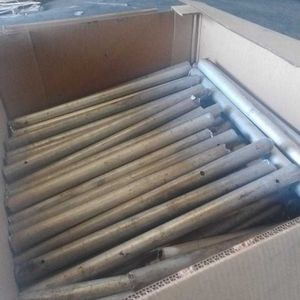
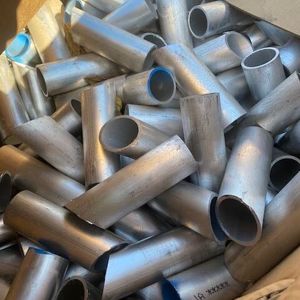
Loose can refer to cut pieces packed in boxes, bags, or completely loose. The difference between packaged and baled is that packaged is usually less compact, whereas bales are very tightly pressed.

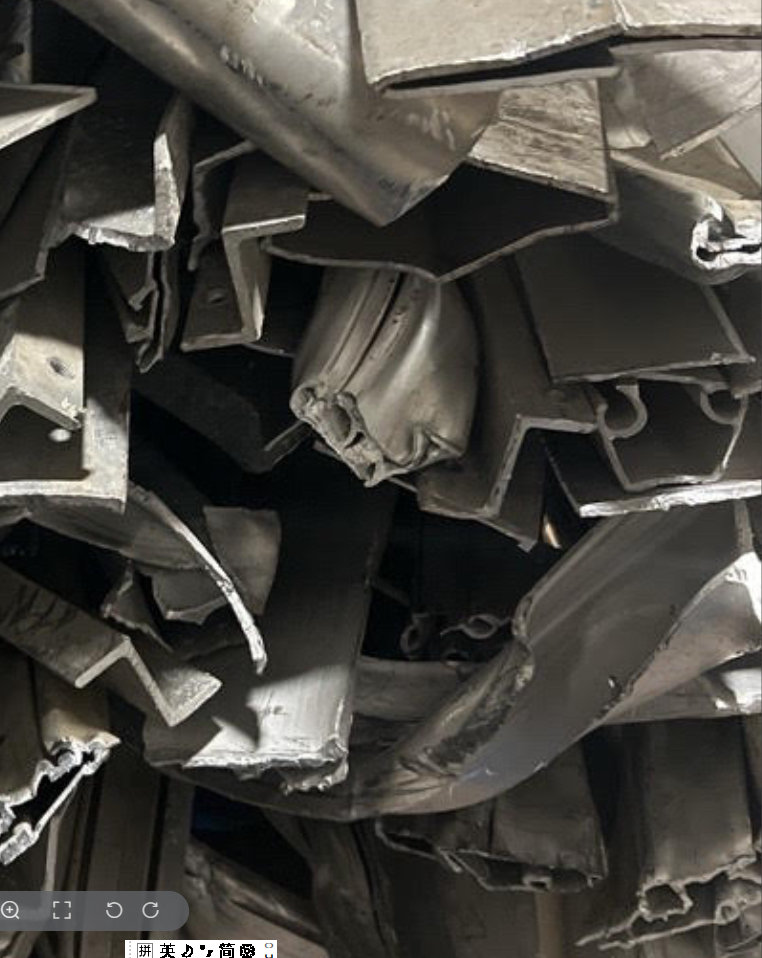
Cut 6063 Scrap
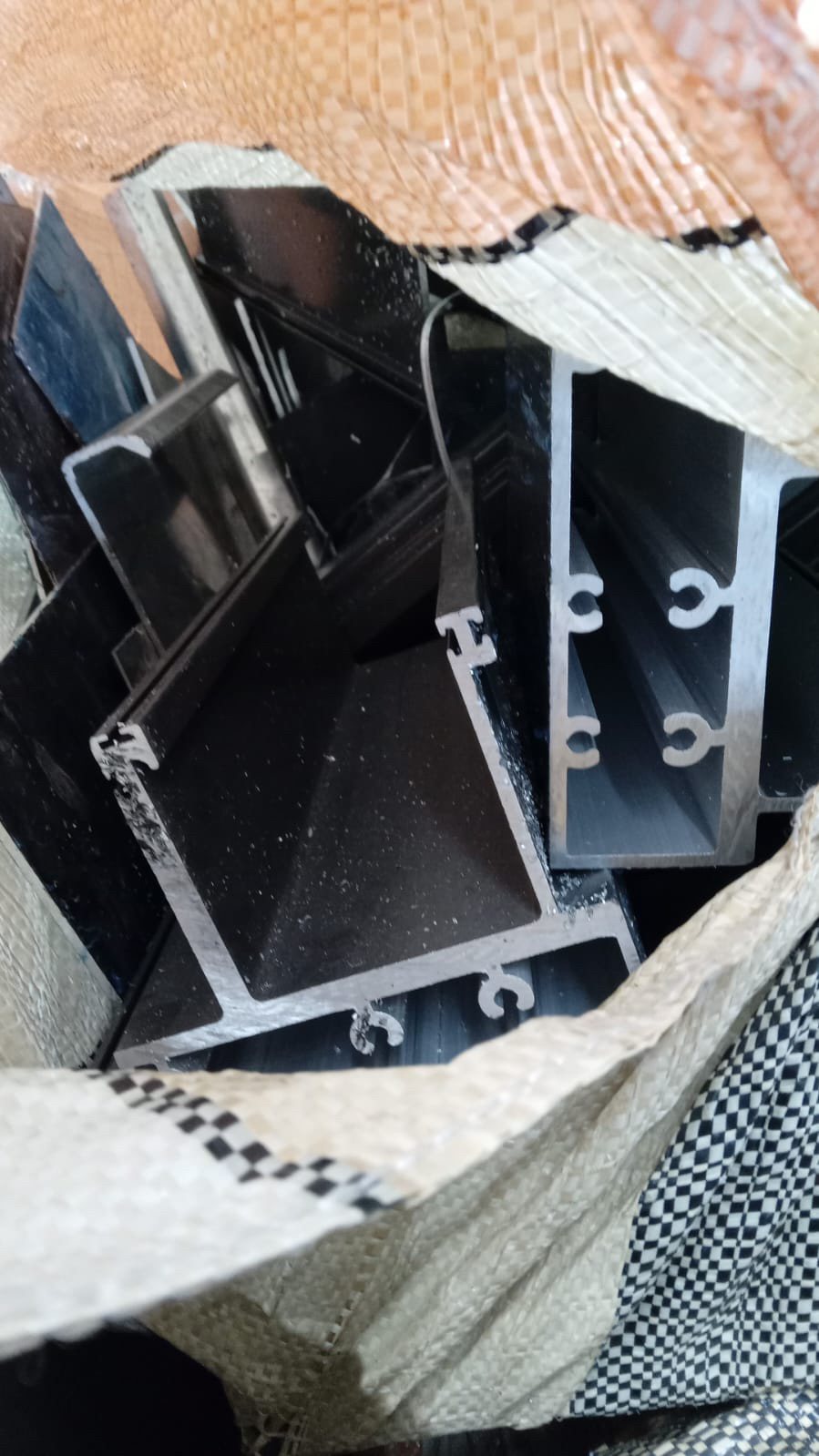
Packed 6063 Scrap
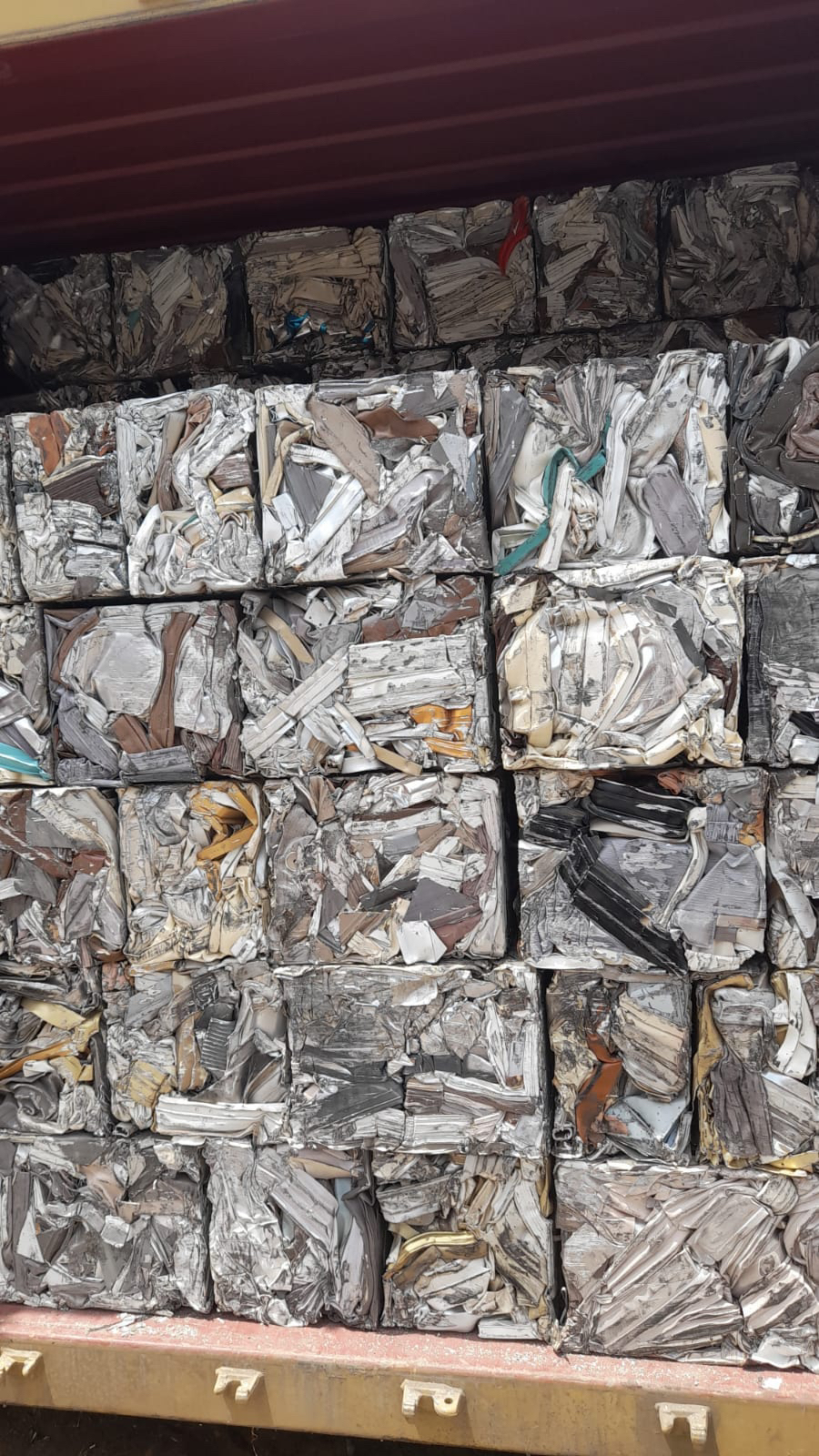
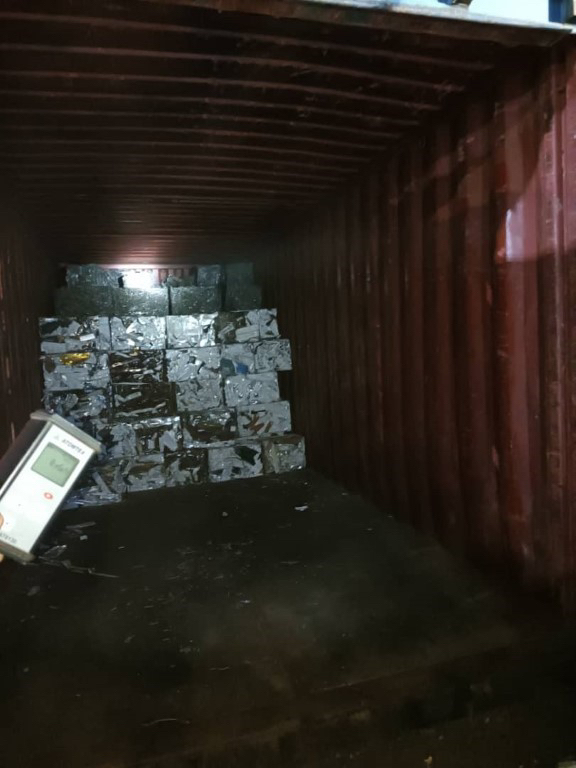
Baled 6063 Scrap
  1. Classification by Application Sector: Such as construction aluminum alloy profile scrap, automotive aluminum alloy profile scrap, aerospace aluminum alloy profile scrap, etc.
  2. Classification by Processing Method: Such as shredded aluminum alloy profile scrap, sorted aluminum alloy profile scrap, polished aluminum alloy profile scrap, etc.
  3. Classification by Surface of the Alloy: Such as unpainted (white material, bare material) aluminum alloy profile scrap, painted aluminum alloy profile scrap, mixed aluminum alloy profile scrap, etc.
    Each classification method has its own characteristics and applications, and the appropriate method can be chosen based on actual needs.

Common Sources

The primary sources of aluminum alloy profile scrap generally include the following:
1. Manufacturing Process: Scrap generated during the production or use of aluminum alloy profiles, such as leftover trim, sawdust, and shavings, are significant sources of aluminum alloy profile scrap.
2. Construction Waste: Aluminum alloy profiles used in construction or renovation that are left over or damaged also become scrap.
3. End-of-Life Products: Aluminum alloy profile products that are no longer usable due to damage or aging, such as old doors, windows, furniture, automotive parts, and electronic devices, are also major sources of aluminum alloy profile scrap.
These scraps contain substantial amounts of recyclable aluminum. Through appropriate recycling and reuse, resources can be conserved significantly, production costs can be reduced, and environmental protection can be enhanced.
Aluminum alloy profile scrap production is concentrated in regions with advanced industries and large aluminum consumption. Globally, China is the largest producer and consumer of aluminum and aluminum alloys, thus generating a vast amount of industrial scrap from aluminum alloy profiles. In particular, industrial zones like the Pearl River Delta, Yangtze River Delta, and Bohai Bay region, where industries such as construction, automotive manufacturing, and electronics are prominent, produce a large volume of aluminum alloy profile scrap. In the United States, Europe, Japan, and South Korea, the automotive, aerospace, and electronics industries, among others, generate substantial amounts of aluminum alloy profile scrap due to their high demand for aluminum.

Value Points

To enhance or assess the value of a batch of aluminum profile scrap, consider the following steps:
1. Sorting and Cleaning: Sort the collected aluminum scrap by different series or grades, which will aid in subsequent downgrading utilization. Also, try to remove any foreign materials attached to the aluminum as much as possible, such as iron screws and other accessories, rubber strips, seal strips, etc. This can increase the value of the aluminum alloy profile scrap.
2. Thickness Judgement: The thickness of the profile directly determines its metal recovery rate, which is a key factor in its value. Pure profile without any impurities, with a thickness of 1-3mm, has a metal recovery rate of 93%-95%, while those 4-6mm and above have a recovery rate of 95%-98%.
3. Proper Storage: Store the aluminum alloy profile scrap in a dry and safe place to prevent it from being washed by rain, which can lead to oxidation of the material. Also, try to avoid dust pollution caused by long-term stacking, which can decrease its value.
The identification of attachments and impurities in aluminum alloy profile scrap can be done through several methods:
1. Visual Inspection: This is the most direct method. You can manually check if there are any visible attachments in the scrap, such as screws, rivets, brackets, or other metallic or non-metallic foreign objects. Experienced staff can not only discover these foreign objects but also roughly estimate the total content of impurities.

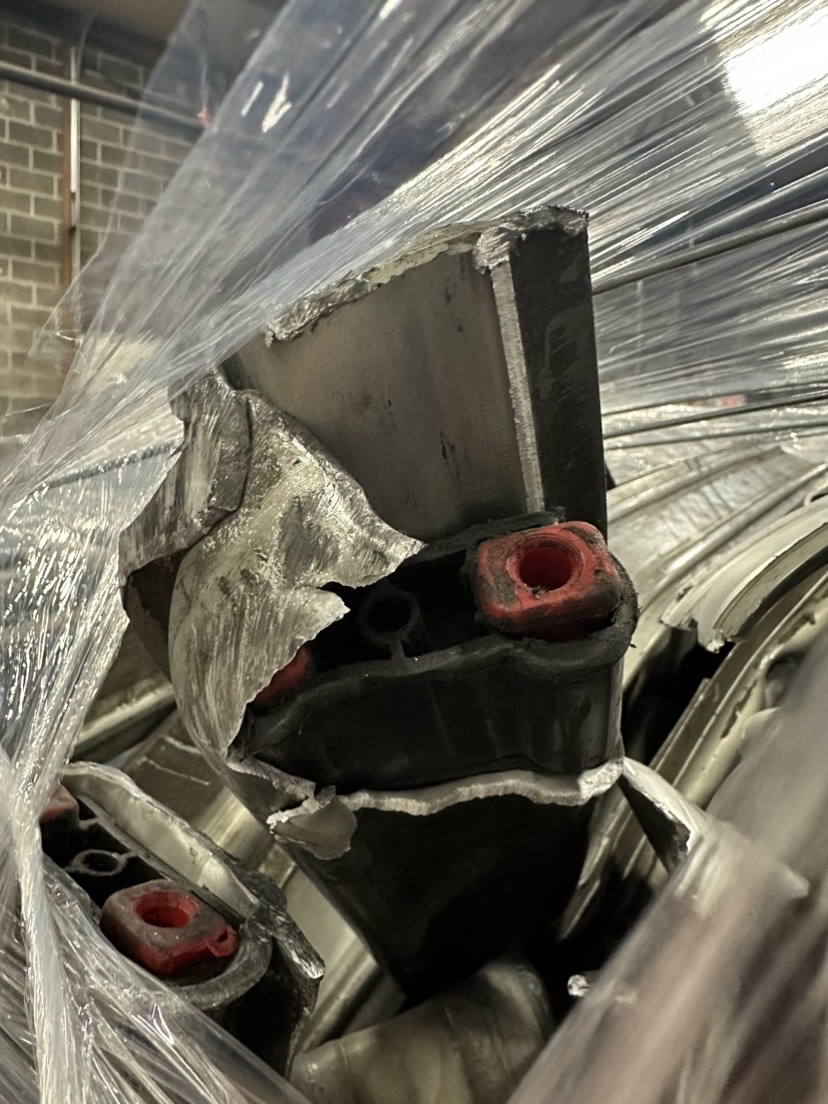
Inspecting the cross-section of aluminum alloy profile scrap to see non-impurities such as sealant strips or plastic
The end of this batch of aluminum alloy profile scrap is very clean of adhesive strips, with very little impurity
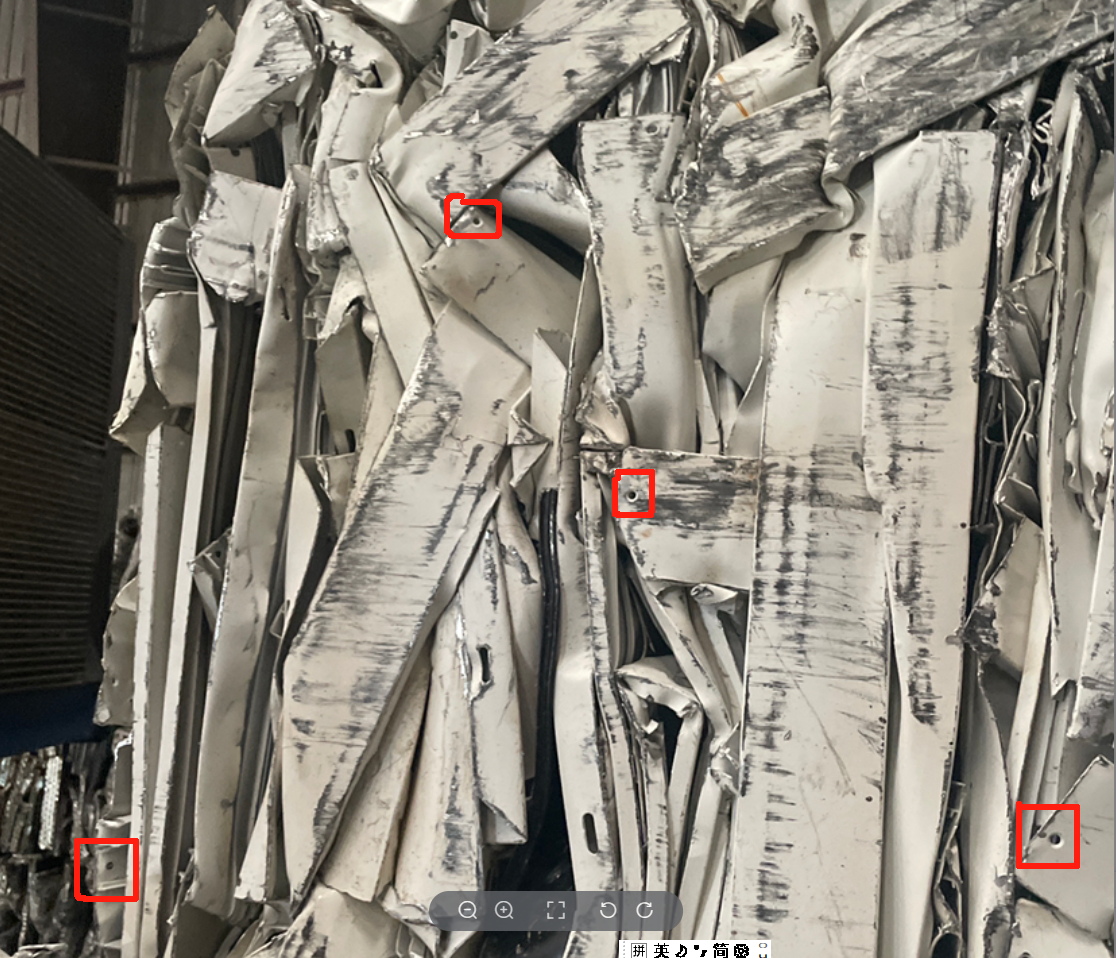
The screws in the marked area of this batch of aluminum alloy profile scrap have been cleaned very well, very good
  1. Magnetic Testing: Attachments made of ferrous metals (such as iron or steel) can be detected using a magnet. Aluminum itself is non-magnetic, so any part attracted by the magnet may be an iron impurity.
Detect iron screws and other ferrous components with a magnet
  1. X-ray Fluorescence (XRF) Analysis: XRF analyzers can identify material compositions down to the elemental level, which is very useful for detecting attachments or impurities in scrap. However, it is less efficient for large volumes of aluminum profiles.
  2. Crushing Test: In some cases, it may be necessary to cut or break aluminum profile scrap to thoroughly inspect the content of attachments.

Processing Methods

Processing aluminum profile scrap involves several steps:
1. Collection: Collect aluminum profile scrap first. This scrap may come from aluminum profile manufacturing, construction sites, end-of-life products, or various other sources. The larger the volume collected, the higher its value.
2. Sorting: Then, sort the scrap by different aluminum series and grades. This is usually done by experienced workers manually, but automated machinery can also be used.
3. Cleaning and Dismantling: Clean the sorted aluminum alloy profile scrap to remove pollutants such as dirt, paint, and other non-aluminum materials, such as iron screws, rubber plastic strips, etc. This can be done through various methods such as chemical cleaning, grinding blasting, or thermal treatment.
4. Crushing and Impurity Removal: It's difficult to completely remove non-aluminum attachments from intact profiles, so crushing or crushing aluminum profile scrap into smaller fragments makes it easier to remove items like seal strips and screws. The removal process can be done manually or by using magnetic separation, flotation, and other automated sorting methods, which can be more efficient in handling large volumes of aluminum profile scrap.
5. Melting: Melt the aluminum profile scrap in a furnace, adjust the elemental content, and finally process it into aluminum ingots, aluminum water, or other industrial raw materials. Aluminum scrap produces aluminum ingots (rods) that can broadly be categorized into standard ingots (rods) and non-standard ingots (rods). Standard aluminum ingots (rods) meet specific grade criteria for elemental content; non-standard aluminum ingots (rods) have varied elemental content that requires careful examination, especially for trace element content after the third element.

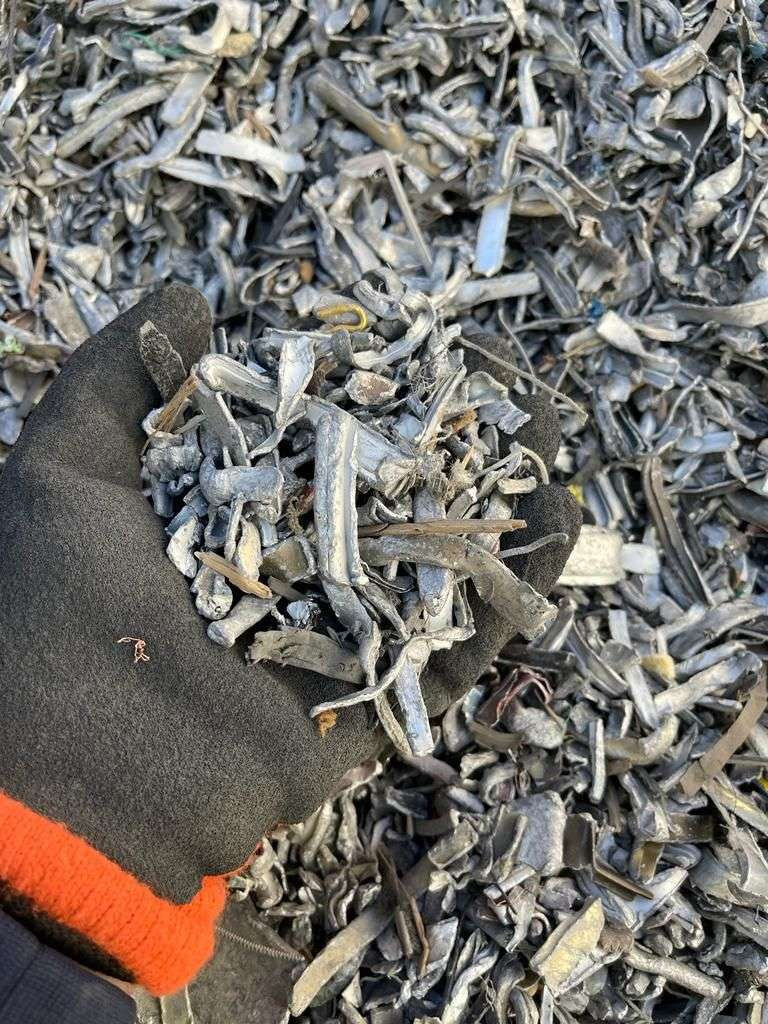
Crushed aluminum profile scrap, with almost no adhesive strips or iron impurities after sorting

Detection Methods

The inspection methods for aluminum alloy profile scrap are:
Handheld spectrometer: Accurately judges the elemental content of aluminum alloys and is used frequently. When using it, scrape off the paint and coating on the aluminum alloys to avoid interference from surface coatings.
.

Matching Direction

The directions for matching aluminum alloy profile scrap are quite broad. For example, in the case of downgrading matching, aluminum profile scrap can be provided to various aluminum rod manufacturers or aluminum alloy window and door manufacturers for direct use in producing 6061/6063 series aluminum rods. This kind of downgrading utilization has relatively high value.
If it's for downgrading matching, aluminum scrap can often be processed into aluminum ingots with grades such as 95/96/97/98, which can either be upgraded for use by adjusting elemental content or used for lower-end aluminum alloy products.
In terms of international markets, China's aluminum alloy prices are relatively high due to its large demand for recycled aluminum alloys. However, it's worth noting that there are recent punitive tariffs on aluminum alloy profile scrap originating from the U.S. when exporting to China, so aluminum scrap from U.S. origins could look for prices in markets outside of China.

Special Attention

  1. Aluminum alloy profile scrap is generally marked with impurity ratios such as 98/2, 95/5, etc., meaning that the scrap contains 98% aluminum and 2% impurities, for example. Before trading, it's best to specify this in the contract with the supplier in an agreed-upon manner.
  2. Have as many pictures as possible, especially detailed pictures to judge the impurity level of a batch of aluminum scrap, especially cross-section photos.
Lack of detail can easily lead to disputes
Being able to see the cross-section helps avoid claims
  1. For aluminum alloy profile scrap imported into China, the degree of painted surface must be clearly and accurately communicated. Aluminum with a high proportion of paint and coating is not allowed to be imported into China. If the goods do not meet standards during customs inspection, they may face high costs for return or even penalties. Try to import as unpainted material.
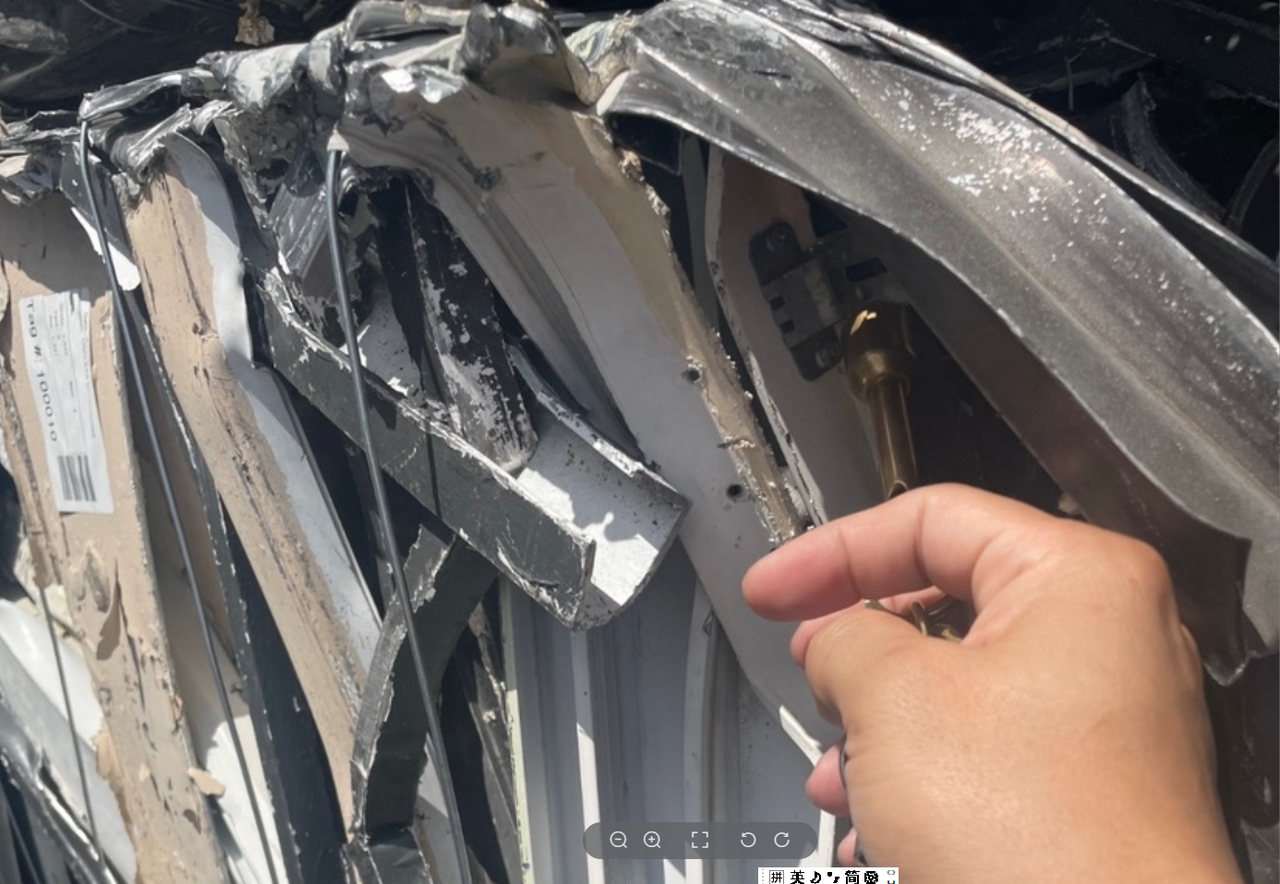
High paint ratio, high risk of rejection when importing to China
Paint-free aluminum profile scrap (white material/bare material)

Gallery

Aluminum 6061
Aluminum 6061
Aluminum 6061
Aluminum 6061
Aluminum 6061
Aluminum 6061
Aluminum 6061
Back to Parent Category