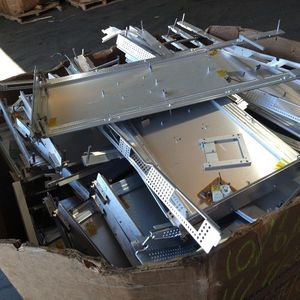
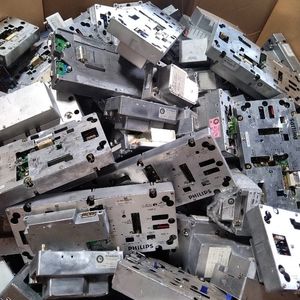
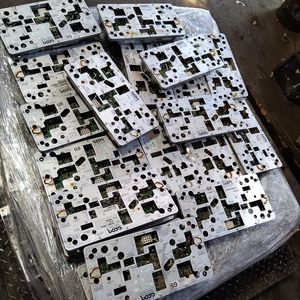
Aluminum breakage

Scrap Wiki

Mixed Aluminum Scrap or Mixed Aluminum, refers to aluminum scrap containing various metal and non-metal impurities. The aluminum scrap is often sourced from die-casting, also known as Raw Aluminum. Overseas, this type of scrap is commonly referred to as "Irony Aluminum Scrap" or sometimes mistakenly referred to as "Tense", which is an ISRI (Institute of Scrap Recycling Industries) term for clean aluminum castings that may include automotive and aircraft castings, but excludes iron, brass, dirt, and other non-metallic items, with a maximum oil content of 2%. However, in practice, the actual impurity content far exceeds this limit, and it is often labeled as "X%".
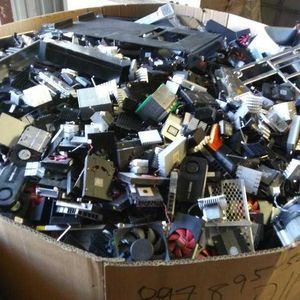
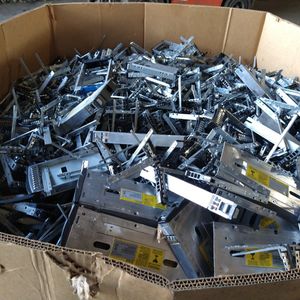
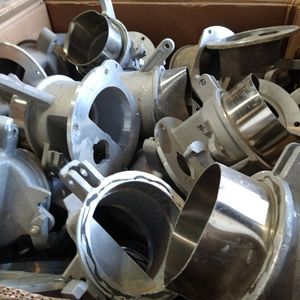
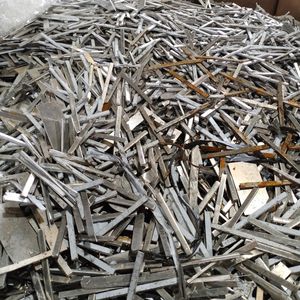
Mixed Aluminum Scrap is a broad category of scrap materials, with diverse appearances and varying types and contents of impurities. In practical scrap trading, it encompasses almost all aluminum scrap materials that are difficult to categorize.
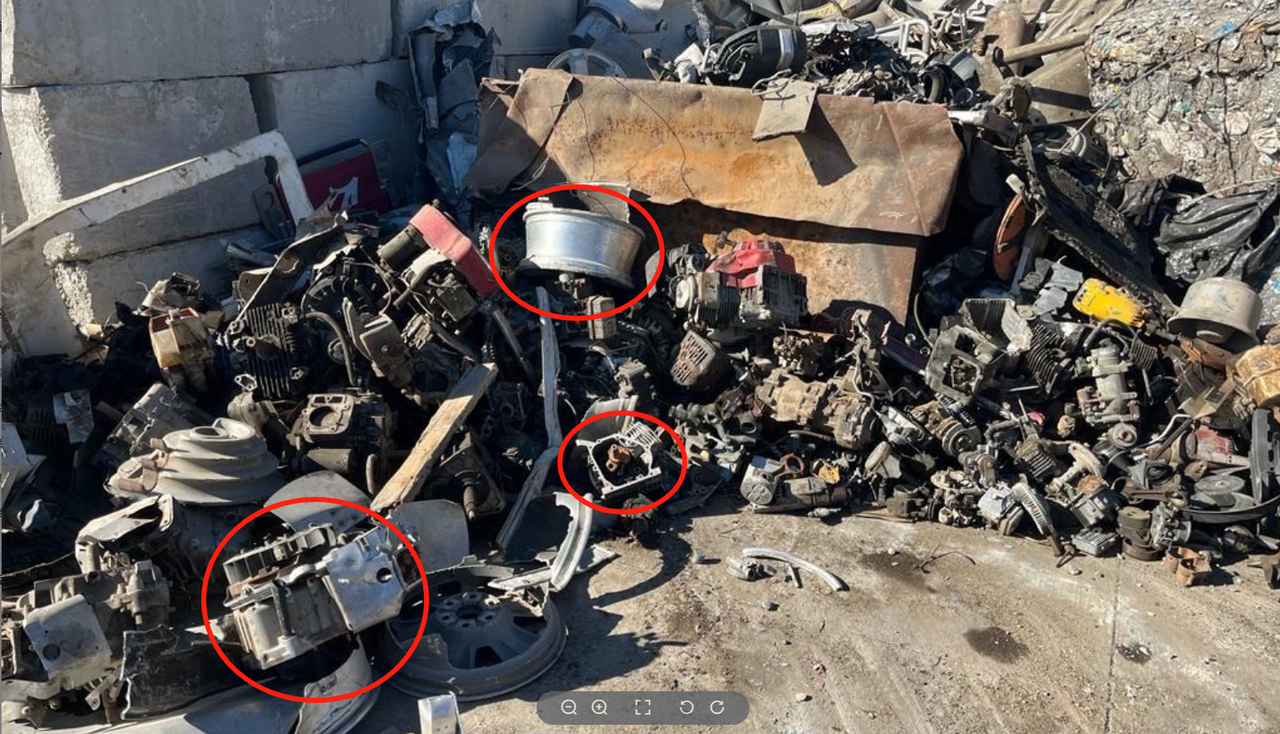
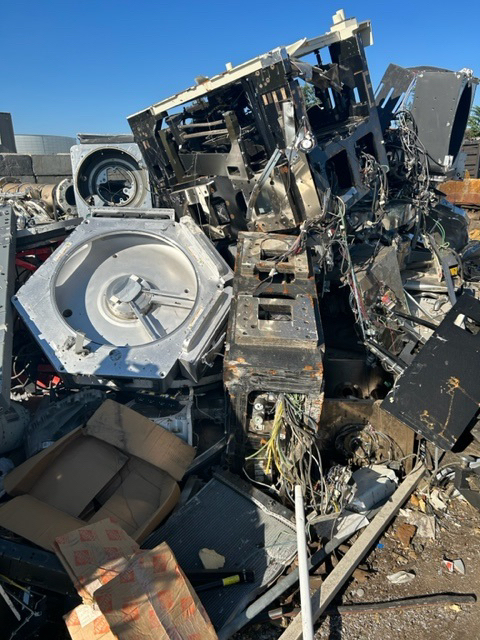
Common Mixed Aluminum Scrap

Common Classification

Mixed aluminum scrap is classified based on its impurity content. In trading, it is often described in terms of the percentage of aluminum and impurities, such as "70/30 Mixed Aluminum Scrap" or "90/10 Mixed Aluminum Scrap", where "70/30" indicates 70% aluminum and 30% impurities.

Common Sources

Most mixed aluminum scrap comes from household waste and industrial waste, with the latter typically being more uniform, clean, and tidy. In contrast, household waste-derived mixed aluminum scrap often has varying degrees of mixing, complex disassembly, and may contain a significant amount of plastic, resin, iron, stainless steel, and other materials.

Value Points

The value of mixed aluminum scrap depends on several key factors:
1. Type and shape: Different types of mixed aluminum scrap (e.g., aluminum containers, aluminum frames, aluminum alloy parts) have varying values. Generally, thicker, solid, and simpler structures with easier recycling are more valuable.
2. Impurity content: The amount of impurities in the aluminum scrap directly affects its reuse value. Aluminum scrap with higher impurity content has lower value.
3. Processing cost: The cost of processing mixed aluminum scrap also affects its value. For example, two types of mixed aluminum scrap with the same 10% impurity content may have different processing costs due to varying levels of difficulty in separating the impurities, which can impact the net value of the scrap.

Diverse shapes of mixed aluminum scrap

Processing Methods

Mixed aluminum scrap often contains iron and other types of impurities, which need to be removed through suitable processing methods.
The most common method is manual disassembly, where workers manually dismantle, break, and separate the mixed aluminum scrap to remove various metal and non-metal impurities.
Alternatively, mechanical crushing followed by various separation methods, such as magnetic selection, flotation, or X-ray screening, can be used to separate aluminum from other metals or waste materials. Mixed aluminum scrap can also be sold in the form of crushed aluminum.

Detection Methods

Matching Direction

Mixed aluminum scrap is suitable for buyers who can process and separate the impurities, such as scrap dismantling and processing factories or crushing factories.
After processing, the mixed aluminum scrap can be sold to manufacturers or used as raw materials for other products. In some cases, mixed aluminum scrap with low iron content can be directly melted and then processed to remove iron, resulting in a loss of about 2% of the aluminum metal recovery rate.
Due to oil pollution, mixed aluminum scrap is not allowed to be imported by many countries, including China. It is more suitable to sell it to countries like Malaysia, Thailand, or Pakistan for processing.

Special Attention

When trading mixed aluminum scrap, it is essential to pay attention to the consistency between the images and the actual goods. The price of mixed aluminum scrap is mainly determined by looking at the pictures or the goods. Additionally, the degree of mixing should be agreed upon within a certain range. When reporting the impurity content, it is crucial to confirm with the supplier whether this content is guaranteed or only for reference, and if guaranteed, what is the allowed deviation range.

Gallery

Aluminum breakage
Aluminum breakage
Aluminum breakage
Aluminum breakage
Aluminum breakage
Aluminum breakage
Aluminum breakage
Back to Parent Category