Mixed telic

Scrap Wiki

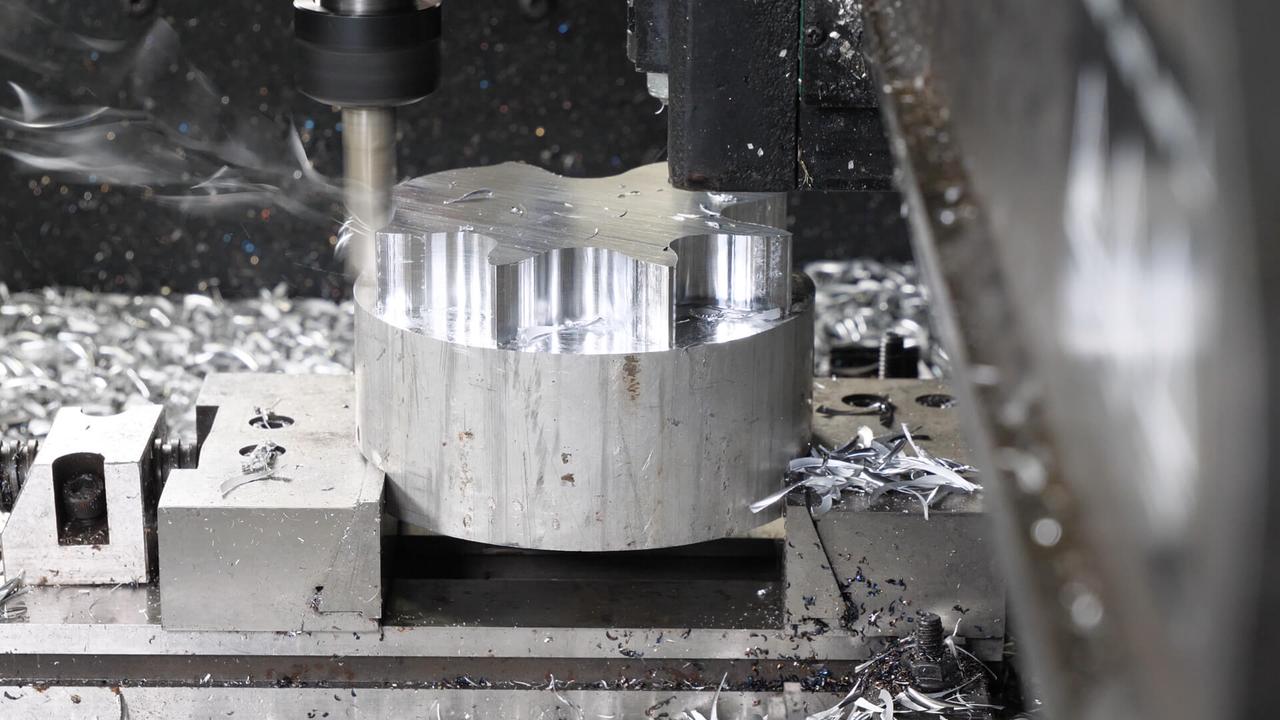
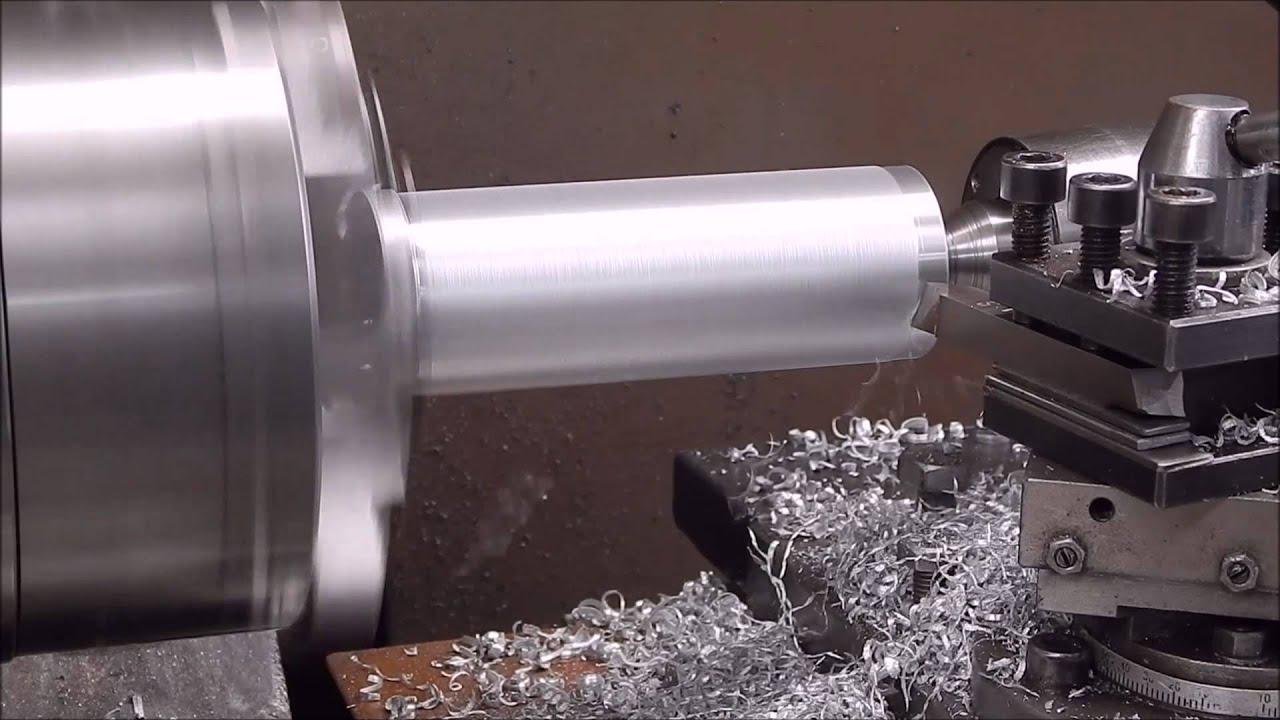
Aluminum scrap has several names, including aluminum shavings, aluminum dross, aluminum turnings, and aluminum borings. These names correspond to various English terms, such as Shavings and Turning, which refer to a large class of industrial waste generated from aluminum alloy processing. The main sources of these scraps are machining processes like turning, milling, and drilling. Additionally, some low-quality aluminum scraps may come from sawdust or grinding dust, which often have a significantly lower metal recovery rate than common aluminum scraps.
According to the ISRI naming convention, there are two relevant terms: Teens and Telics. Both have the same naming rules: "No oxides, dirt, oils, flammable liquids, moisture, or non-metallic materials, and the powder passing through a 20 mesh (US standard, screen size: 0.850mm, standard mesh: 20) screen should not exceed 3%." In simple terms, there are two key points: (1) no oil or flammable liquids, and (2) the total amount of fine powder below 20 mesh should not exceed 3%. The difference between these two terms lies in the following: (1) Teens refer to a single specific alloy component, while Telics can be a mixture of two or more alloy components. (2) Teens do not allow free iron, stainless steel, or magnesium, while Telics permit these components to be controlled below 10%.
Common Classification

  1. Classification by Material
    Aluminum scrap can be classified based on the source material into single-series or mixed-series categories:
  • Single-series aluminum scrap: Refers to scraps from a specific aluminum alloy series, such as 6000 series or 7000 series, or even specific alloy numbers like 5052 or 6061. When labeling single-series aluminum scrap, it is essential to strictly adhere to the agreed-upon series, and spectral analysis can help confirm this information.
  • Mixed-series aluminum scrap: Generally refers to a mixture of two or more different aluminum alloy series. It is worth noting that this type of mixed-series aluminum scrap often implies that the processing stages may also be different, so the yield rates may vary. It is crucial to carefully evaluate the materials.
  • High-grade aluminum scrap (HG Telic): A common type of mixed-series aluminum scrap, typically a mixture of 3/6 series. Since this series of aluminum alloys does not contain high levels of copper, manganese, or other difficult-to-process elements, its processing value is higher, making it a popular standard aluminum scrap in the market.
  1. Classification by Packaging Method
    Aluminum scrap can be classified based on the packaging method into the following categories:
    Loose aluminum scrap: Commonly referred to as "Loose" in English, this means the aluminum scrap has not been compressed or bundled, but rather packaged simply by tying or bagging. Its advantage is that oil and moisture can easily drain out on their own. However, it has some drawbacks:
  2. During transportation, it is prone to losses due to spillage.
  3. Its bulky nature often means that only 17-18 tons can fit into a shipping container.
  4. Melting Yield
    Loose scrap tends to float when added to the furnace, which results in a lower yield. However, it is important to note that aluminum scrap wrapped in plastic film often contains heavy oil contamination, so it is advisable to carefully inspect the oil content on the packaging.
pressed aluminum scrap

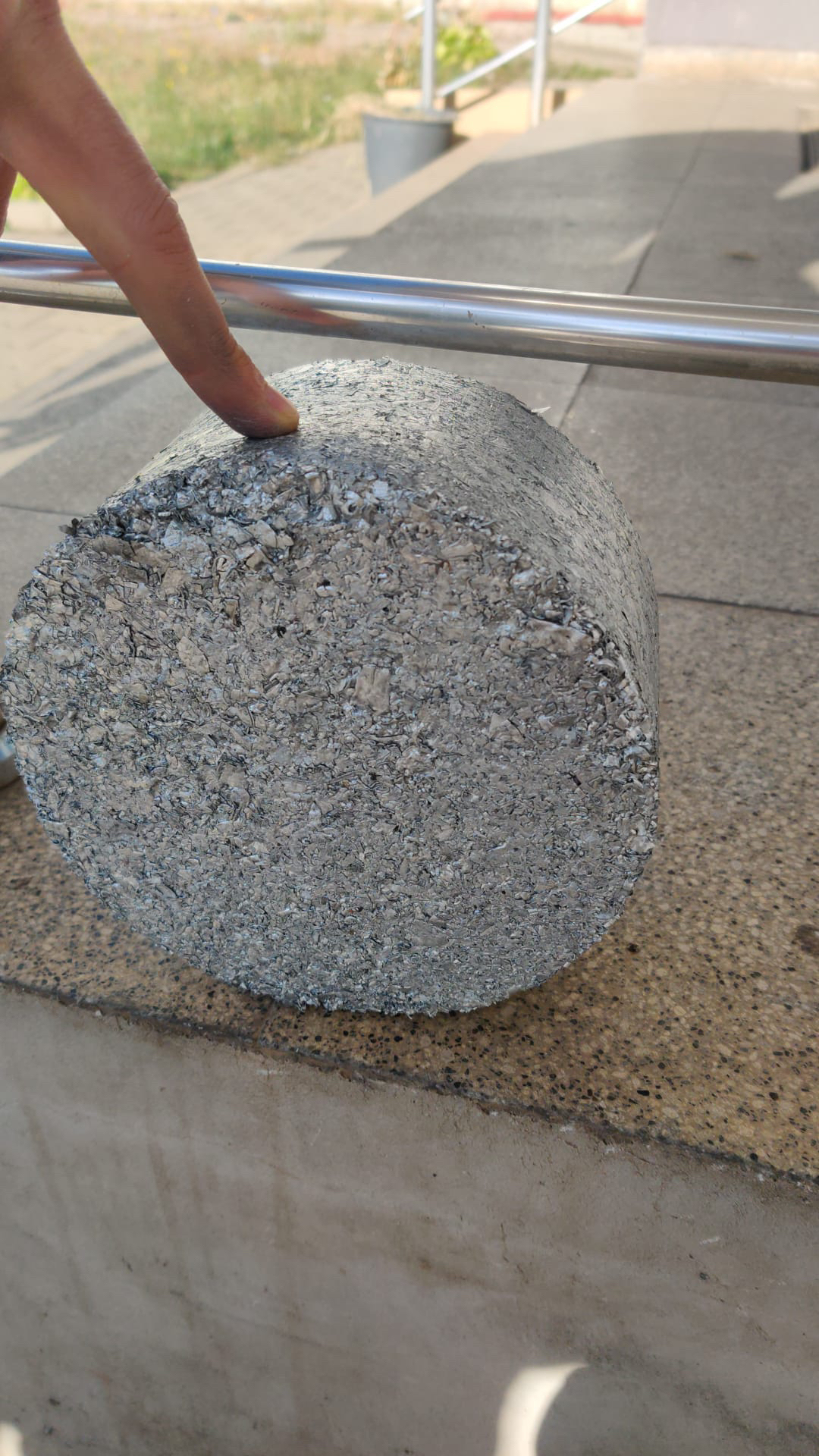
Compressed aluminum pucks: Commonly referred to as "Pucks" in English, these are aluminum scraps compressed into round, hockey puck-like shapes. The advantages are:
1. Saves shipping volume.
2. Reduces material loss due to scattering.
3. Makes feeding into the furnace easier.
The disadvantages are:
1. Foreign objects may be mixed inside the compressed pucks, and they cannot be detected by the naked eye.
2. Oil and moisture are difficult to drain out.

Compressed aluminum pucks

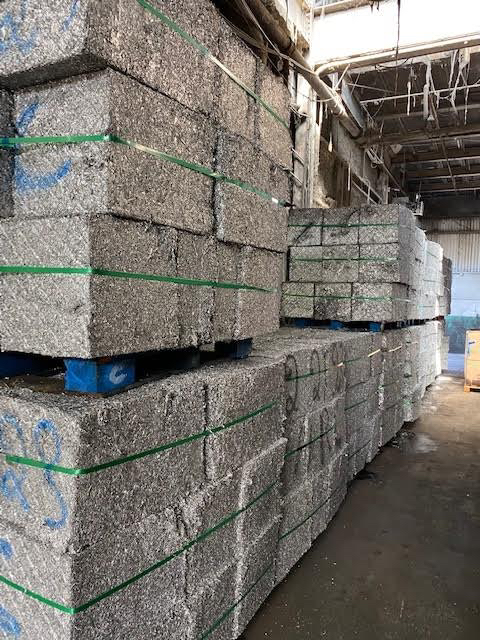
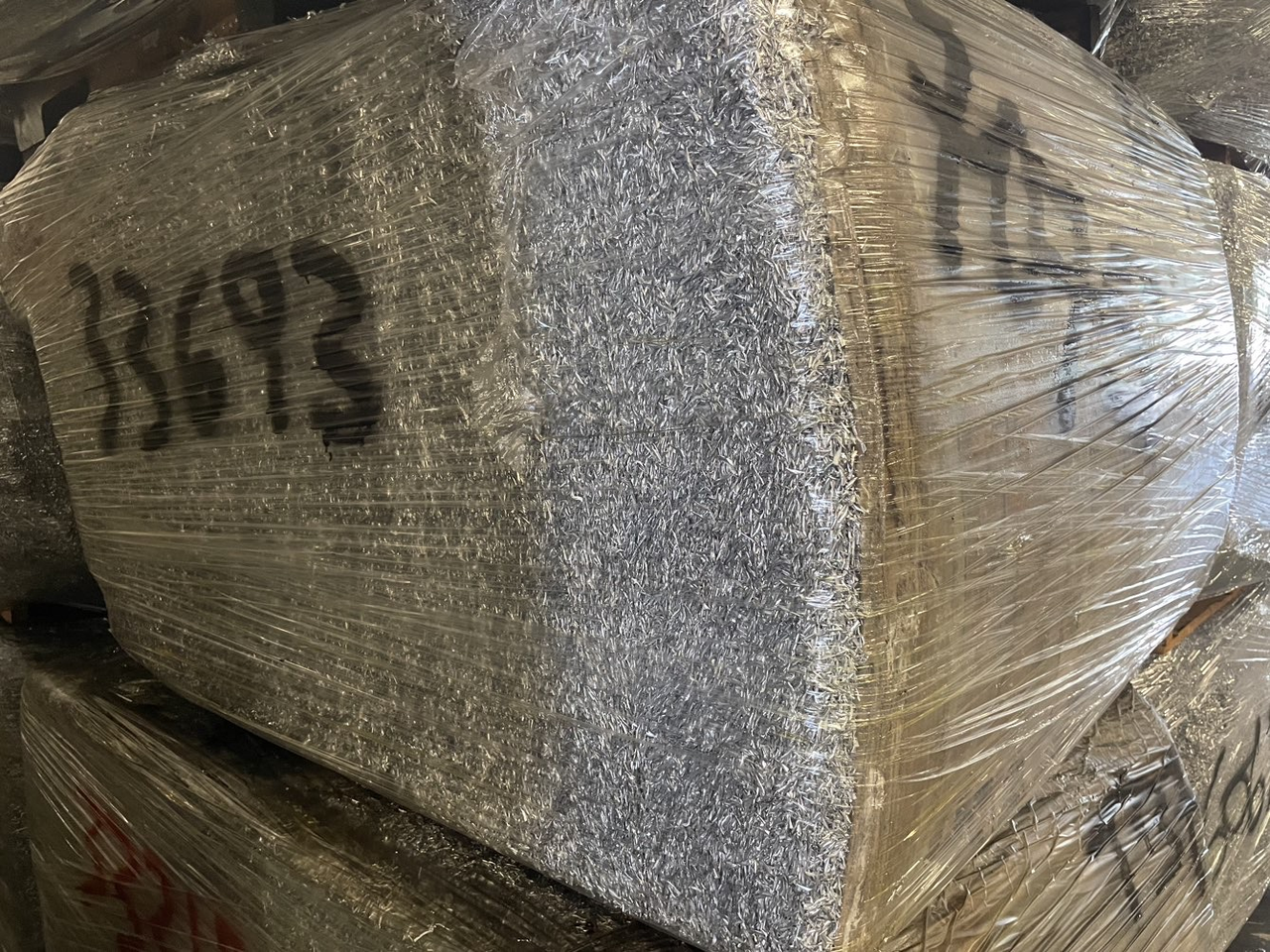
Compressed aluminum briquettes: Commonly referred to as "Briquettes" in English, these are aluminum scraps compressed into rectangular blocks. Some briquettes are tightly packed, while others are relatively loose. Their advantages and disadvantages are similar to those of compressed aluminum pucks.

Compressed aluminum briquettes

Common Sources

The source of aluminum scrap is crucial in evaluating its metal recovery rate and quality. Based on their specific sources, aluminum scraps can be broadly categorized into the following types:
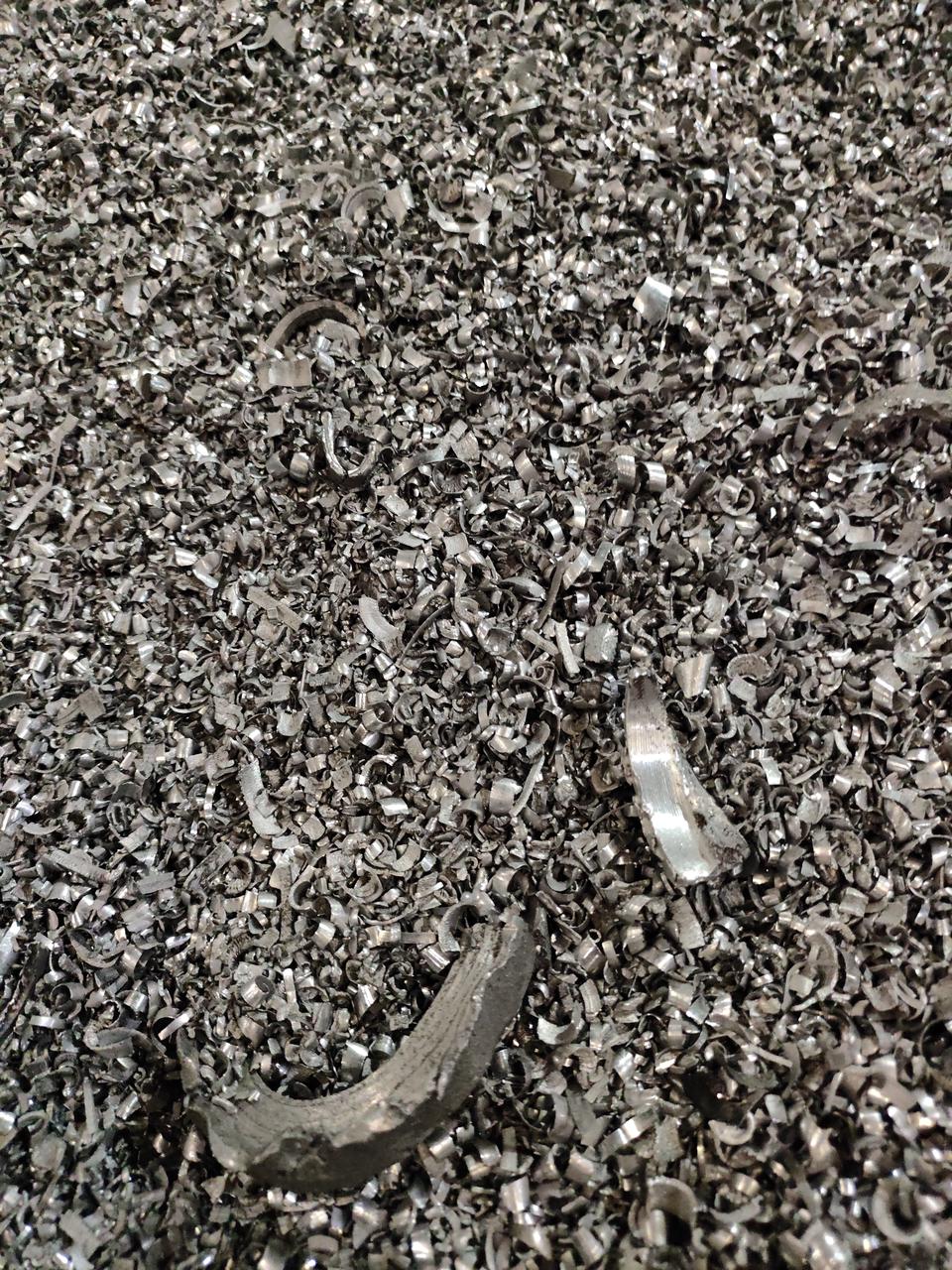
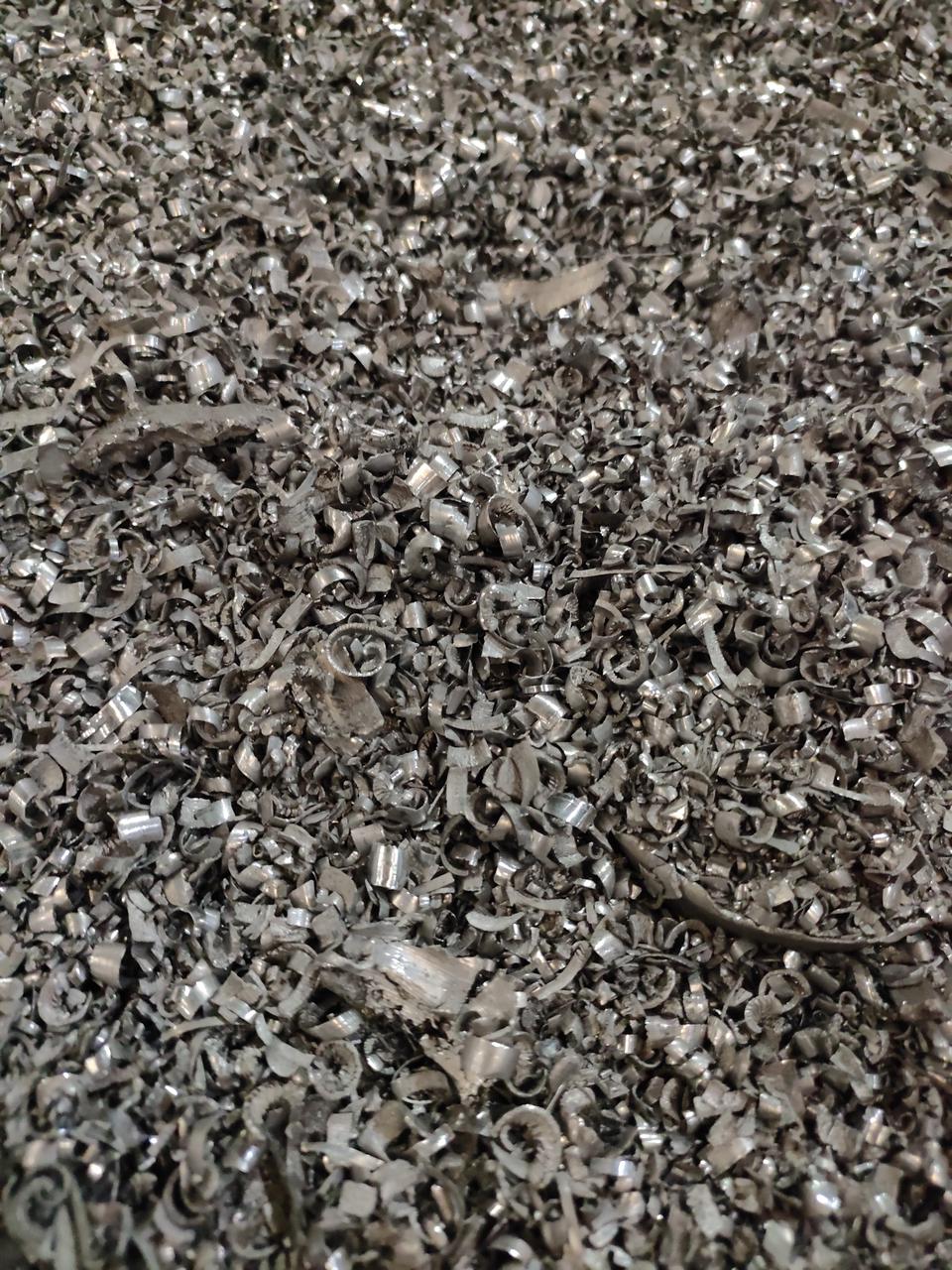
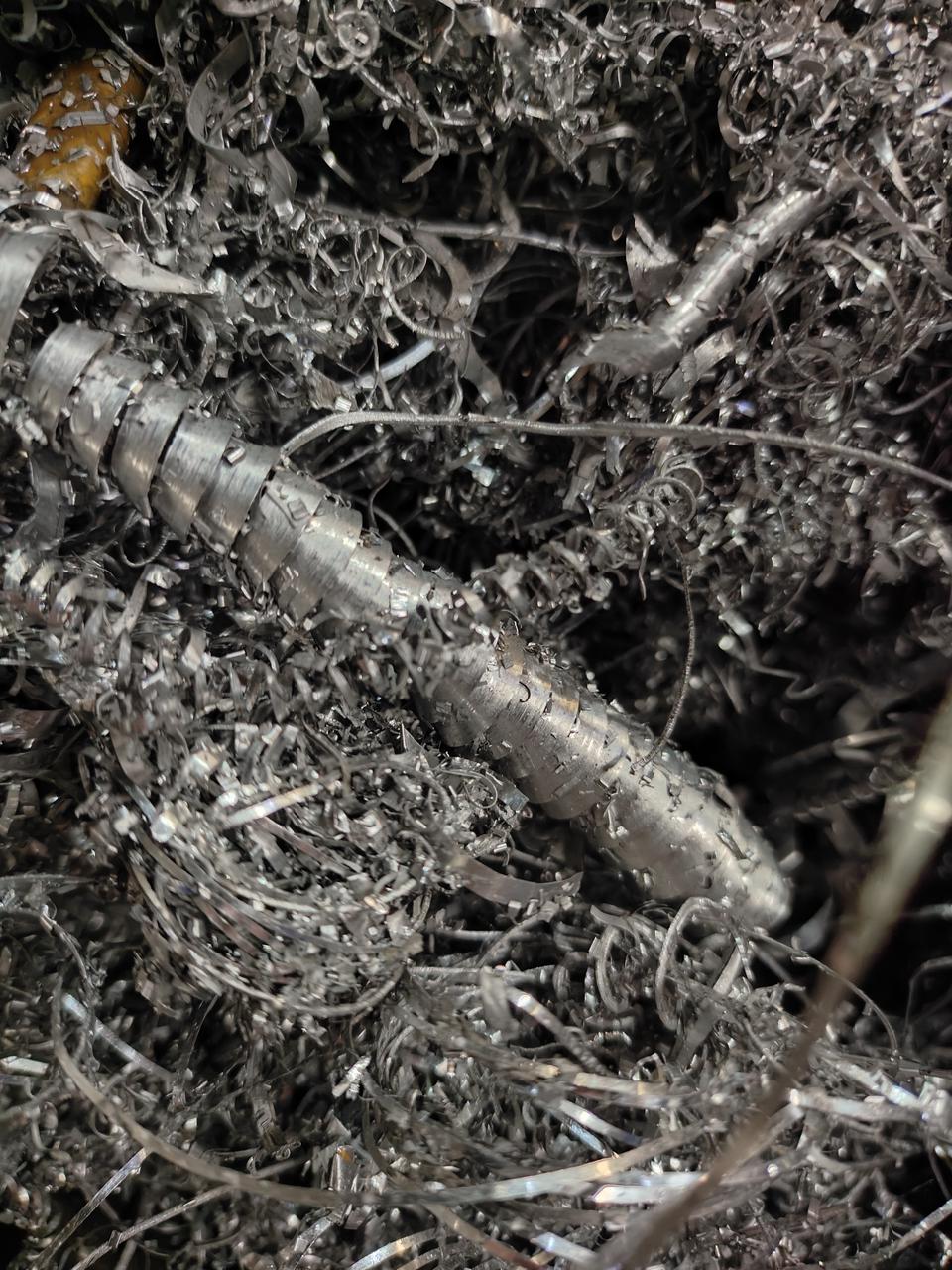
1. Coarse Turning Scrap
Originating from the rough machining process of aluminum alloy, this type of scrap has smaller particles but is thicker, with larger aluminum blocks sometimes mixed in. It feels sharp and hard to the touch, with a distinct scratching sensation. It is also difficult to bend and has a heavy weight. This type of coarse turning scrap often has a high yield rate, reaching 90% or even 95%.

coarse turning scrap
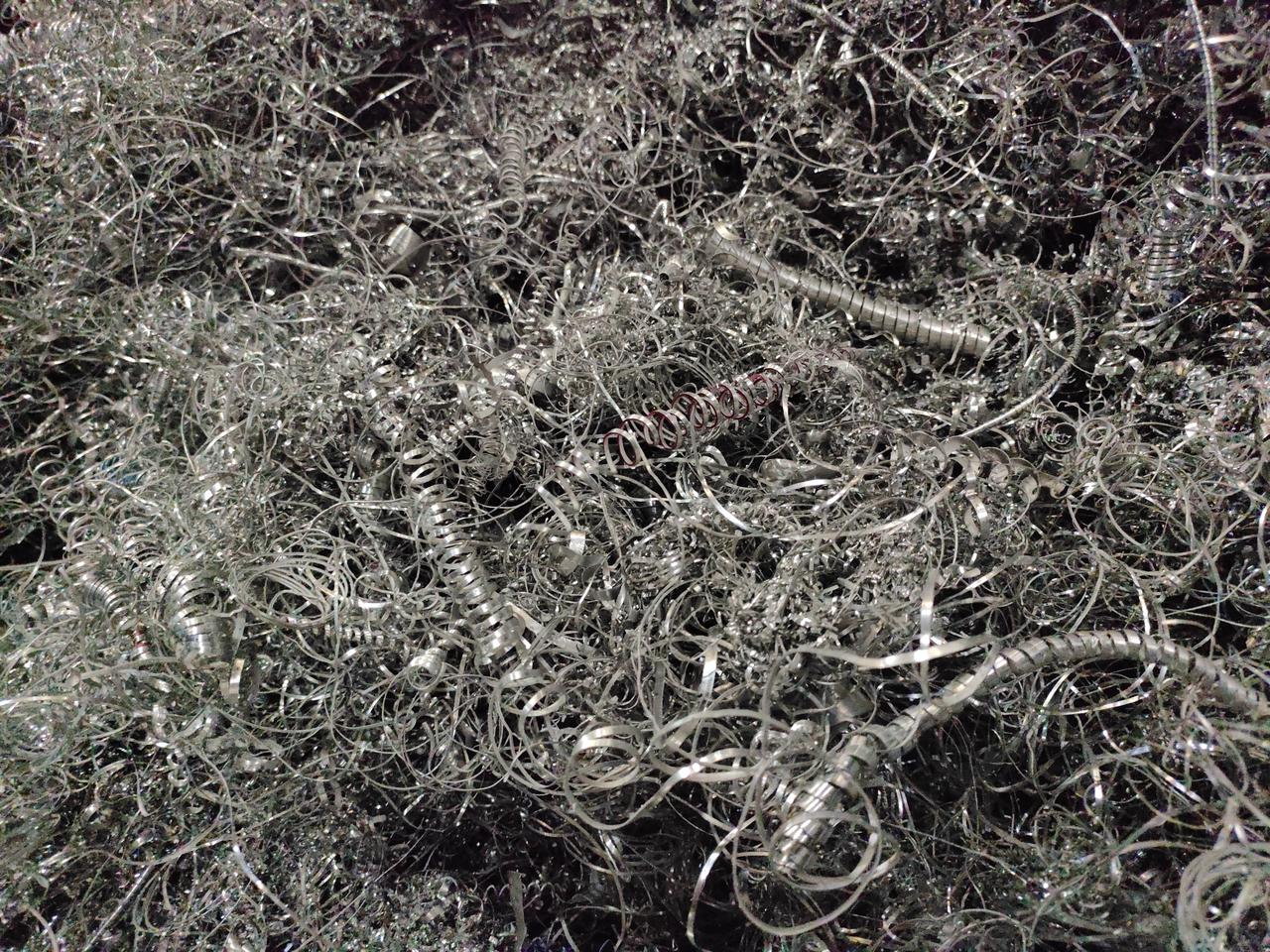
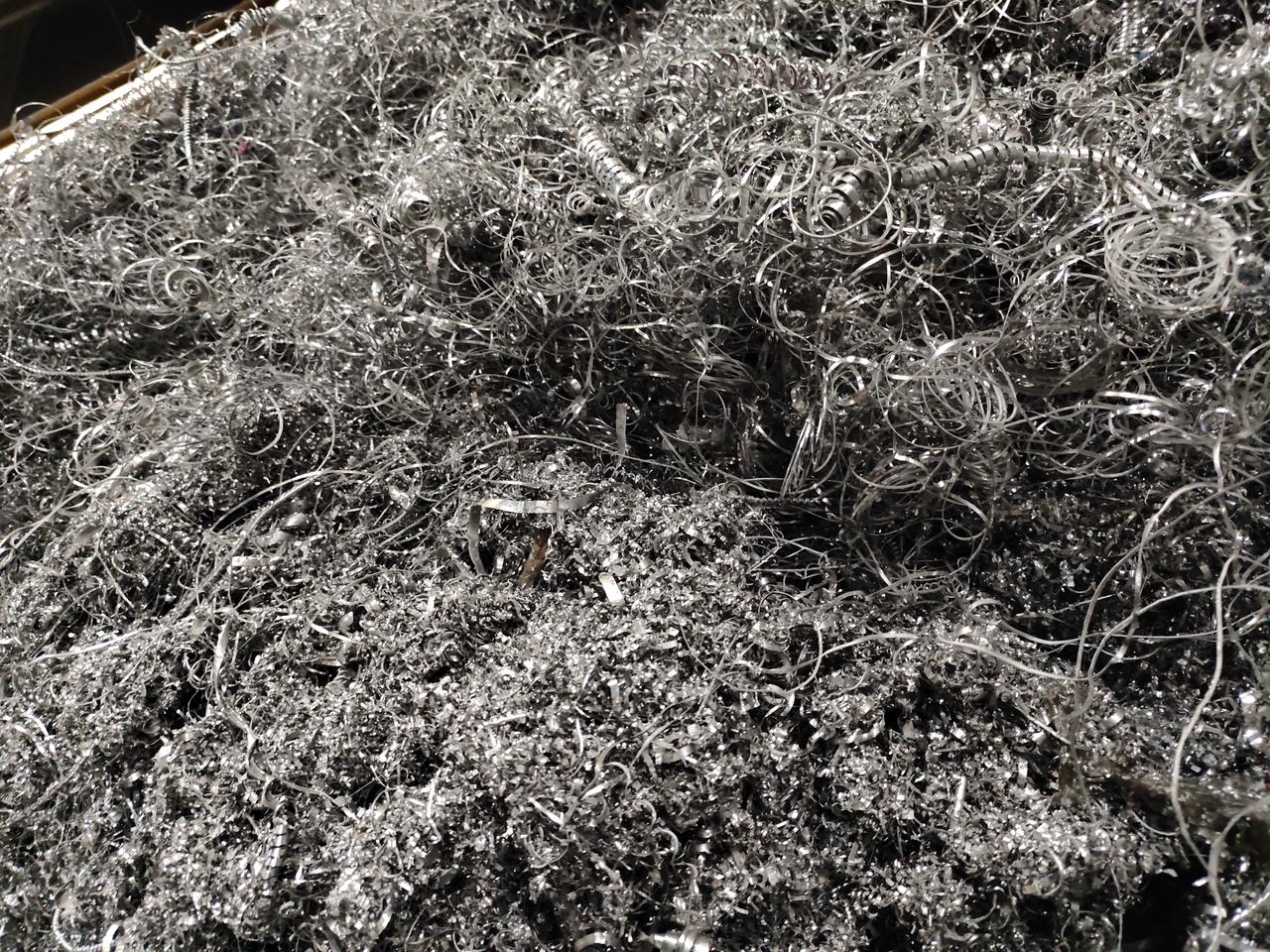
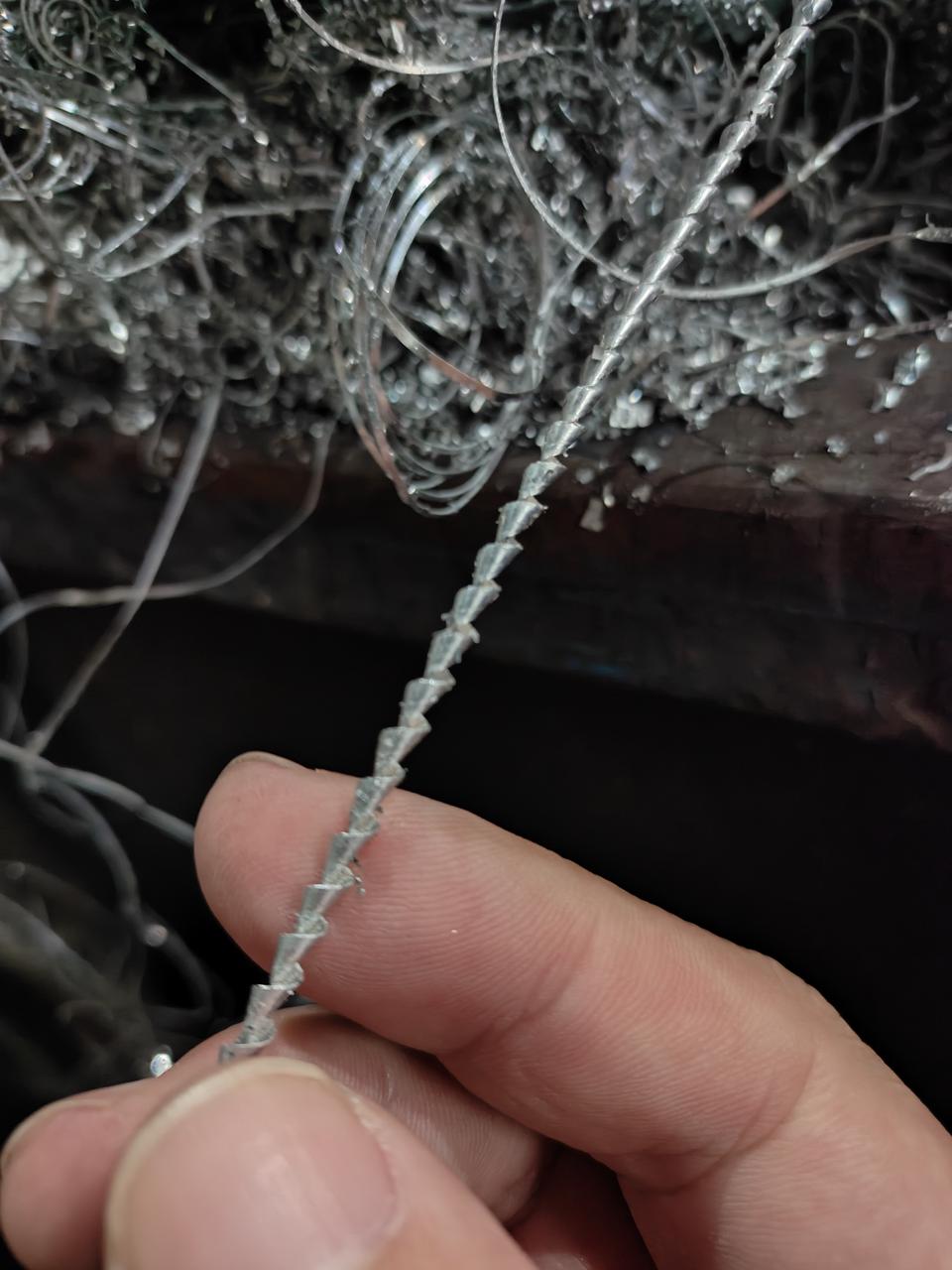
  1. Fine Turning Scrap
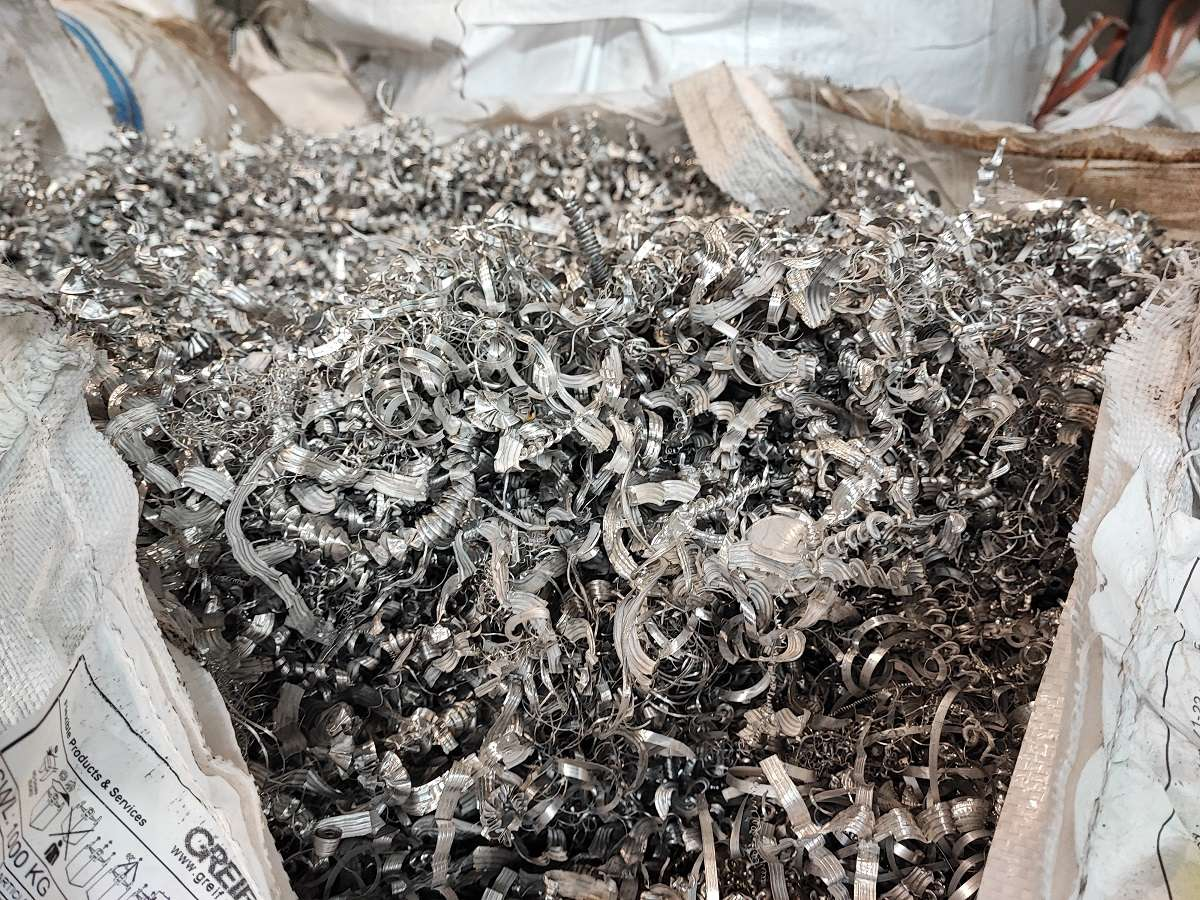
    Coming from the fine machining process of aluminum alloy, this type of scrap has almost no particles and is characterized by curly, thread-like, or hair-like shapes. It feels soft and gentle to the touch, without any scratching sensation, and is easy to bend. This type of fine turning scrap is often loose and lightweight, with a yield rate typically around 85%.
fine turning scrap
fine turning scrap
fine turning scrap
fine turning scrap
fine turning scrap
fine turning scrap
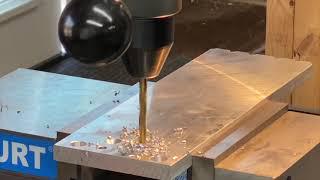
  1. Drilling Scrap
    Originating from the drilling process of aluminum alloy, this type of scrap has both fragmented particles and bar-like shapes, with the bar-like shapes having a regular, curly shape. It feels medium in texture, slightly scratching the skin, and is loose and lightweight. This type of drilling scrap often has a yield rate between 85% and 90%, with a higher yield rate corresponding to more bar-like shapes.
drilling scrap
drilling scrap
drilling scrap
drilling scrap
drilling scrap
drilling scrap
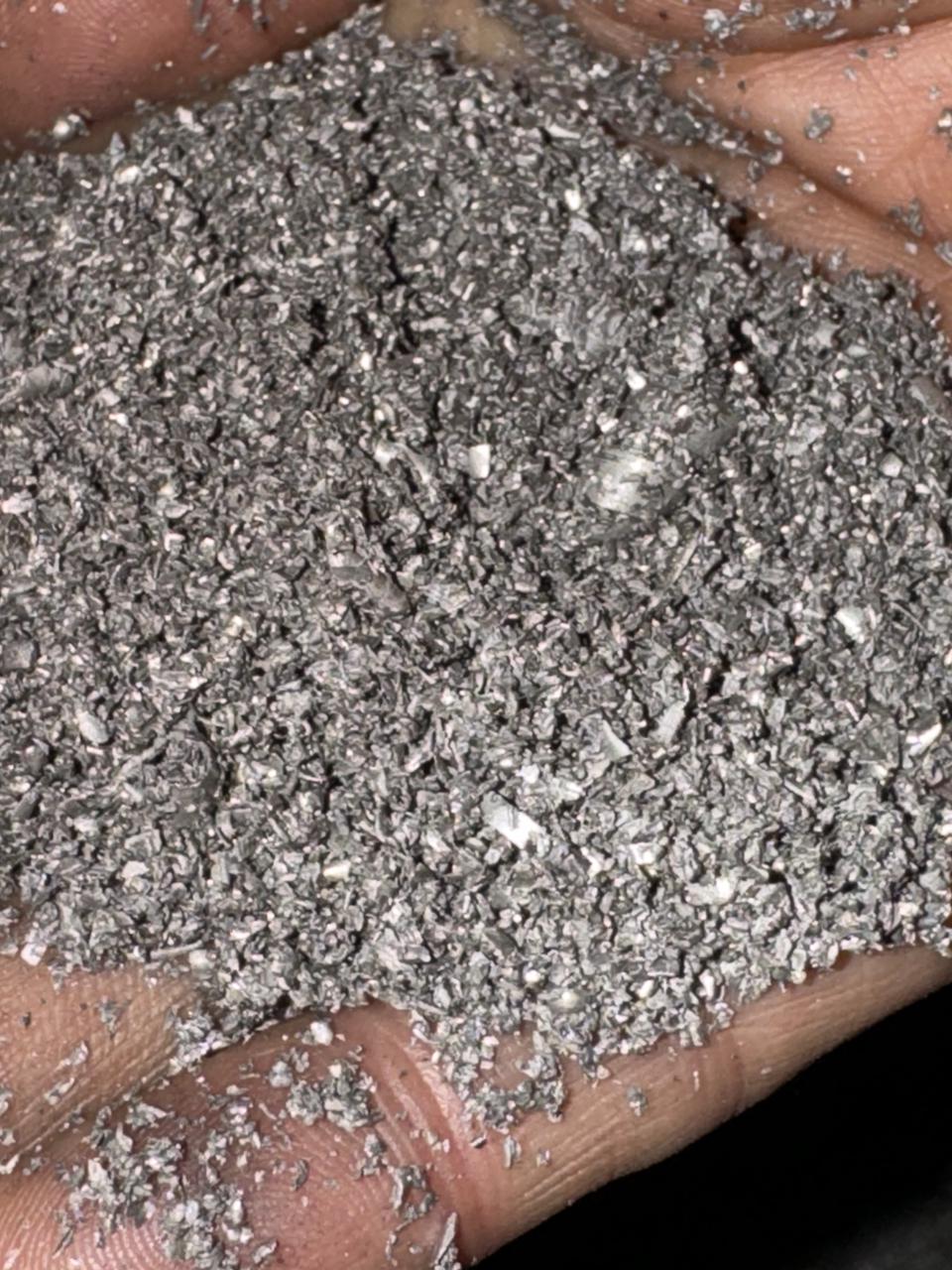
  1. Sawing/Cutting Scrap
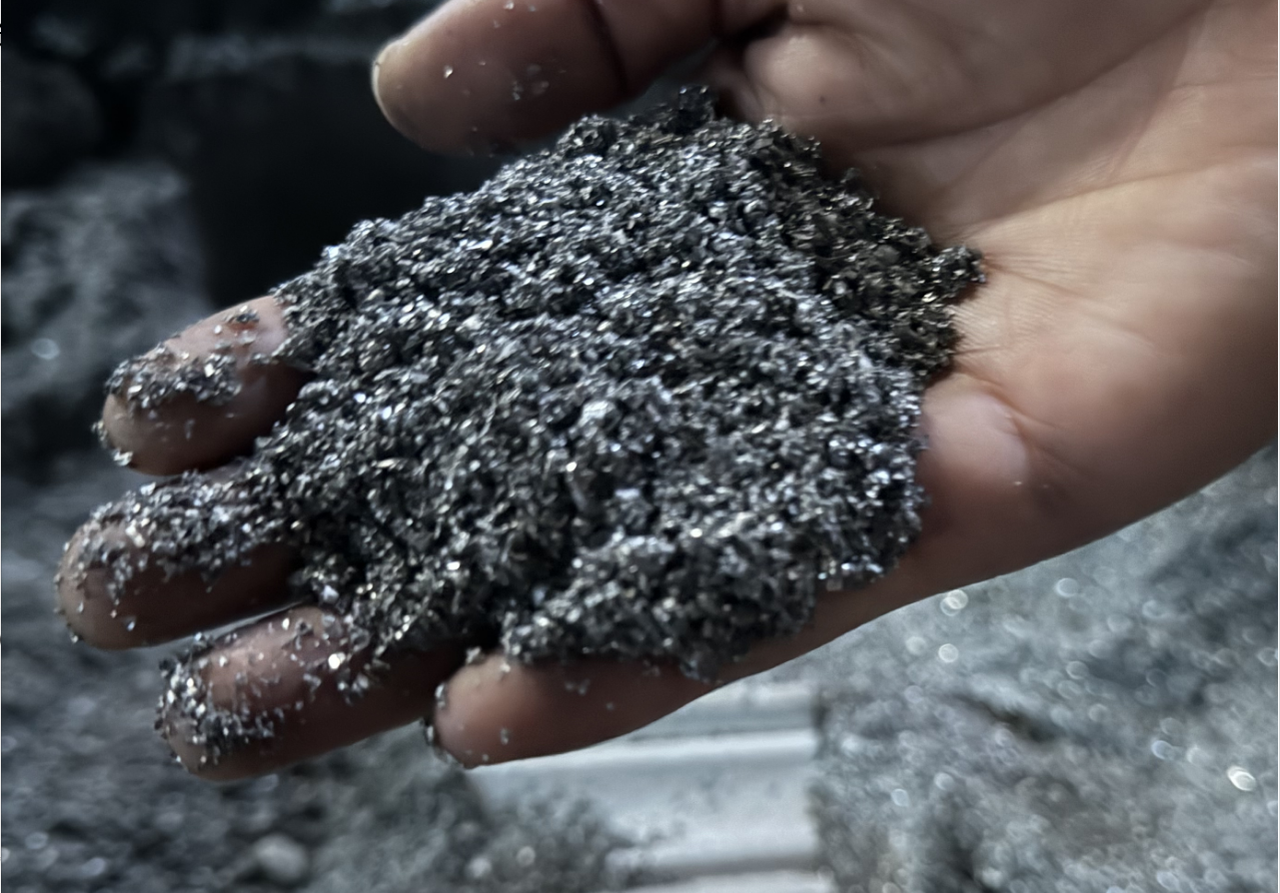
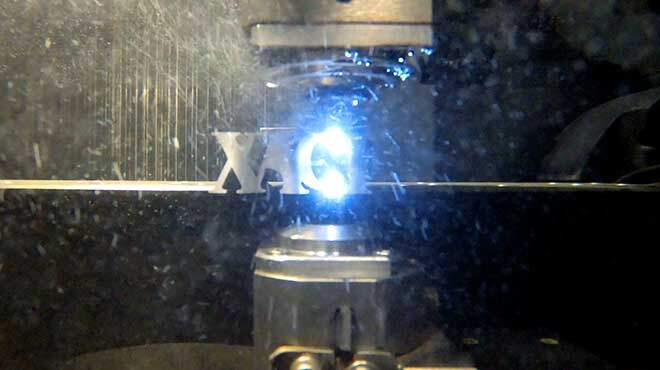
    This type of scrap comes from the sawing or cutting process of aluminum alloy, which does not strictly meet the ISRI standards for Telic. It is extremely fragmented, presenting as a powder or small fragments. The texture feels non-metallic, similar to waste paper, and is loose and lightweight. When held in one's hand, it leaves a large amount of fine powder attached to the skin, requiring hand cleaning. The yield rate of sawing/cutting scrap is often between 70% and 80%, which is difficult to judge from images alone and requires strict inspection. However, the yield rate of EDM (Electric Discharge Machining) scrap is even lower, ranging from 30% to 60%, posing significant risks.
sawing/cutting scrap

Value Points

  1. Evaluate the particle size and thickness from detailed images. Generally, larger and thicker aluminum scraps have a higher metal recovery rate and better quality.
  2. Observe the oil and moisture content. Sometimes, it is possible to see a large amount of oil and moisture on the surface of the aluminum scrap, indicating its quality.
  3. Observe the fragmentation on the ground. Less fragmentation indicates a denser material that is less prone to loss during transportation and processing.

Processing Methods

Generally, high-quality aluminum scrap does not require special processing or pre-treatment and can be directly used for melting. However, if the scrap contains excessive iron, oil, or flammable materials, it may need to undergo magnetic separation, oil removal, or other treatments. To minimize losses and maximize metal recovery rates during the melting process, a specialized side-blown furnace has been developed specifically for aluminum scrap. Instead of being directly inserted into the furnace, the aluminum scrap is submerged in high-temperature aluminum liquid (typically A356.2), significantly improving its metal recovery rate.

Detection Methods

  1. Manual Visual Inspection
  2. Spectroscopic Analysis
  3. Sampling and Laboratory Testing

Matching Direction

  • Preserving the Grade: Suitable for single-series aluminum scrap, which can be matched for producing single-series aluminum rods or used by aluminum alloy manufacturers for preserving the grade.
  • Downgrading: Mixed-series aluminum scrap can only be downgraded. It can be used to produce various series of recycled aluminum ingots/bars or low-end aluminum alloy products. It is also suitable for producing primary aluminum to increase the aluminum content.
  • Competitive Markets: Aluminum scrap cannot enter Chinese customs, so the best market prices are in other Asian markets like Thailand and Malaysia. Depending on the series, different regions have varying price advantages. For example, South Korea has a high demand for HG aluminum scrap and 7-series aluminum scrap, while other series are in higher demand in Malaysia and Thailand.

Special Attention

  1. Plastic Particles: Due to the use of plastic clamps or protective sleeves during aluminum processing, or the presence of plastic coatings on the aluminum, aluminum scrap often contains plastic particles. Excessive plastic particles can lead to smoke exceeding standards.
  2. Oil and Moisture: Due to the use of lubricating oils or cooling water during aluminum processing, aluminum scrap often contains oil and moisture. Although ISRI standards for Telic strictly prohibit oil and moisture, it is challenging to meet this standard in practice. Common aluminum scrap typically contains 3% to 8% oil and moisture, with some cases reaching as high as 30% to 40%. It is essential to specifically mark such materials.
  3. Iron and Other Metal Impurities: Telic standards strictly limit iron, stainless steel, and magnesium impurities to below 10%. However, in practice, it is common to encounter aluminum scrap with excessive iron or other metal impurities. While iron can be removed using magnetic separators, it is more challenging to handle stainless steel impurities. When dealing with suppliers, it is crucial to request accurate data on iron and impurity content and to demand guarantees.

Gallery

Mixed telic
Back to Parent Category