Scrap Wiki
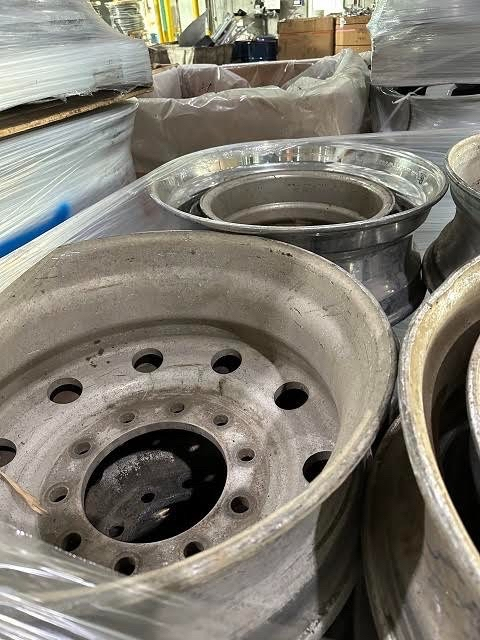
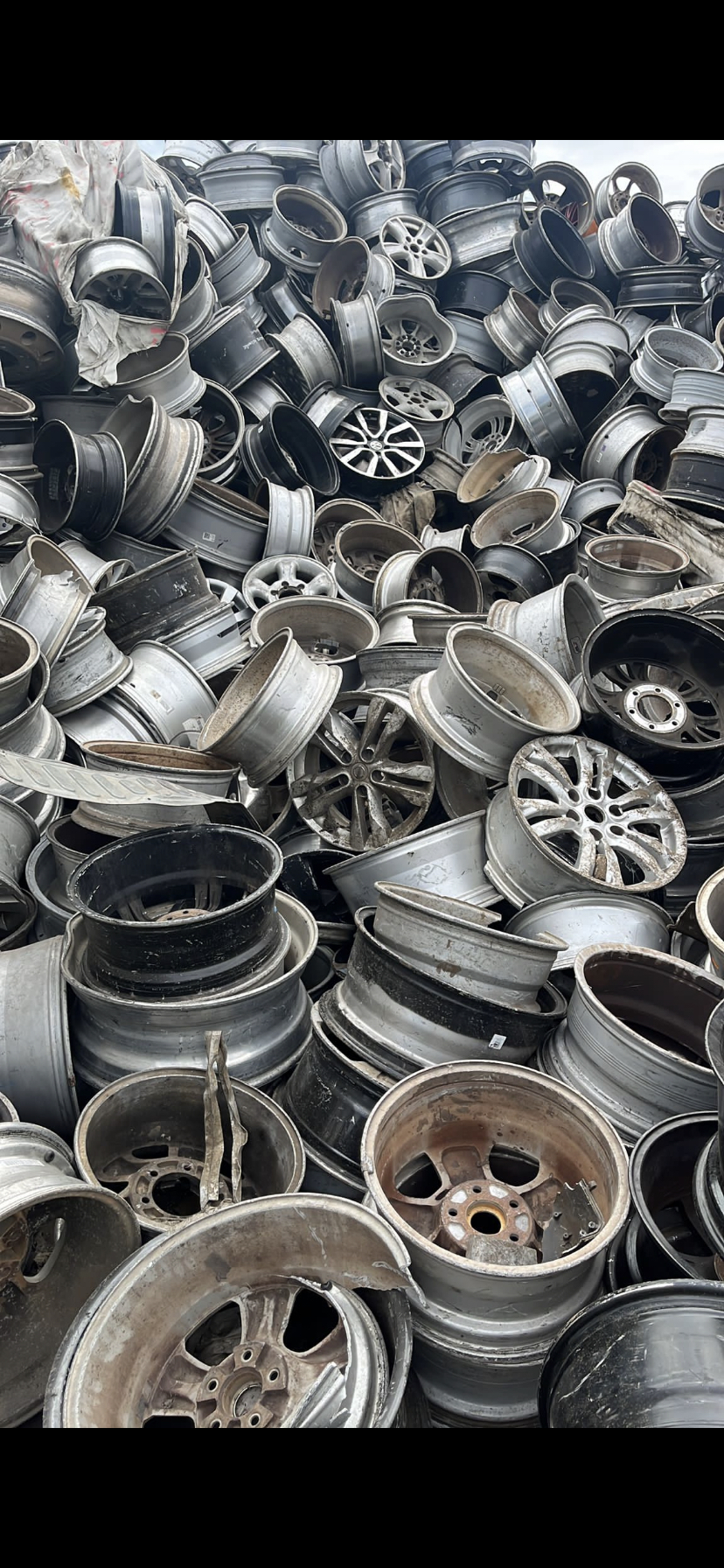
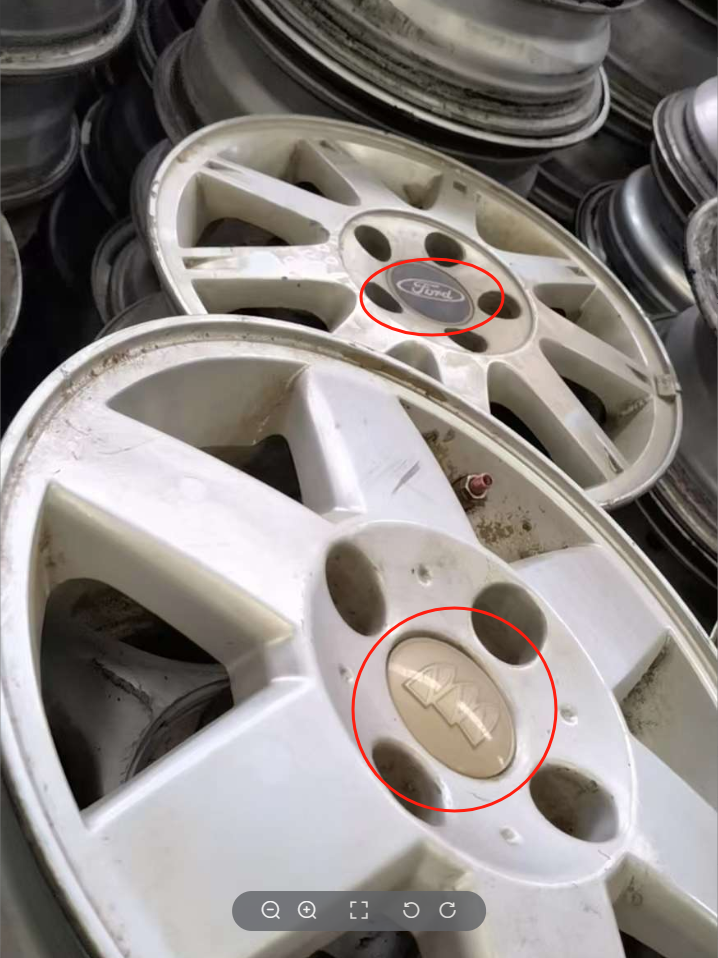
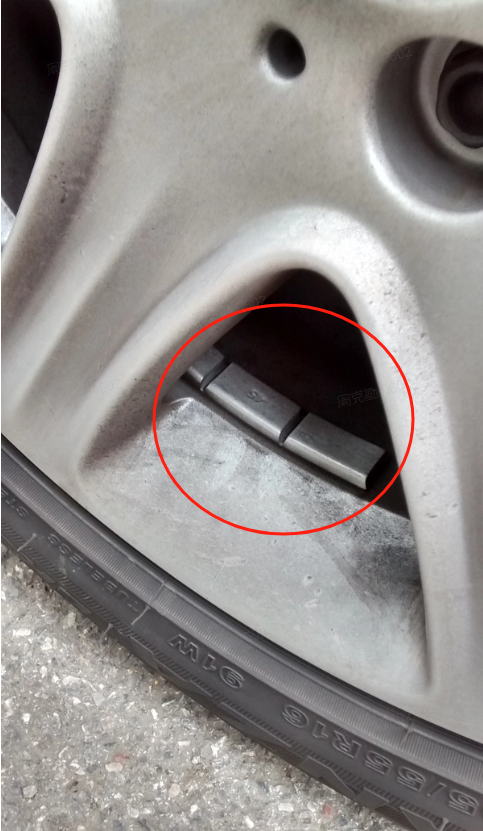
Common automotive wheels are typically made of steel, other alloys, or aluminum alloys, and are the most widely used type in the automotive industry.
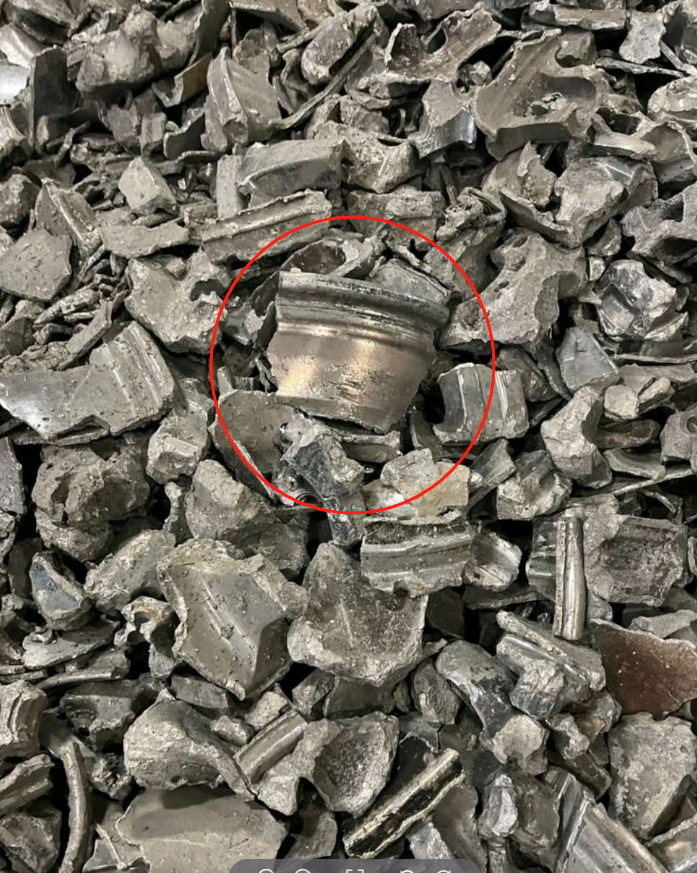
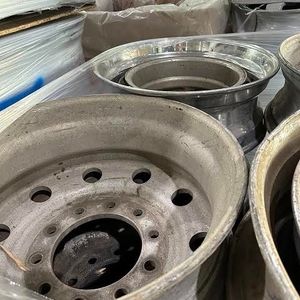
Automotive wheel waste is a relatively common and standardized waste, and the market's main automotive wheels are primarily made of A356.2 aluminum alloy by pressure casting. This alloy is favored for its strength, durability, and lightness. A356 aluminum alloy is mainly composed of aluminum (92.05% to 94.35%), but also contains silicon (6.5% to 7.5%) and other elements, such as iron, copper, magnesium, manganese, zinc, and titanium. The combination of these elements provides the ideal properties for manufacturing wheels. In addition, 6061, 7075, and 2024 aluminum alloys are also commonly used materials for forging aluminum wheels, mainly due to their good formability. They have lower heat treatment strength, but are easy to polish, making them suitable for producing colorful and smooth wheels. Compared to cast aluminum wheels, forged aluminum wheels have higher strength and are commonly used in large vehicle wheels and sports cars.

For high-performance sports cars, trucks, and other vehicles with extremely high strength requirements, forged automotive wheels are usually made of 7075 aluminum alloy, which is also a common material. This aluminum alloy has a higher density but is extremely strong, with excellent tensile and hardness properties. The use of this alloy material can guarantee higher safety and stability.