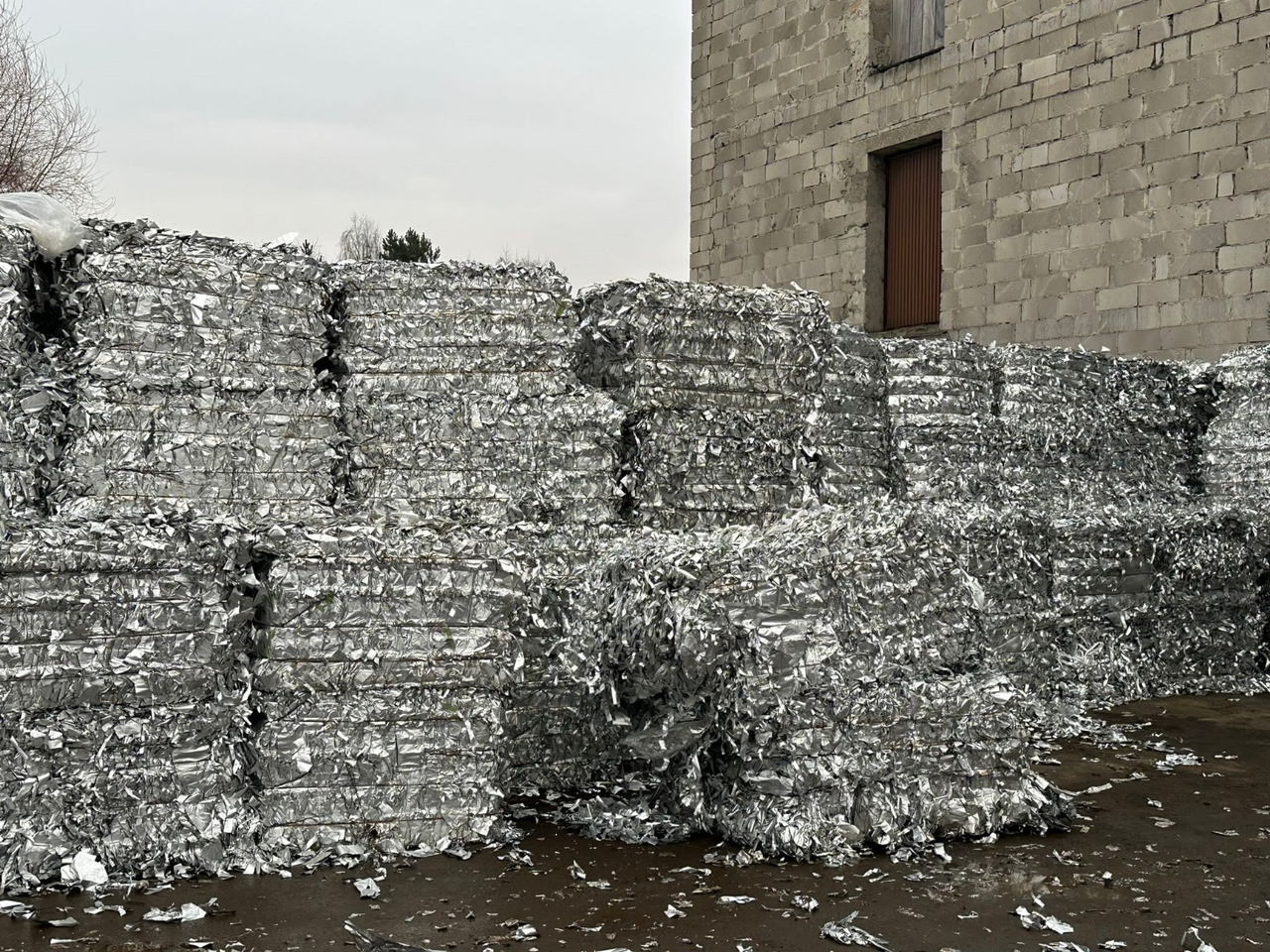
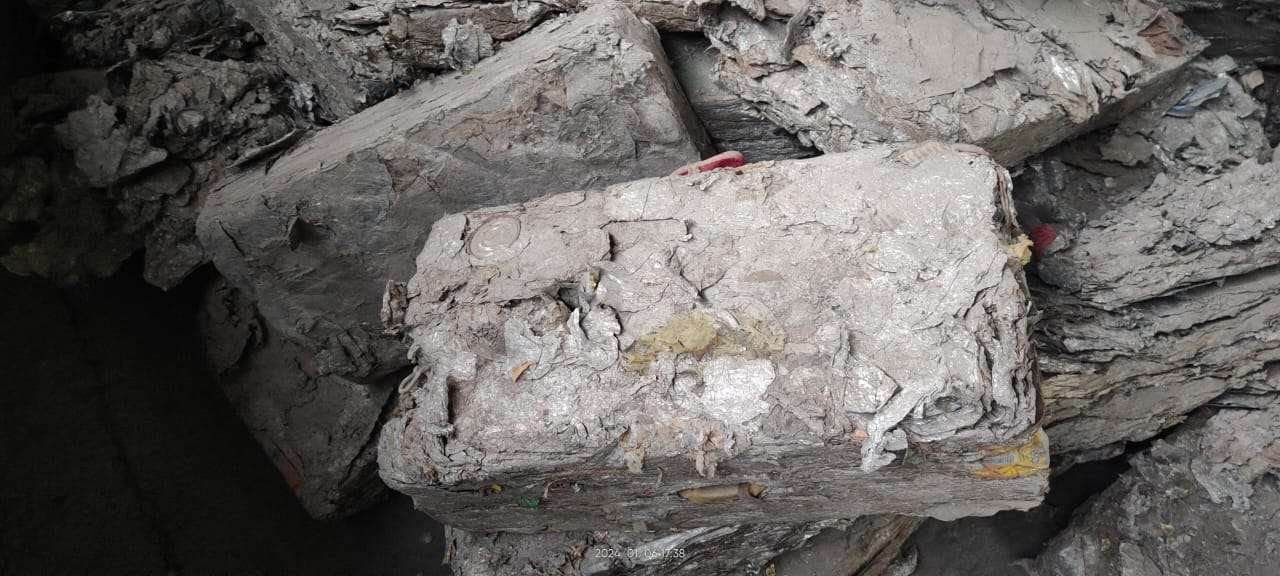
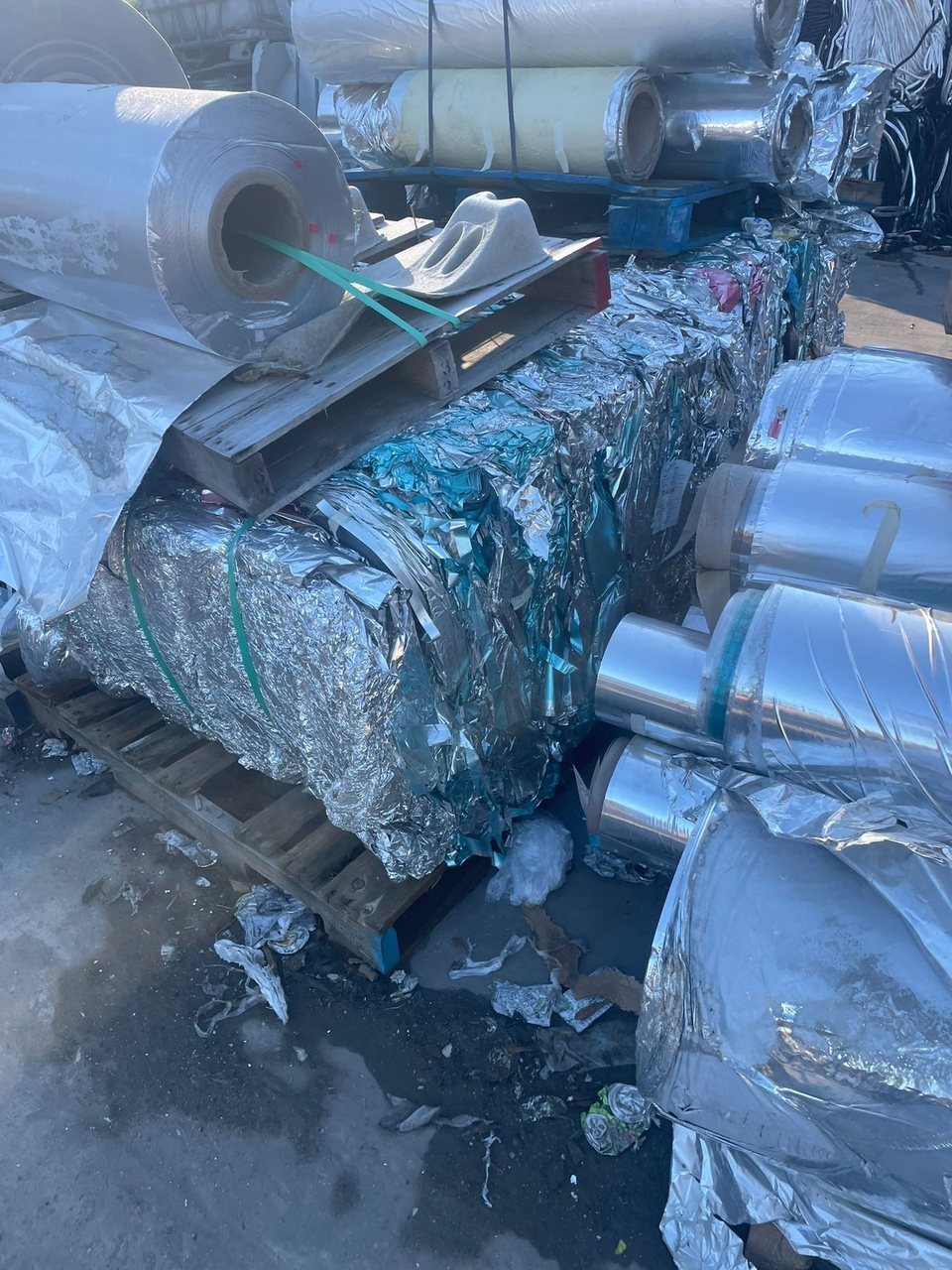
Aluminum foil w-plastic/painted

Scrap Wiki

Aluminum foil is a thin sheet primarily made from aluminum, typically produced by cold rolling aluminum ingots, which are then subject to multiple rolling processes to achieve thicknesses below 0.2 millimeters, or even as thin as a few microns. Due to its advantages such as lightweight, moisture resistance, good barrier properties, high thermal conductivity, non-toxicity, odorlessness, and excellent ductility, aluminum foil is widely used in food packaging, pharmaceutical packaging, cosmetic packaging, insulation materials, decorative materials, and electronics.
Scrap aluminum foil is waste generated during the production and use of aluminum foil. This waste can originate from trimmings, rejects in the production process, or aluminum foil packaging after consumer use. Given the high reuse value of aluminum foil, these scraps are often recycled.
The primary alloy materials used in aluminum foil are mainly 1-series and 8-series aluminum alloys.
1-series aluminum alloys (Pure aluminum series):
1-series aluminum alloys contain over 99% aluminum, offering good electrical conductivity, plasticity, and corrosion resistance. Common 1-series aluminum alloys include:
- 1100 alloy: Comprising over 99% aluminum, it is the most common pure aluminum alloy, with excellent corrosion resistance and weldability, but is relatively soft and has lower strength.
- 1050 alloy: Also a pure aluminum alloy, it has good electrical conductivity and reflectivity, widely used in food aluminum foil.
8-series aluminum alloys:
8-series aluminum alloys are aluminum alloys containing silicon and iron, which enhance the strength and other properties of aluminum. Commonly used aluminum foil alloys in the 8-series include:
- 8011 alloy: Containing approximately 98% aluminum, with small additions of silicon and iron, it is the primary material for aluminum foil production, offering good plasticity, corrosion resistance, and some strength. It is often used in food and pharmaceutical packaging.
- 8079 alloy: Contains less iron and silicon, primarily used for high-end aluminum foil products, such as pharmaceutical packaging and premium food packaging.
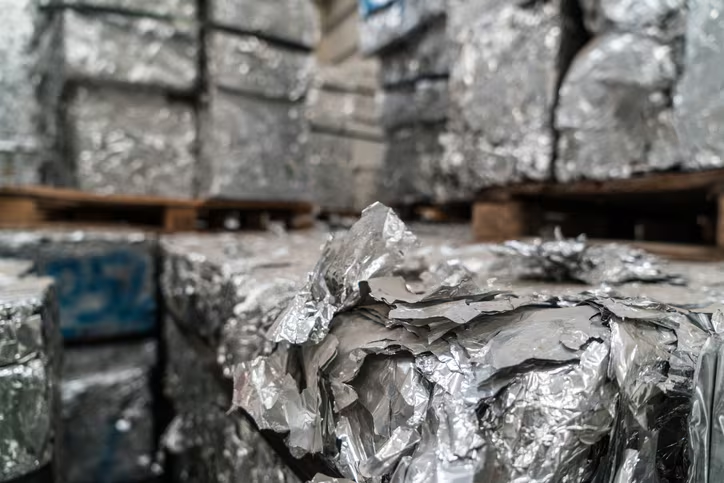
Common Scrap Aluminum Foil

The choice of material for aluminum foil depends on its intended application. For instance, for food packaging, the material needs to have good plasticity for ease of shaping and excellent corrosion resistance to ensure food safety. For the moisture-proof packaging of electronic products, higher barrier properties and strength may be required. Due to the extreme thinness of aluminum foil, typically below 0.2 millimeters and sometimes as thin as 0.006 millimeters, the uniformity and purity of the material are highly critical during production. Aluminum foil is usually produced through cold rolling, which requires aluminum alloy materials with good rolling properties.
In the ISRI nomenclature, aluminum foil has three names: Terse, which refers to new aluminum foil. This includes clean, new, pure, and uncoated 1000 and/or 3000 and/or 8000 series alloy aluminum foil, excluding anodized foil, radar foil, and foil strips, paper, plastic, or any other non-metallic items. Tesla, which refers to used aluminum foil including packed old household aluminum foil and uncoated 1000, 3000, and 8000 series aluminum alloy formed foil containers. It can be anodized and contain up to 5% organic residue. It must not contain radar foil, chemically etched foil, laminated foil, iron, paper, plastic, or other non-metallic pollutants. Tetra, new coated aluminum foil including new aluminum foil coated or laminated with ink, paint, paper, or plastic. It should be clean and dry, free of loose plastic, PVC, and other non-metallic items.
The recycling process of scrap aluminum foil involves collection, cleaning (removal of residual food or other substances), sorting, and smelting, ultimately remanufacturing the material back into aluminum products, completing the material's recycling cycle. Aluminum has a very high recycling efficiency, and the energy consumption during the recycling process is only a fraction of that required for primary aluminum production. Hence, recycling aluminum foil is significant for conserving energy and resources.
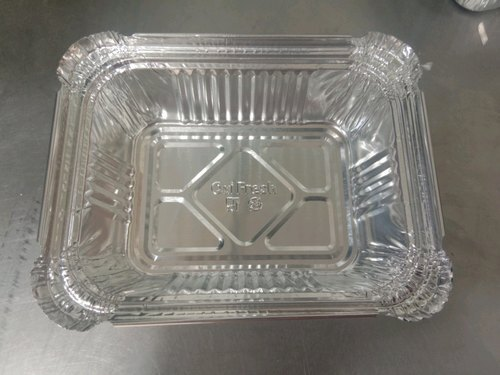
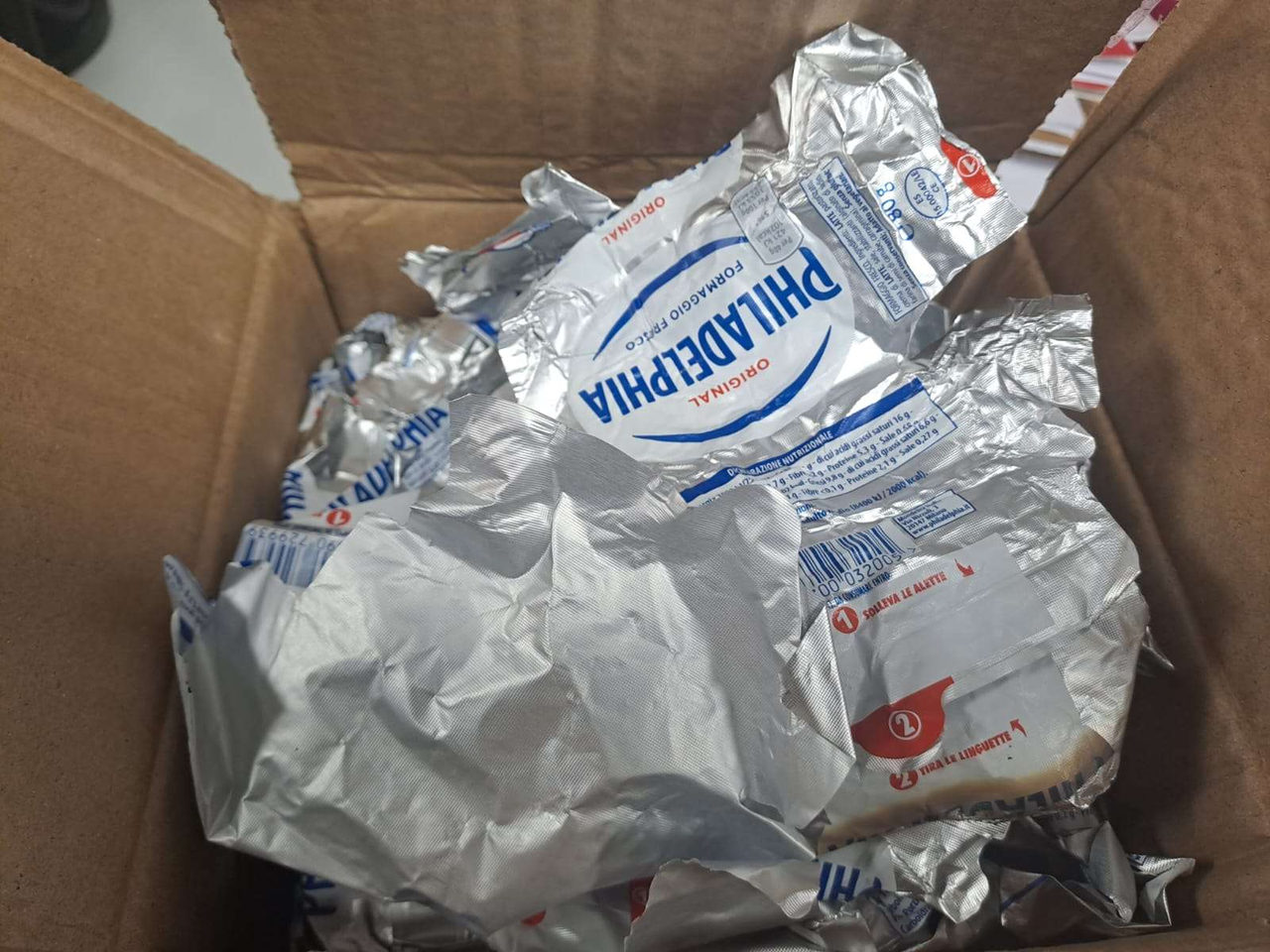
Commonly Used 8-series Aluminum Foil in the Food Industry

Common Classification

Common classification methods for scrap aluminum foil primarily depend on its source, composition, and potential contamination level. Here are several typical classification methods:
1. Classification by source:
- Industrial scrap aluminum foil: Trim, cutting waste, and rejects produced during aluminum foil manufacturing.
- Consumer scrap aluminum foil: Used aluminum foil packaging from consumers, such as food packaging, candy packaging, and cigarette liner packaging.
- Commercial scrap aluminum foil: Aluminum foil used in the catering industry and food processing, such as aluminum foil trays in restaurants.
- Pharmaceutical scrap aluminum foil: Aluminum foil used in pharmaceutical packaging, such as aluminum-plastic packaging for tablets.
- Electronic scrap aluminum foil: Shielding material in electronics.
- Building scrap aluminum foil: Aluminum foil used in building insulation and reflective materials.
2. Classification by purity and alloy type:
- Pure aluminum foil scrap: High-purity aluminum foil scrap, typically from food and pharmaceutical packaging.
- Alloy aluminum foil scrap: Scrap of aluminum alloy foil containing other metallic elements, possibly from specific industrial uses.
3. Classification by cleanliness:
- Clean aluminum foil scrap: Aluminum foil scrap with little or no oil stains, food residues, or other contaminants, which is easier to recycle.
- Contaminated aluminum foil scrap: Aluminum foil scrap with oil stains, adhesives, food residues, or other contaminants, requiring cleaning and preprocessing before recycling.
4. Classification by form:
- Sheet aluminum foil scrap: Larger sheets of aluminum foil, such as lids of containers or food packaging.
- Fragmented aluminum foil scrap: Broken or fragmented aluminum foil, typically generated from trimmings during the production process.
- Mixed aluminum foil scrap: A mixture of aluminum foil scrap in various forms and sources.
Proper classification of aluminum foil scrap is crucial for improving recycling efficiency and reducing recycling costs. Cleaner and purer aluminum foil scrap has a higher recycling value, while contaminated or mixed with other materials requires more processing steps for reuse. Thus, sorting of scrap assists recyclers.

Common Sources

Scrap aluminum foil primarily originates from several areas:
1. Residues from production: During the production of aluminum foil, some trimmings, scrap from cutting, and defective products are generated. These are categorized as aluminum foil waste from industrial production.
2. Wastes from packaging and containers: Aluminum foil is widely used in food packaging (such as chocolate wrappers, candy wrappers, yogurt lids, etc.), cooking applications (such as baking, grilling, and food storage), and disposable food containers (such as lunch boxes and plates). After consumer use, the corresponding aluminum foil packaging or containers become waste.
3. Pharmaceutical packaging: Aluminum foil is also common in pharmaceutical packaging, used to encase tablets, pills, etc. These packages become aluminum foil waste once used.
4. Shielding material in electronics: In electronics, aluminum foil is sometimes used as a shielding material to protect electronic components from electromagnetic interference. Aluminum foil extracted from discarded electronics is another source of aluminum foil waste.
5. Building and insulation materials: Aluminum foil, due to its excellent reflective properties and thermal insulation, is used as a building insulation material, such as in roof insulation layers. When buildings are demolished or renovated, used aluminum foil materials may become waste.
6. Industrial applications: Aluminum foil is also frequently used in various industrial applications, such as car radiators, air conditioner heat exchangers, etc. The production, repair, or disposal of these devices also generates aluminum foil waste.

Value Points

To sell scrap aluminum foil for a higher price, consider the following:
1. Sorting and separation: Try to separate aluminum foil from other metallic or non-metallic impurities (such as plastics, paper, food residues, etc.). Purer scrap aluminum foil is more valuable.
2. Cleaning the scrap: Wash scrap aluminum foil to remove oil, adhesives, and other contaminants. Cleaned scrap can enhance recycling efficiency and thus has greater value.
3. Categorization: Sort aluminum foil by different aluminum alloy series, or according to different specifications, with or without paper/coating, etc. Aluminum foil scrap of the same category usually sells better than mixed scrap.
4. Volume reduction: Use a compactor to compress aluminum foil into blocks. This can save transportation costs, as denser scrap occupies less space, reduces oxidation, facilitates feeding, and increases yield, thereby enhancing the value of scrap aluminum foil.

Aluminum Foil with Waste Paper

Processing Methods

The processing and melting of aluminum foil scrap are critical stages in aluminum recycling, aiming to maximize metal recovery. Before melting, aluminum foil scrap should be thoroughly cleaned and dried to remove organic impurities such as oils and food residues, as well as tapes, labels, and other non-metallic impurities. It is also necessary to sort out those with a larger amount of attachments, such as plastic films and papers. Secondly, appropriate processing of aluminum foil scrap is required, dividing large pieces of aluminum foil scrap into smaller fragments for more uniform heating or compressing aluminum foil into blocks for feeding into the furnace, reducing its surface area to minimize oxidation loss and increase metal recovery.

Aluminum Foil Formed into Blocks Not Only Facilitates Transportation but Also Enables Furnace Feeding

Aluminum foil, due to its thinness, has very specific processing procedures when used in furnaces. Different melting furnaces and processes can greatly impact the recovery rate of the same aluminum foil scrap. Factories that specialize in handling large amounts of aluminum foil scrap often possess special melting equipment and techniques.
1. Selection of the melting furnace:
Use a melting furnace suitable for the characteristics of aluminum foil, such as an induction furnace or reverberatory furnace, maintaining an appropriate temperature within the furnace to avoid excessive oxidation and loss of aluminum. A reverberatory furnace, in particular, is better suited for aluminum foil scrap as it does not directly immerse the scrap in furnace fire but instead submerges it in molten aluminum, significantly enhancing metal recovery.
2. Addition of cover and flux:
During melting, add cover agents (such as slag) to cover the surface of aluminum foil scrap, preventing aluminum from contacting the air and reducing oxidation. Add flux to lower the melting point, reduce energy consumption, and help separate metal and non-metallic impurities, improving metal recovery.
3. Atmosphere control:
Maintain an inert or reducing atmosphere within the furnace to reduce oxidation losses. When necessary, perform gas refining, such as argon or nitrogen flushing, to assist in removing impurities.

Detection Methods

  1. Spectral analysis
  2. Separation and weighing
  3. Crucible test

Matching Direction

The processing and production of aluminum foil scrap have their particularities, requiring special furnaces and handling processes. Therefore, scrap aluminum foil is often specifically recovered and purchased by specialized processing and production companies. Not all aluminum plants are suitable for using aluminum foil scrap, nor do all aluminum plants use it.
In terms of material, scrap aluminum foil is generally dominated by 8-series aluminum alloys, making it suitable for factories producing 8-series aluminum ingots.

Special Attention

In the trading process of scrap aluminum foil, the following characteristics of goods are particularly focused on:
1. Thickness of the material
The thickness of aluminum foil significantly affects the metal recovery rate. Clear cross-section photos in the offer should help buyers determine its thickness.
2. Newness of the material
Unused scrap aluminum foil often has low oxidation, fewer contaminants, and fewer food residues or attached packaging paper, resulting in a significantly higher metal recovery rate compared to used scrap aluminum foil.

Severely Oxidized, Very Poor Quality
Almost New Scrap Aluminum Foil, Very Good Quality
  1. Composition, content, and ease of separation of attached materials
    Some aluminum foil has a significant amount of paper, films, and other attached materials. The content should be clearly specified. The supplier should attempt to separate these attached materials and inform the buyer whether they are easily separable.
Aluminum Foil with a Large Amount of Paper, First, Determine the Percentage of Paper Content. Secondly, Clearly Establish Whether the Paper and Aluminum Foil are Easily Separated.

Gallery

Aluminum foil w-plastic/painted
Back to Parent Category