Scrap Wiki
Aluminum foil is a thin sheet primarily made from aluminum, usually produced by cold rolling aluminum ingots, which are then subjected to multiple rolling processes to achieve a thickness of less than 0.2 millimeters, and can even be as thin as a few microns. Due to its lightweight nature, moisture resistance, good barrier properties, high thermal conductivity, non-toxicity, odorlessness, and excellent ductility, aluminum foil is widely used in food packaging, pharmaceutical packaging, cosmetics packaging, insulation materials, decorative materials, and electronic products.
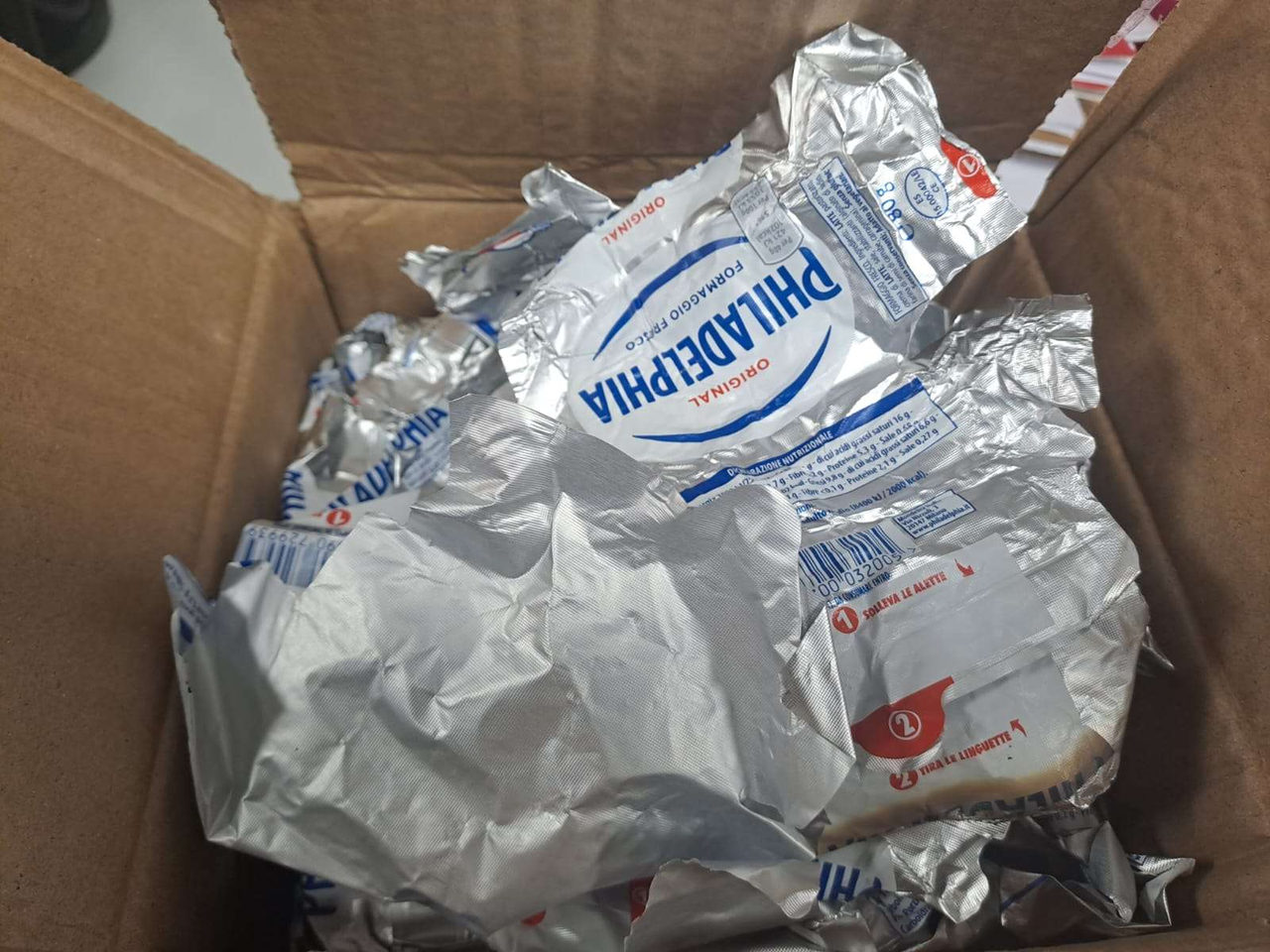
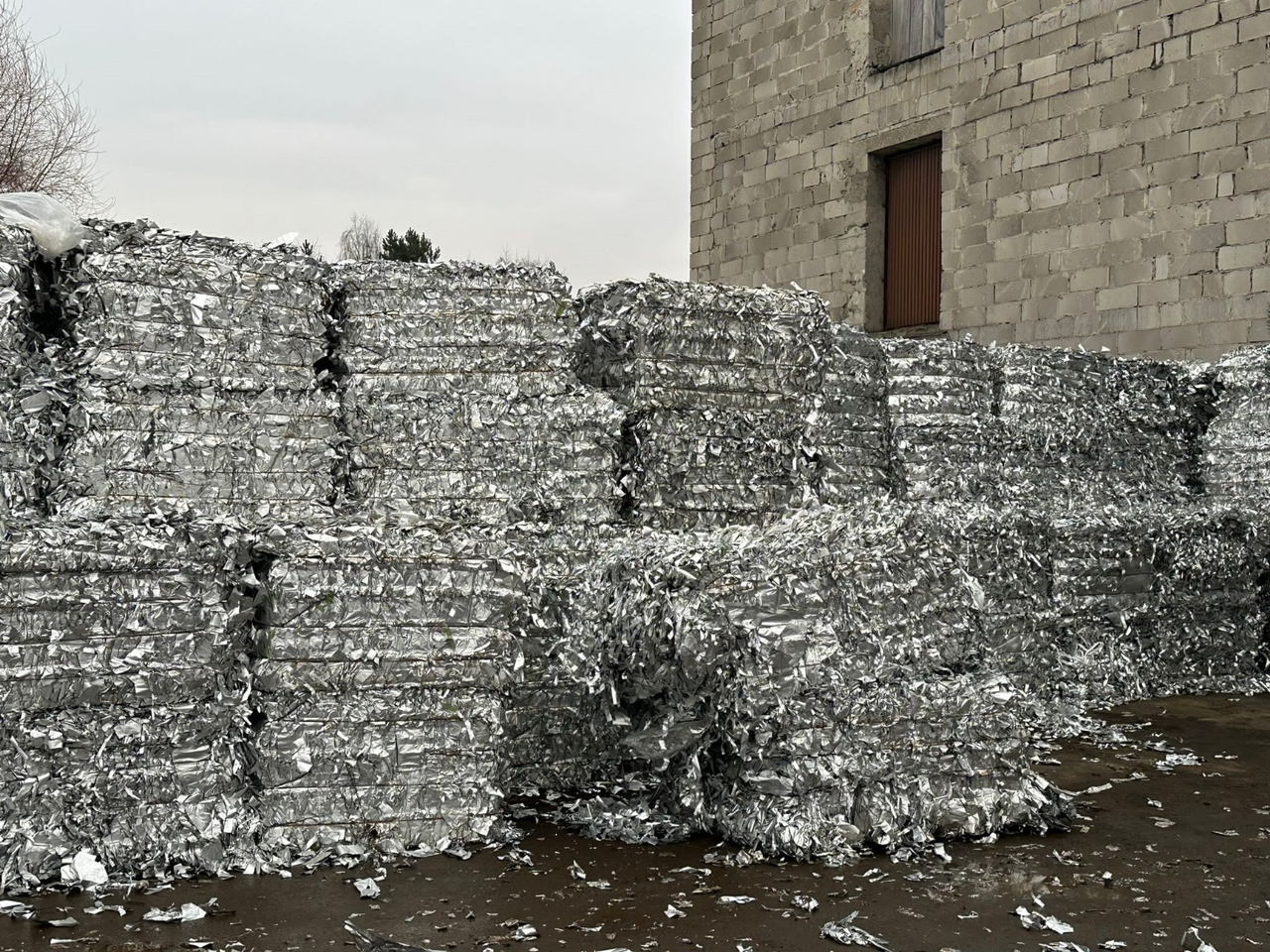
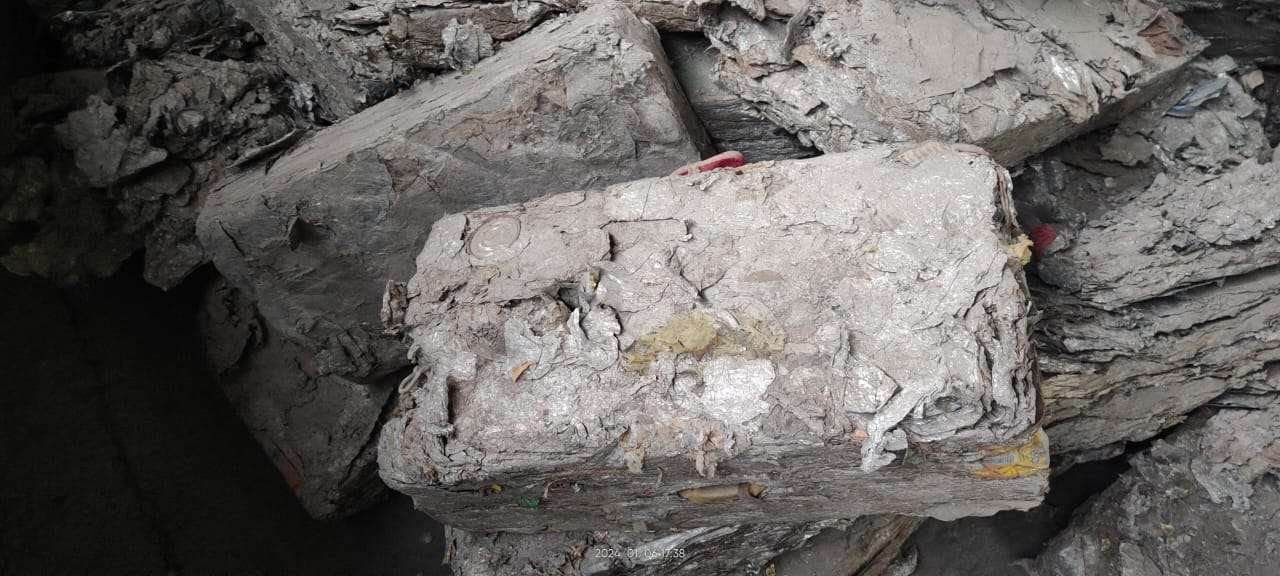
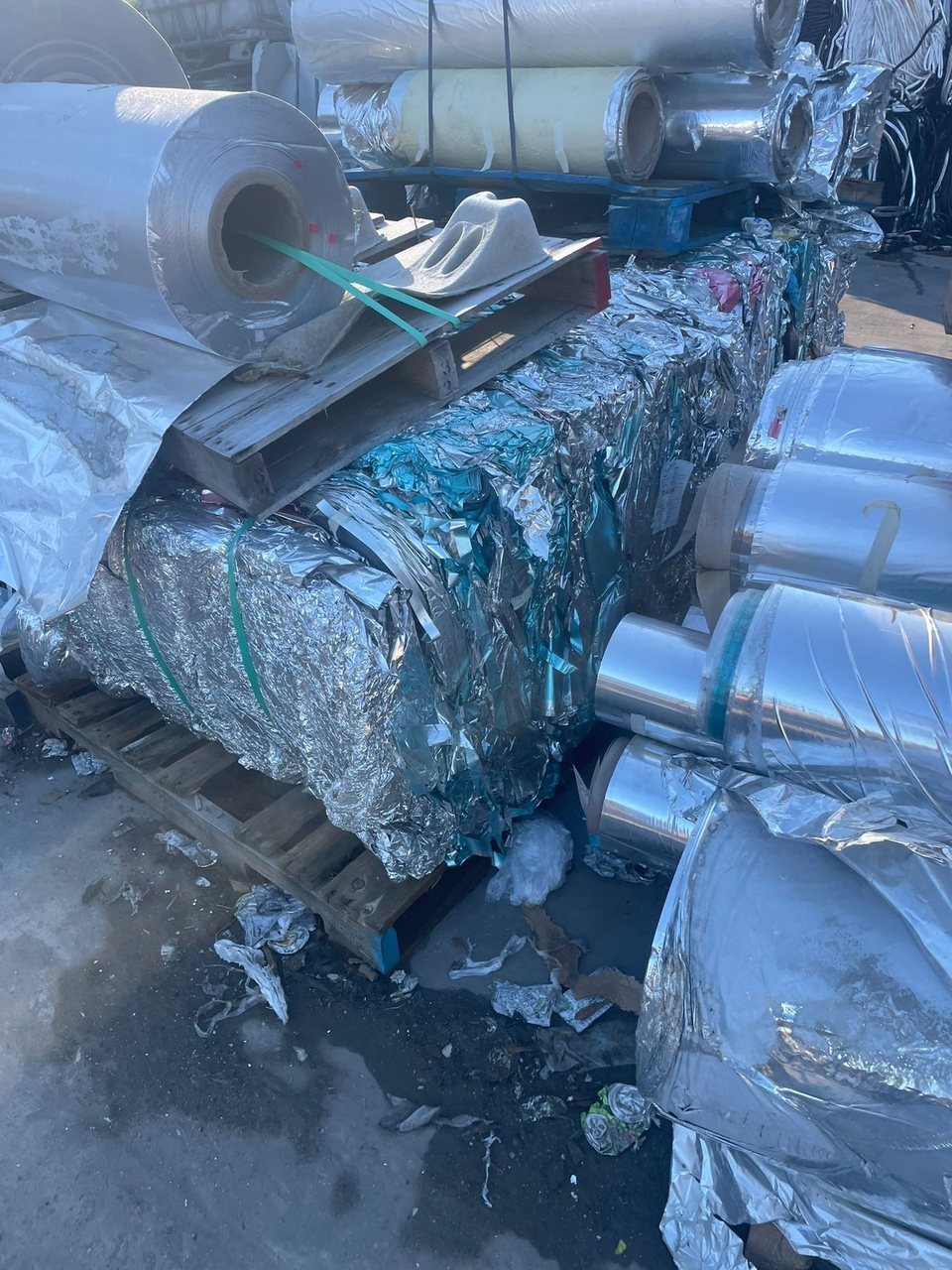
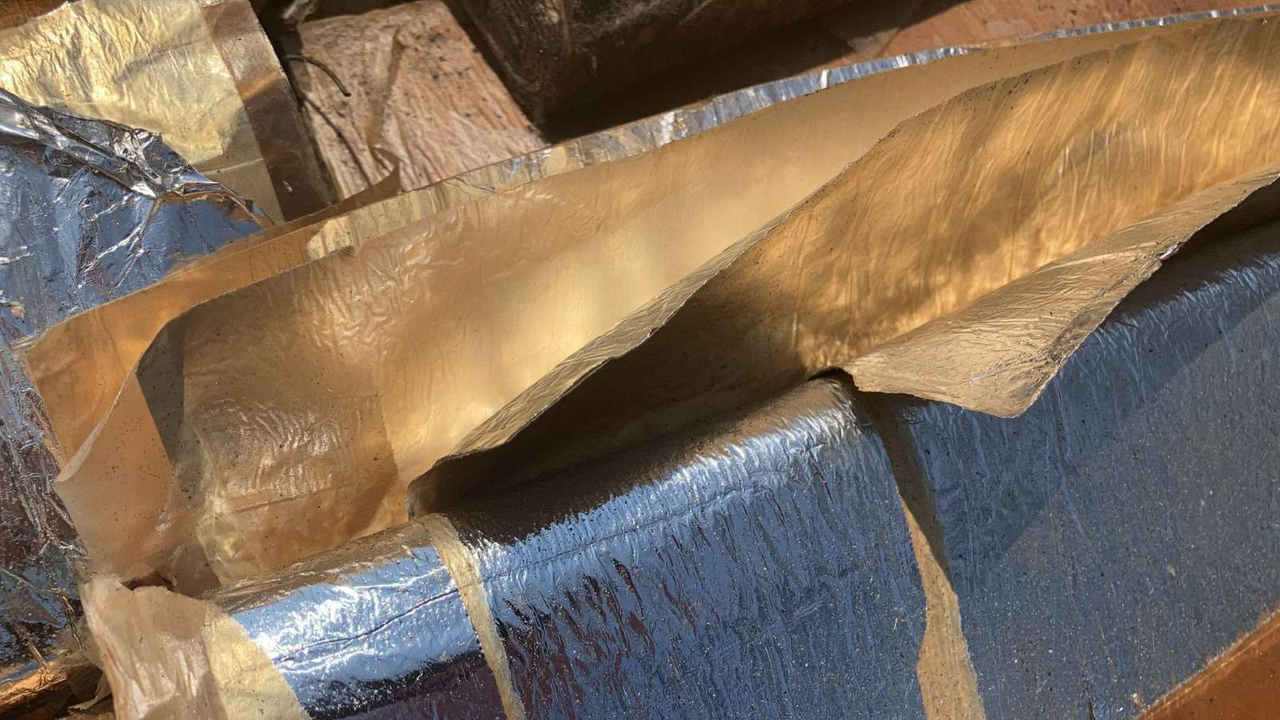
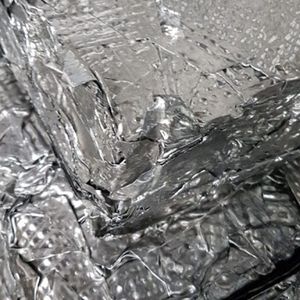
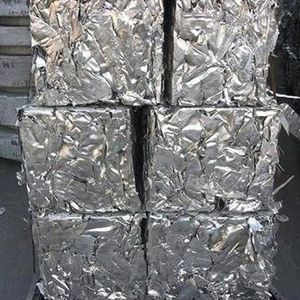
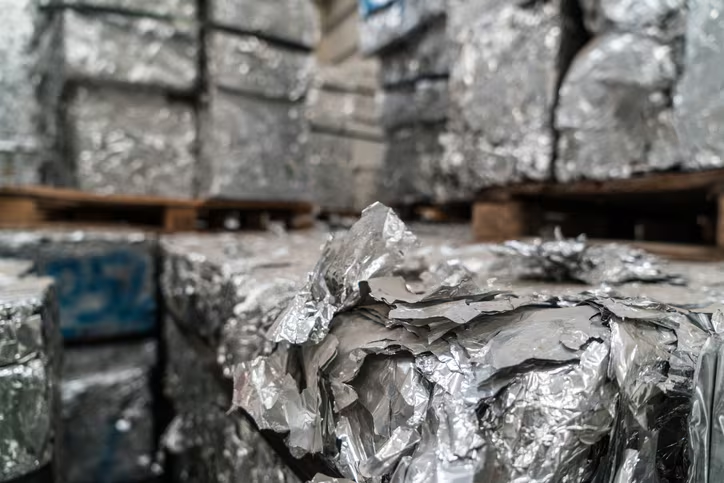
Scrap aluminum foil is waste generated during the production and use of aluminum foil. This waste may originate from trimmings, defective products during the production of aluminum foil, or aluminum foil packaging discarded by consumers. Given the high recycling value of aluminum foil, this waste is typically collected and recycled.
Aluminum alloys commonly used in the production of aluminum foil are primarily 1-series and 8-series aluminum alloys.
1-series aluminum alloys (pure aluminum series)
1-series aluminum alloys have an aluminum content exceeding 99%, and are known for their good electrical conductivity, plasticity, and corrosion resistance. Common 1-series aluminum alloys include:
- 1100 alloy: This contains more than 99% aluminum and is the most common pure aluminum alloy, with excellent corrosion resistance and weldability, but relatively softer and lower in strength.
- 1050 alloy: Also a pure aluminum alloy, it has good electrical conductivity and reflectivity, commonly used in food-grade aluminum foil.
8-series aluminum alloys
8-series aluminum alloys are aluminum alloys containing silicon and iron, which enhance the strength and other properties of aluminum. Common aluminum foil alloys in the 8-series include:
- 8011 alloy: It has about 98% aluminum content, with small amounts of silicon and iron added, making it the primary material for aluminum foil production. It has good plasticity, corrosion resistance, and moderate strength, often used in food packaging and pharmaceutical packaging.
- 8079 alloy: It contains less iron and silicon, primarily used for manufacturing high-grade aluminum foil products, such as pharmaceutical packaging and premium food packaging.
The selection of aluminum foil material depends on its intended use. For food packaging, the material needs to have good plasticity for easy processing and forming, as well as excellent corrosion resistance to ensure food safety. For moisture-proof packaging of electronic products, higher barrier properties and strength may be required. Given the foil’s extreme thinness, typically under 0.2 millimeters and possibly as thin as 0.006 millimeters, the production process demands extremely high uniformity and purity of the material. Aluminum foil production is typically completed through cold rolling, which requires aluminum alloy materials to have good rolling performance.
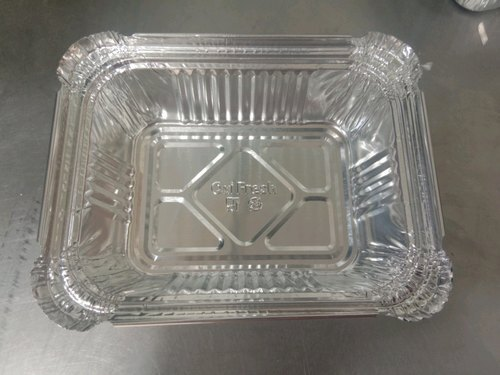
In the ISRI naming system, aluminum foil has three names: Terse, which refers to new aluminum foil. It includes clean, new, pure, uncoated 1000 and/or 3000 and/or 8000 series alloy aluminum foil,不含anodized foil, radar foil, and foil strips, paper, plastic, or any other non-metal items. Tesla, which refers to used aluminum foil, including used household aluminum foil and uncoated 1000, 3000, and 8000 series alloy aluminum formed containers. It may be anodized and contain up to 5% organic residues. It must not contain radar foil, chemically etched foil, laminated foil, iron, paper, plastic, or other non-metal contaminants. Tetra, new coated aluminum foil, contains new aluminum foil coated or laminated with ink, paint, paper, or plastic. It should be clean and dry, without loose plastic, PVC, and other non-metal items.
The process of recycling scrap aluminum foil includes collection, cleaning (removing residual food or other substances), sorting, and melting, ultimately transforming it back into aluminum products, thus completing the material cycle. The recycling efficiency of aluminum is very high, and the energy consumption in the recycling process is only a fraction of that required for the production of primary aluminum. Therefore, the recycling of aluminum foil is significant for the conservation of energy and resources.