Burnt aluminum

Scrap Wiki

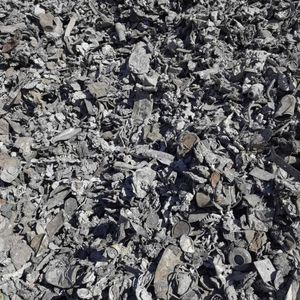
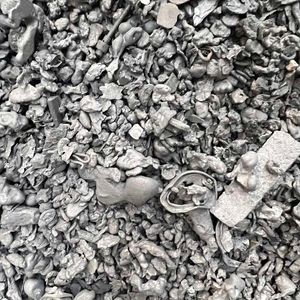
Incinerated aluminum scrap, also known as burned aluminum scrap, typically refers to aluminum materials that have undergone high temperatures, often due to industrial processes involving heat treatment. During the incineration process, aluminum structures, components, or products may partially or completely melt into lumps due to aluminum's relatively low melting point (approximately 660.3°C or 1220.5°F), causing the aluminum material to lose its original shape and structural integrity, thus becoming scrap.
Despite being damaged or deformed, this type of aluminum scrap retains its recycling value because aluminum can be recycled indefinitely without losing its properties. Moreover, after incineration, non-metallic contaminants attached to the aluminum are burned off, leaving burned aluminum scrap almost free of non-metallic impurities.
In the handling of aluminum scrap, recycling is typically preferred over incineration. The recycling process includes collecting, sorting, cleaning, and melting aluminum scrap, transforming it into new aluminum material for re-entry into production use. Incinerated aluminum scrap is usually reserved for unavoidable situations or as a last resort in the treatment process.
Common Classification

Common classification methods for burned aluminum include:
1. By Size
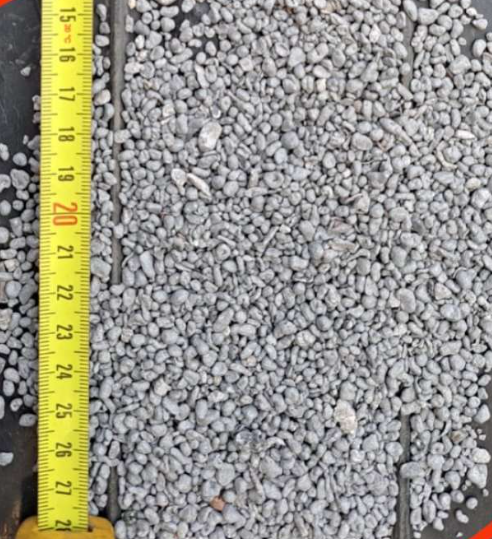
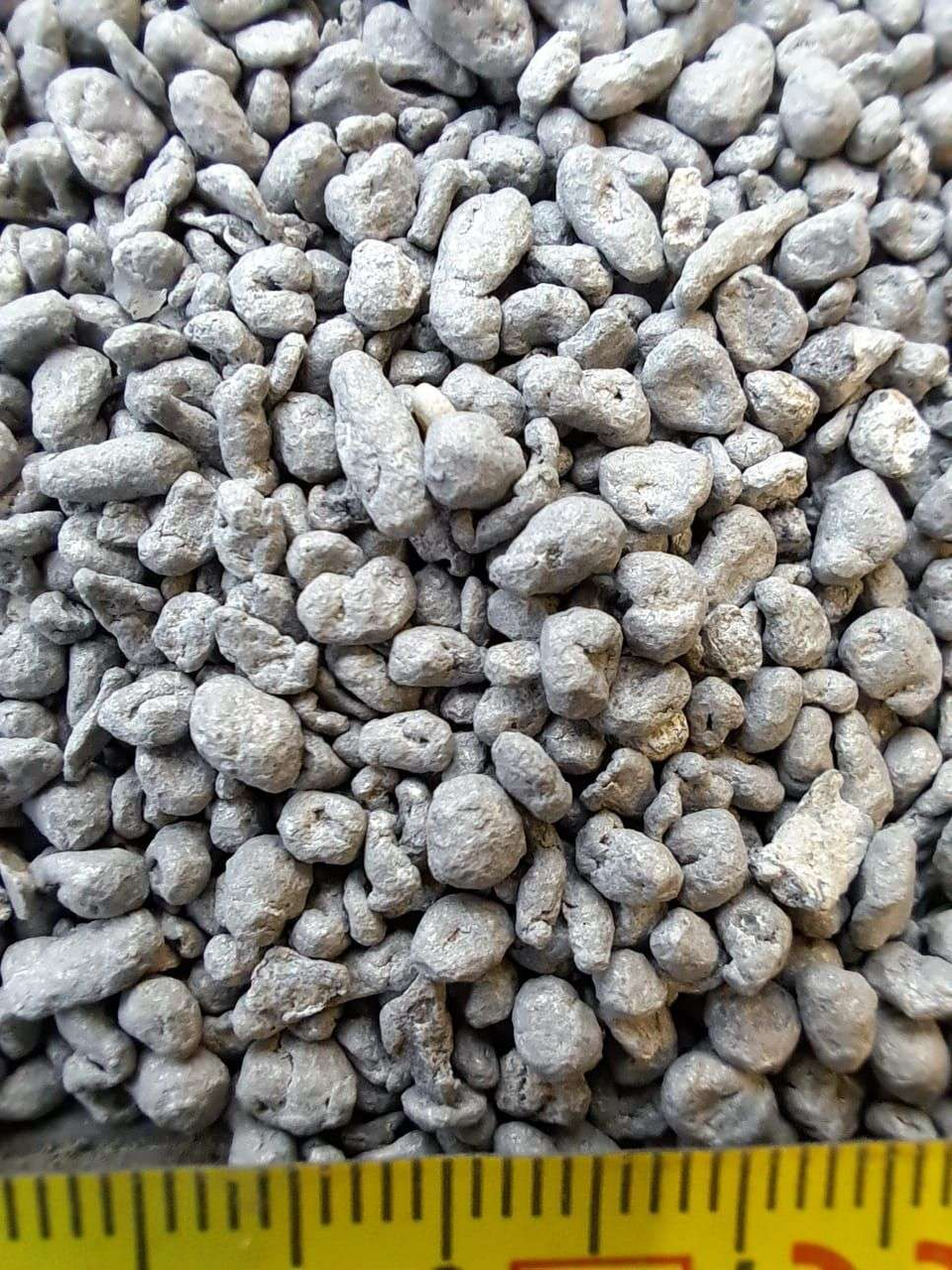
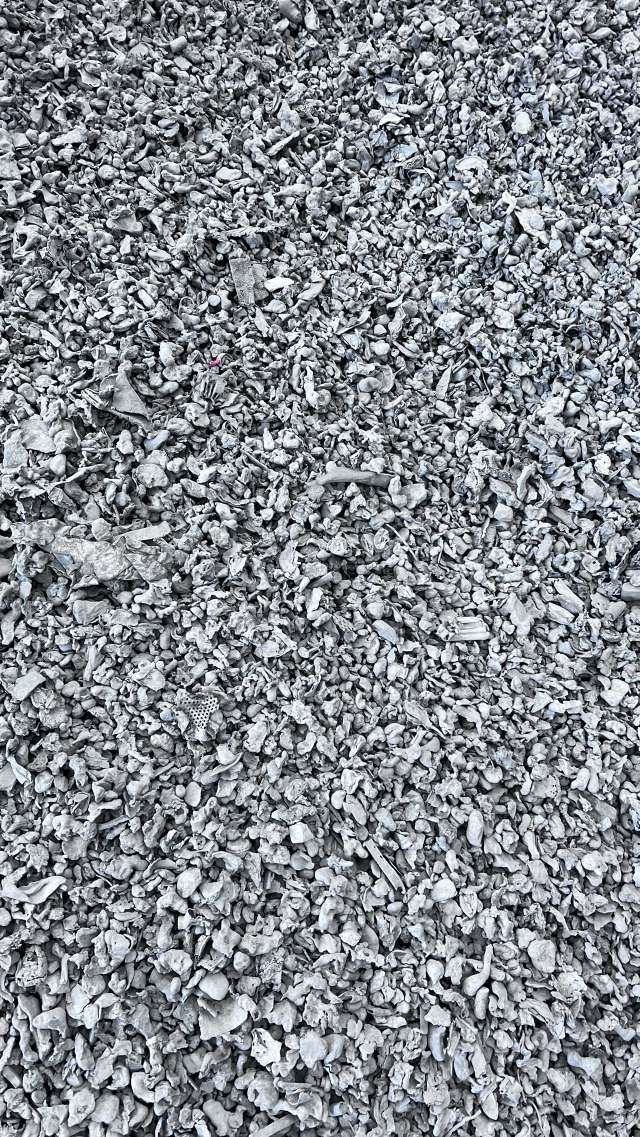
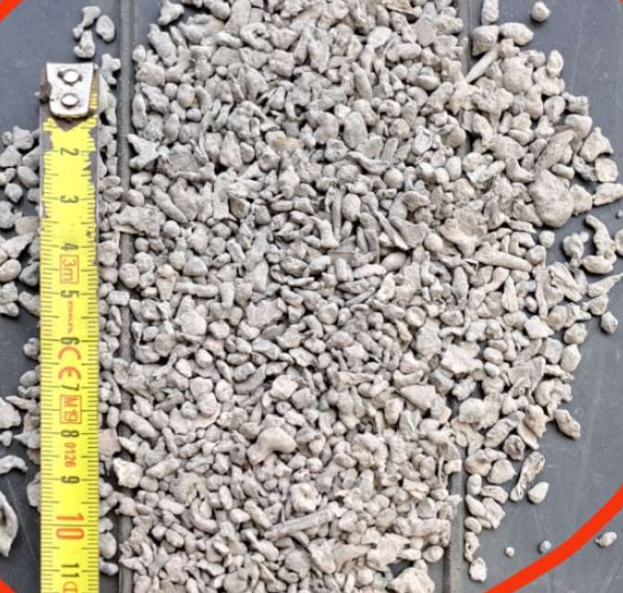
Burned aluminum can be categorized into large, medium, and small sizes, as the metal recovery rate varies depending on the size.
2. By Incineration Degree
Burned aluminum can be classified as lightly and heavily burned. Lightly burned aluminum may have slight burn marks or discoloration, but the structure remains largely intact. Severely burned aluminum exhibits obvious melting, solidification, and deformation.
The following images are examples of large burned aluminum, with sizes ranging from 10-100mm and a moisture content of 80-82%.

Burned Aluminum
Burned Aluminum
Burned Aluminum

Common Sources

Common sources of burned aluminum typically originate from large civilian waste incineration plants. There are many aluminum or aluminum alloy scraps that are not sorted out during the recycling process, mixed with large quantities of waste and fed into incinerators. After thorough incineration, a significant amount of burned aluminum scrap can be collected from within the furnaces.

Value Points

The size of burned aluminum is a crucial piece of information about the cargo, as it relates to the moisture rate. Detailed communication should be conducted. Additionally, whether the burned aluminum has been polished is also a significant value point, as the metal recovery rate can be substantially increased after polishing.
The following image illustrates the importance of the size of burned aluminum, which is related to the metal recovery rate.

Size of Burned Aluminum

Processing Methods

Incinerated aluminum scrap typically refers to aluminum waste that has been subjected to high-temperature incineration, which may result in a rough surface, discoloration, or the presence of impurities and a large amount of oxidized powder. As such, it sometimes requires polishing of this aluminum scrap to remove the surface oxide layer, contaminants, or other attachments, restore its metallic luster, increase the material's metal recovery rate, reduce dust pollution during use, and enhance potential reuse value.
The steps in polishing incinerated aluminum scrap may include:
1. Cleaning: Firstly, the aluminum scrap needs to be thoroughly cleaned to remove surface ashes, dirt, and other impurities. This may require the use of specialized cleaning agents or mechanical cleaning.
2. Polishing: The aluminum scrap is polished using mechanical equipment like polishing wheels to make the surface smoother and shinier. The polishing process may involve multiple stages to progressively enhance the gloss.
3. Washing and Drying: After polishing, the aluminum scrap needs to be cleaned again to remove remaining polishing agents and abrasives produced during the polishing process, followed by drying.
Why polish incinerated aluminum scrap:
- Aesthetics: Polishing can restore the bright appearance of aluminum material, making it look fresher and cleaner, in compliance with import standards of some countries.
- Enhanced Value: Polished aluminum scrap may have a higher value in the recycling market because its metal recovery rate is improved.

Detection Methods

The detection of burned aluminum primarily relies on sampling and crucible analysis, involving a certain quantity (from tens to hundreds of kilograms) of sampling, first calculating the metal recovery rate, then melting in a crucible and conducting spectral analysis to detect elemental content.

Matching Direction

Burned aluminum is suitable for matching with aluminum plants that have polishing and ball milling equipment. Because the source of burned aluminum is often from household materials, it is suitable for producing non-standard aluminum ingots or for manufacturers with more relaxed quality requirements for their own products.

Special Attention

Whether the surface of burned aluminum has been polished significantly affects the material's metal recovery rate. Burned aluminum has a thick oxide layer formed by the burning process, which has extremely low metal recovery during smelting and can affect the lifespan of the furnace. Therefore, polishing before smelting is a common processing step that can significantly increase the metal recovery rate, with a greater improvement for smaller pieces and a lesser improvement for larger pieces. However, polished materials also experience greater losses, with a general loss of around 3-5% due to polishing.

Gallery

Burnt aluminum
Burnt aluminum
Burnt aluminum
Burnt aluminum
Burnt aluminum
Burnt aluminum
Burnt aluminum
Back to Parent Category